Meet the Artist // Krista Gay
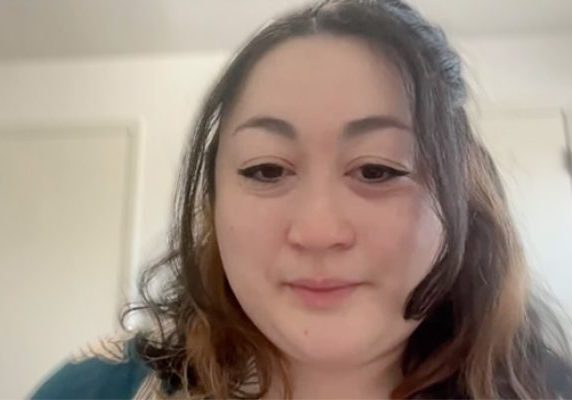
Krista Gay (she/they) is a Los Angeles-born, New York-based artist working across photography, video, text, and installation. Their practice investigates the relationship between Blackness and its viewer, examining how images are produced, circulated and consumed. Working with appropriated imagery including family archives, and digital debris, Gay explores the tension between presence and erasure, recognition and representation, visibility and opacity.
Thinking through the images of Blackness, Gay reinterprets visual materials through the process of layering and re-presentation. Treating video as a form of writing, and images as a dialectical tool, asking the audiences to question what they feel entitled to see and understand.
The installations often position the viewer within the act of looking at itself. Welcoming the audience into spaces where voyeurism is acceptable, Gay simultaneously turns the gaze back on the viewer. The work pauses at this site of encounter, a form of listening, an act of refusal, and an invitation to sit with unresolved questions.
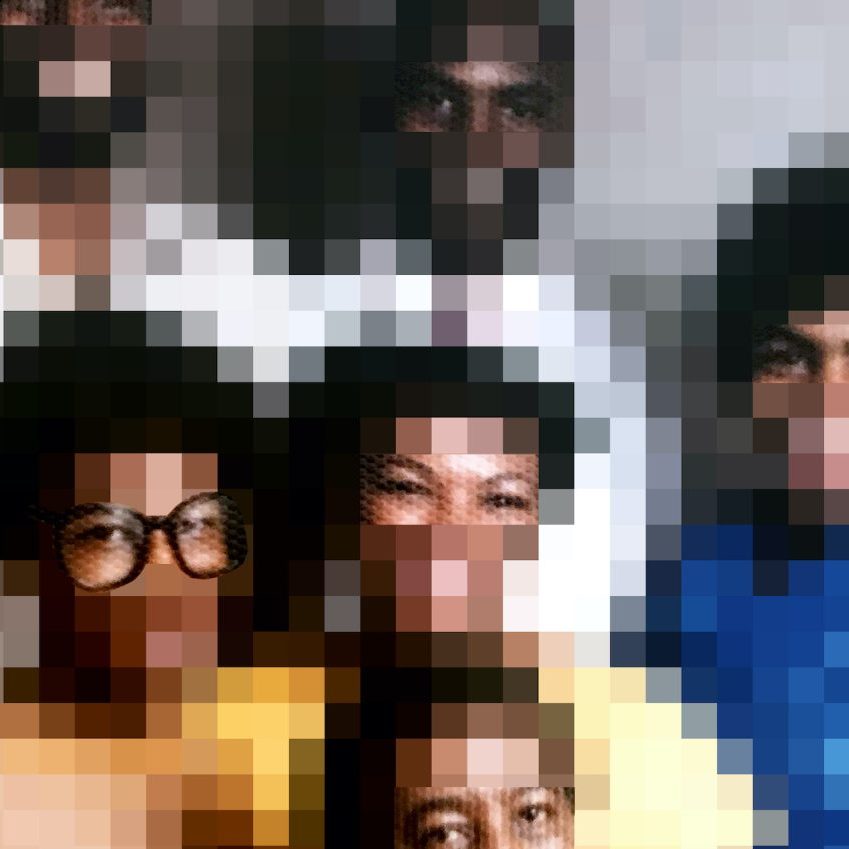
Can you please tell us a bit about yourself and your art?
My name is Krista. I am originally from Los Angeles; I live and work in New York. I am a multimedia artist, using video, sound, and photography to collage moving images and visual cultural icons of Black aesthetics.
I research how Black images have been presented to us in the media and the narratives they hold. I also think about how my experience as a Black person in the world has been shaped by my relationship to Blackness at large, in a tangible experience.
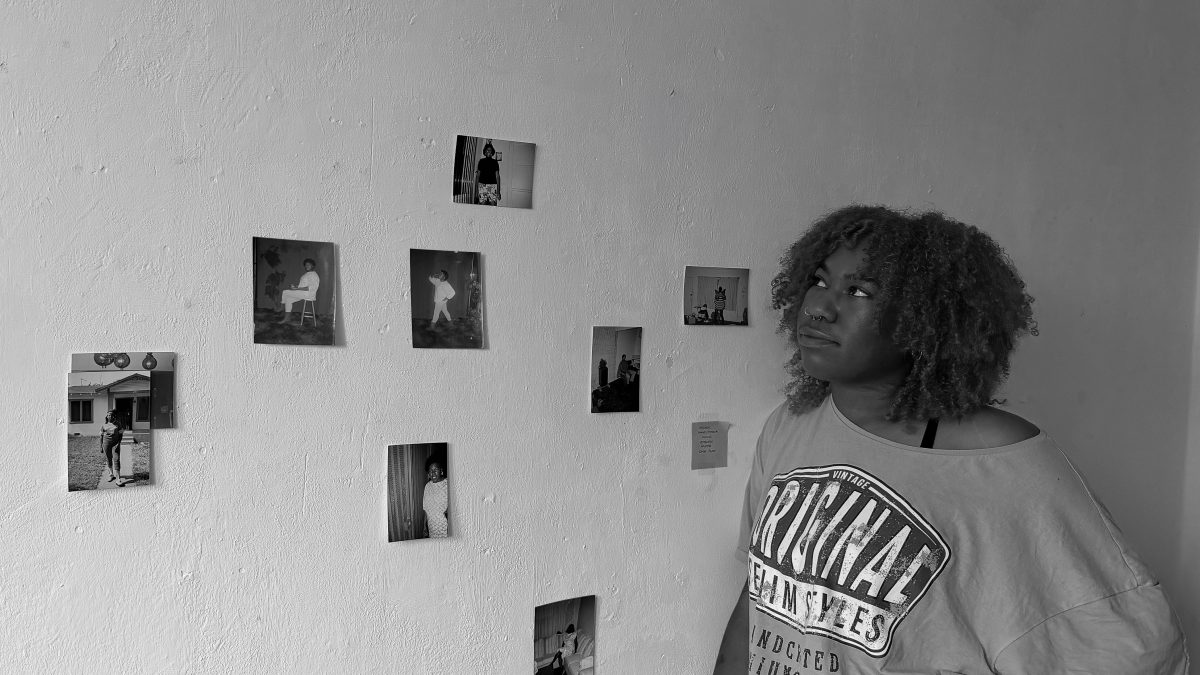
What defines your practice?
I’m thinking about Blackness as it is seen, the power of sight, and how that relates to the Black body. I break it down into categories: Black life as it relates to contemporary science and gynecology, and as it represents Black womanhood, including archetypes that are created in the media: the Jezebel, the Sapphire, and the Mammy.
Another theme is Black domestic life and how it’s presented to us through the lens of Fox Television, an American network, for example. They were really progressive in the 90s, as one of the few American channels catering to Black sensibilities at the time, which formed the way many understand Black life. For the time, really expansive for what it was; now, obviously, we’ve moved beyond, and our expectations are higher because we have more representation.
The context of origin is important too: where I am currently, what I know about images of Blackness that are fed to me via the internet, and how did we get here? I’m researching the 60s through the early 2000s, looking at how Blackness was represented and presented to us. The current global visual language of the internet, reality TV, and pop culture is connected to the past, including the language that we have for it.
You’ve mentioned the Resistant Archive previously, and I wanted to ask what that, and resistance in general, mean to you.
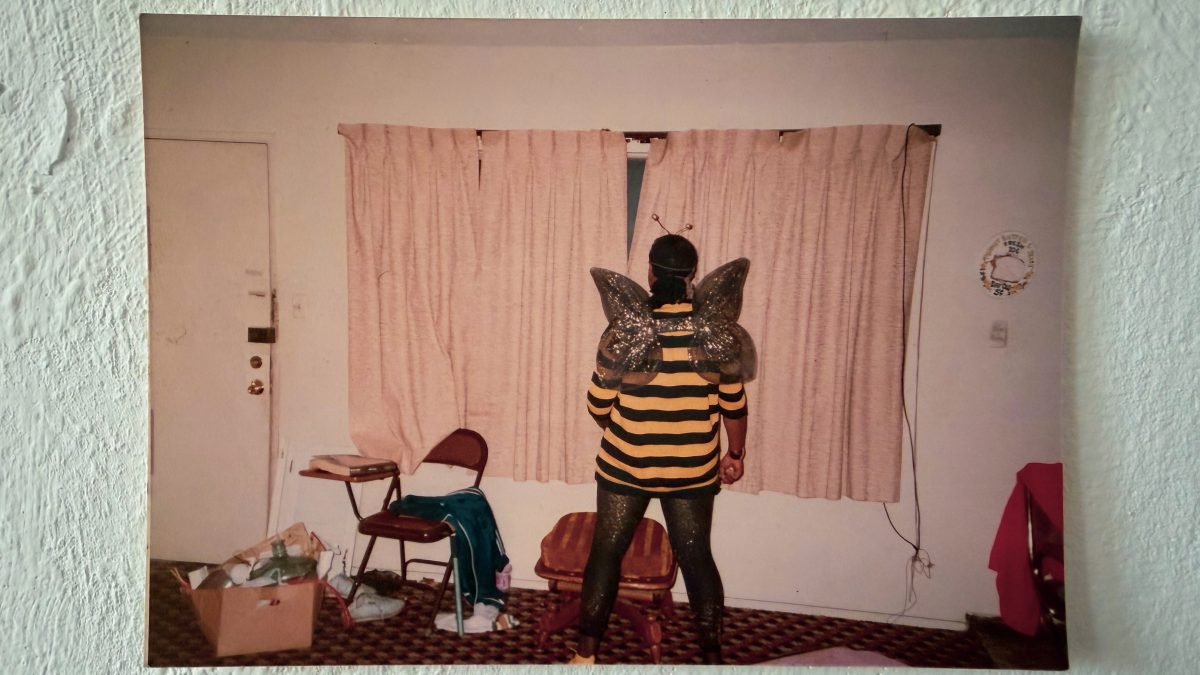
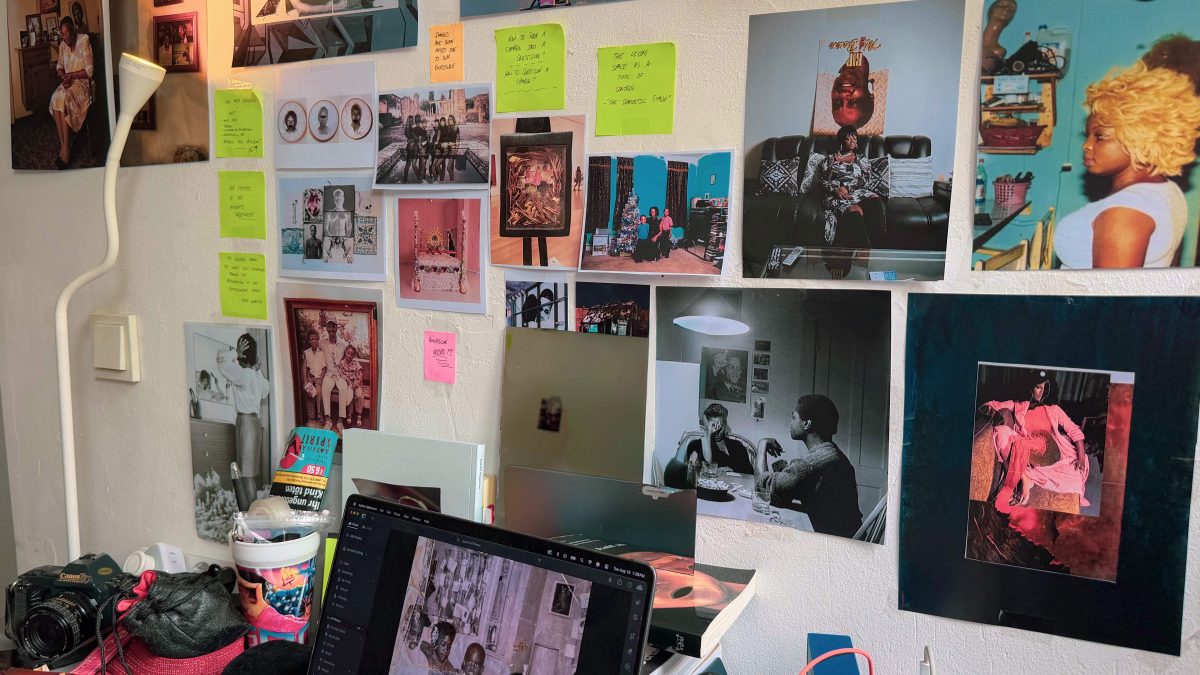
The word resistance comes up a lot in my work. Especially because archives are not very accessible, only through many obstacles and paywalls. I’m collecting my own family archive, which I have access to and I’m very lucky to have; my mom holds a lot of our photos that she, her siblings, or her mom took. I also have a collection of screenshots and saved photos, mostly of Black people, that I call Church: memes or snippets from shows or things that went viral.
Taking back these images is part of my resistance, as well as not allowing any of the bureaucratic nonsense to get in the way of my accessibility to visuals that embody us; they do belong to us too.
How do you reclaim them?
I take a screenshot if I recognize something, or because I’m curious about where it came from. After I figure out their origin and context, I can redefine their meaning, put them in a new context, juxtapose or compare them to imagery with similar meaning. I construct a new identity for these images.
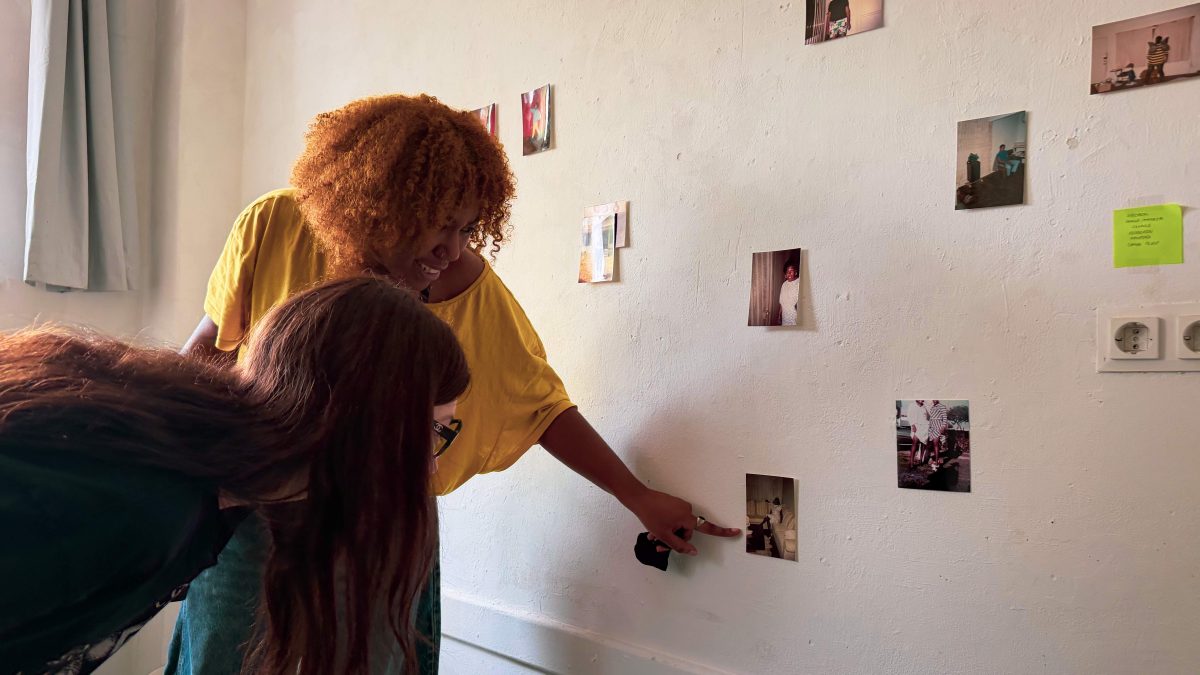
Domestic life and the home itself are very emotionally and politically charged themes. How do you approach working with personal experiences?
My grandmother’s home, the center point for our family, is what started my work. I remember the way it smelled, the sounds, the TV being on constantly, people coming in and out, sitting on the porch and greeting the neighbors. That particular place is fundamental to my upbringing and the way I understand home and family, pillars in the way we see Black visual culture. Everybody has a home, with all of their differences and similarities; certain objects were either scary or obsessed with, and the memories connected to them live within forever; I think that connects us all.
Images are so politicized and objectified, and once you put a picture on a wall, it’s up to interpretation by an audience; I hesitate a lot to show my family. I also edit my personal images using blurring or distortion to protect them, but also because of the objectifying gaze for a subject that I love and care about deeply.
What are objects and representations of Black life for you?
I notice certain textures and colors, for example the red velvet on this set of images I have, or the rug underneath that is splotchy. A plastic-covered couch evokes the feeling of sitting down on a hot summer day in shorts and your skin kind of sticks to it. That feels very significant to me. Or a grated screen door in front of a wooden one, having two entry systems to get into a house. Leather, leopard print, wooden frames, things that aged and weathered over time, and things that have multiple uses. I remember basic things about the place, then I dig into them further, asking what else they might look like, and how I can use what I understand or remember about them to actually materialize my work.
Photos // Laura Bikulčytė
Interviewer // Veronika Laczai