Meet the Artist // Seehyun Kim
The artist’s practice examines how perception shapes reality. While the world we see and experience is often accepted as reality itself, shifts in scale and perspective can reveal entirely different ways of understanding the world.
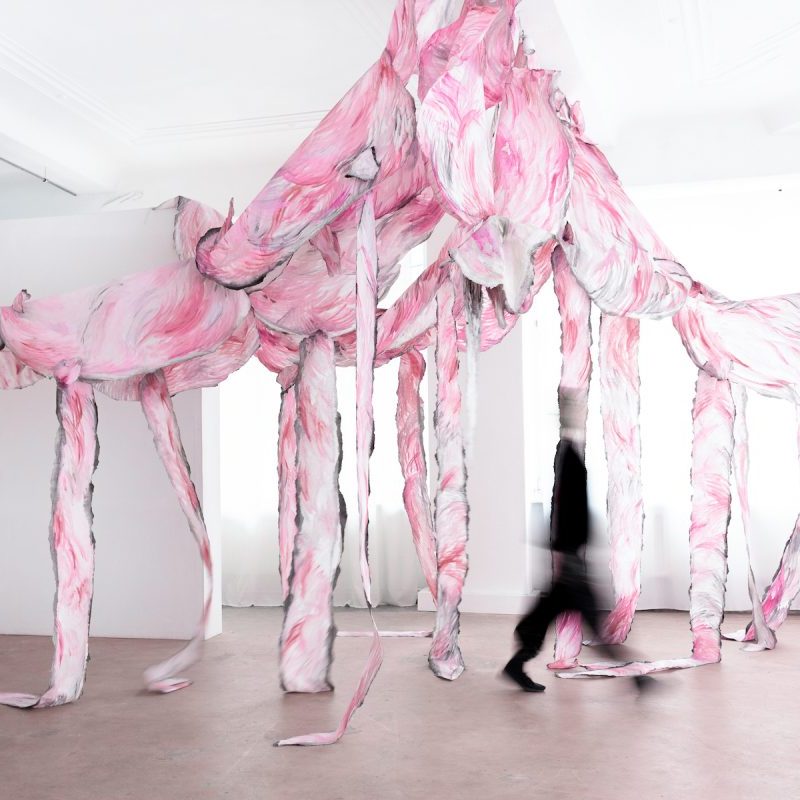
Working across painting, installation, immersive theatre, moving image, and virtual environments, the artist creates situations that move between different scales, perspectives, and temporalities. Through hybrid forms and spatial experiences, the work explores how realities emerge through perception, suggesting that what is understood as reality may be only one of many possible ways of experiencing and interpreting the world.
Can you please tell us a little bit about yourself?
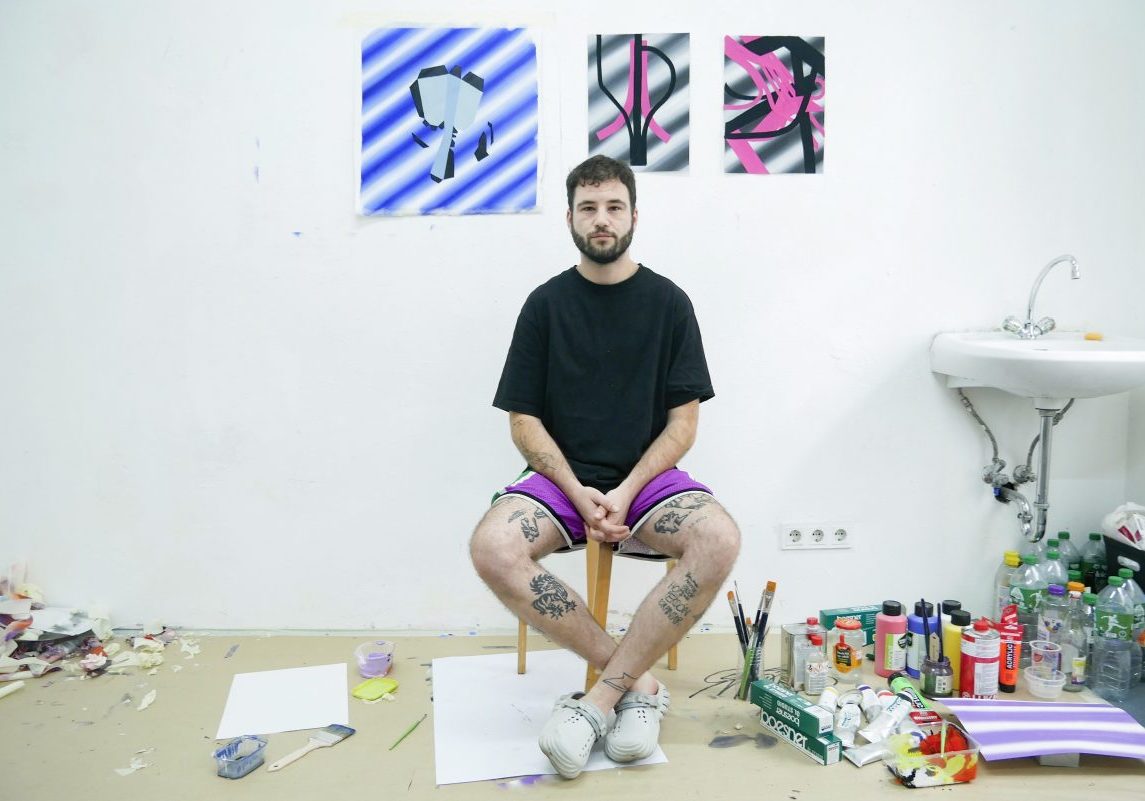
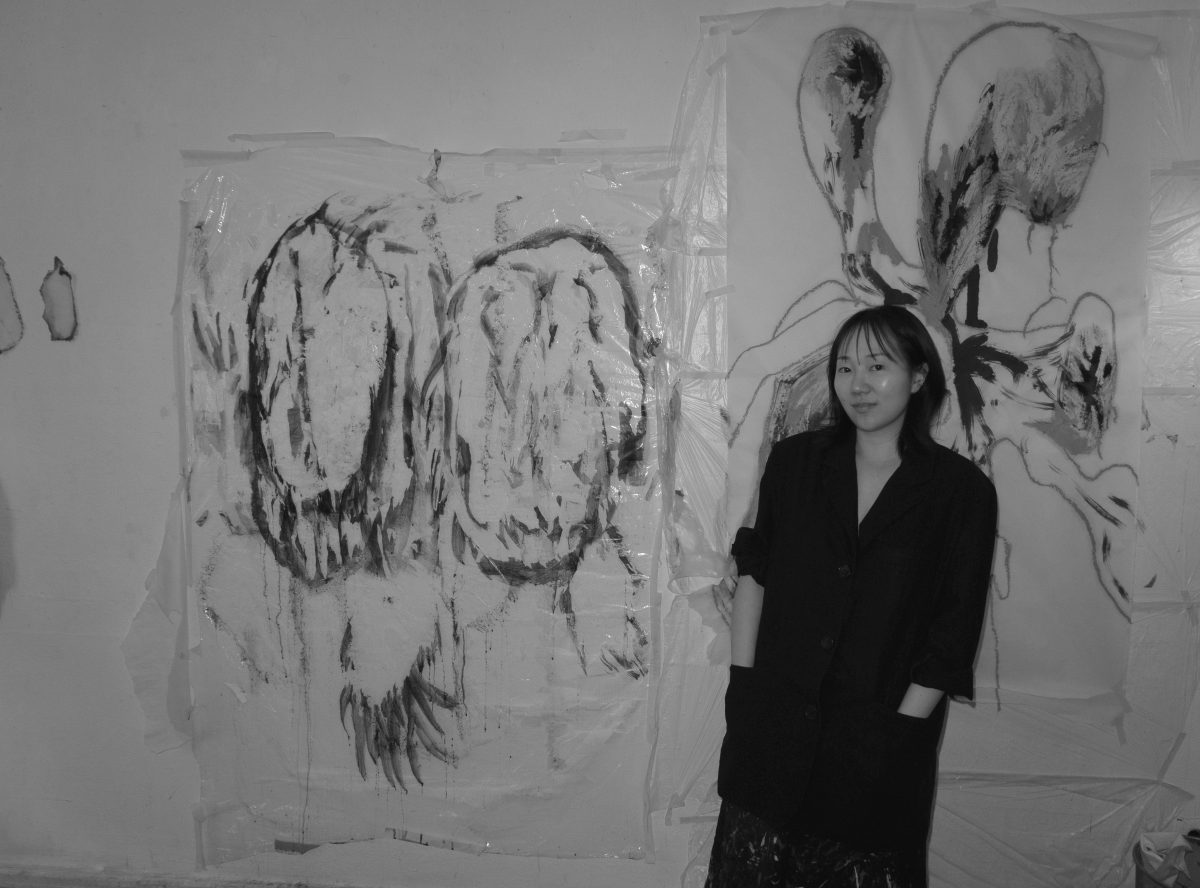
My name is Seehyun Kim, and I’m from Seoul. I work across painting, video, performance, and also create immersive VR works. I explore how things can change depending on our perception.
What drew you to paper as one of your main media?
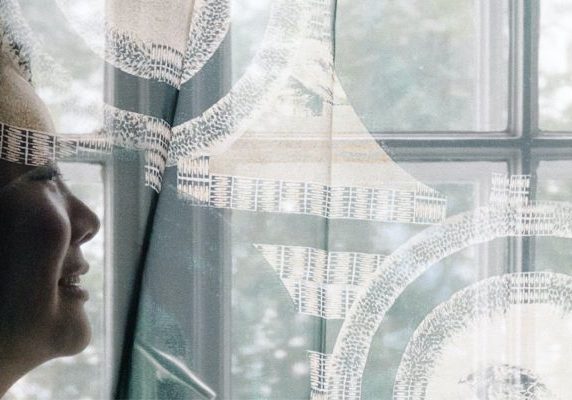
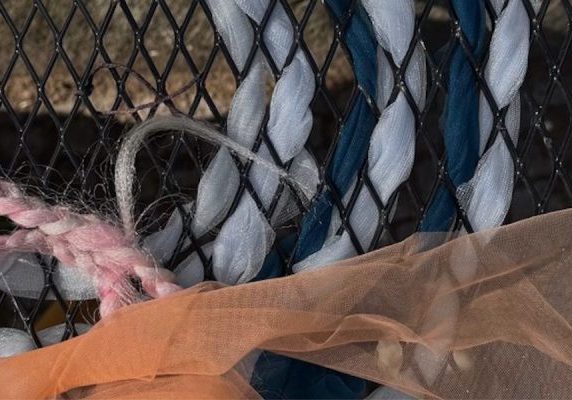
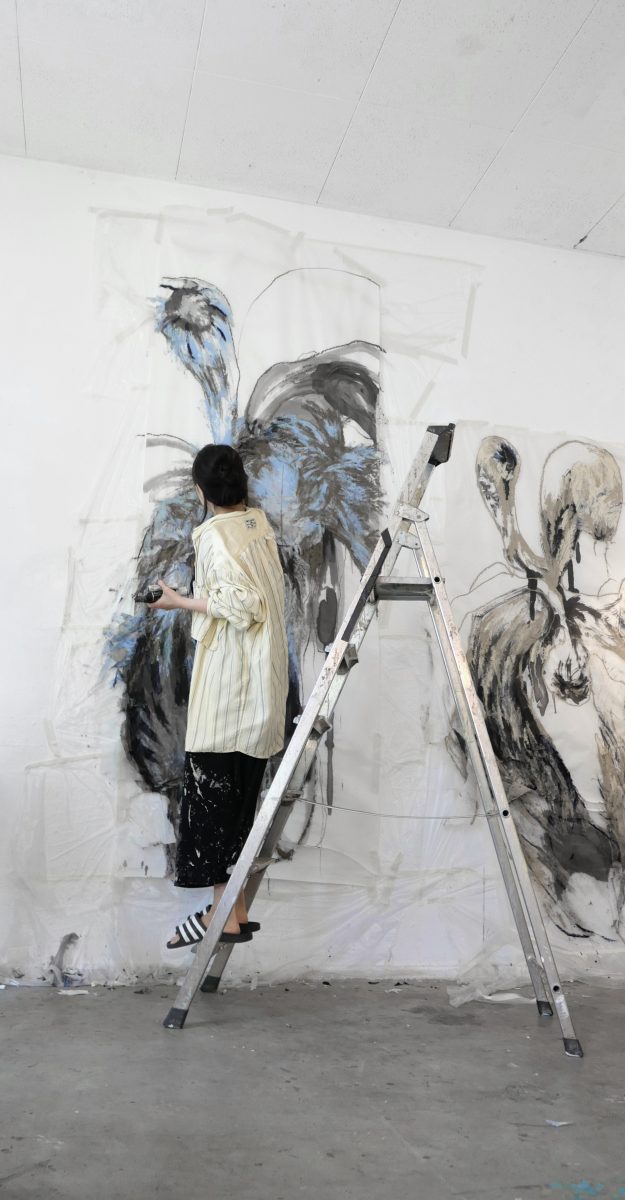
Paper is very flexible; I’ve been working with it since 2017. It’s an endless source for me; I can’t really stop thinking about all the different ways paper could be processed or mixed. You can easily layer paint, or modify it by playing with the light passing through it. The endless stream of ideas can be overwhelming sometimes, almost addictive. But this enormous variety is its strength too.
How would you describe collaborating with others?
As a theatre stage designer, I have a big team that I have been working with for a long time; it’s an established relationship.
Three years ago, I also started making plays. The process begins with creating a concept and writing the script. I then develop the work with a co-director, which can take anywhere from one to three months.
Multimedia collaborations are similar. I have many friends who are musicians, or I meet other artists who are open to working together. I usually establish the visual concept and atmosphere first. The musicians then share melody or sound samples with me, and the direction evolves from there. With video works, I tend to lead the visual direction, while performances require more joint decisions, particularly because the movement and space need to work with the performer.
For my GlogauAIR open-studio project, I’m envisioning a large-scale installation that I’m working on with a sound artist.
You also create kinetic installations. How did you learn the technical part of that?
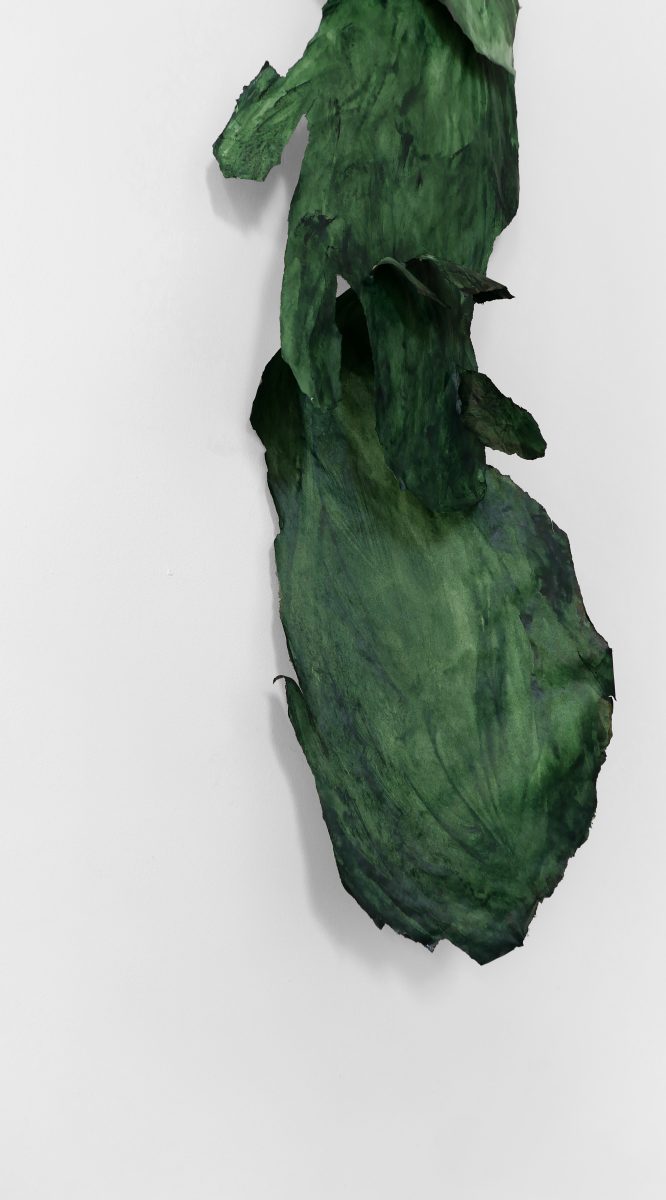
I worked at the studio of the artist Kwangho Lee for three years, specialising in art furniture and spatial projects. Through that experience, I learned a lot about how objects, lighting and spatial structures are made, which later helped me develop the technical side of my kinetic installations.
Changes of scale and perception are prevalent in your work. What inspires your practice?
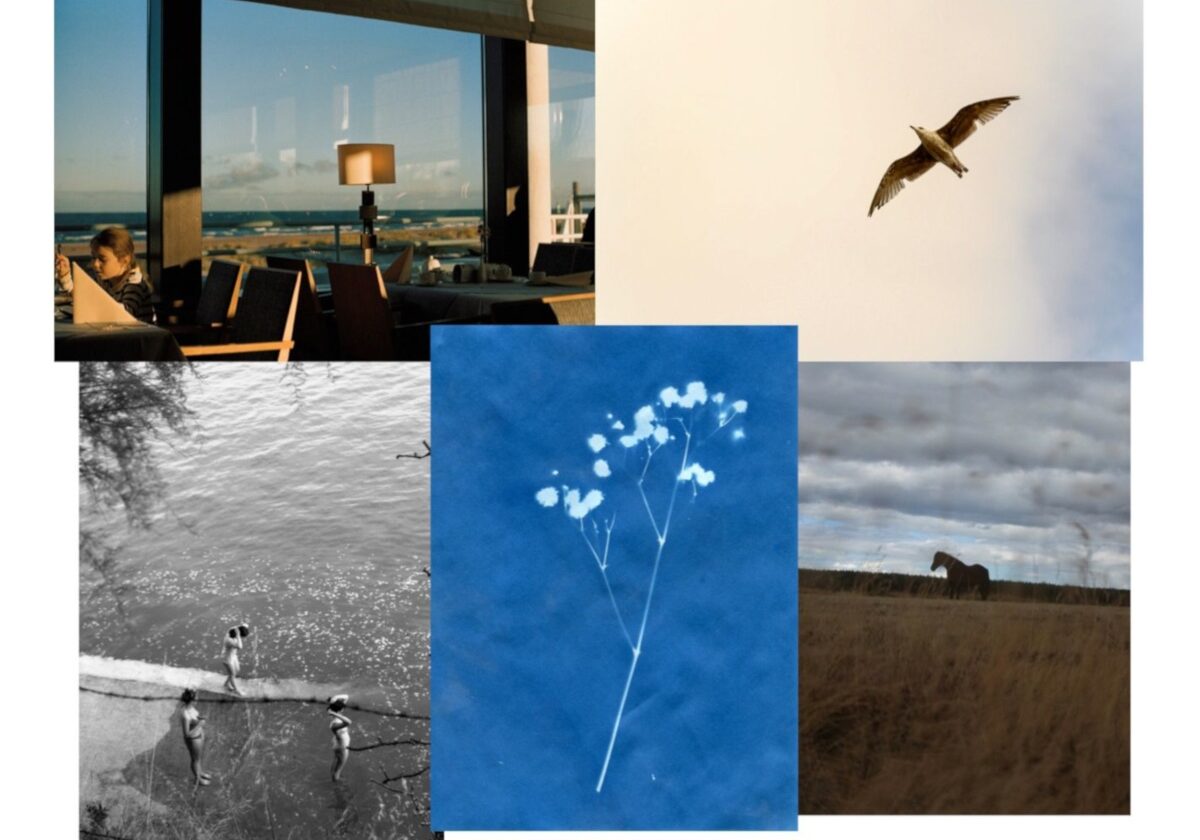
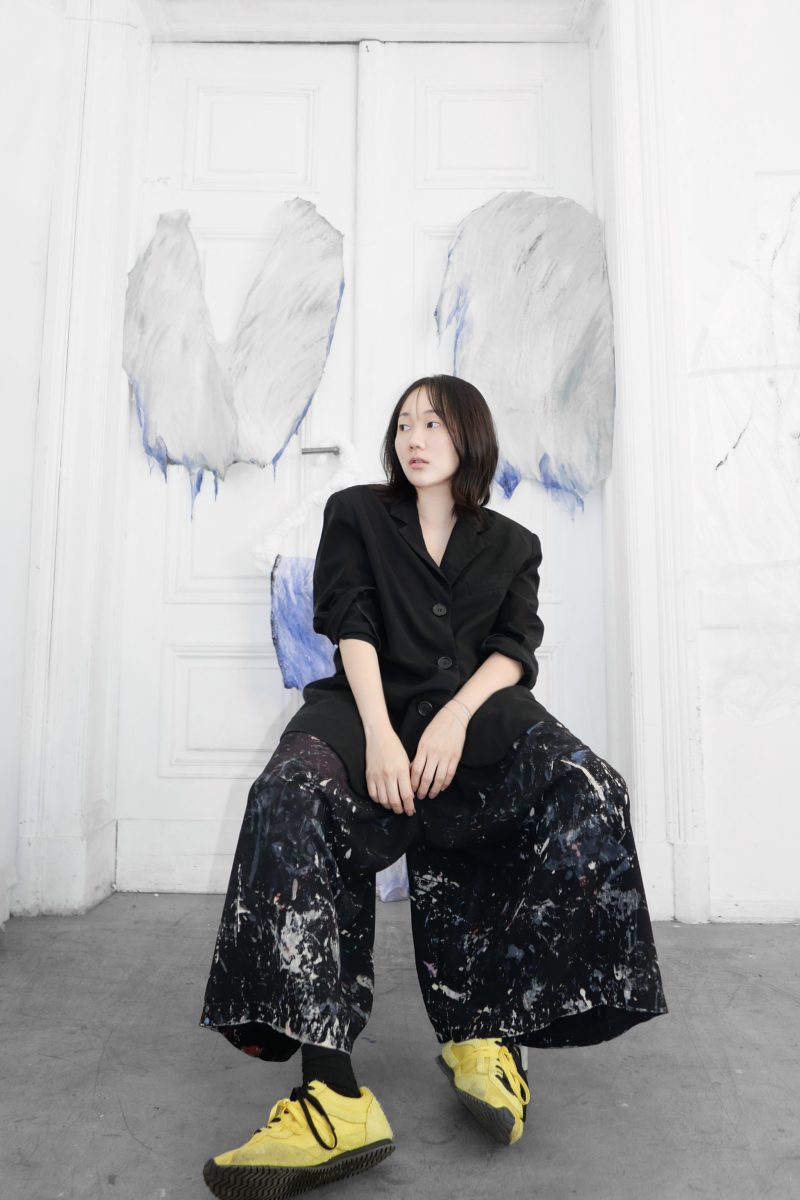
I’m interested in the macro world, the universe. I’ve been fascinated by time and space for a long time. I love watching documentaries about our world and connecting various aspects of it to my art, be it quantum phenomena or microbes. I like to observe nature too; I find it very inspiring.
Sometimes I’m a bit too much in my own head, and it gets gloomy. Everything is still the same, except for my mind. I’ve learned that I need to have mental openness and clarity to create, especially because I want to make the audience feel things through my art.
Music is also very important to me; I can feel a sudden change in my heartbeat. That’s also why I collaborate with sound artists so often; music transforms spaces.
Interviewer // Veronika Laczai