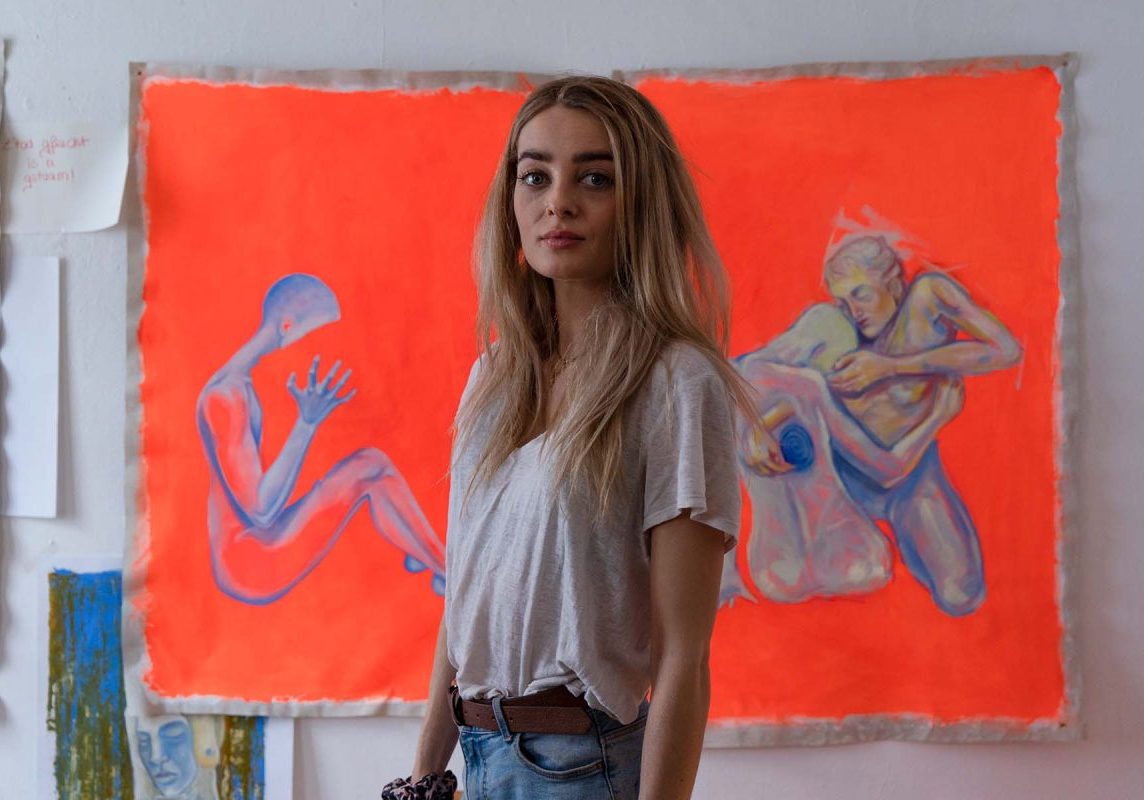
Meet the Artist // Ai Ohashi
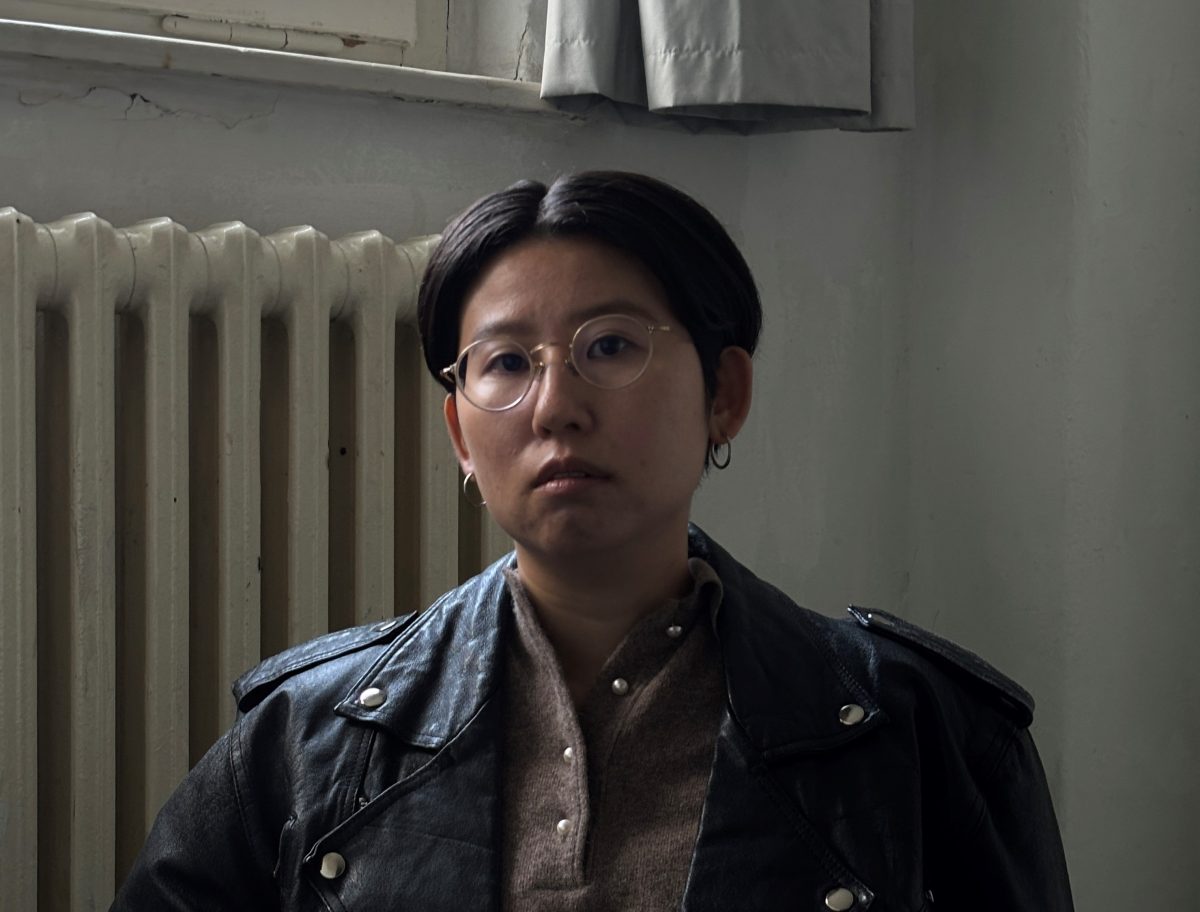
The work of Ai Ohashi begins with haunting images: their deceased father watching them, photos of atomic bomb victims seen as a child, and a deceased friend’s family. Tied to their past and ongoing violence, these become videos and repeated drawings. Prolonged exposure to the same image, or bodies held in unfamiliar visual settings, evokes distress and instability. As viewers relive the artist’s fixation, their privileged position as observers and judges falters. The boundary between self and other grows uncertain.
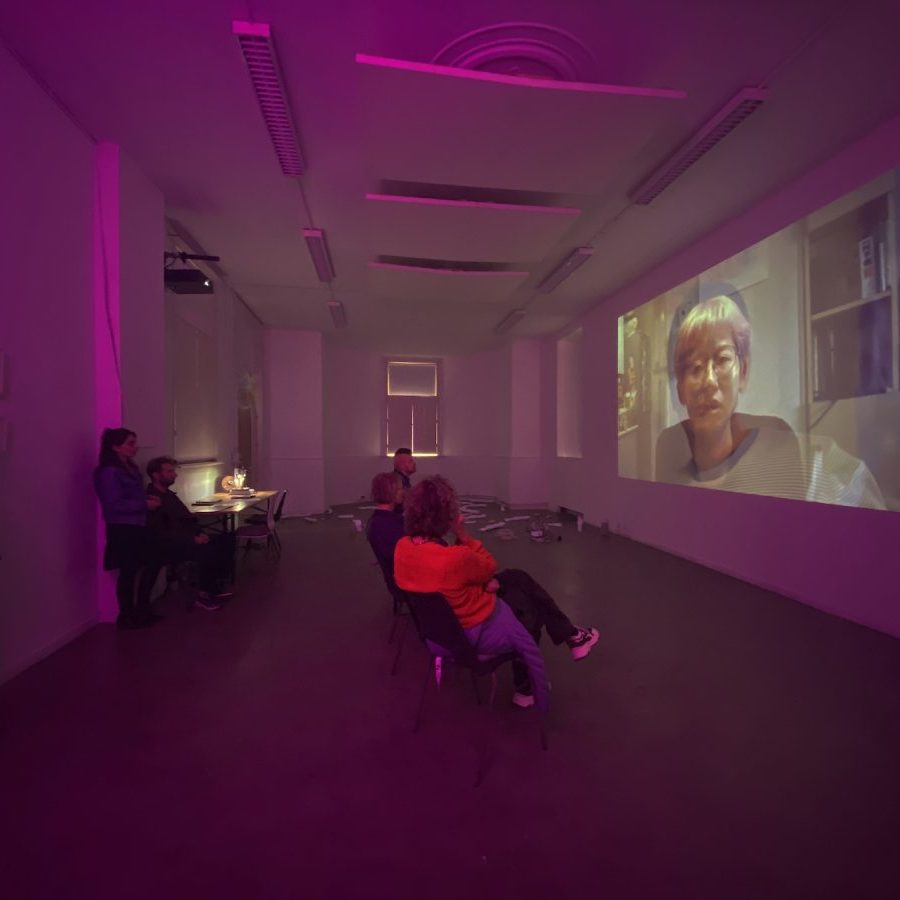
Can you please tell us a bit about yourself and your artistic practice?
My work is concerned with a strictly personal perspective connected to the world; it begins with myself and my own trauma. When I engage with someone else’s work, my primary focus is understanding their personal emotion, their inner self, and their individual trauma, how they feel, and how they navigate their own inner self. For me, art doesn’t stand from a neutral third-person perspective; it is deeply personal and subjective.
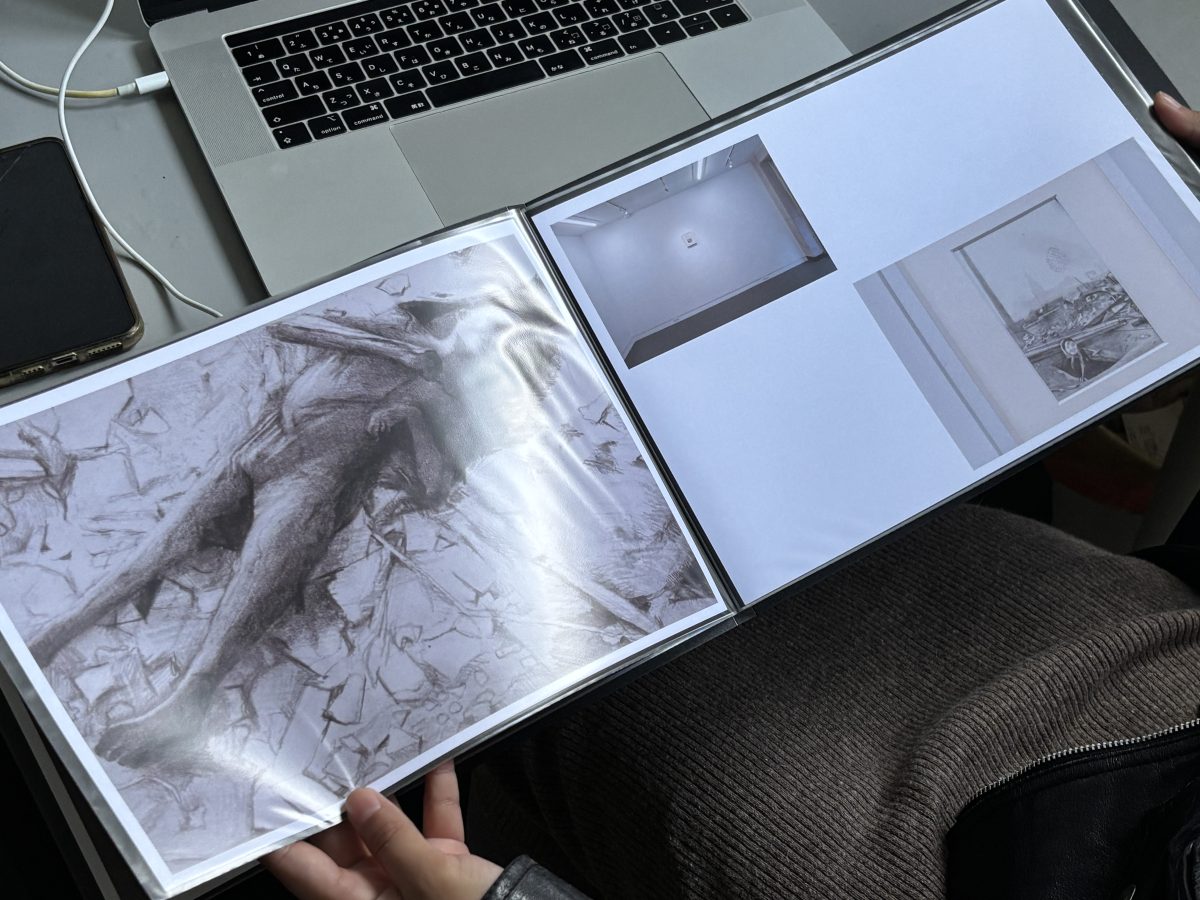
In your solo exhibition HOPE (IT’S MY TRAUMA), you obsessively copy Yosuke Yamahata’s photograph of a Nagasaki atomic bomb victim through repetitive pencil drawings. Does this physical, slow act of transcription help resolve or heal the trauma, or is it more of a way to exorcise and gain control over an image that haunts you, turning a personal wound into a political critique?
In the beginning, I was trying to care about myself through drawing and get relief from trauma. Honestly, art didn’t cure or erase it. Instead, the creative process generates new work, which brings new perspectives and other questions to light. My anger and personal feelings still remain, but the process opens up new dimensions to explore.
In your work, you often challenge the stereotyped image of the victim by showing that victims are complex and possess their own forms of anger or agency. How does your practice attempt to reframe the conversation around victimhood and structural oppression?
I don’t approach structural oppression from a broad, abstract stance. My primary focus is always my personal emotion, including anger. Society contains many complex layers of oppression, but I don’t try to solve or diagnose them completely on my own. Doing so would make the work too closed. Instead, by grounding the work in my own authentic emotion, I keep it open to interpretation and allow the conversation around victimhood to remain complex and multi-layered.
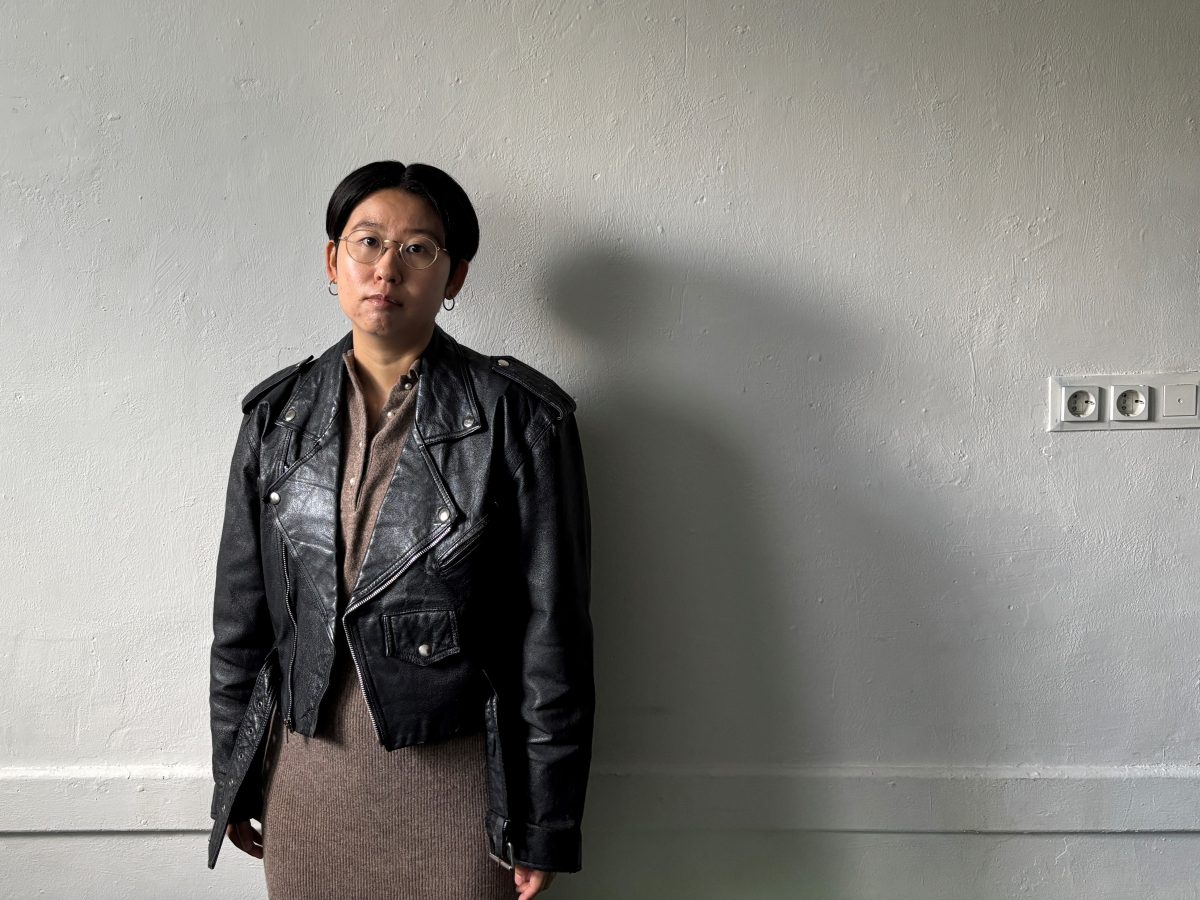
Your practice is strongly rooted in exposing structural violence and gender inequality in Japan, such as your activism during the Aichi Triennale 2019. Coming to Berlin for your residency at GlogauAIR, how do you foresee this shift in context influencing your current research and what you hope to share with the audience here?
Participating in the Aichi Triennale 2019 was an intense, uncommon experience in my twenties that exposed the harsh realities of gender inequality in Japan. Moving to Berlin allows me to bring those experiences into a completely different context. While the Asian and European social landscapes differ significantly, gender gaps exist everywhere—even in progressive countries. During my residency at GlogauAIR, I am exploring my current inner state and my ‘inner child’ through new work. I don’t have rigid expectations of the outcome; rather, I am excited to see what new ideas and dynamic exchanges will emerge from connecting with the audience here.
Interviewer // Mariella Raia
Photos // Danae Ripley