Meet the Artist // Adrien Iz Nettere
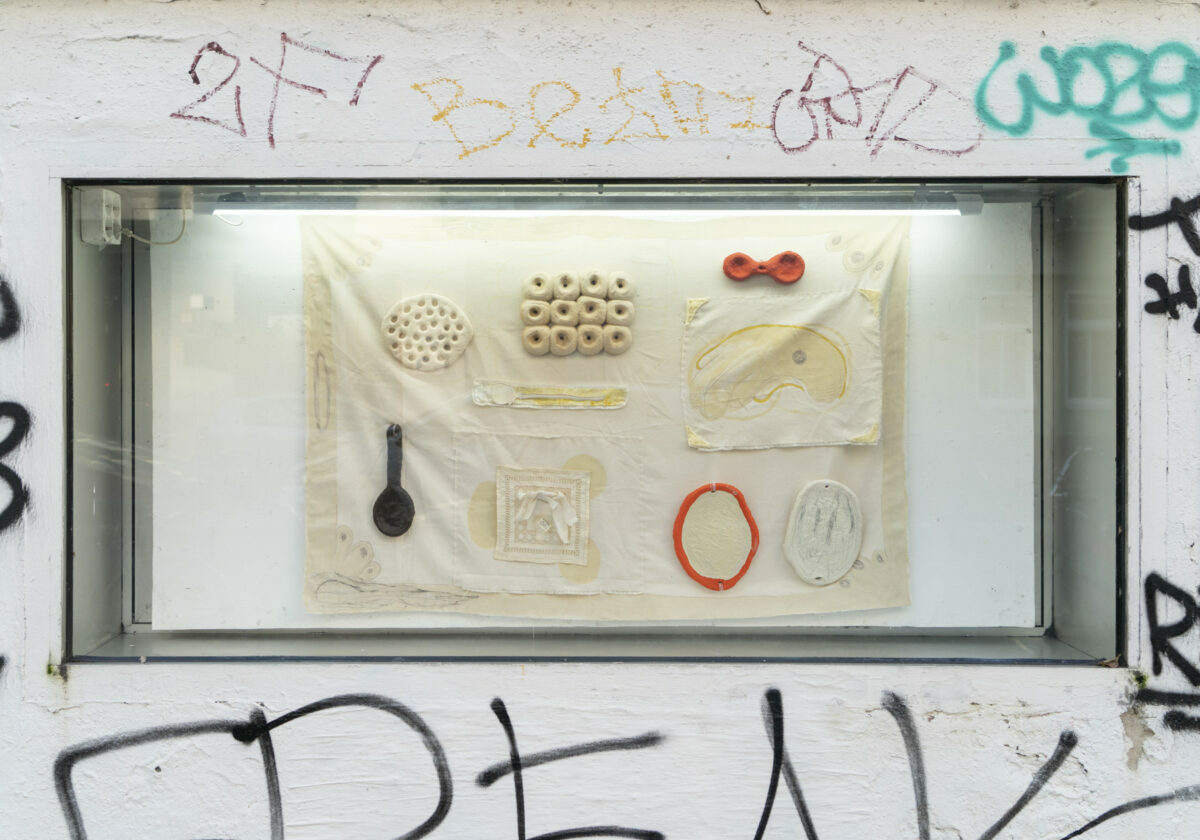
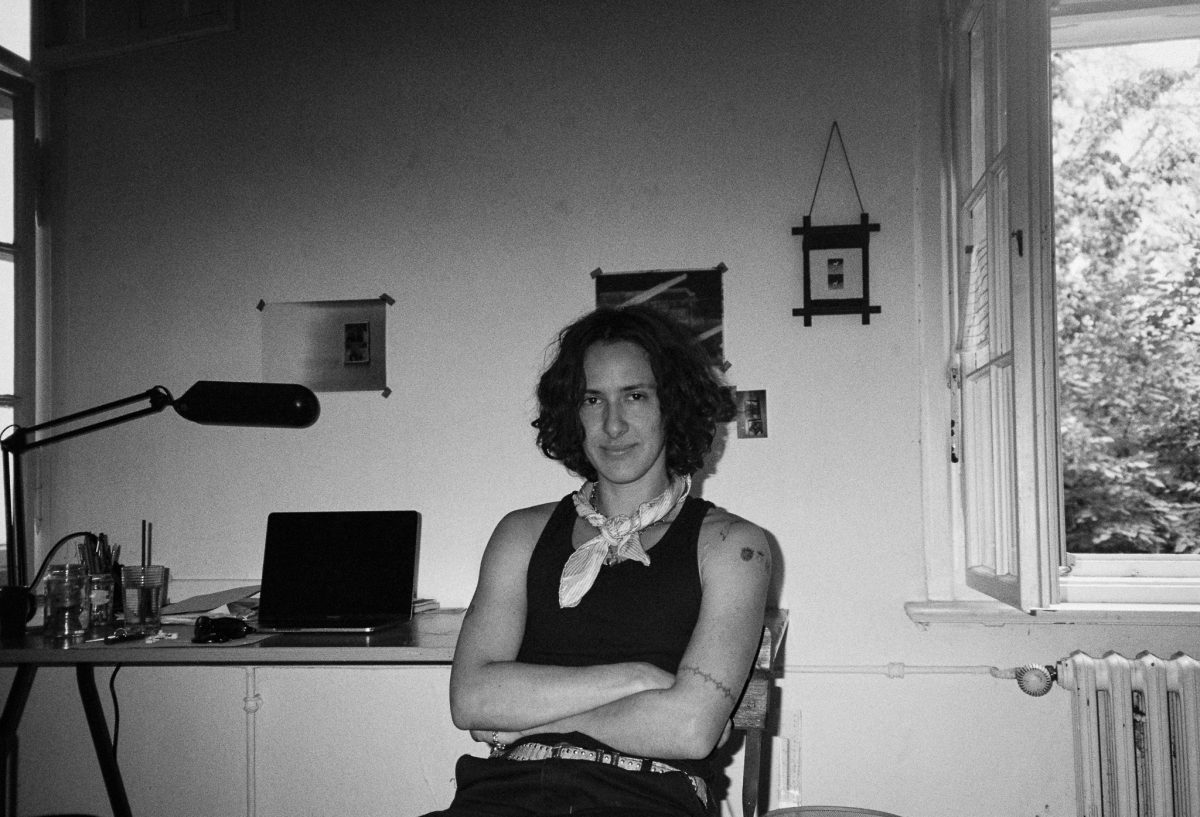
Adrien I. Nettere is an artist and designer who works with light and images. Using ceramic and illuminated panel constructions, Nettere stages encounters attentive to the gap between sign and meaning.
He is interested in the affordances of distance and repeats found images until they reflect back the opaque exteriority of a subject in motion. He lives and works in New York and teaches at Parsons School of Design. Pieces from Nettere’s project Ballerina Lighting are available in the New Museum store and by commission.
Can you tell us a bit about yourself?
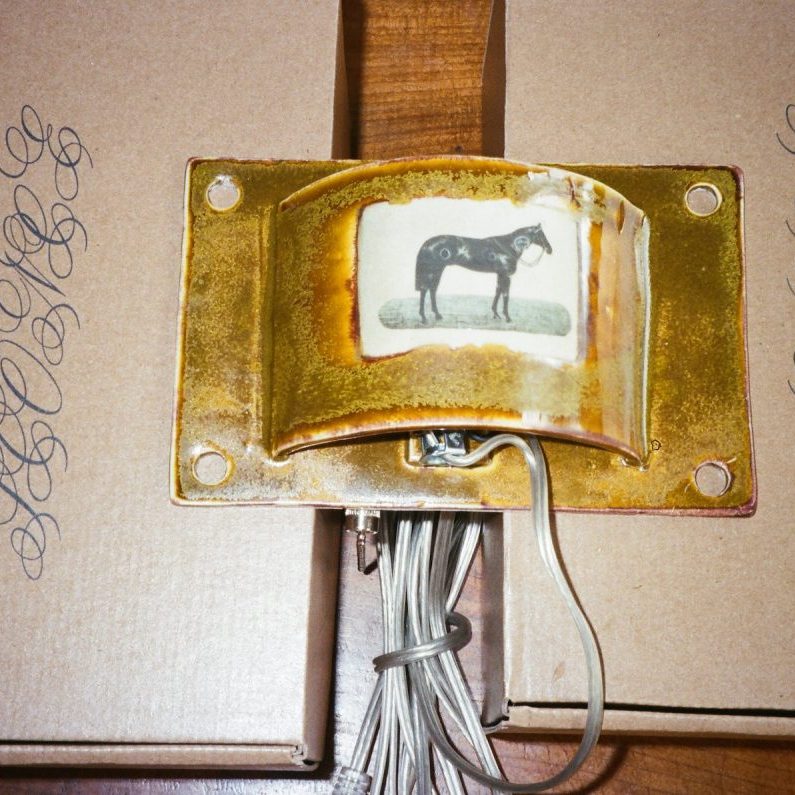
I work with images and materials – I make things, but mostly I work with images. I live in New York, and I teach at Parsons. I started a ceramic sconce project a couple of years ago, and I have some upcoming workshops this fall at GlogauAIR in Berlin and elsewhere. My more sculptural work also involves light.
Was there an identifiable moment when working with light, the ultimate source of visibility, became interesting to you?
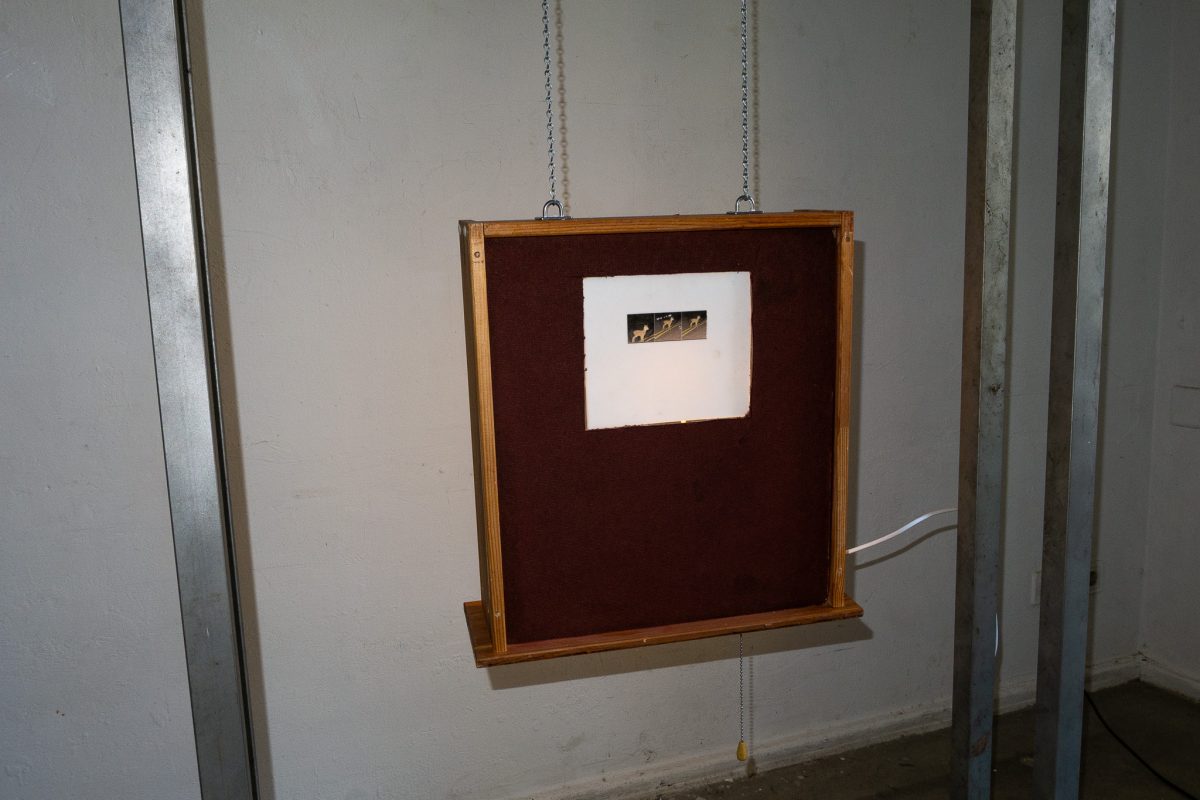
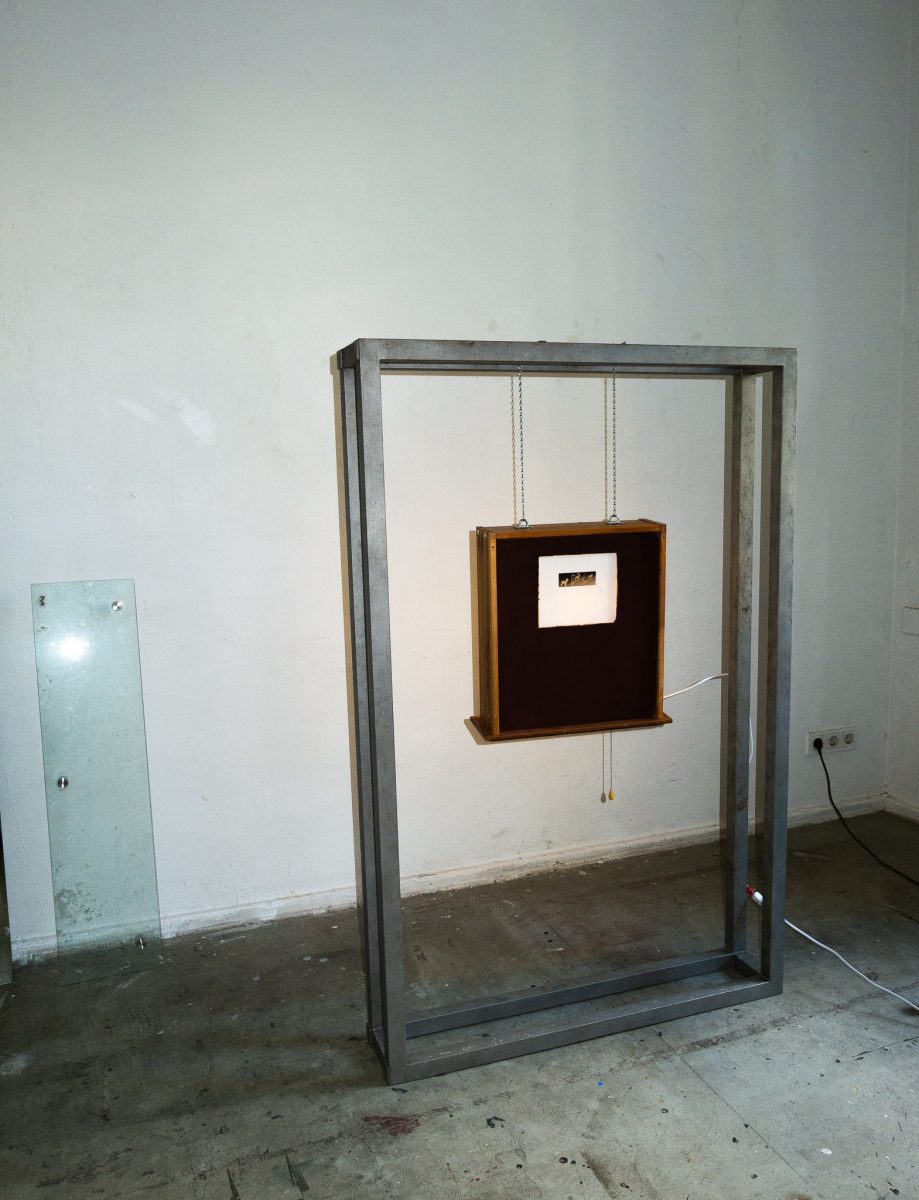
The first time I worked with light in an exhibited context was a piece I made in conversation with Ida Momennejad, a neuroscientist I’ve collaborated with. I was using light in my work already, making prints with an analog image-making process. I wanted to use light in the installation of the work. NEW INC, The New Museum was supporting the production.
At that time I was thinking about memory, how it emerges in the distance between a material thing and something closer to narrative. Light is non-material, but it’s making contact with objects. These phenomena – memory, perception, a sense of knowing or encounter with another person – they’re processes that are both material and not. Light makes contact; it animates the object world, and we use it also to produce a fiction about objects. With light, there is also a question of discreteness – a thing’s boundary gets extended.
How did you become fascinated with the themes you’re working with?
I became fixated on that idea, that this material substrate or scaffold exists in the brain or elsewhere, but can’t entirely account for what memory is. The kind of distance that exists. Then, the impossibility of knowing – that’s the origin of Exquisite False Recollection. It’s a spatial interest; I think of it spatially. Scaffolds, form, the particulate, and then something like light, or substrate.
What’s the basis of your visual language and how does it appear in your practice?
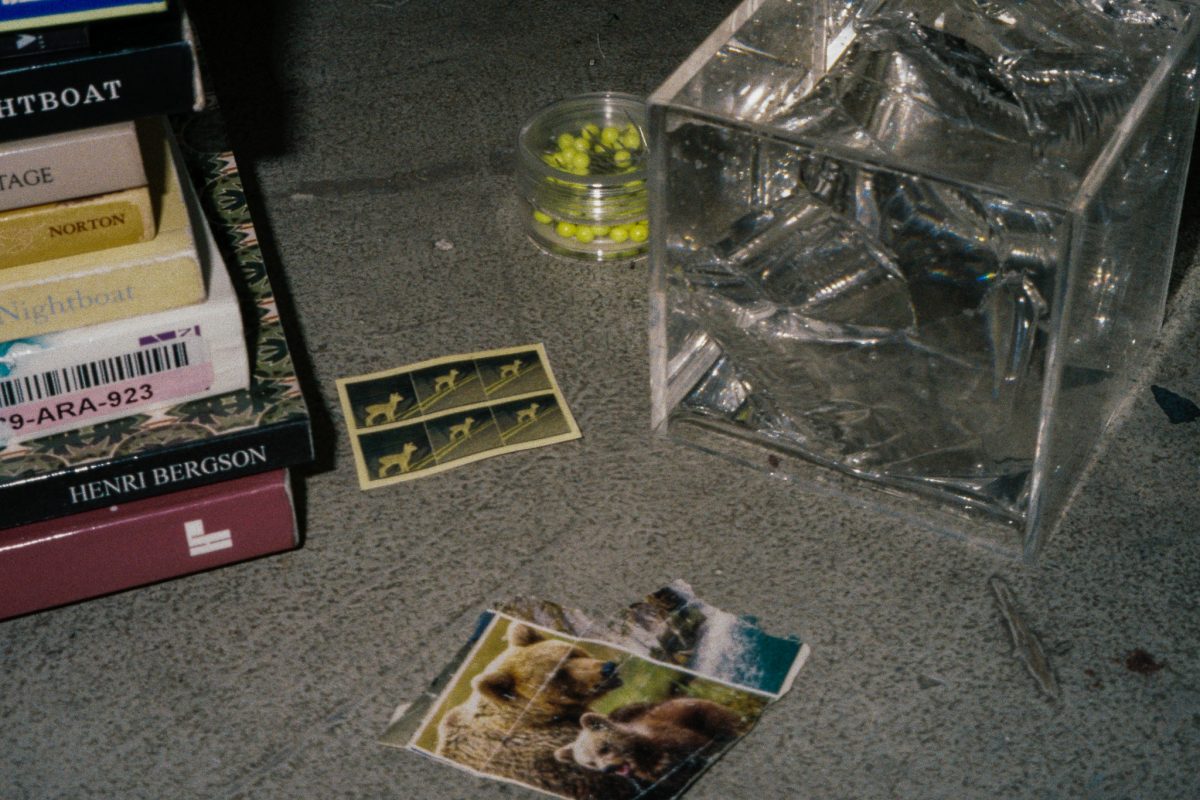
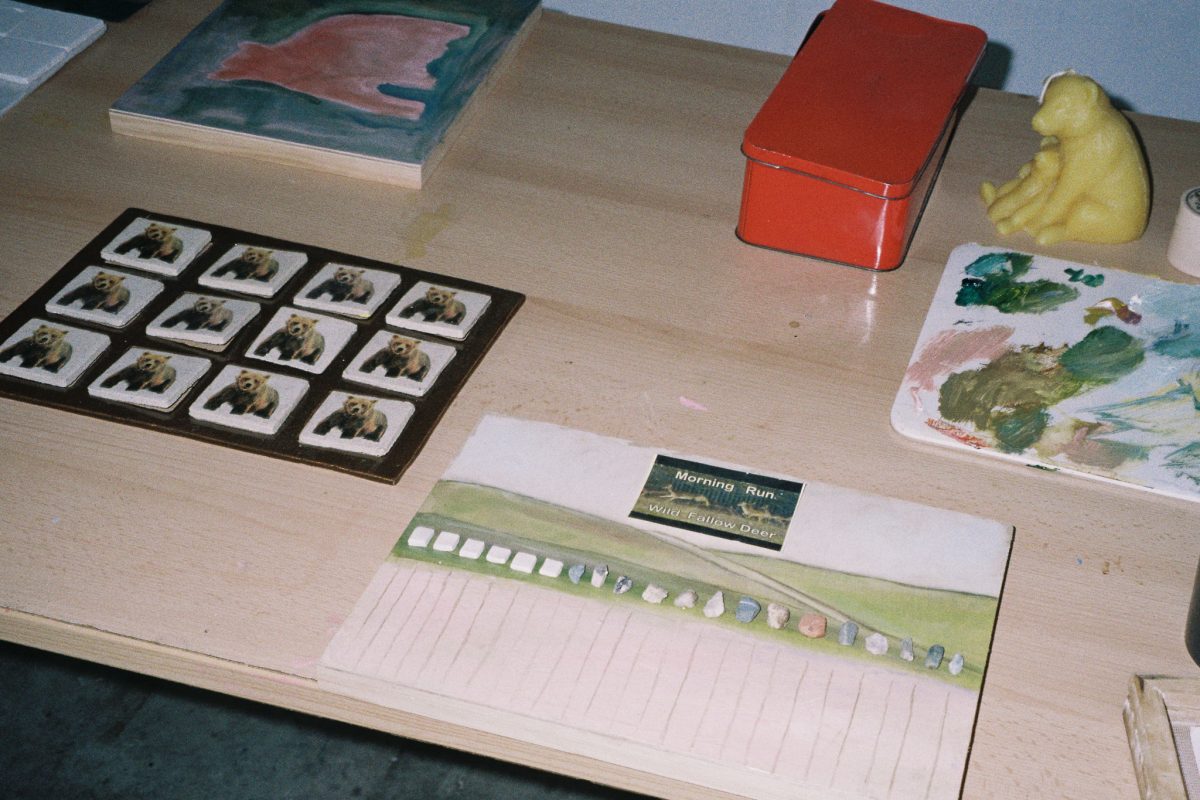
One way is the deconstruction of an image through repetition, as a surface on different materials. It’s only ever an image, a silhouette – there’s a difference between the image and the thing itself. I wish there was a better one, but a sign is the most precise word. It’s an image that is so much an image, it’s a sign, standing in for the thing, not recovering its object. The image isn’t the subject, and through reproduction, it becomes fungible, and we can assume the subject is elsewhere, in motion. That’s why I use appropriated images, usually from the public domain, and I think they have that look. They’re never ones taken by me, and not of people. I’m interested in the false totality of an image, and relation that begins with impersonality. I’m very compelled by the stance, also, the protective affect of the bear; it refuses a lot.
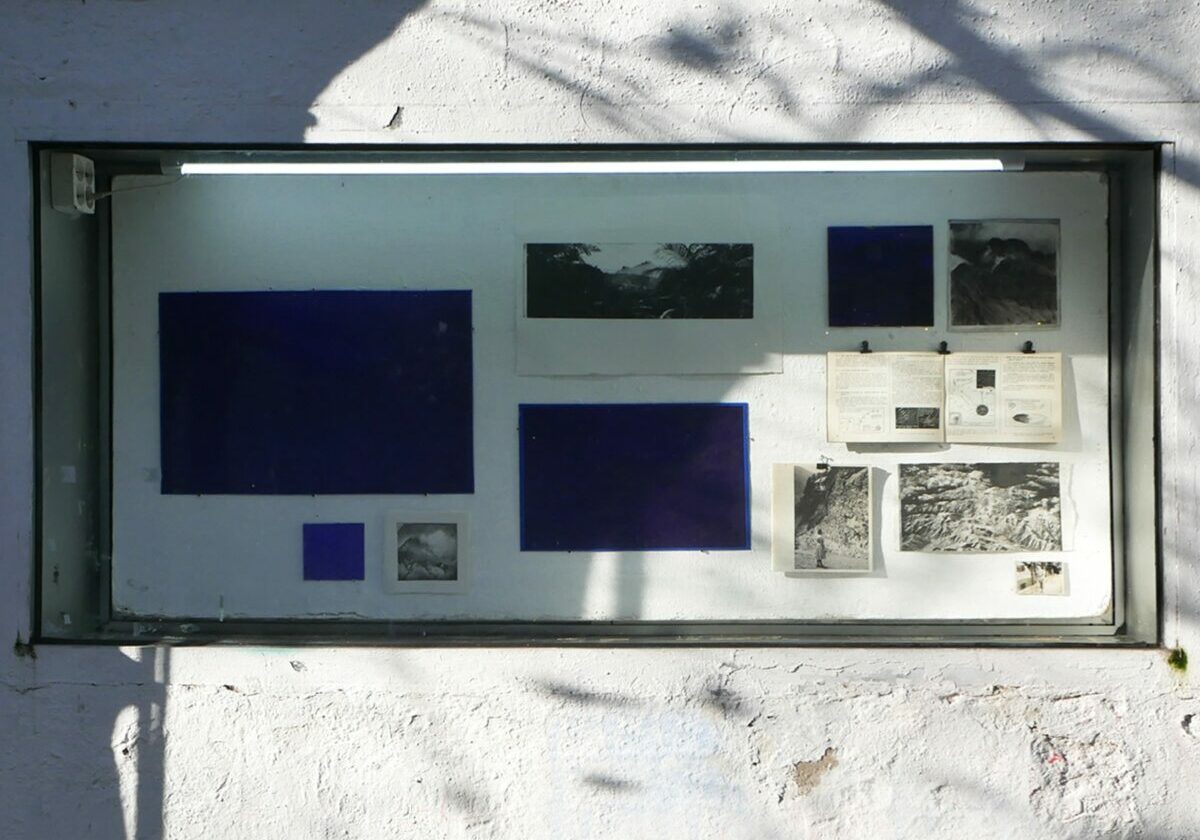
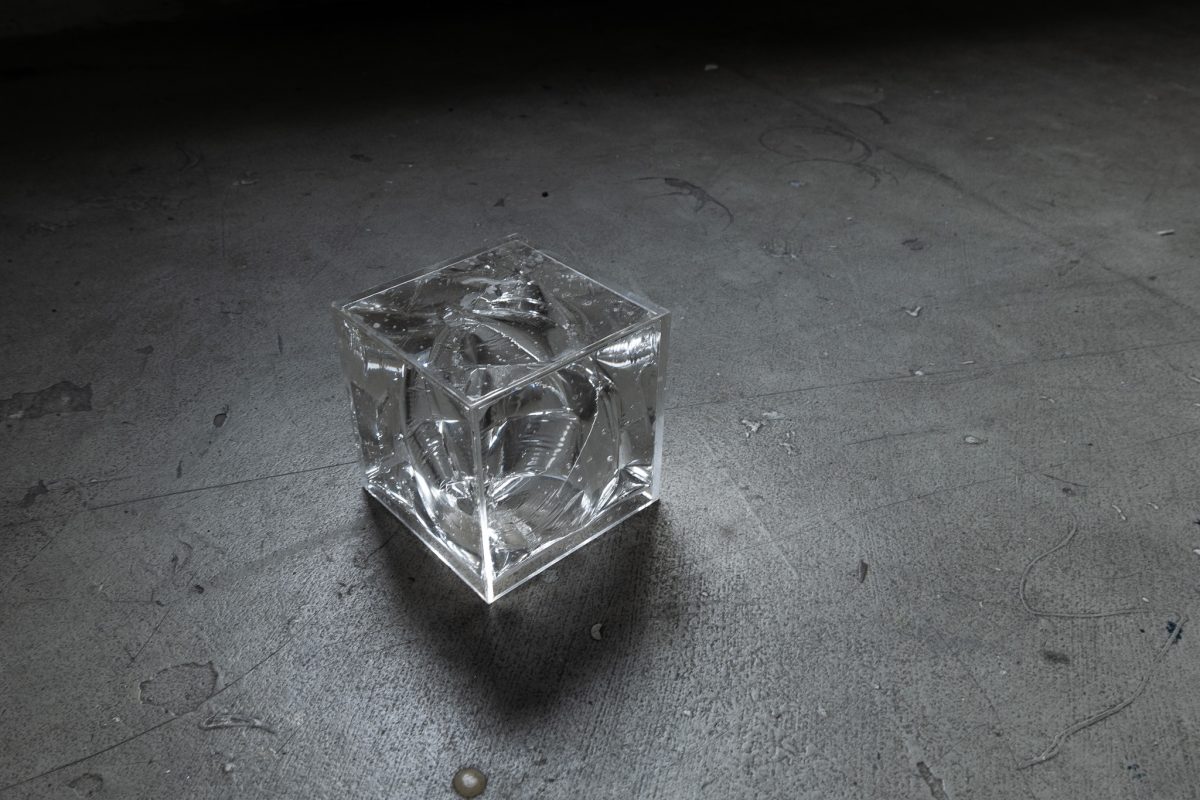
Another idea is the substrate, which has appeared visually in different ways. This piece might be a good representation of that – when you have absence, you can see the substrate; the outside, the exteriority, and this contoured edge becomes visible. The subject is already elsewhere. To me, that isn’t about emptiness; it feels very full. It’s about distance, a felt absence, which becomes an honest condition.
Can you please elaborate on your sense of distance?
Simone Weil said something like we should love the distance between us and the people that we love, because between those who don’t love each other, there is no distance. I don’t see distance as a finality, or closure. You remain open with something, with someone; it’s unresolvable. If you can say with certainty that you have complete understanding, without distance, that feels like a much more closed-off place, finished. There is more to learn by staying with it, I think; it feels more honest, and more loving. What a pleasure to know and love someone while knowing you can never make full contact because of the ways you both remain in motion. Perception, projection, motion – these things preclude that possibility, knowing something or someone exactly; it’s not possible. You’re in motion; another person’s in motion. Encountering people through projection, through this – Janet Malcolm calls it a dense thicket of absent others. I think it’s just a closer pursuit of relation and truth with someone or something, beginning with the affordances of distance, or of mutual opacity.
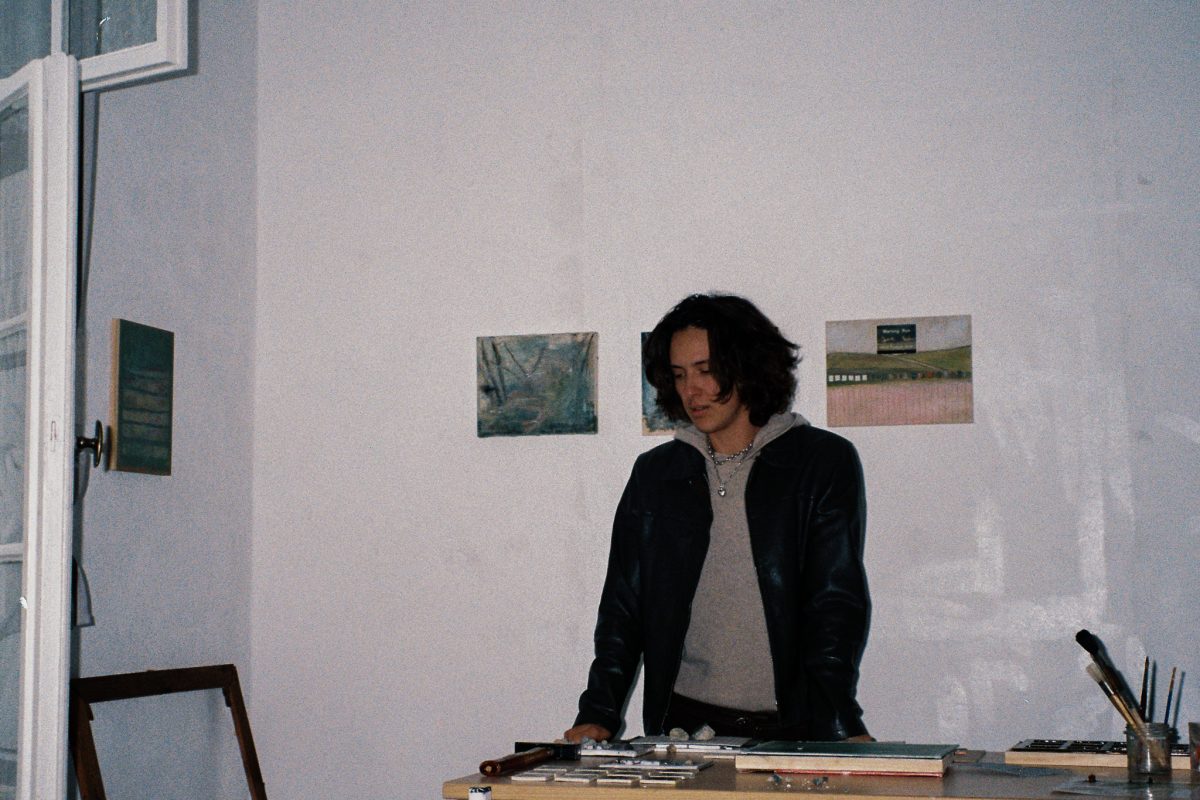
Interviewer // Veronika Laczai
Photos // Laura Bikulčytė