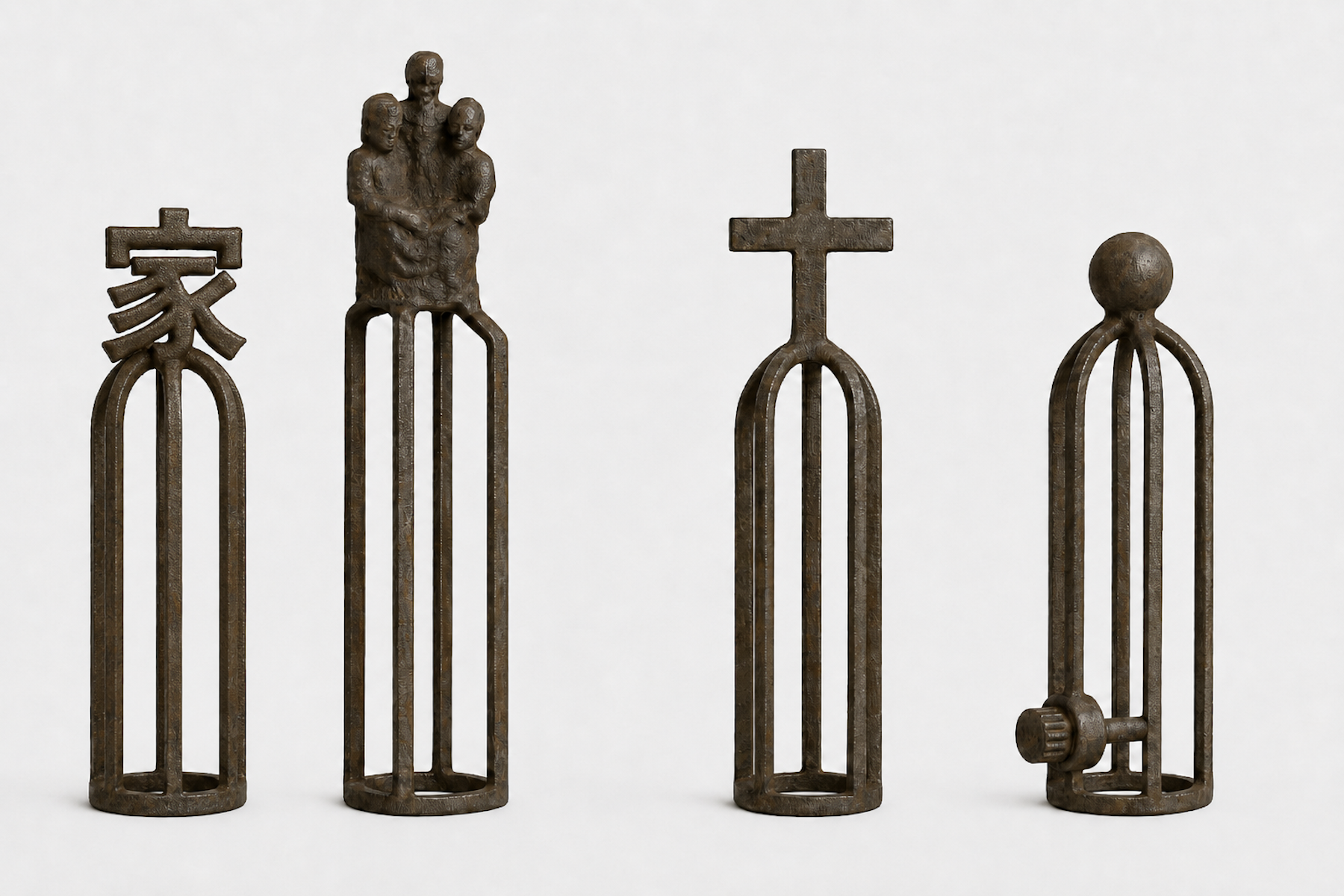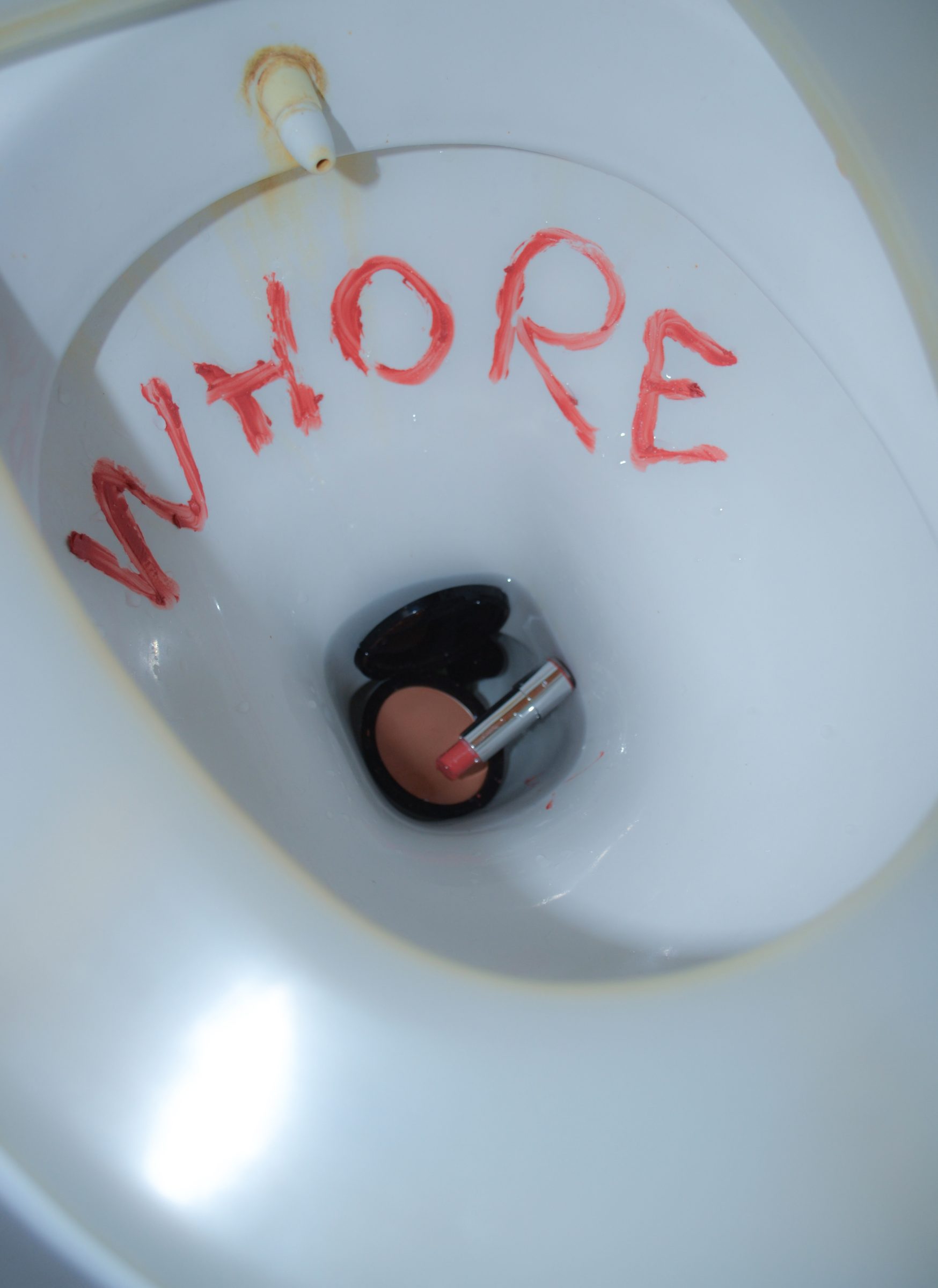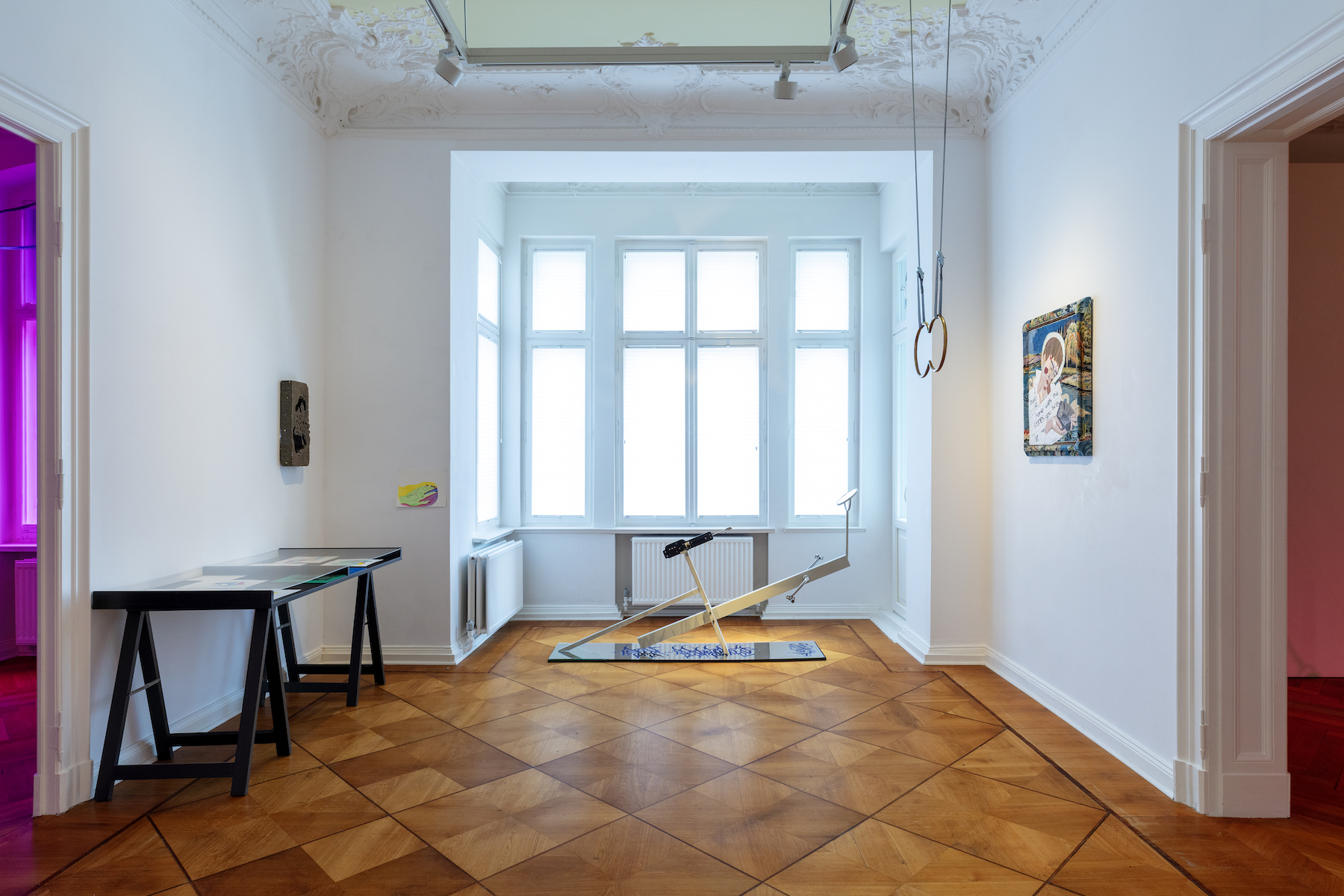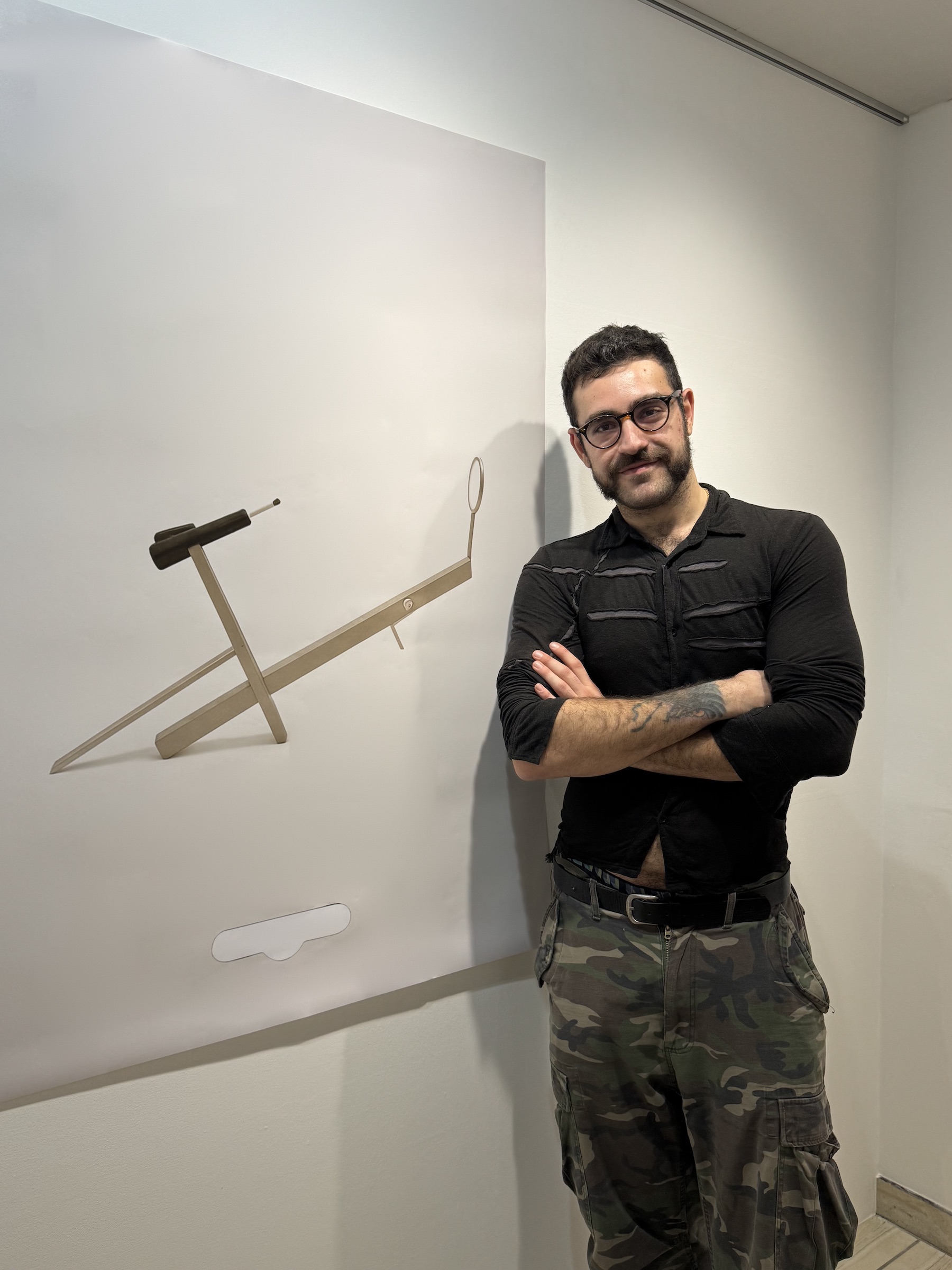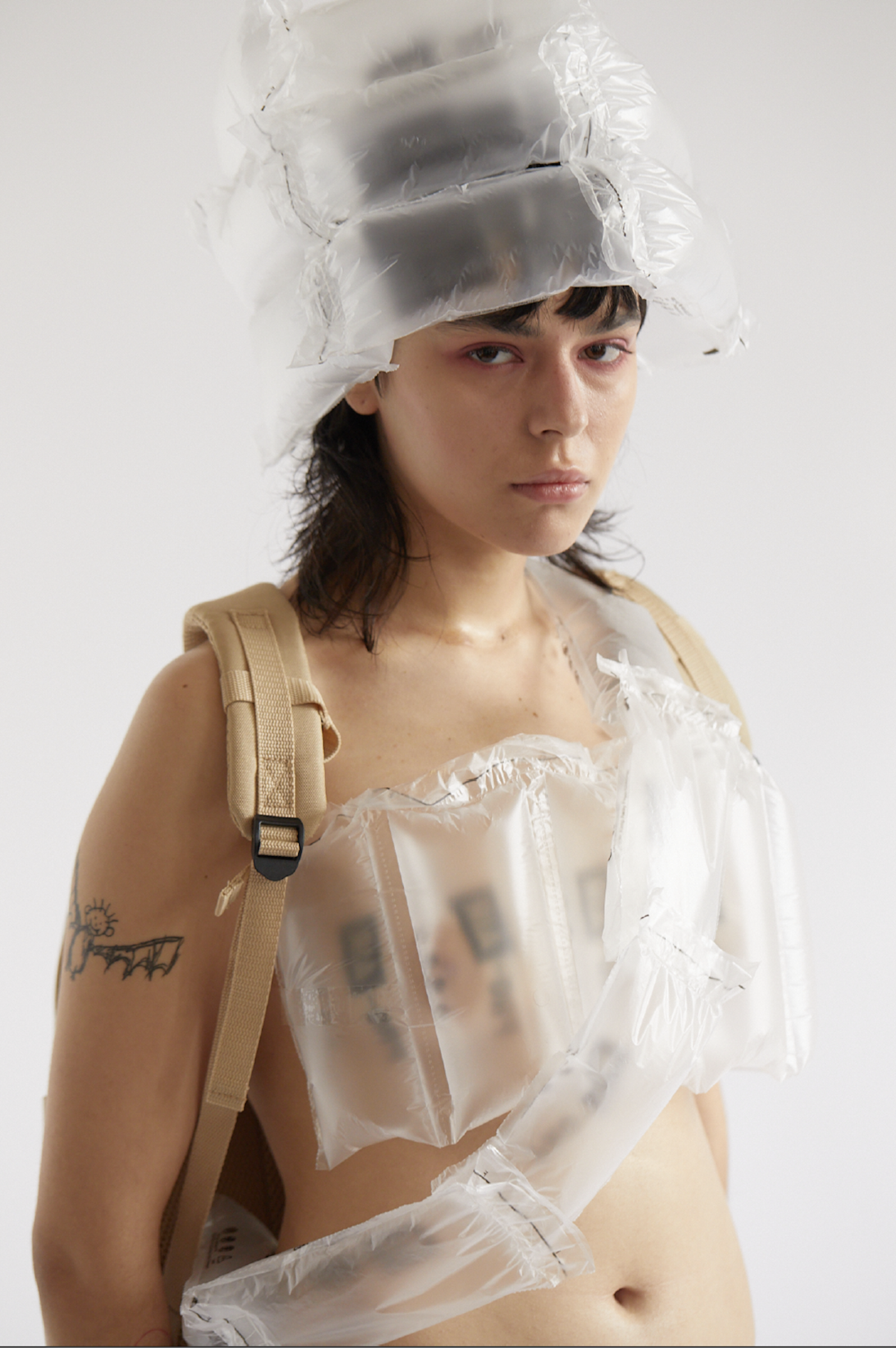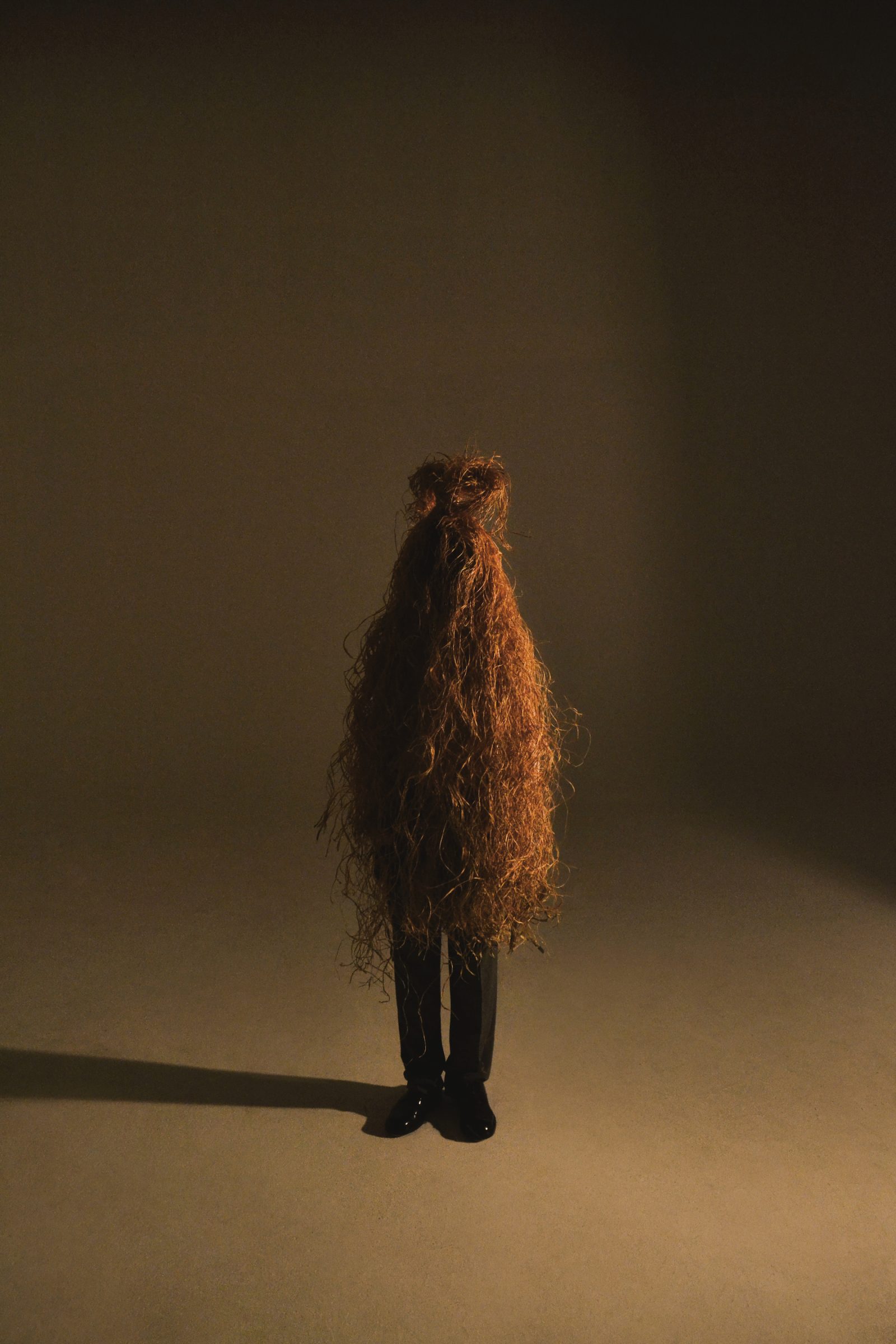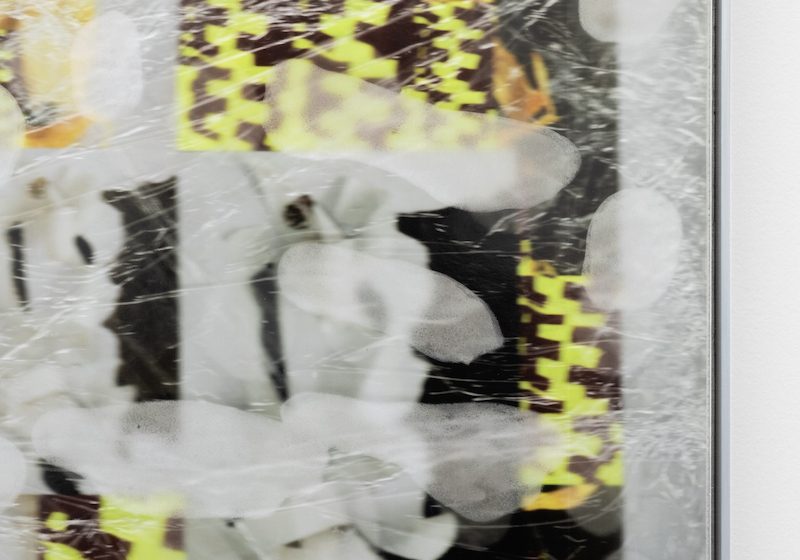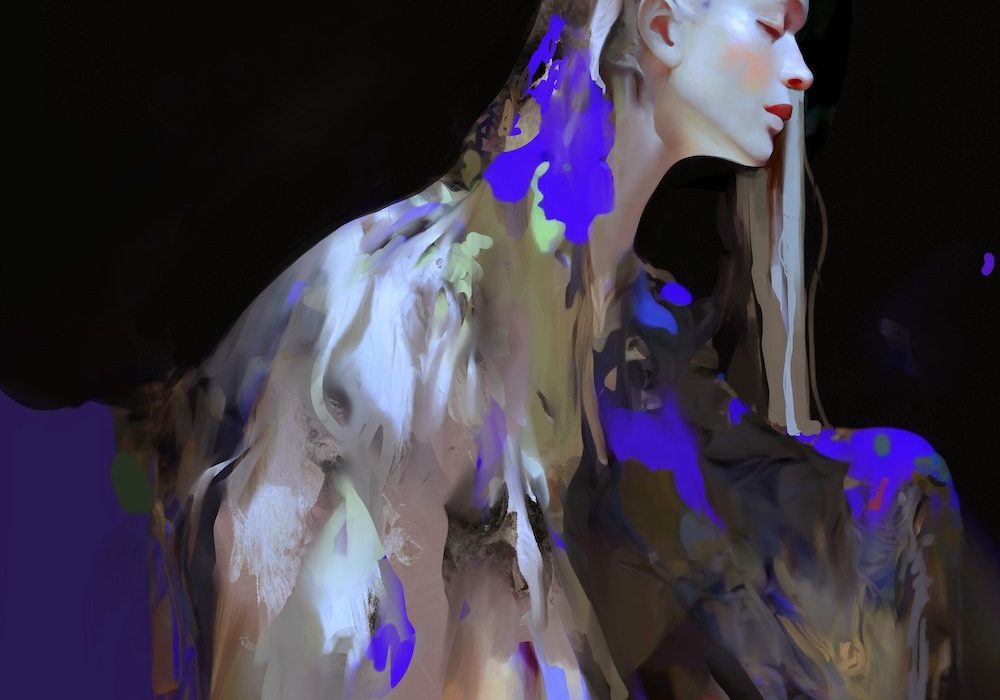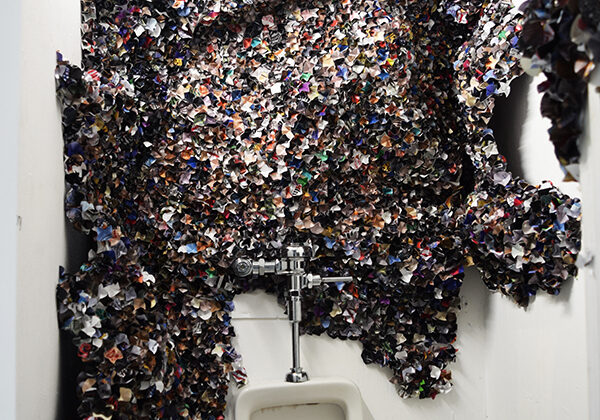
Berk Akkaya’s work examines systems of power and the forms of oppression that shape everyday life. These systems can appear as social and political pressures, ecological imbalance, or more subtle forms of psychological control. The artist is drawn to structures that feel imposed, unequal, or so deeply normalized that they often remain unquestioned.
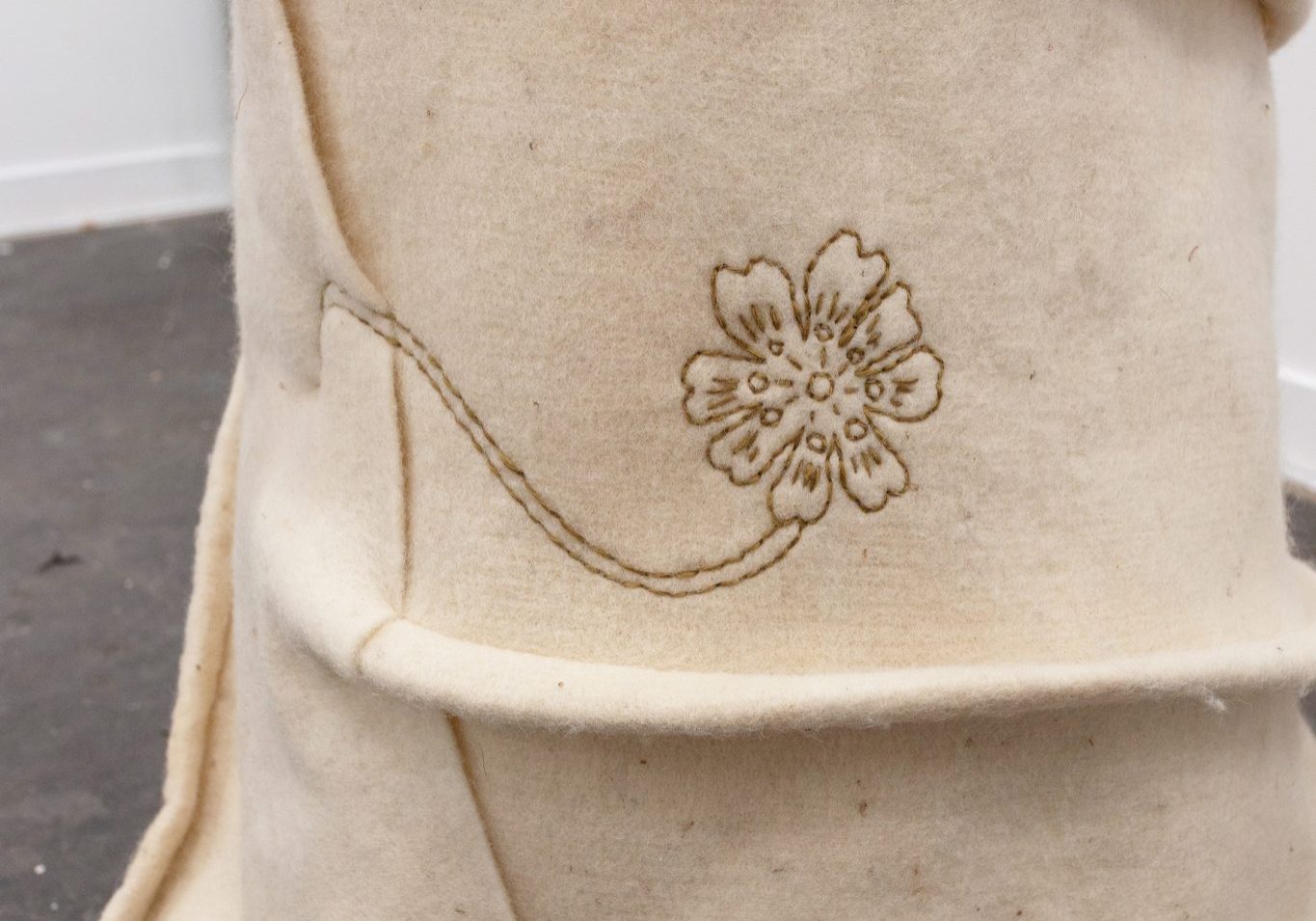
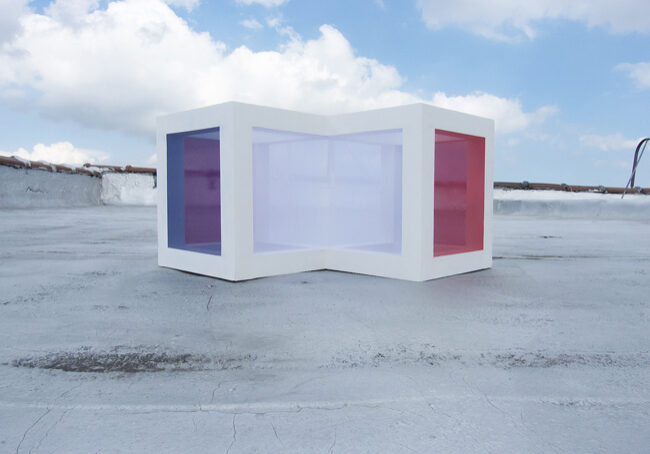
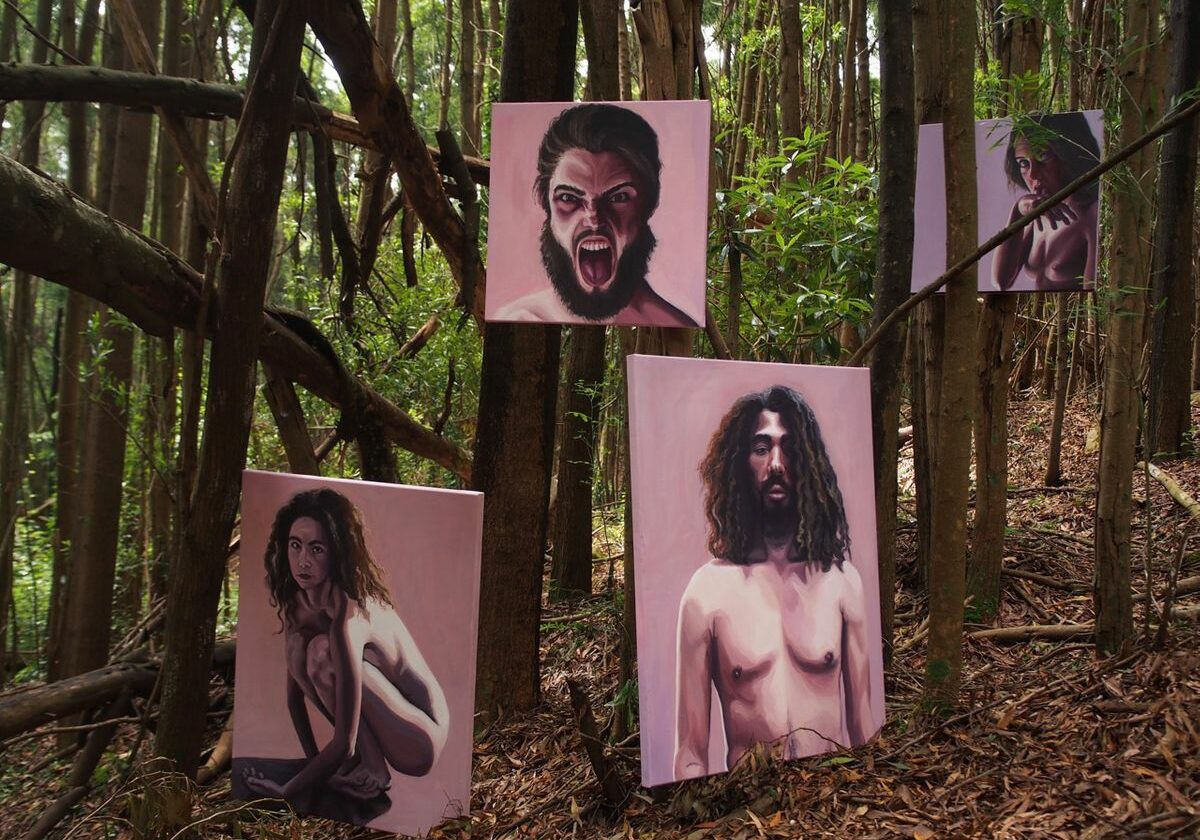
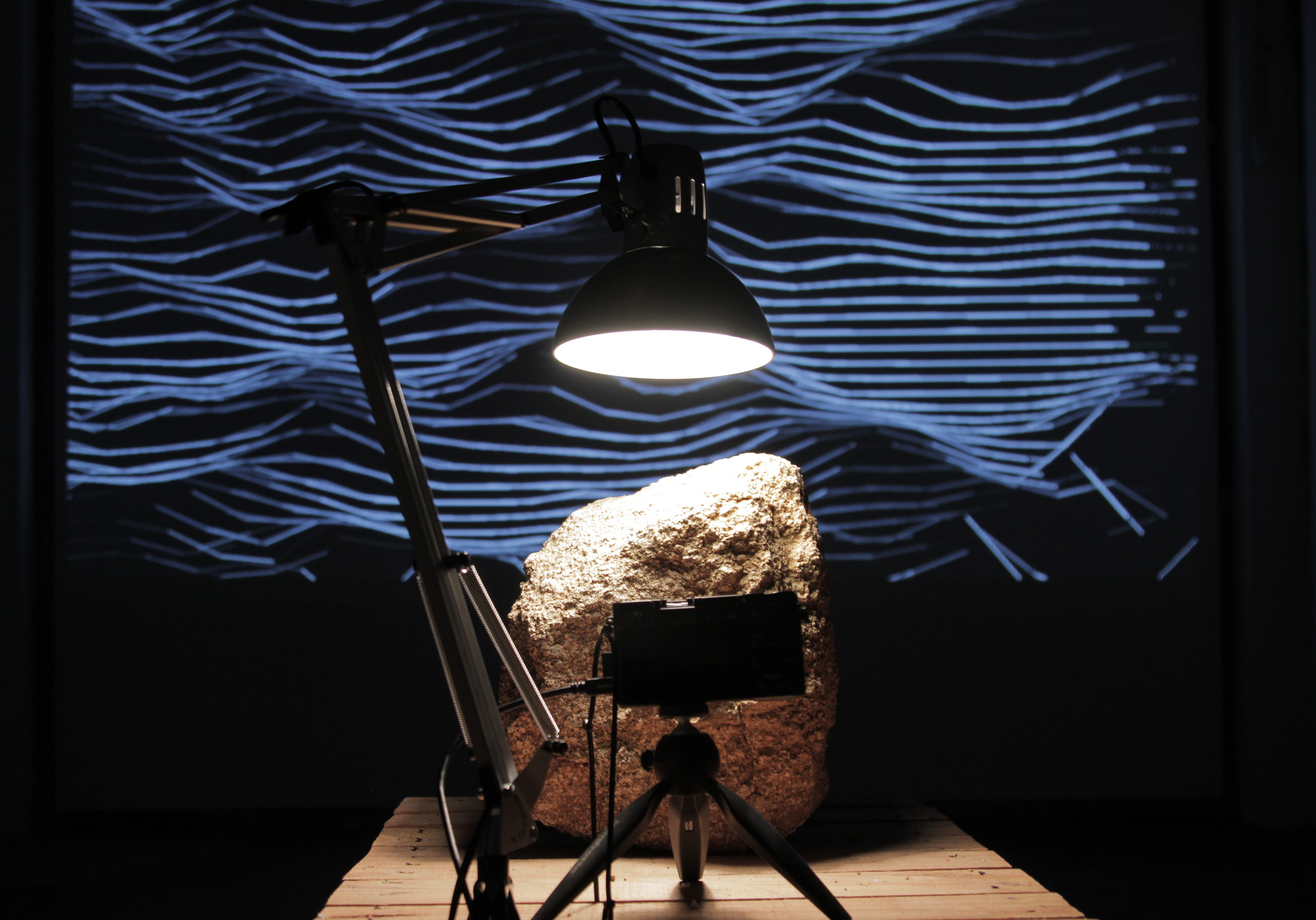
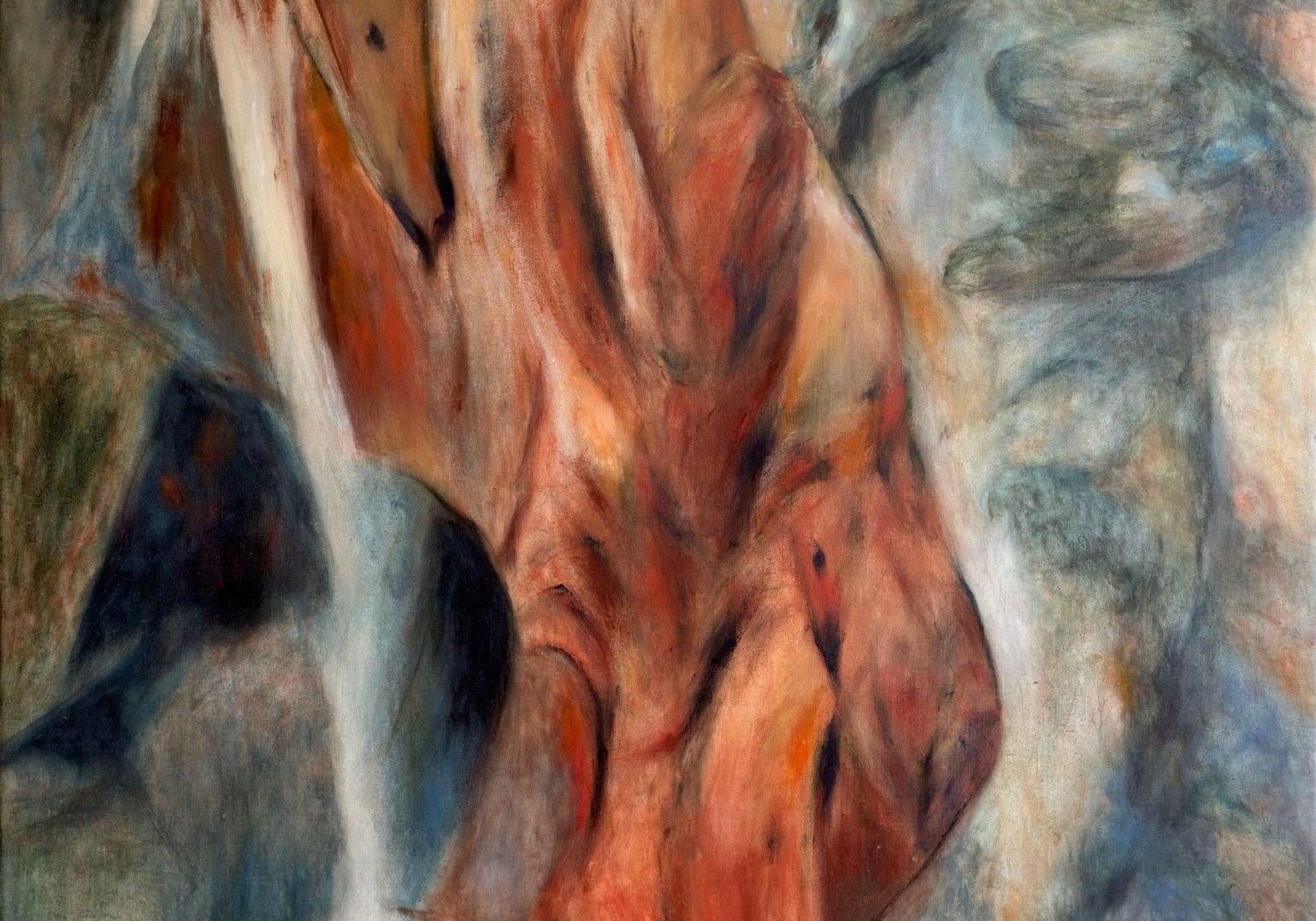
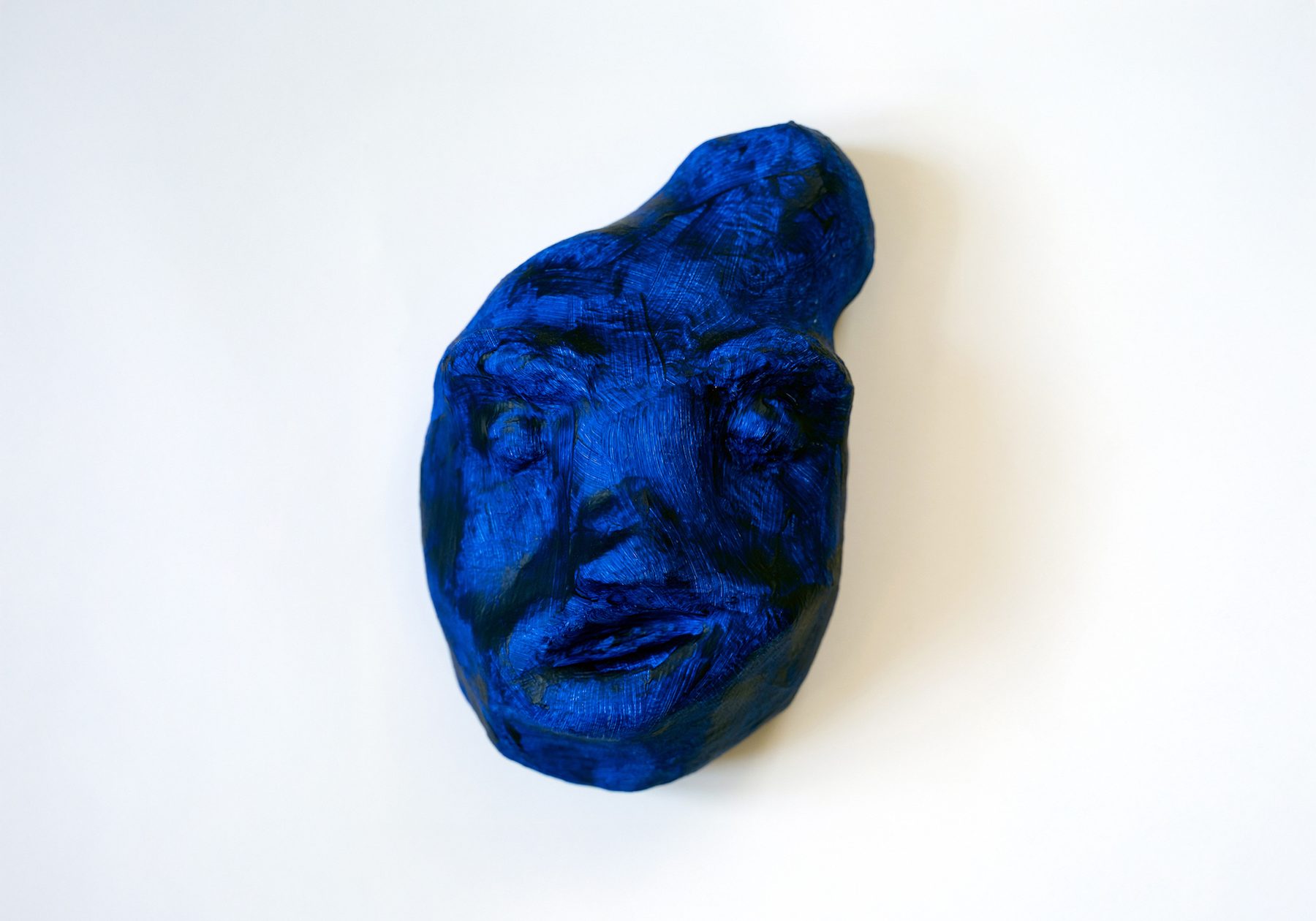
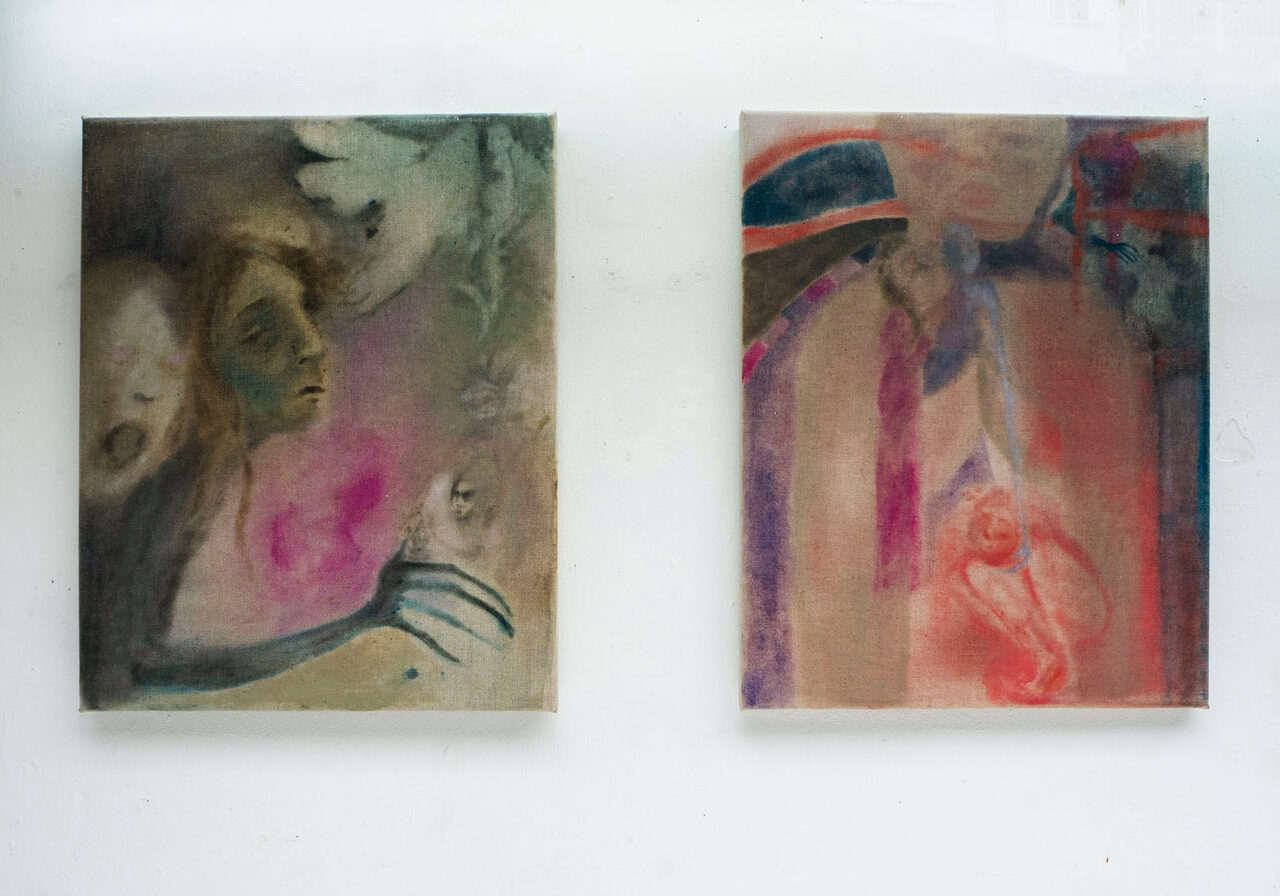
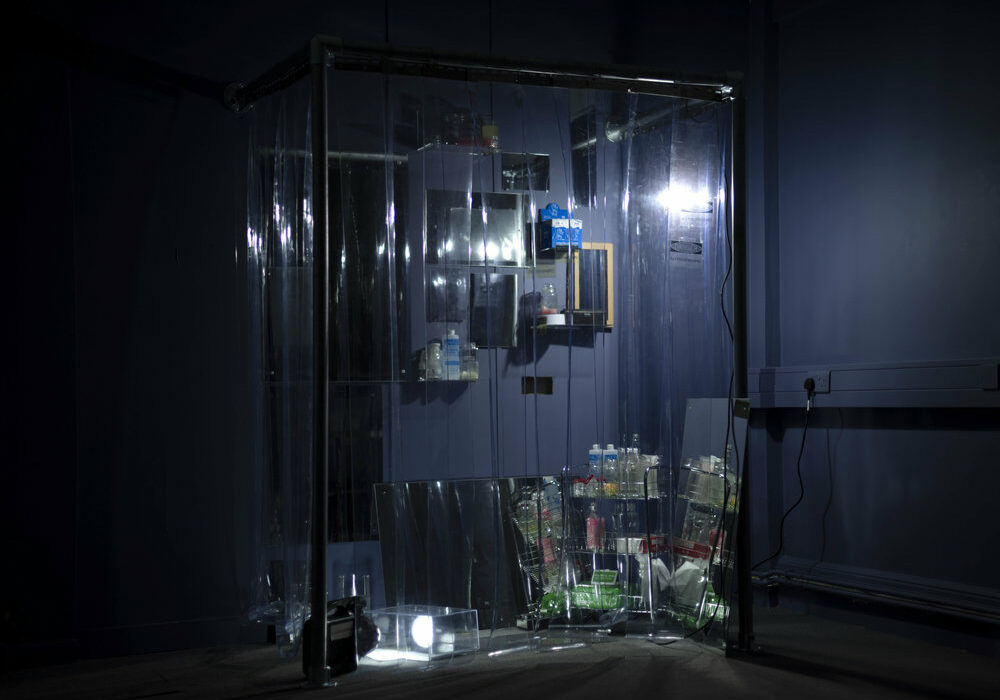
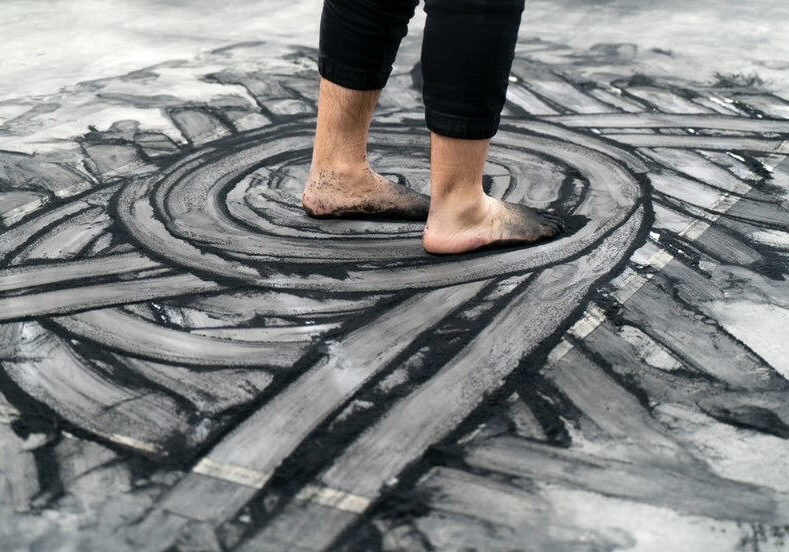
Working across sculpture, installation, and image making, Akkaya transforms these pressures into physical and emotional experiences. Rather than presenting fixed narratives or clear conclusions, his works create situations in which viewers are invited to confront their own realities. The artist is less interested in instructing an audience than in creating conditions for reflection, empathy, and personal interpretation. Through engagement with the work, viewers are encouraged to consider not only their own position within systems of power, but also the experiences of others.
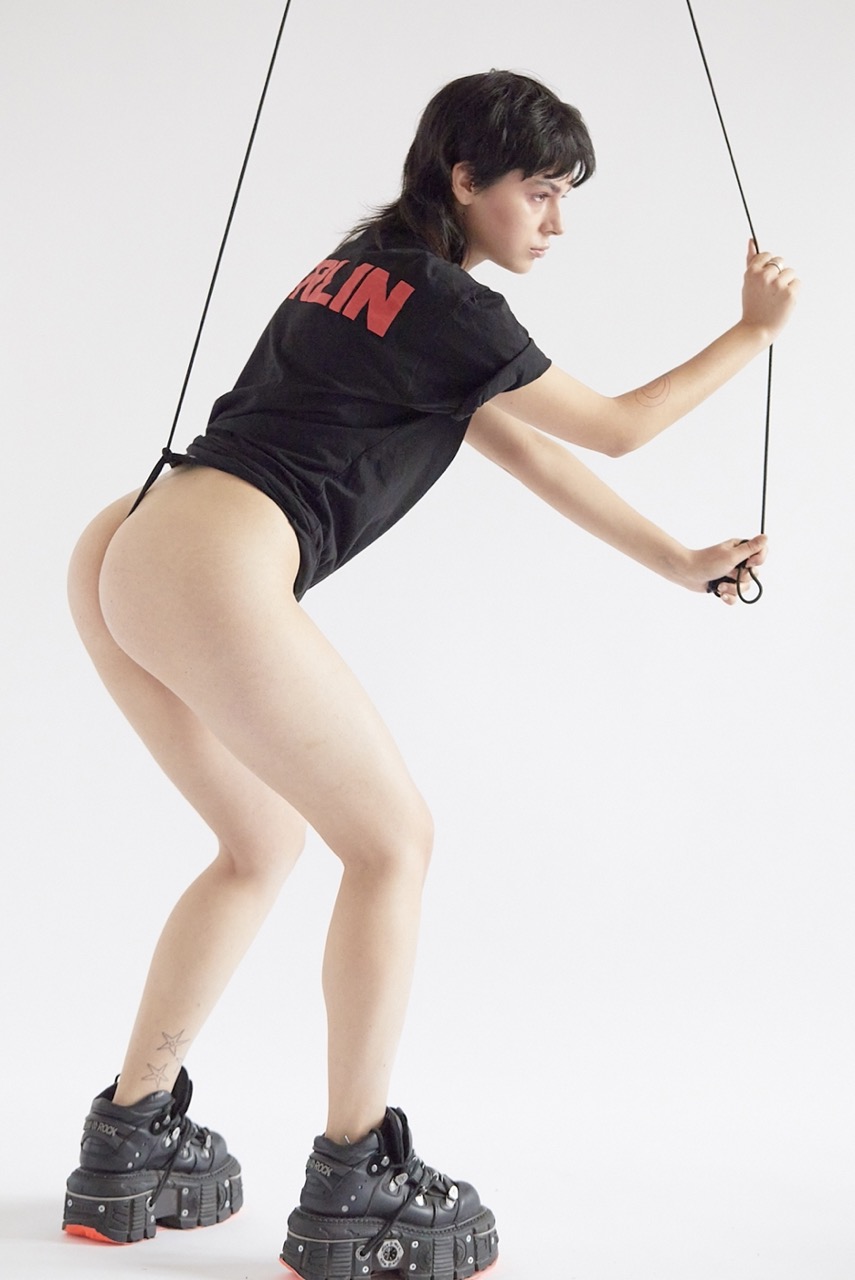
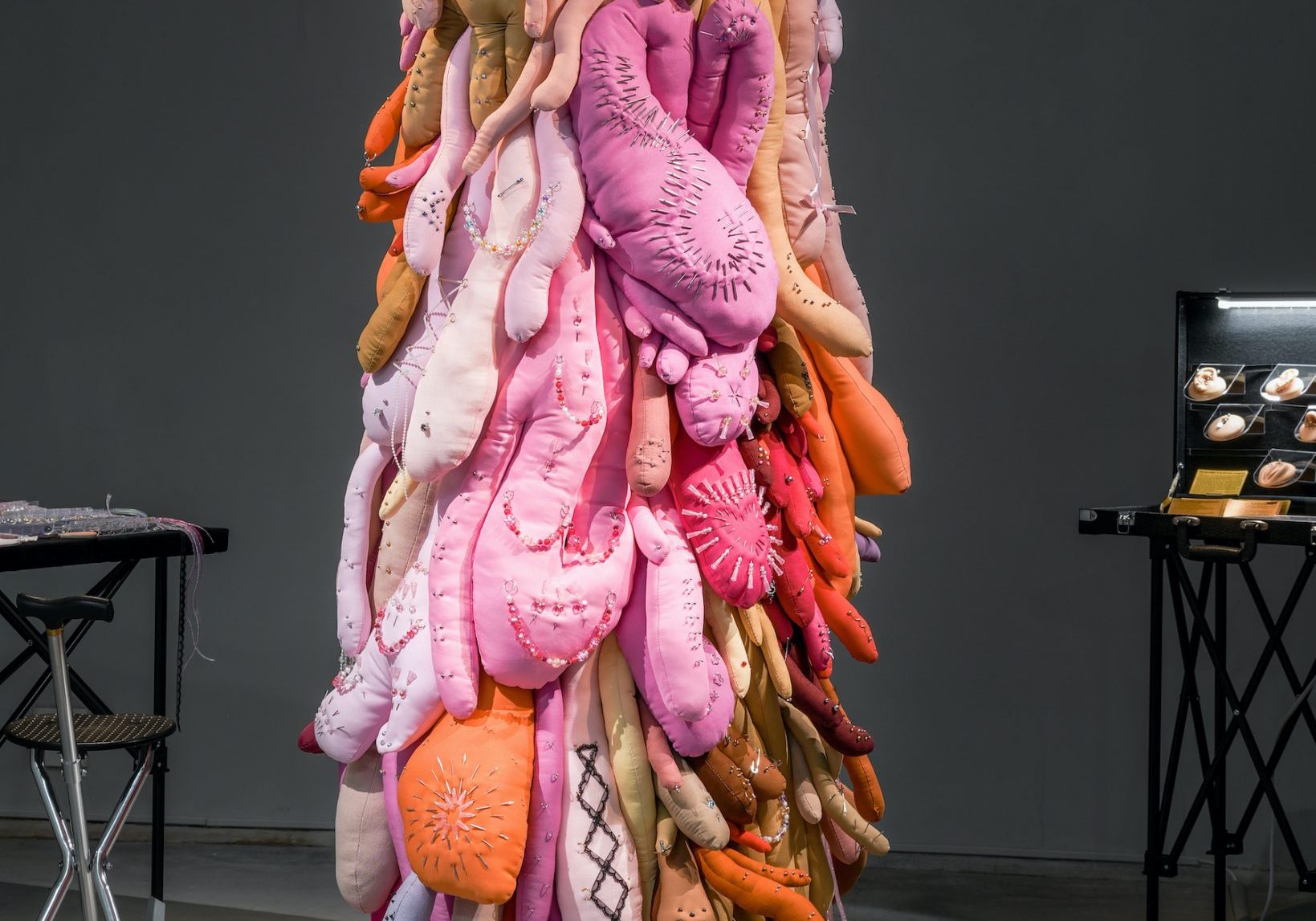
Central to Akkaya’s practice is the use of sexuality as a visual language. For him, sex is not merely a subject matter but a communicative tool through which authority, social norms, and dominant systems can be questioned. Sexual imagery is immediate, recognizable, and charged with personal and cultural associations. By employing this familiar language, the artist opens a pathway toward conversations about more fragile, complex, and often overlooked ideas such as vulnerability, intimacy, control, freedom, and collective identity.
Because every viewer carries their own experiences, desires, assumptions, and judgments regarding sexuality, each encounter with the work generates a different reading. Meaning is therefore never fixed. Instead, the artworks expand through the perspectives brought to them, accumulating new interpretations with every exhibition and every audience. As the works travel between cities and contexts, from London, Barcelona, Istanbul, and Berlin to Tokyo and beyond, they continue to evolve through their relationship with the communities that engage with them. In this way, Akkaya’s practice remains open ended, shaped as much by those who encounter the work as by the artist himself.