Meet the On-line Artist // Meredith Toyama
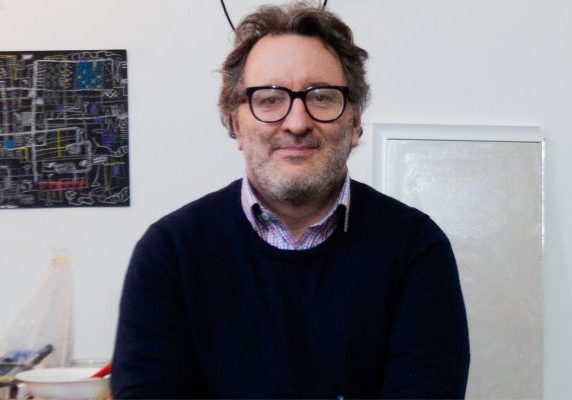
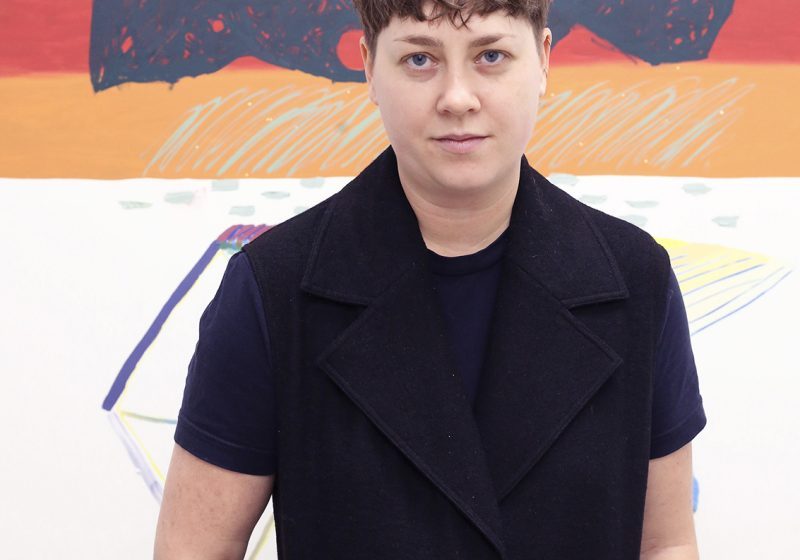
Influenced by their childhood spent in Asia, Europe, and the Middle East, Meredith Toyama is interested in exploring how we exist in relation to others and the relationship between the mind and body.
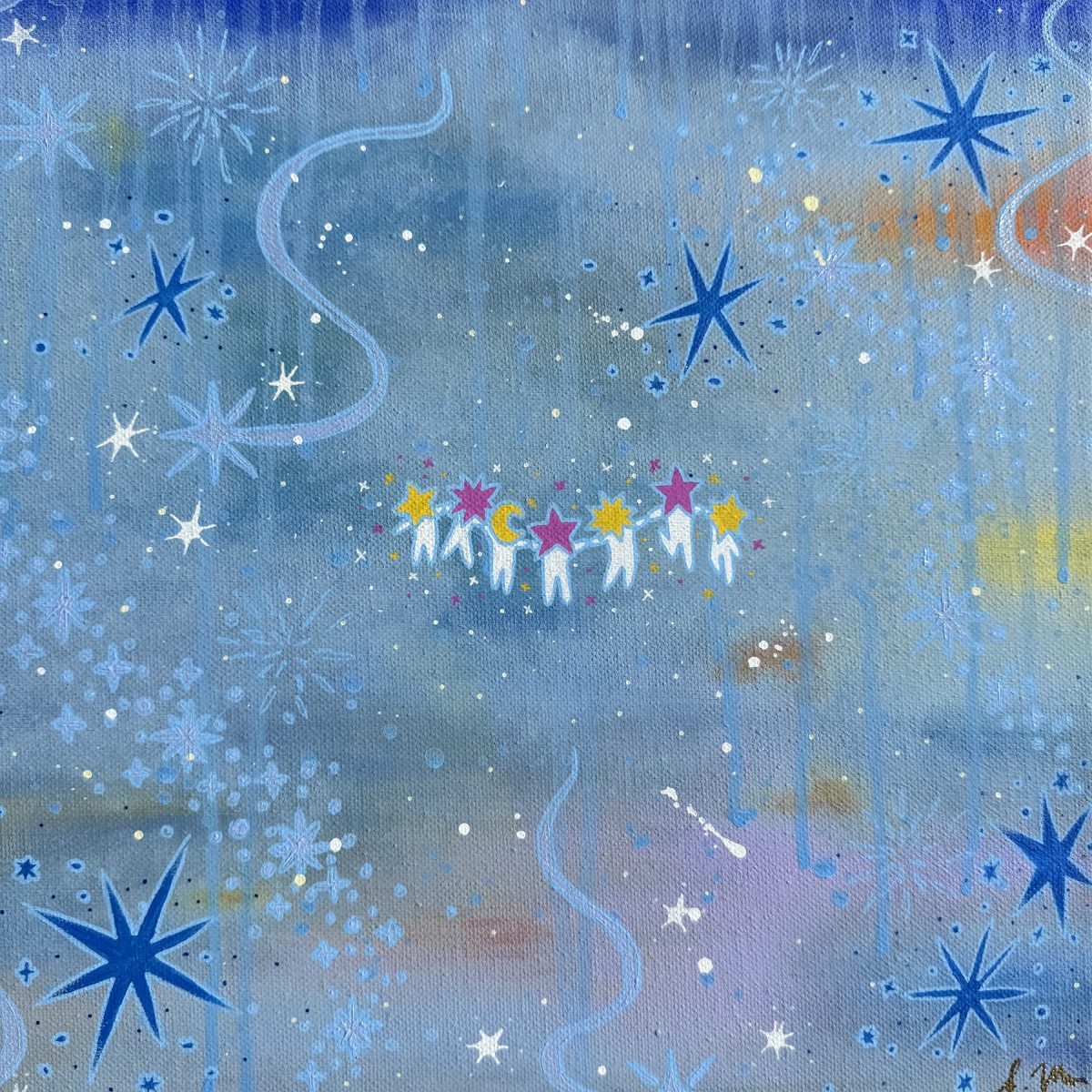
With their primary medium of expression being painting and drawing, Toyama’s practice seeks to externalise their internal world, showcasing how one perceives and expresses their thoughts, as well as how we share space and emotions.
Can you tell us about yourself and give a quick overview of your background?
I am an emerging visual artist from Japan and Thailand, currently based in Bangkok. I graduated from the University of New South Wales with a degree in Fine Arts, specialising in painting and moving image. I spent my childhood living in Asia, Europe, and the Middle East. This shaped my interest in interpersonal relationships, as well as different cultures and languages.
How would you describe your artistic practice?
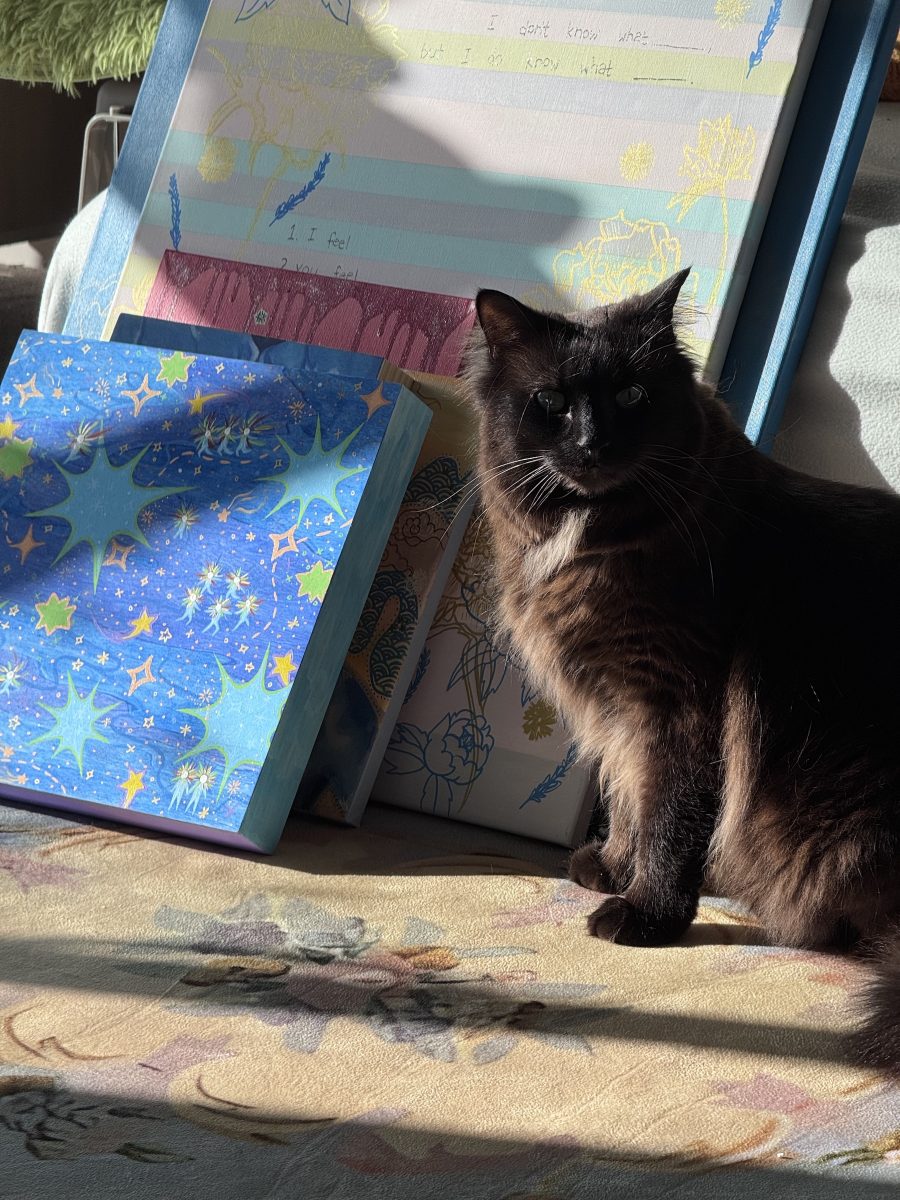
My work presents itself in the form of life lessons, observations of the self, and reflections of our relationship with others. In hindsight, there is a simple reason for my fascination with exploring how we exist in relation to others, and the relationship between the mind and body: masking. I was able to connect the dots during this residency, despite having my ADHD diagnosis for a couple of years now. It all makes sense. Little me found coping strategies and hyperfixated on them. I am looking forward to how my practice will expand through this revelation.
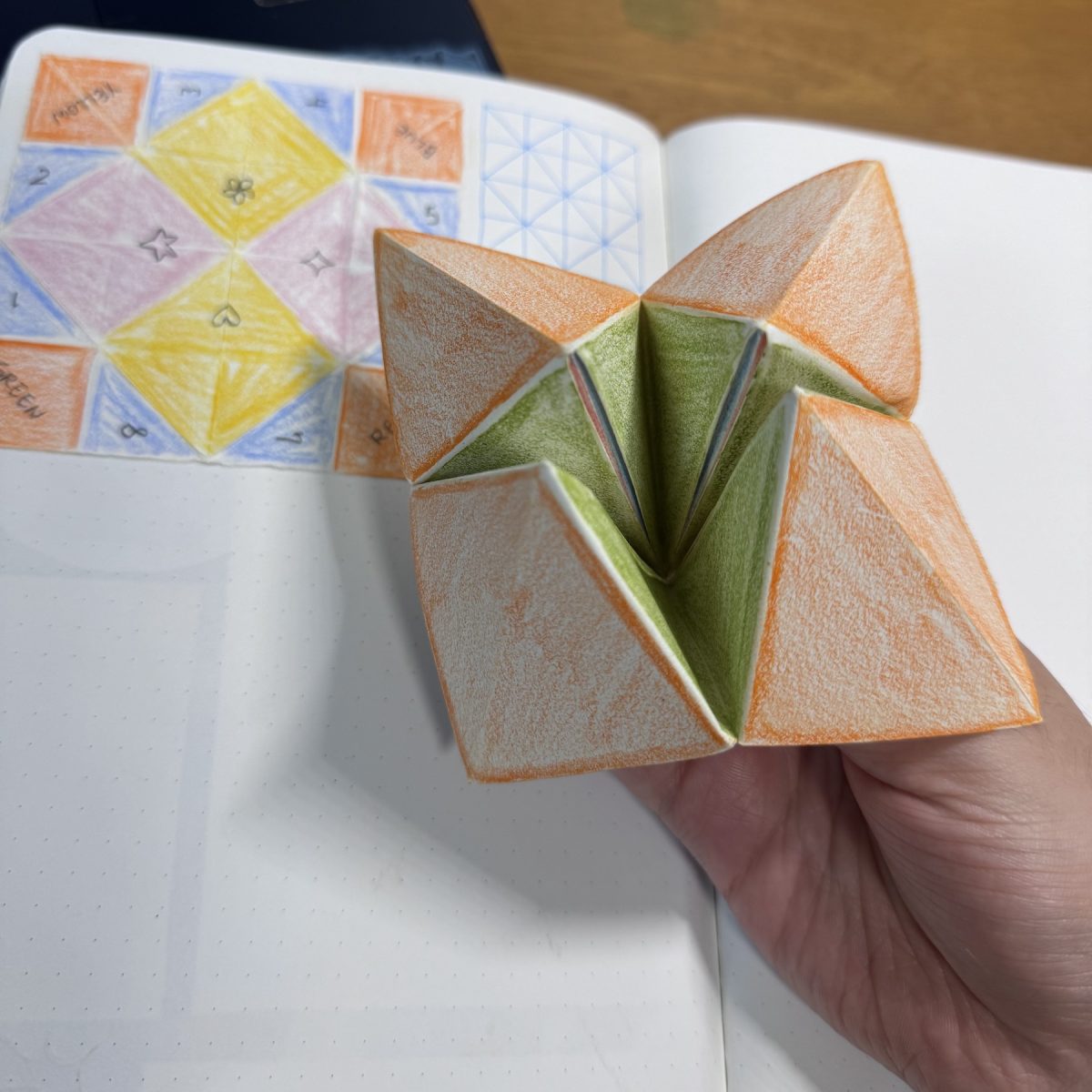
My primary mediums of expression are painting and drawing, however I incorporate crafts such as embroidery and collage depending on the project. I enjoy working on paper the most. I grew up folding origami and collecting various washi papers for their colours and texture. It’s perhaps what is most familiar and comforting. Letting my working surfaces’ imperfections and textures shine through in my works feels greatly sentimental to me.
My work tends to be on a smaller scale, often within an A4 size. It feels more intimate but I also enjoy including small details in my pieces. More often than not I make art because I have emotions and thoughts that need a place to overflow into. Holding onto them makes me overthink and ruminate. So smaller scales are less daunting and more practical to create what feels like a complete timestamp of myself during that particular headspace.
As a person, I strive to be the kind of adult I wanted and needed as a child. From warm comfort and gentleness to pain and anguish. Face-to-face tangible bonds to the digital. Small everyday moments to large life-altering moments. I want to experience and remember every moment of that journey. By documenting these moments, my goal is to encourage further understanding of ourselves and remind visitors of the larger world of emotions that we all engage in.
What is your methodology or process for creating a new project?
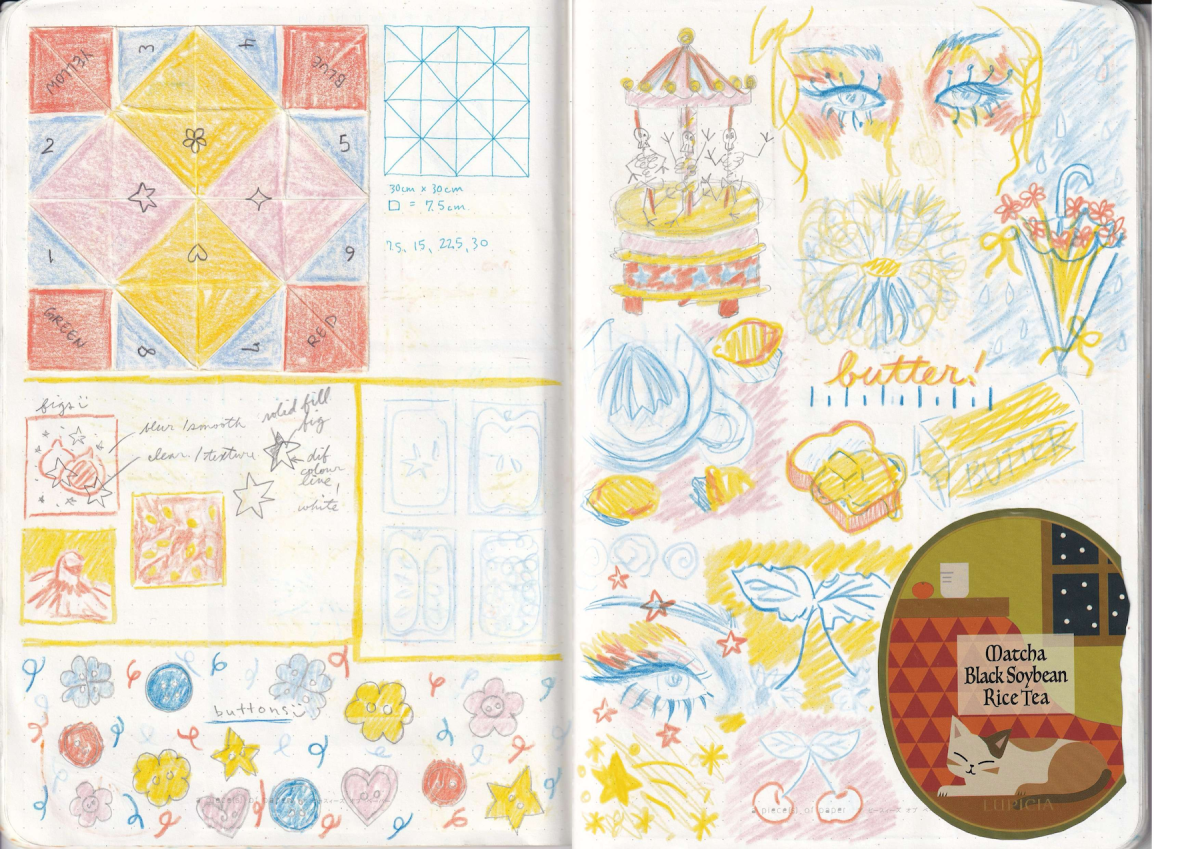
Since my practice is heavily driven by process over outcome, I let materials or objects I collect and find guide me. Therefore I don’t have a set formula, but below are some recurring things I use as a jumping off point.
One method of working I have is repetition. Whether it be repeating the same movements to build layers, or creating different iterations of the same object. Having a pattern allows me to return to a state of peace when my mind is full of clutter. Keeping my hands moving distracts me from getting too much into my own head. It’s almost a meditative process, and helps me untangle my thoughts. Whatever movement I discover during this process informs the final product.
When I am able to articulate my thoughts, I write. It doesn’t have to be polished, and no one has to see it so it’s safe. I let everything sit in my book so I don’t have to carry the weight around. Sometimes a phrase pops out of the page that I really like, and I incorporate it into the final artwork. It’s a snippet of something that is only for my eyes that I hope will resonate with someone else.
Sometimes I see or smell something that reminds me of a specific memory or person. I can’t get it out of my head until I do something about it. Other times there’s a topic I hyperfixate on that I want to make something about. Occasionally there would be a specific colour or material that I’m really excited to use and play with. Sometimes there’s a space on my wall that I want to fill and it’s a very specific shape or size. Overall, being creative keeps me grounded, and I let anything happening in my life kickstart my process.
Tell us about the project you are working during your online residency at
GlogauAIR.
My project started with the concept of memory being attached to objects, and how multiple forms of connection can stem from them. I examined the connection someone could feel with an object, the emotions surrounding them, and how bonds can be created with others through their memories. I was inspired by family heirlooms and the stories they hold, and how a seemingly insignificant item or symbol can evoke an emotion.
Since I had recently relocated from Sydney to Bangkok, I had the opportunity to go through the attic at my grandparents’ house. I hadn’t been at home since I was a teenager so I was able to examine everything with a new lens. I stumbled across things that reminded me of my paternal grandmother who passed almost exactly a year ago.
I journal about how sometimes I view my life like one large painting. I know how to add the colour, but I need people in my life like my grandmother to add texture. During the residency I experimented a lot with materials and their attributes. I started by archiving objects and photographs I found with my scanner. I mourned my grandmother a year ago, and now I am looking at ways to preserve the memory of her from my perspective. I have regrets about not knowing her entire life, and who she might have been when she was my age. But the version of her that existed when I was a child is mine. I wanted to document that before time distorts her memories again.
My practice so far has focused on how we connect in relation to others, and expressing my internal world externally. Through this residency I was able to lean my focus on connection through memory and nostalgia. While we may not be able to understand the full depth behind an individual’s emotional reaction, the feeling itself can be shared. It’s intimate, vulnerable, and honest.