Meet the On-line Artist // Karl von Orb
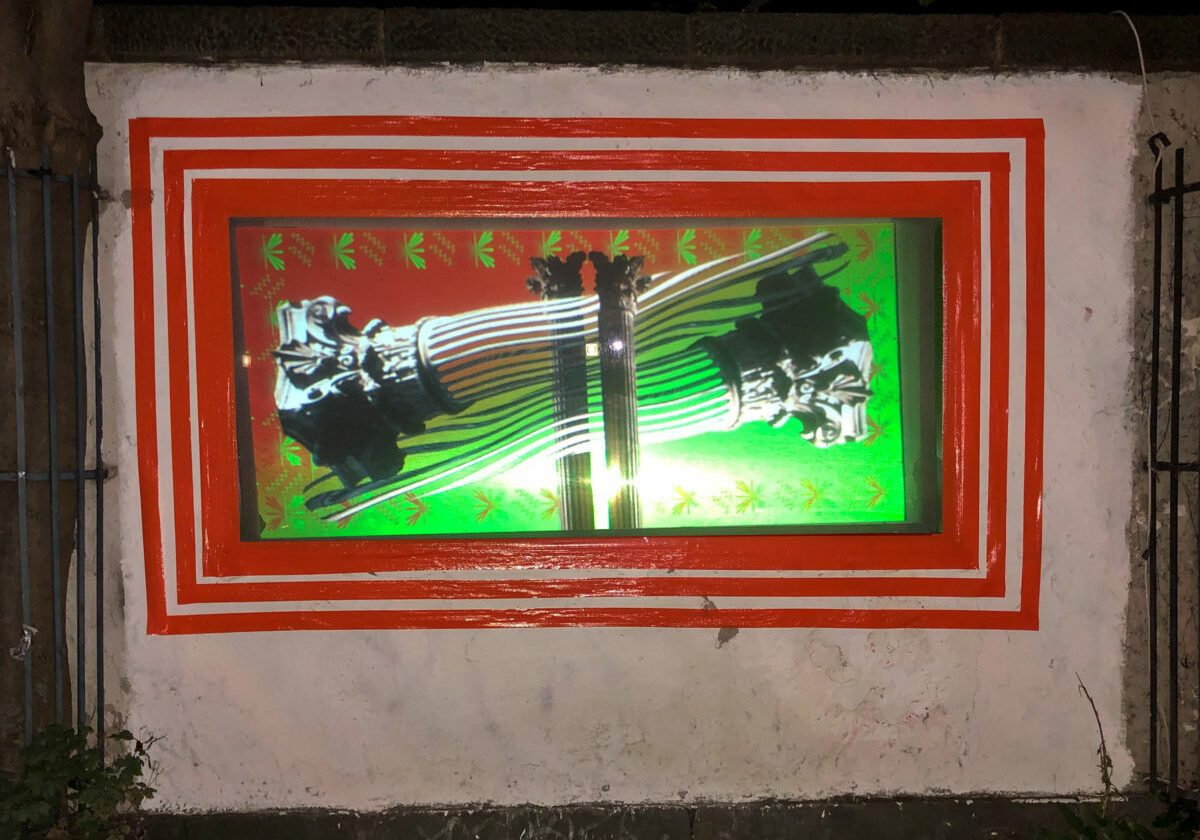
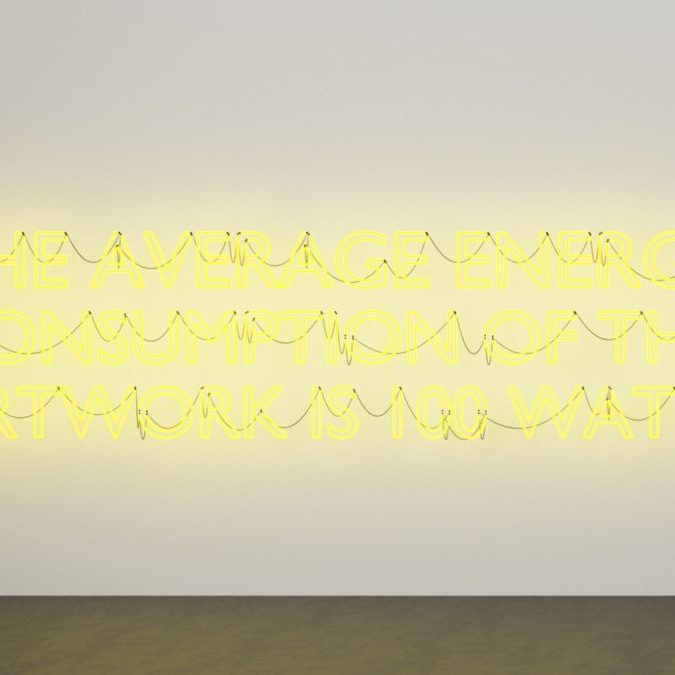
Karl works with object-based constellations drawn from everyday systems, creating subtle displacements that destabilize familiar functions. Through repetition and minimal shifts, the work reveals tension, latent absurdity, and moments where structures lose their apparent stability while remaining intact. The practice engages space as an active element, emphasizing the provisional nature of order and coherence.
Can you tell us a little bit about yourself? Specifically, we’d love to know about your background
I’m Karl von Orb, I’m based in Berlin, and I came to art relatively late – which I think shows in the work, probably in a good way. I have a background in philosophy and German literature, and I suspect that never really leaves you. I tend to notice things that are slightly off, systems that are pretending to work, objects that have stopped meaning what they were supposed to mean. That’s more or less where everything starts.
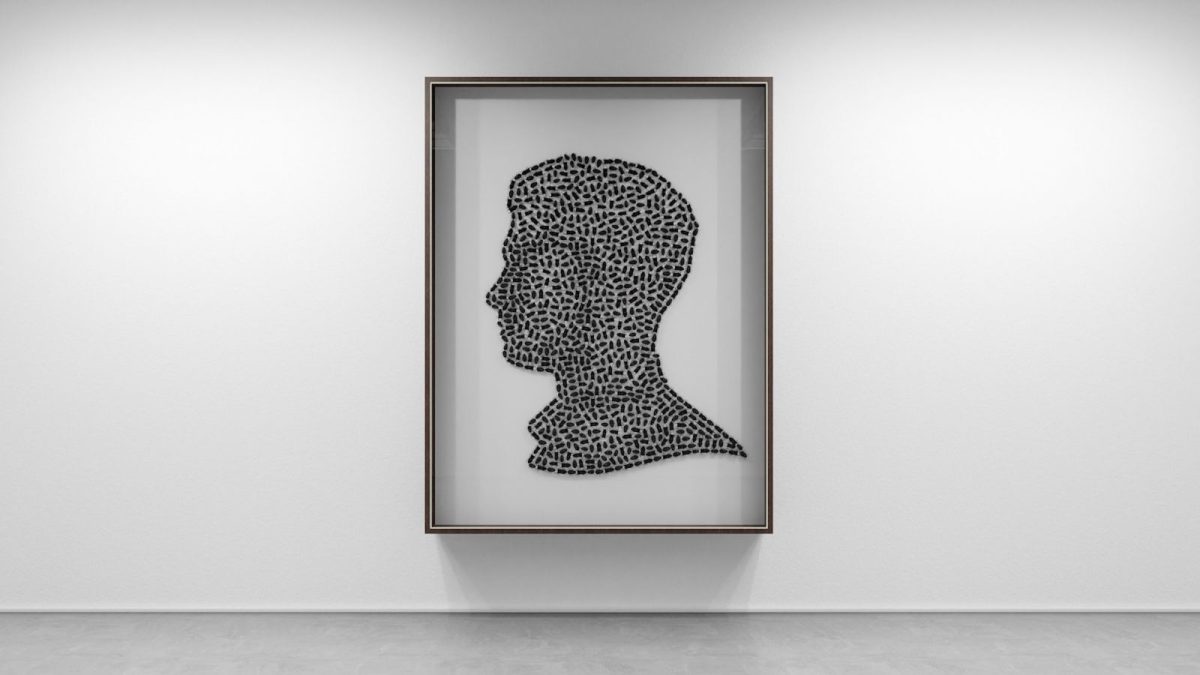
How would you describe your artistic practice?
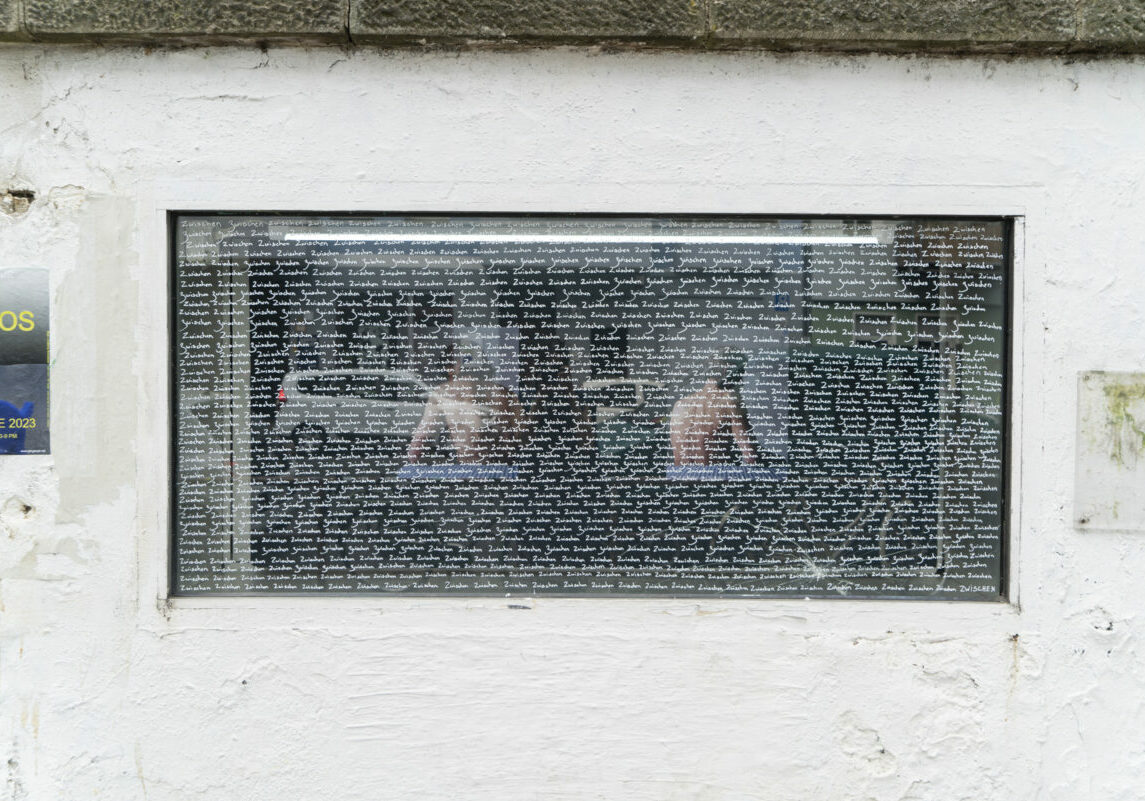
I work with displacement – very small shifts that make something familiar quietly unstable. Not broken, not dramatic, just… no longer entirely trustworthy. What interests me is the moment when something continues to function but has lost its self-evidence. There’s often humor in that, which I didn’t plan for but have learned to accept.
The ideas come from a place of discomfort, honestly. Something in the world that bothers me – an injustice, an absurdity, something that shouldn’t be the way it is. I don’t fully understand where the ideas come from, they tend to arrive when I’m not looking for them. What I can actually control is the form – finding the simplest possible shape for something, stripping it down until only the essential tension remains. That part I care about deeply.
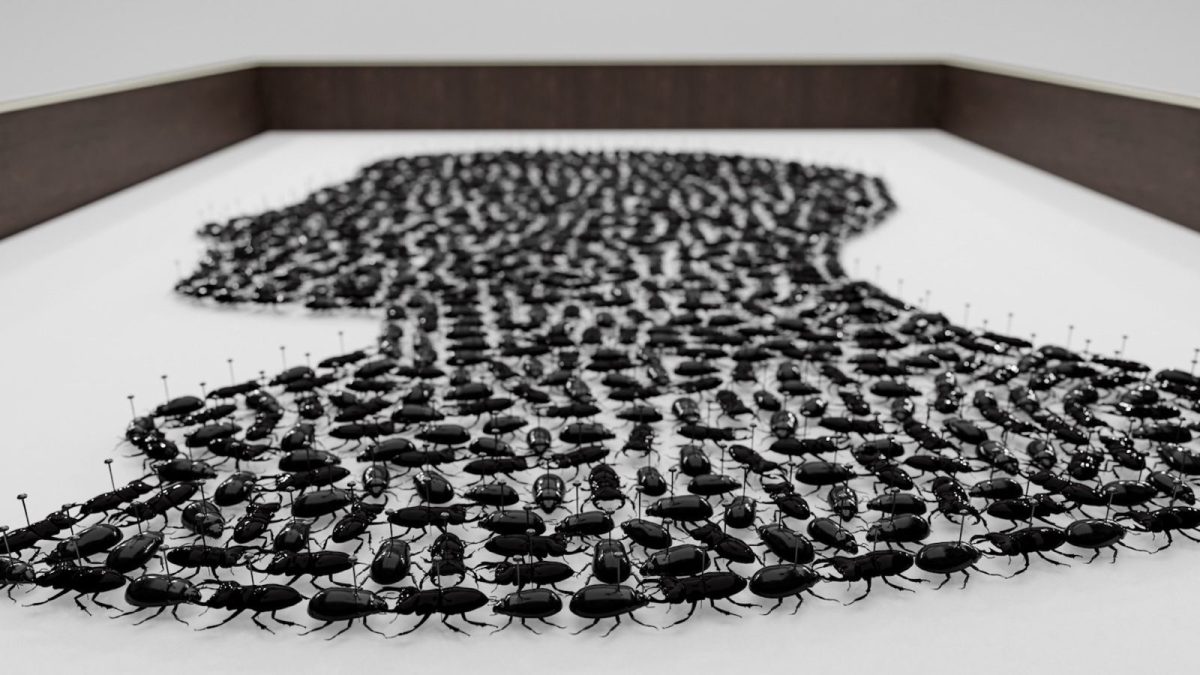
What is your methodology or process of creating a new project?
It usually starts with an irritation rather than a concept. Something I keep returning to, something that doesn’t sit right. At some point an idea surfaces – and then the real work begins, which is reduction. How do you get from an observation about the world to an object that holds that observation without explaining it?
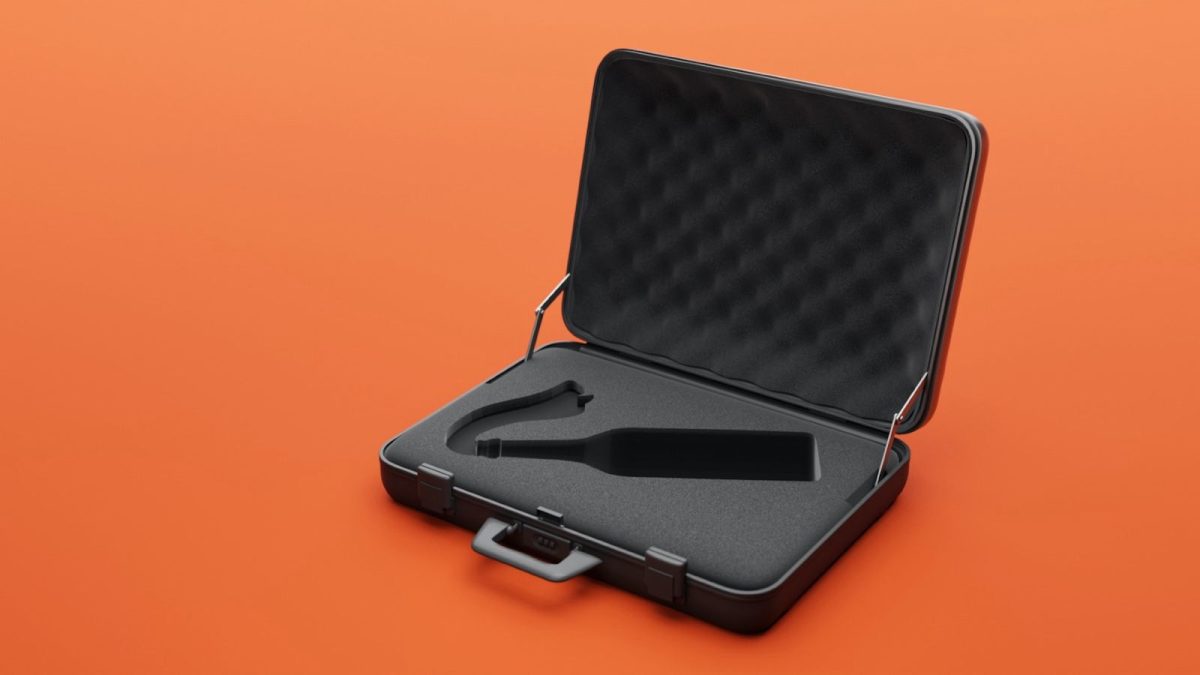
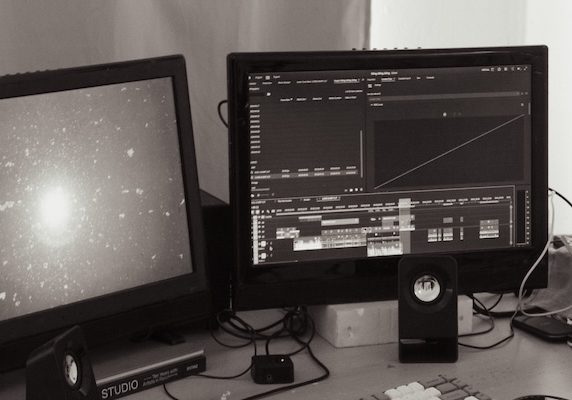
I work a lot with 3D visualizations and drawings early on, testing whether something has a form worth pursuing. And I’m quite happy to hand things over to craftspeople who know better than I do how to actually build something well. I’m not precious about making it myself – what matters is that the object ends up doing exactly what it needs to do, no more.
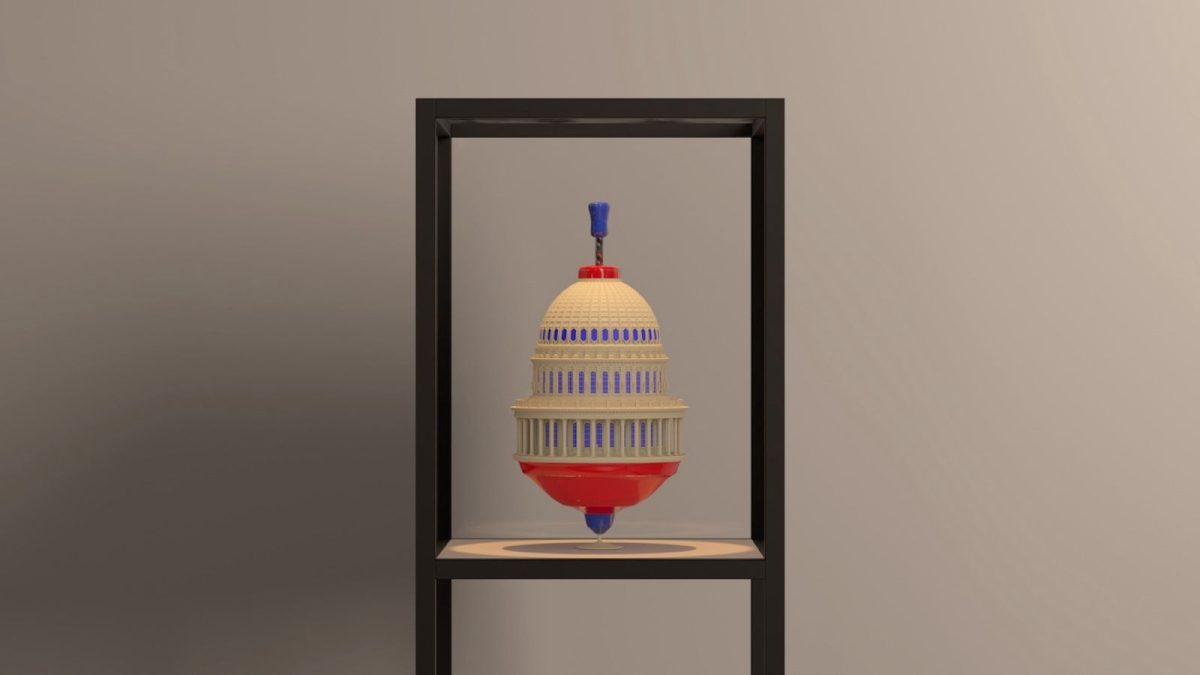
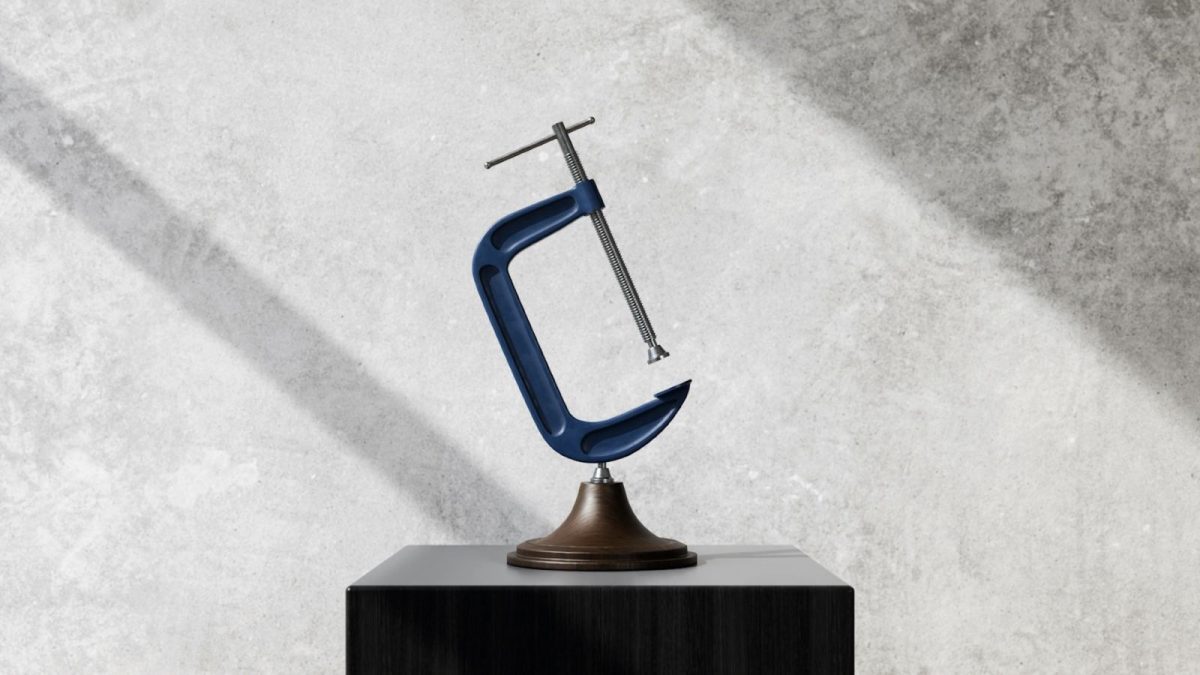
Tell us about the project you are working during your online residency at GlogauAIR?
Honestly, the residency has been less about making new things and more about learning to speak about what I already make – which turns out to be its own kind of work. A lot of what I’m doing is translating ideas into proposals, finding the language that allows a project to exist in the world beyond my desk. That process of articulation has forced me to get clearer about what actually drives the practice: this sense of the subtle shift, the minimal displacement that makes something tip. Getting that to the surface, in a form that someone else can engage with – that’s been the real project.