Meet the Artist // Panida Te Petchara
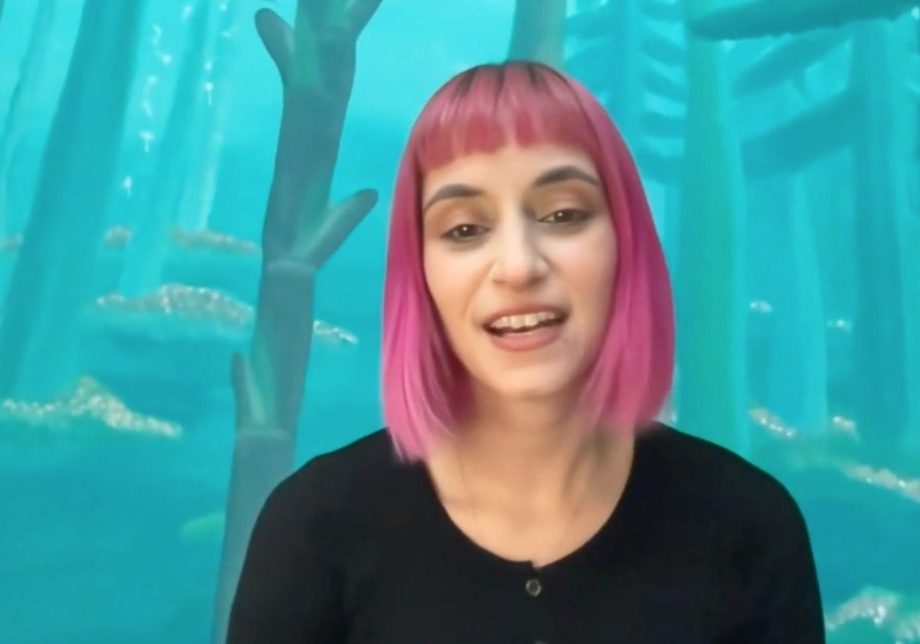
Panida Te Petchara is a Rotterdam-based artist-filmmaker who employs moving image and installation to explore the tensions of displacement and capitalism. Her relocation from Thailand to the Netherlands directly informs her study of personal memory and collective consciousness. She subverts everyday objects with humor and satire to tell stories of migration and the struggles of underrepresented communities.
Do you want to start by telling me a little bit about yourself and what you’re working on while you’re here at GlogauAIR?
I’m a visual artist working mainly with video, photography, and installation. I’m originally from Thailand, but I’ve been living in the Netherlands since 2022, when I started my master’s in lens-based media.
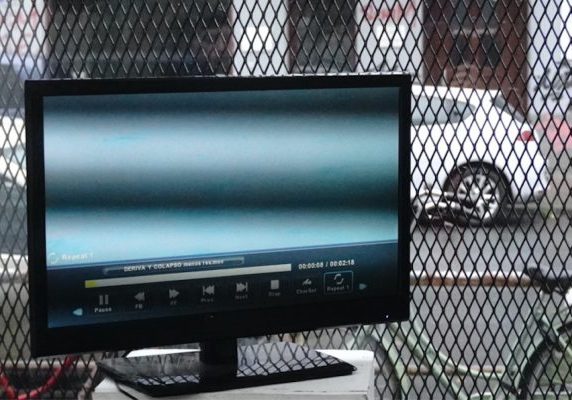
Right now, I’m working on a short experimental film called Falling, Falling, Falling.
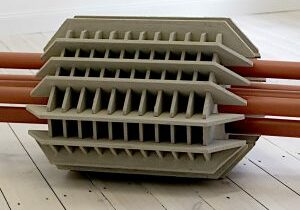
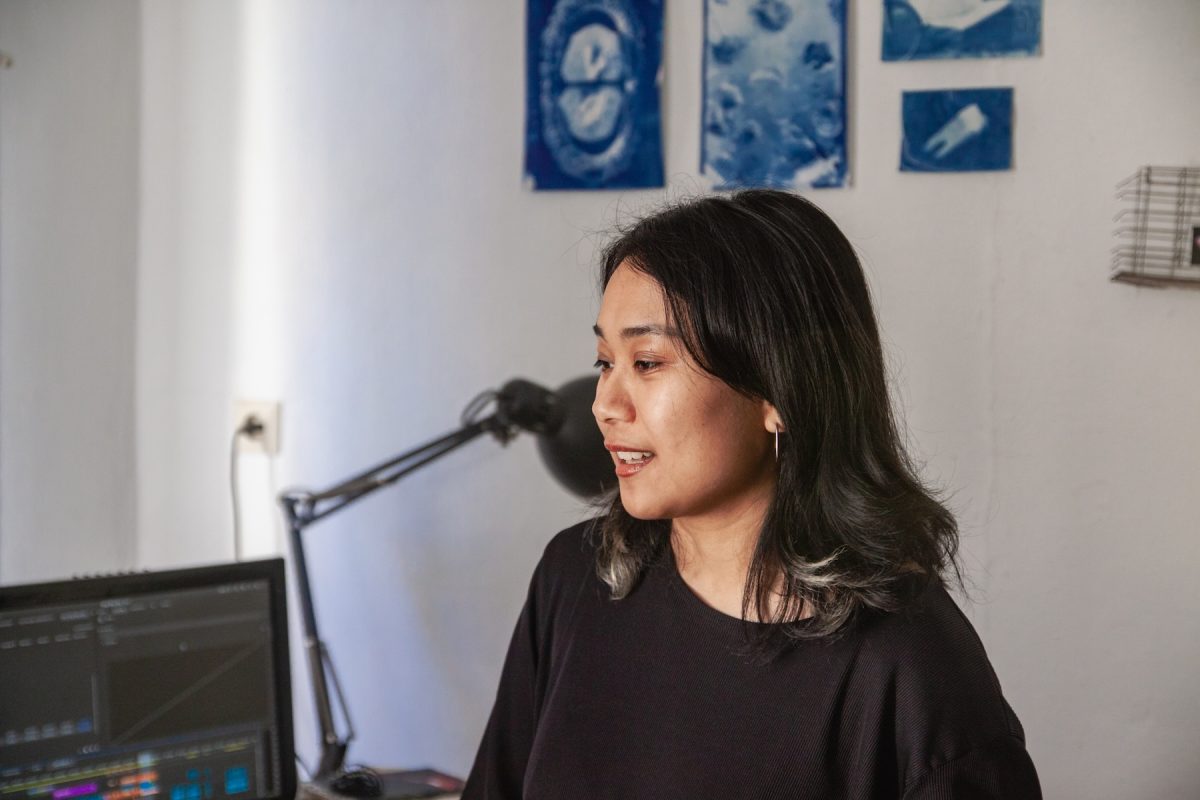
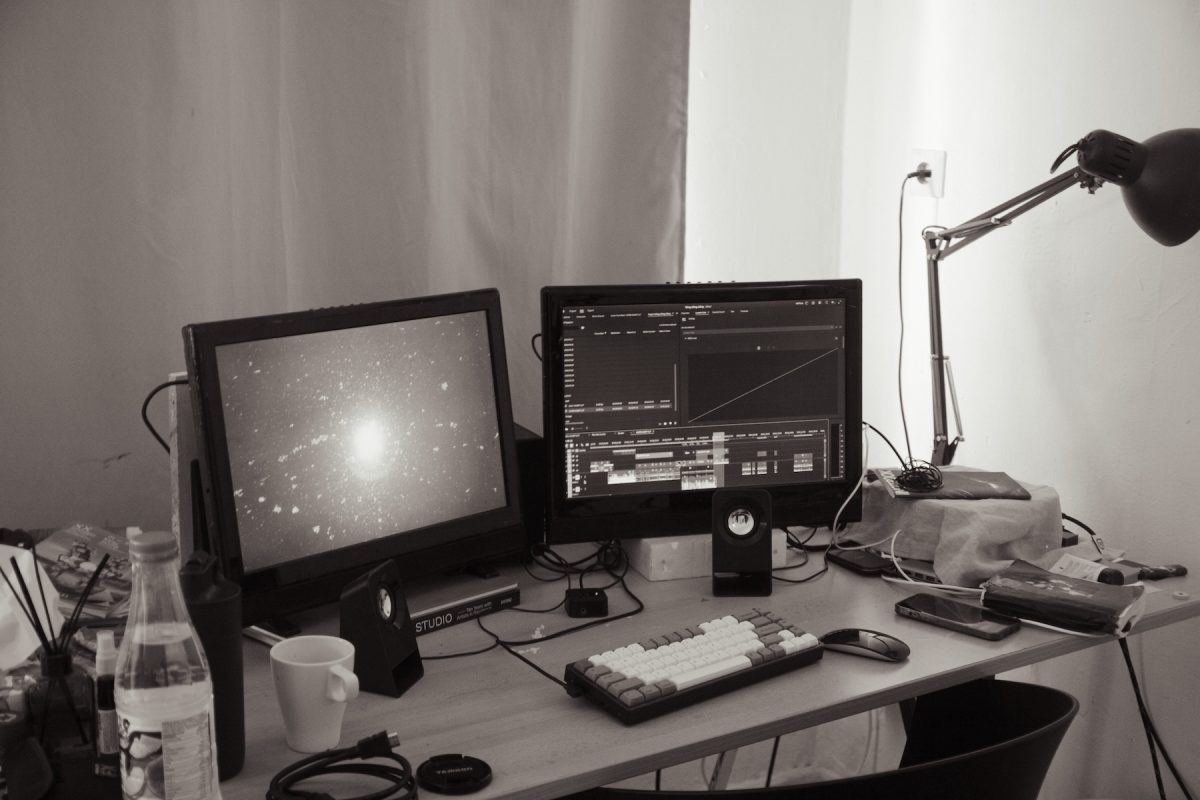
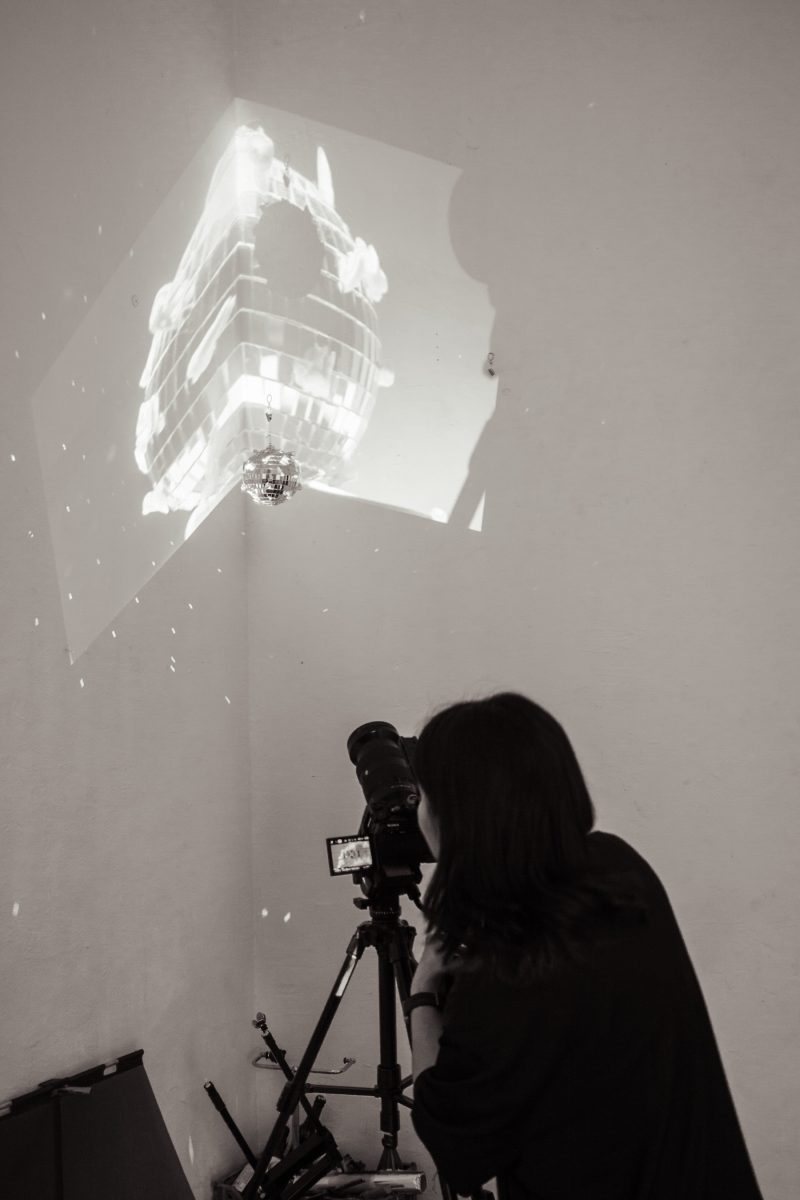
I’m in the research and development stage, drafting the script while experimenting with moving images and installation materials. The idea stems from dreams that I had frequently last year about my teeth falling out. Sometimes I dreamt of it in a very commercial shot, like in a spinning display of teeth. Sometimes it’s very bloody and like a horror movie.
I guess the dreams are because I have a problem with my dental crown. But really, it’s all about anxiety and worry, living abroad, and not having easy access to healthcare. It’s about the worry of an unstable mind. I am curious to research more on how social conditions can influence the subconscious or dreams, especially in migrants, because I am a migrant.
Is migration a central theme of your work?
After I moved to the Netherlands, yes. It’s become central to my work. Mostly because I draw inspiration from what’s around me and what’s inside me.
The early work that I did after moving to Europe was inspired by Thai superstition. When I first moved to Rotterdam, everything seemed new to me except for a huge tree that was wrapped in a little colorful fabric. Thai people recognize that fabric very well. We believe that there is a sacred spirit in trees, and the sacred spirit can give us financial fortune. So I created a short film talking about that superstition in the Dutch context. It was deeply personal, reflecting my experience of moving to the Netherlands and my journey to redefine my identity by integrating my background in the media industry with humour and satire on the effects of capitalism.
Over the past three or four years, my work has explored displacement, Thai culture, labour, identity, and of course, memory.
Tell me more about that. How does memory come up in your work?
I think memory is not just the past. It’s something that’s inside you. Something that you recall.
After moving to Europe, my identity as a Thai person became clearer to me. Because when I was living in Thailand, nobody talked about being Thai. But after moving away from home, I saw the difference between myself and the people around me. And memory is one of the biggest factors that identify who you are, because different people have different memories.
I use childhood memories and cultural memories as a starting point for my work. In a way, memory connects me remotely to a place, to another place, where I was but no longer am.
What do you want people to take away from your work?
I think different audiences have different understandings of work. My work talks about my culture. So I think Thai people and Asian people tend to understand my work on a deeper level. Other people might only get part of it, but that’s fine. I think that’s the fun part of interpretation.
I hope people approach my work with curiosity. That they come with an open mind and experience it. And then, depending on who they are, maybe they’ll pick something up or ruminate on something later.
Interview Jo Birdsell (jobirdsell.com)
Photos Raviva Nsiama (@raviva.ziama)