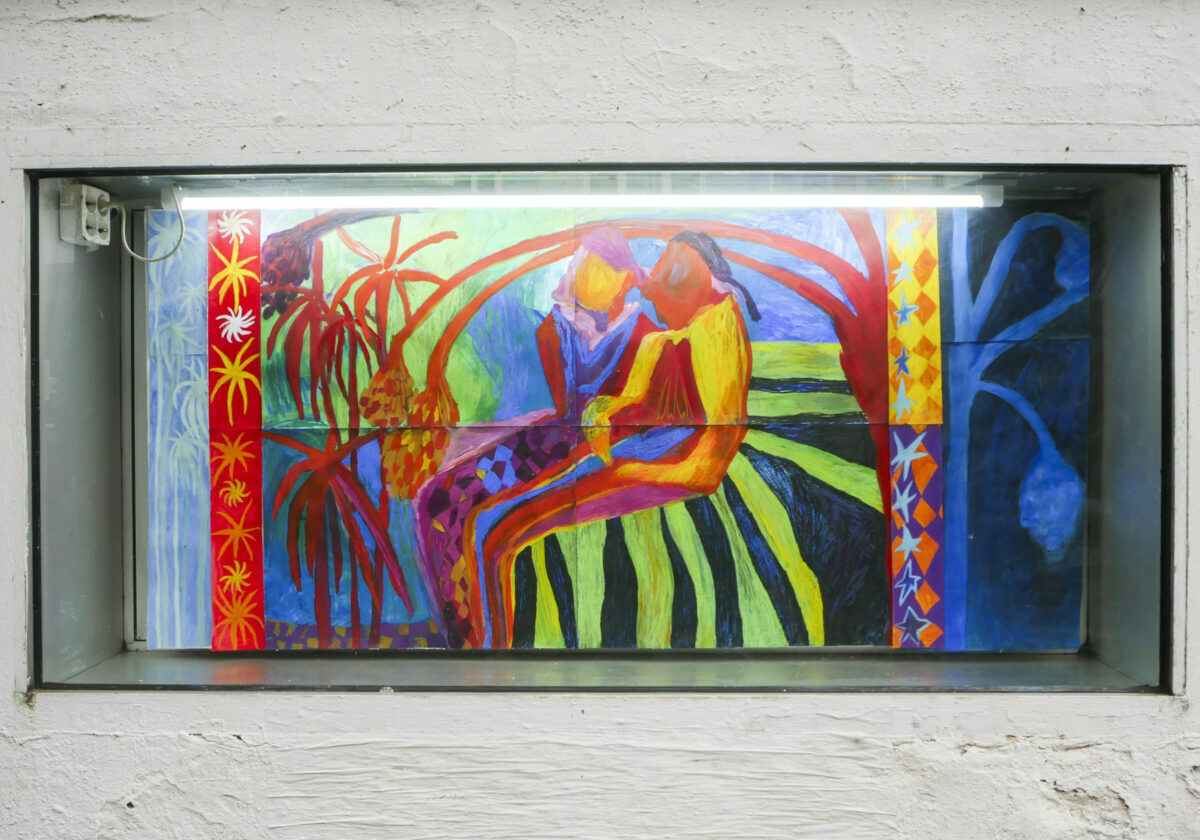
Meet the Artist // 33
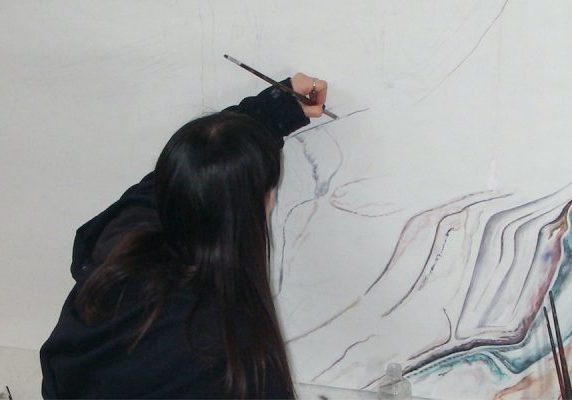
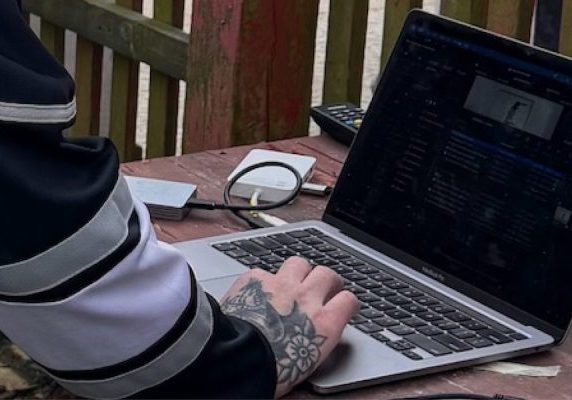
33 (Zixuan Wang) creates paper-based works and installations through a practice of memory poetics, exploring the flows of memory and existence. Rooted in the softness, vulnerability, and viscosity of materials, her work investigates cross-sensory perception and resonance, pointing toward a drifting poetics of memory suspended between what is delayed and what remains unwritten. As a sound artist, she works with modular synthesizers to explore sound within temporal and linguistic gaps, navigating between historical narratives and spectral territories. DJ33de9 is her club alter ego.
Do you want to start by telling me a little bit about yourself and what you’re working on while you’re here at GlogauAIR?
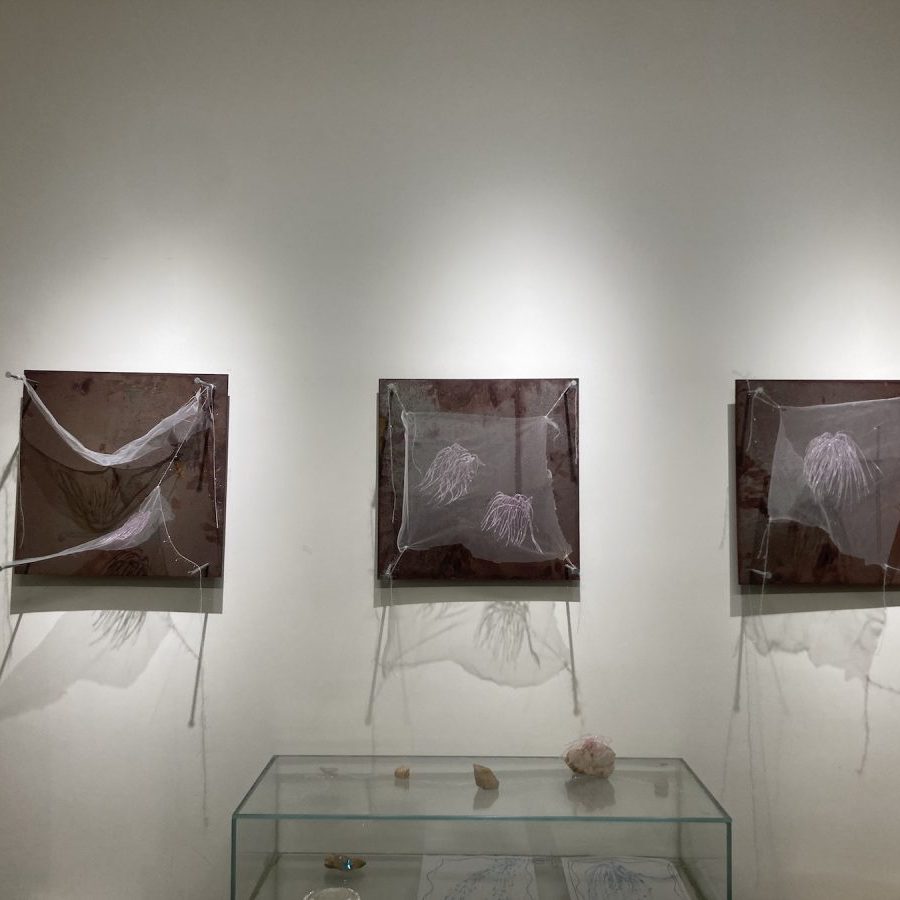
My name is Zixuan Wang and I go by the artist name (33). My practice spans paper-based works, installations, and sound, exploring the flow of memory, existence, and myth. It is grounded in the softness, vulnerability, and viscosity of the intangible, and gestures toward a poetics of memory that drifts between what is deferred and what remains unwritten. Besides that, I also work with synthesizers and DJ.
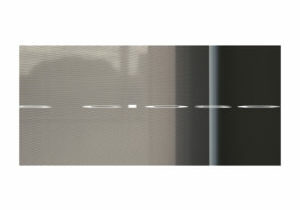
My project here began with a video installation called Shu Feng (淑凤). The video features me and my grandmother playing a childhood game of cat’s cradle. It was the first time we had played together a game we both knew from childhood. She was better than me, gently guiding the patterns—such as “noodles” and “eggplant”—as we moved along. It is a practice of co-weaving; a connection carried forward through touch and memory. Unexpected forms appear along the way—fragile, fleeting, but luminous.
During the residency, I’ve been exploring the space between childhood games, collective memory and post-nostalgia. Childhood memory has always been really important to me, because it feels like the starting point for how we perceive the world. Over the past few weeks, I’ve been trying to approach my work with a more playful sensibility, reimagining childhood memory through tenderness, dark humor, and estrangement. At the same time, I’m interested in a post-nostalgic condition, where memory is not something we can return to, but something unstable and constantly rewritten in the present.
You work with a variety of different mediums. How do you combine your mediums to create a final project?
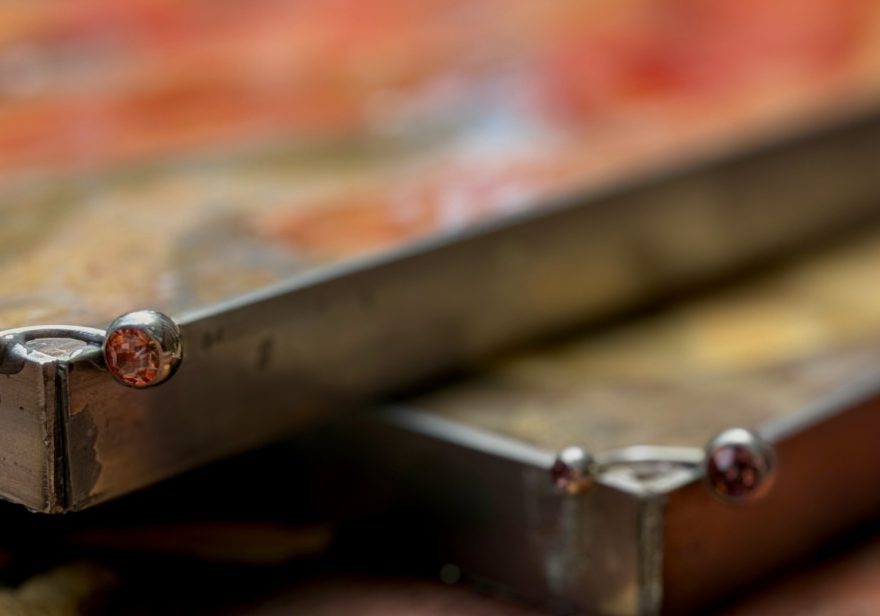
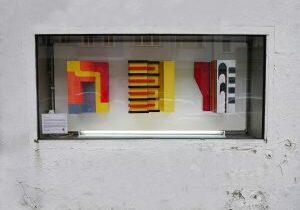
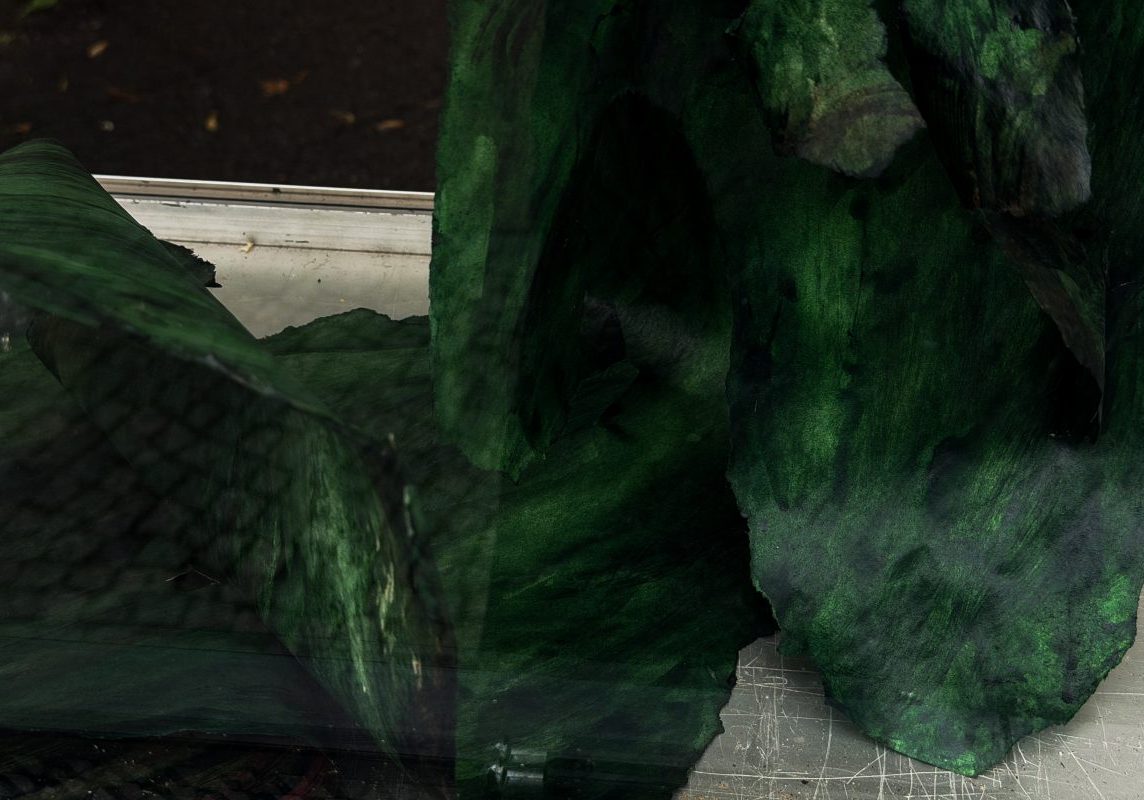
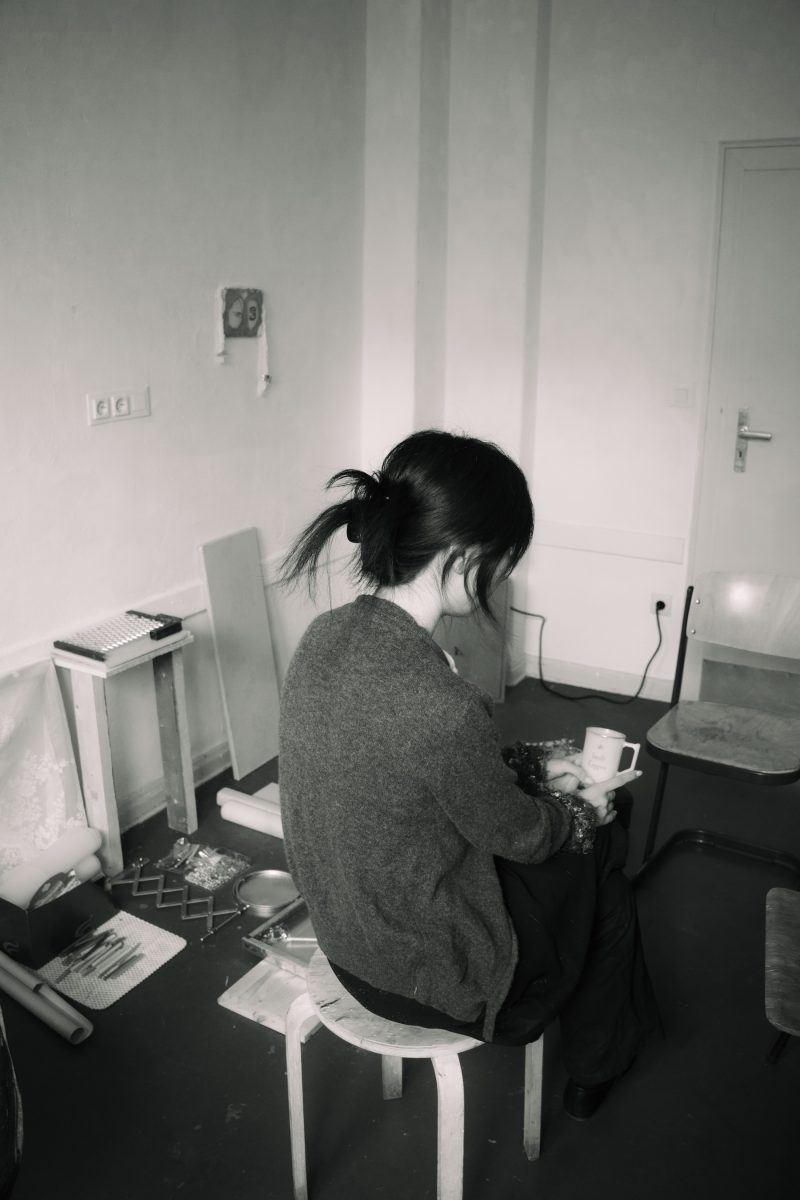
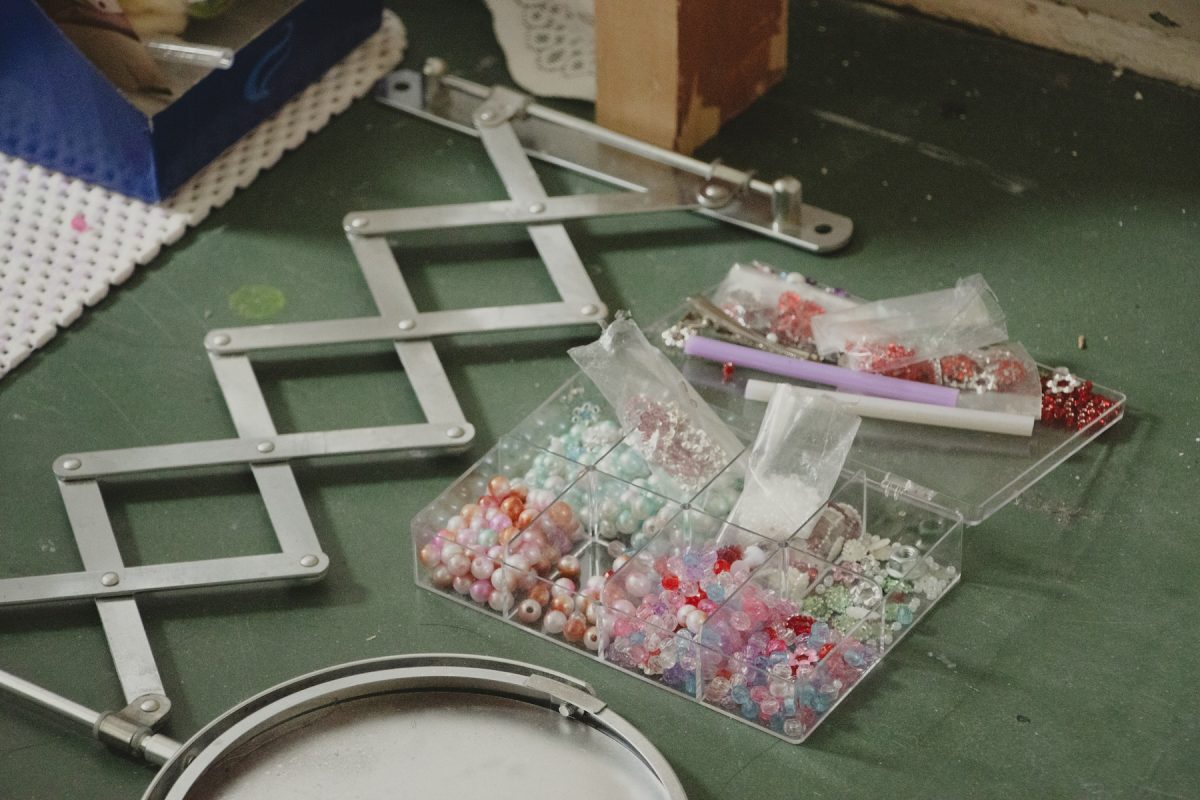
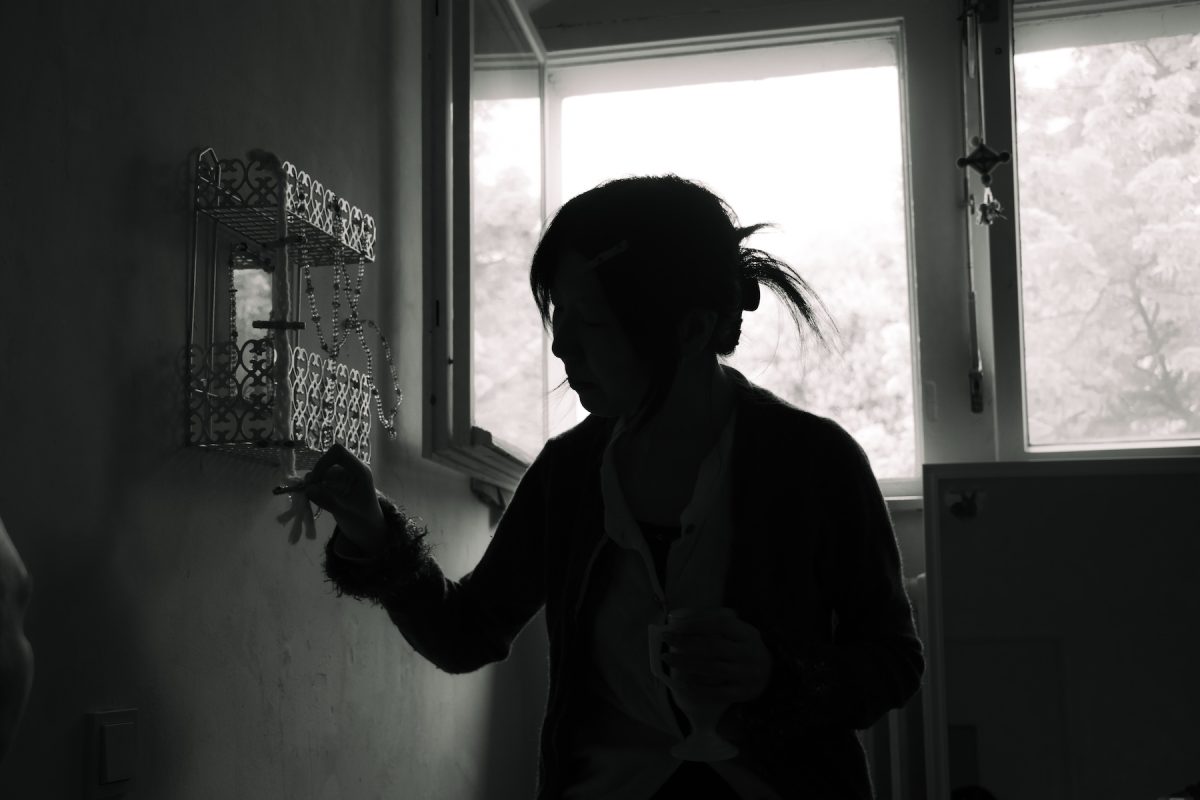
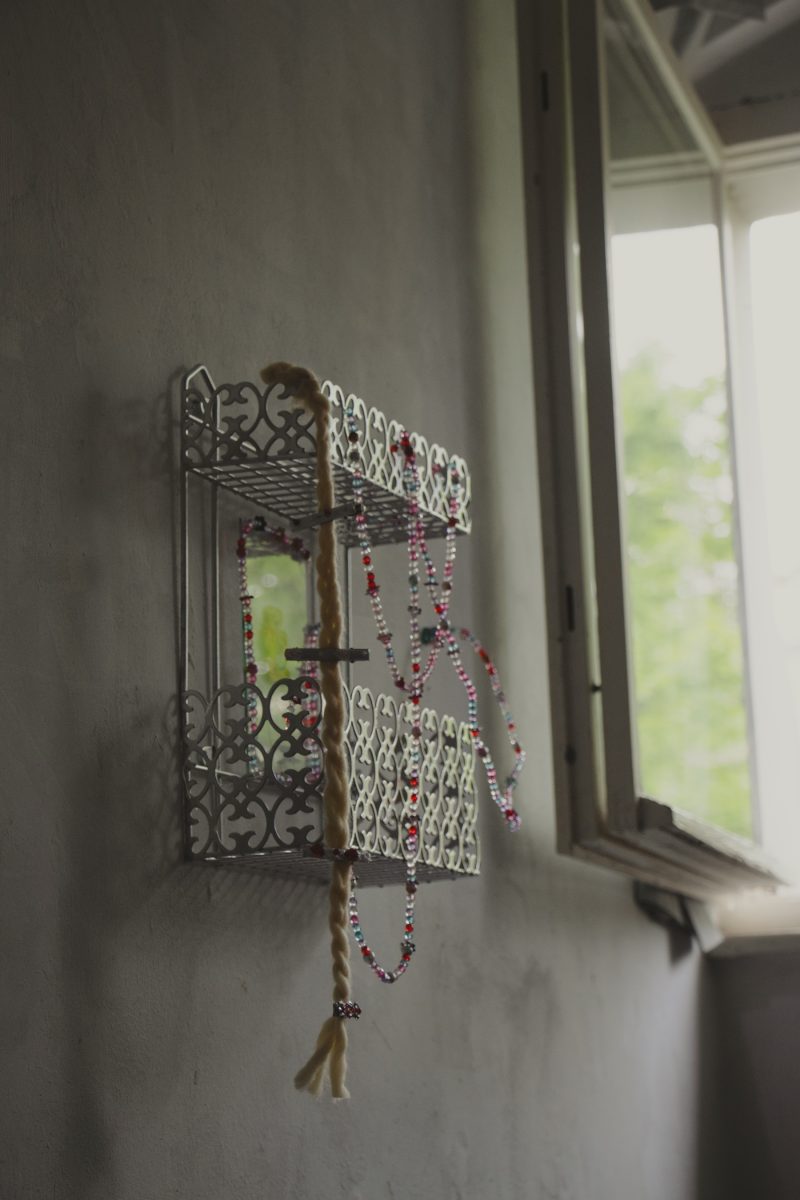
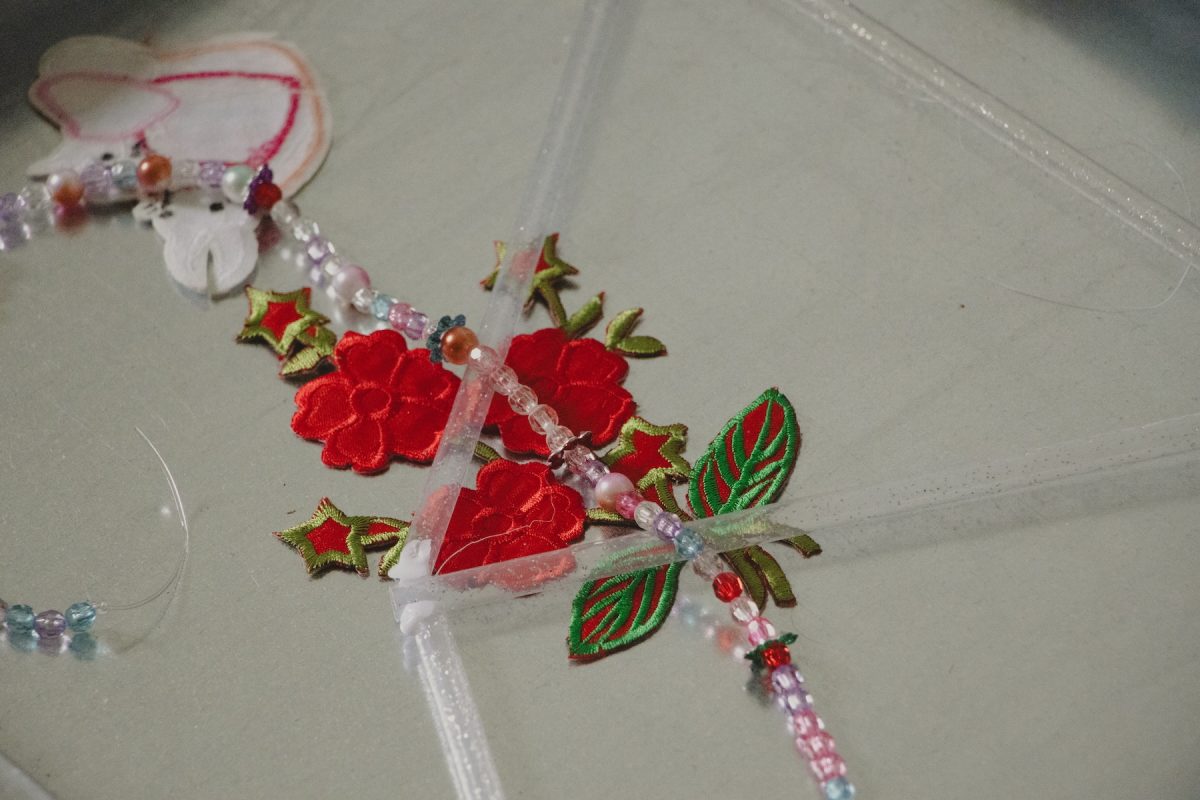
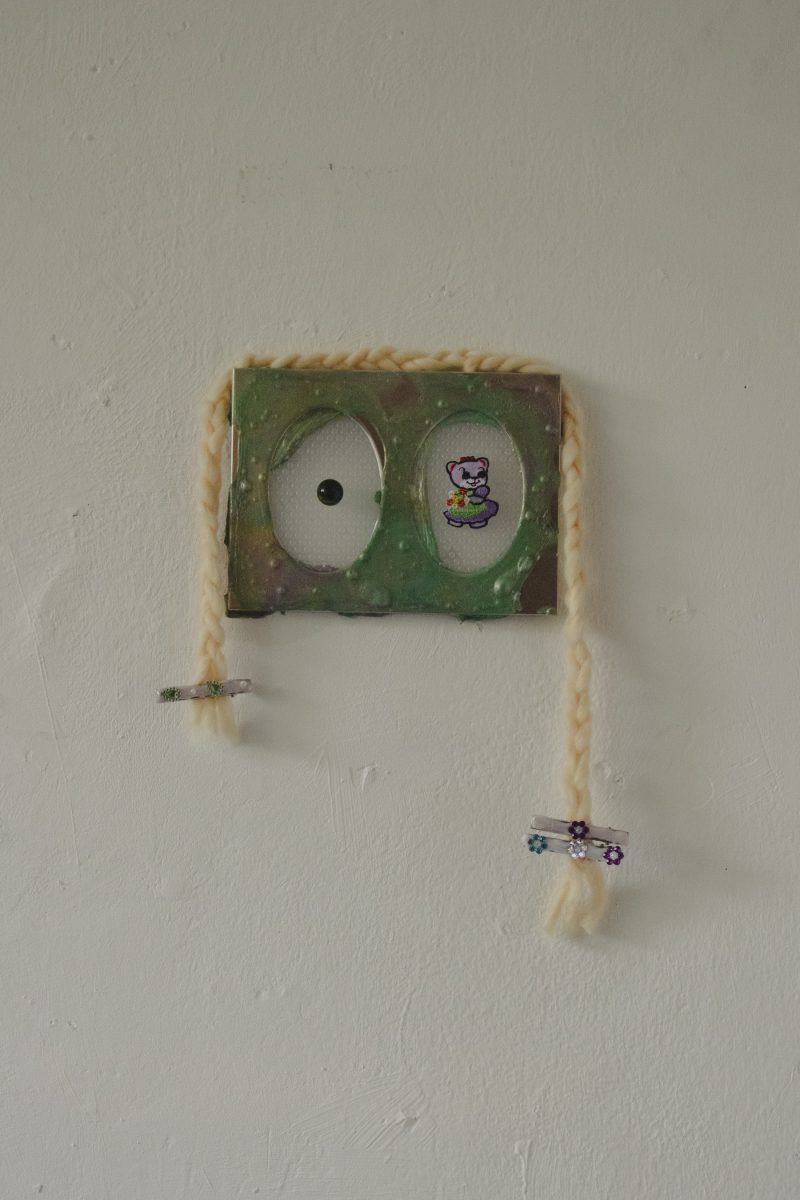
I love to work across different media to enrich the visual experience of the art work. For my installations, I mostly gather materials through thrifting and stopping. I often combine soft and hard materials to create a sense of balance, such as stainless steel and sheer fabric. Since my project at GlogauAIR is based on childhood memories, I’ve been using beads, marbles, teddy bears, and slime as entry points into the “fossilization” of childhood memory.
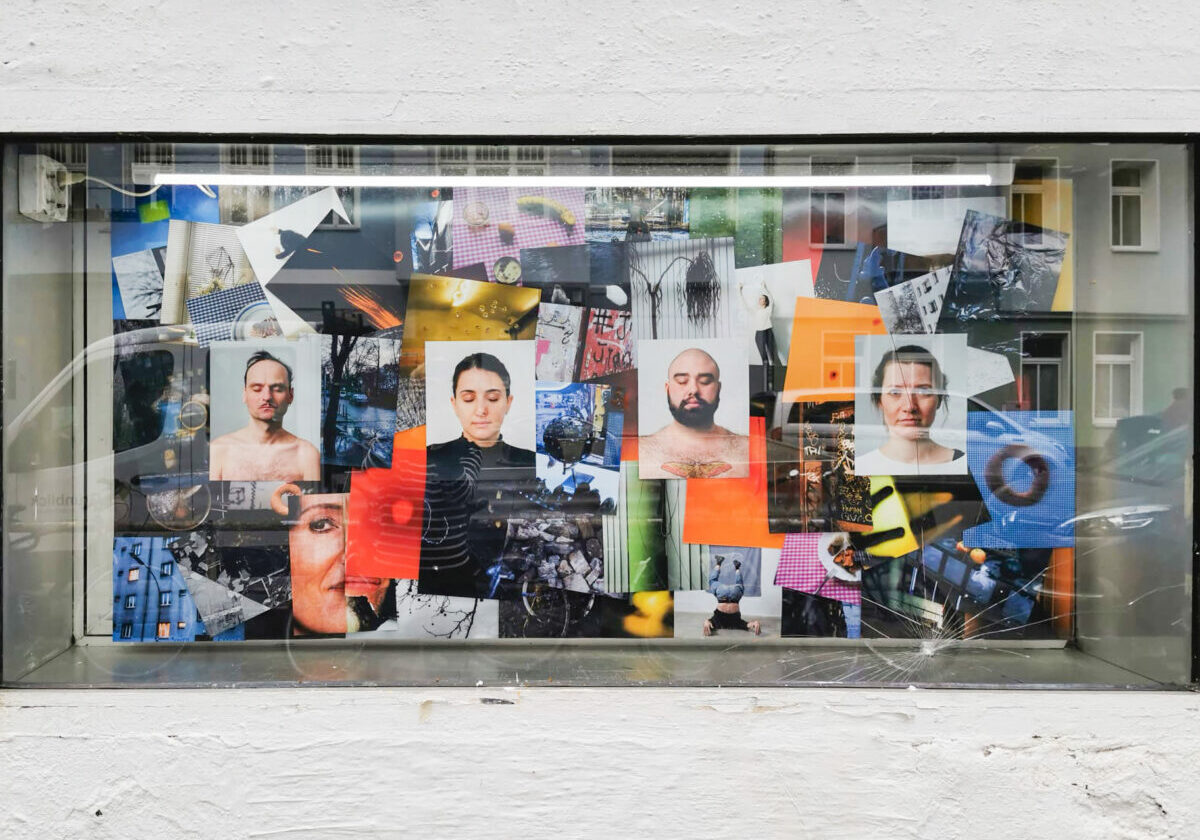
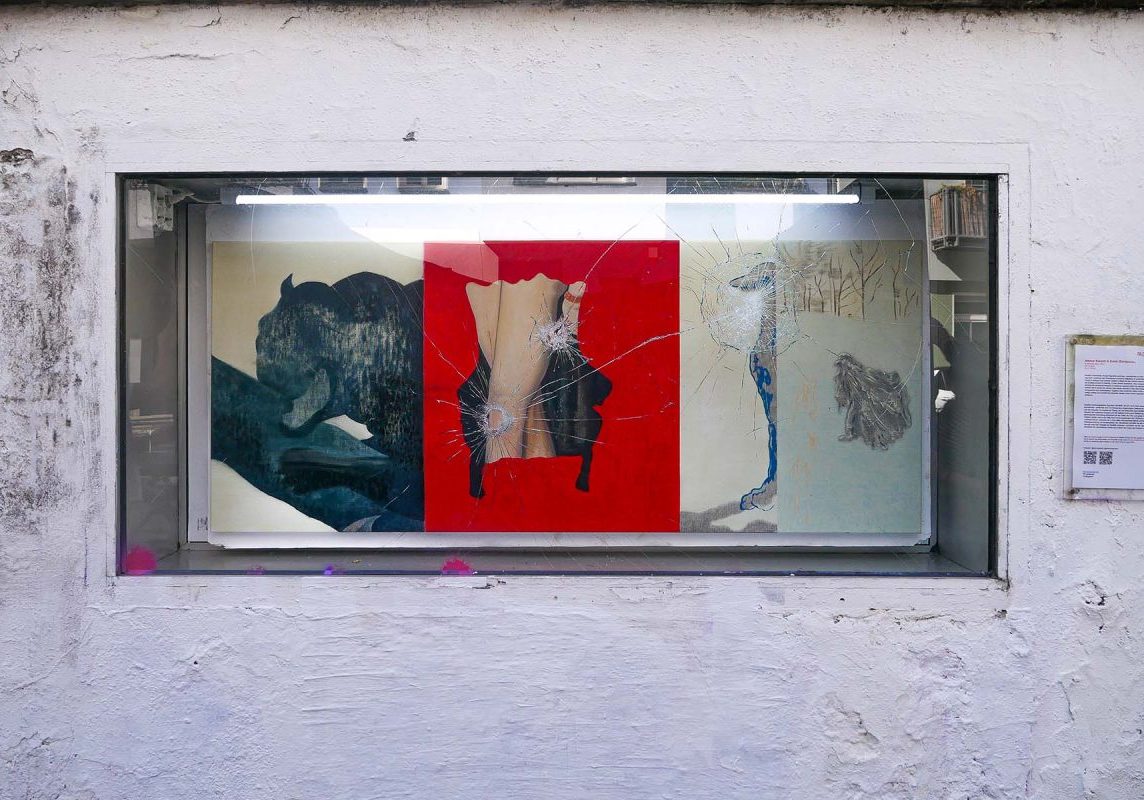
For the final project, I want to position memory as mediated, unstable, and continuously rewritten, rather than framing nostalgia as a return to authenticity. Through processes of recollection, distortion, and forgetting, I seek to sculpt time itself and reshape a fragile castle of memory. A cat’s cradle video and a few installations will be included. I’m still considering creating a swing or carousel structure where I could project videos onto fabric.
When you try to convey memory, what are you trying to capture?
For me, memory in general is quite difficult to describe. Sometimes it feels really heavy, yet also weightless at the same time. It exists like a dream in my head, never entirely truthful. Memory is how we sculpt time. I’m interested in what Mark Fisher describes as a kind of haunted nostalgia—not a return to the past, but something fragmented that keeps resurfacing in the present. At the same time, I’m also thinking about a kind of post-nostalgia condition, where memory is no longer about longing for a lost origin, but about living with its instability, distortion, and constant rewriting in the present.
In Apichatpong’s film Memoria, Tilda Swinton plays Jessica Holland, who wakes up one night to a loud sound she describes as a giant concrete ball dropped down a metal well. That ghost sound stays with her, and she keeps trying to trace where it came from. For me, the process of wandering and wondering is really compelling, and that’s what I’m trying to capture.
What do you want people to feel when they see your work?
I hope people feel a sense of love, instability and tenderness at the same time. I don’t want memory to appear as something fixed or purely nostalgic, but more like something fragile, shifting, and slightly out of reach. There’s often a strange coexistence of heaviness and weightless in my work—like something familiar that has already started to fade.
I also hope there’s a moment of recognition, but not resolution. Something that feels almost like a memory, or a half-remembered dream, where meaning is constantly slipping. In a way, I’m interested in where you’re not returning to a past, but staying with its distortion in the present
Interview Jo Birdsell (jobirdsell.com)
Photos Raviva Nsiama (@raviva.ziama)