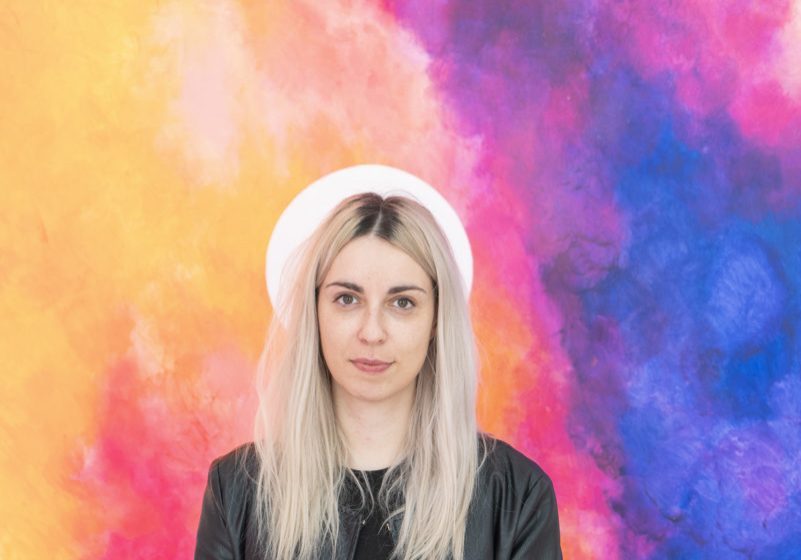
Meet the Artist // Melissa Schwarz
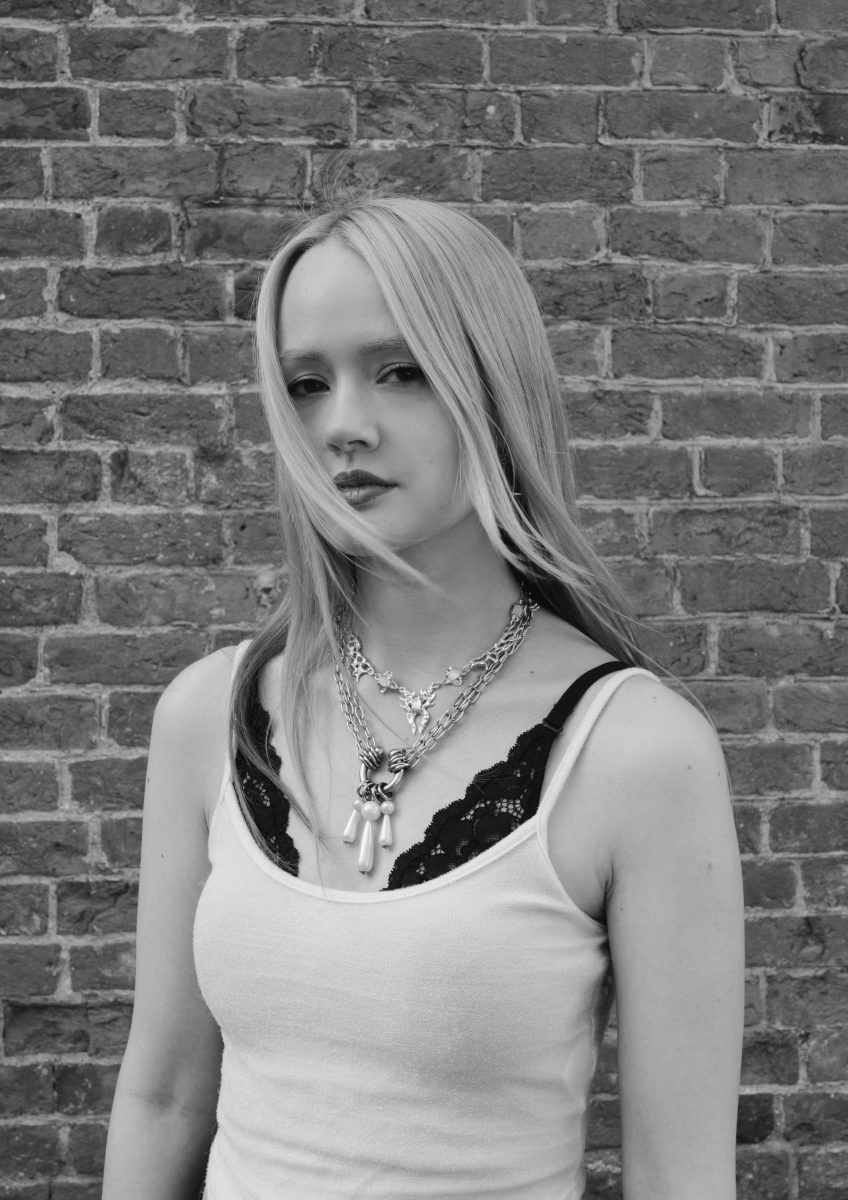
Melissa Schwarz is an interdisciplinary artist, designer, and researcher exploring the intersections of ecology, technology, embodiment and extraction. Through her interdisciplinary and research-based practice, she investigates how landscapes, bodies, and infrastructures are shaped by environmental, political, and economic forces. Drawing on critical ecology, hauntology, cyborg theory, and posthuman thought, her work examines artificial wilderness, technological mediation, and the lingering traces of human intervention within contemporary environments. She currently teaches at the University of the Arts London and Goldsmiths, University of London.
Can you please tell us a bit about your background?
I’m a German interdisciplinary artist, designer, and researcher. I just started living between London and Berlin, as I’m about to start a PhD at Freie Universität here. I’m also an associate lecturer at the University of the Arts London and Goldsmiths.
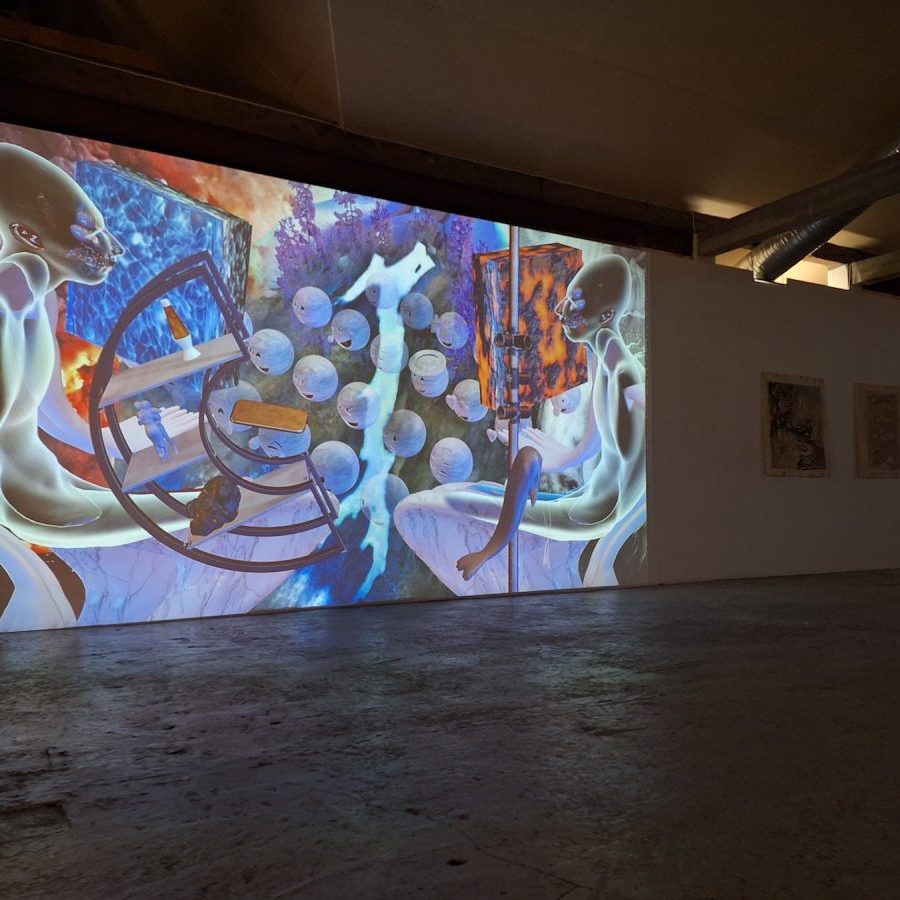
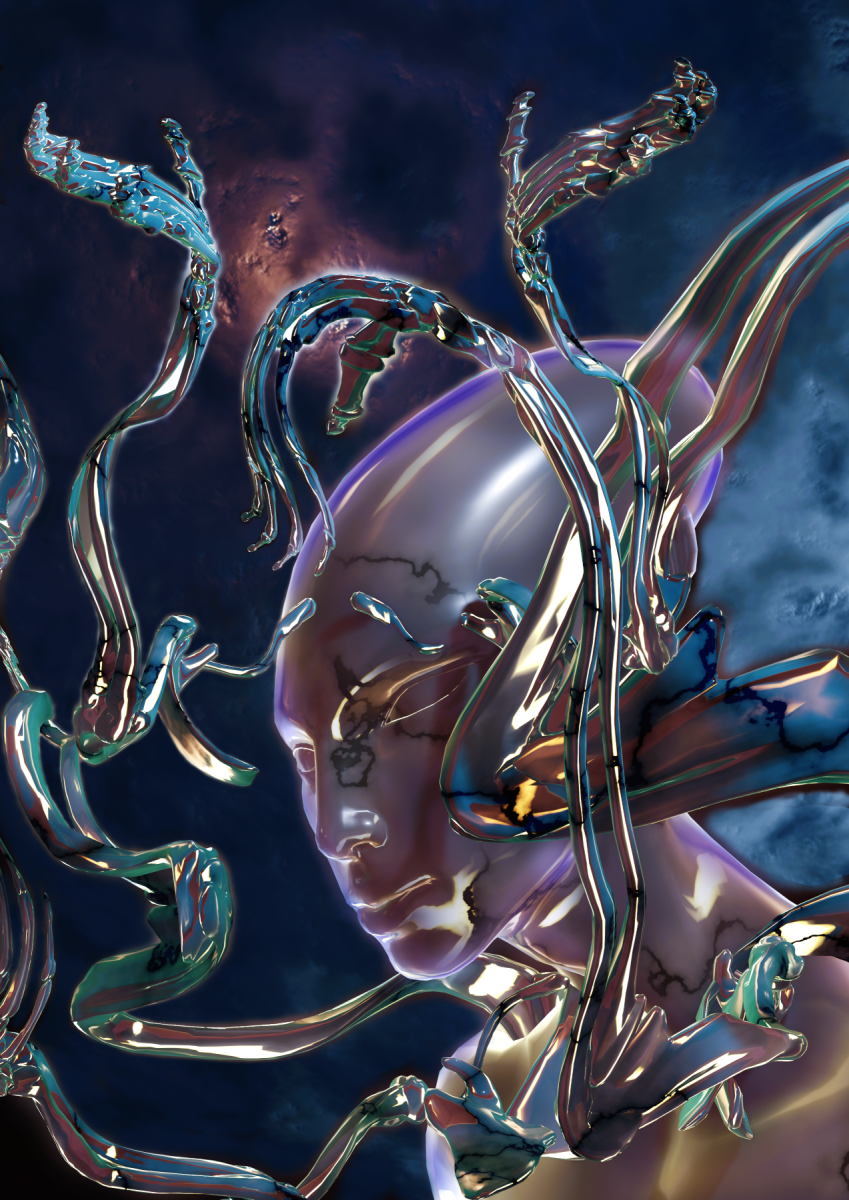
In my work, at the moment, I research industrial landscapes predominantly, I look at extractivism, capitalist theory, and hauntology. It’s a lot of site-specific work. I also research cyborg theory, so I do look at the body as well. My background is in English literature, philosophy, fashion, and also interaction design. I’m combining a lot of different fields, which is quite visible in my work because I’m not really focused on one medium, and it’s very research-based.
You are working on a Hybridity Mapping Toolkit during your GLO residency, using collaborative methodologies among other research tools. How do you approach creating knowledge-sharing structures and what’s their place in your practice?
Because my work is mostly research-based, its purpose is in many ways to document what I’ve found out about an issue, something I’ve noticed, or that we should pay attention to, depending on whatever it is that I’m looking at, and to communicate it. I always approach it from that perspective, with the intention of sharing what I found out. So sharing knowledge is inherently part of the work. It’s also my job as a lecturer at university; you can’t shake it, it’s always part of the way you think about things.
The toolkit that I’m developing is going to be shared at UAL, one of the universities I work at, and it’s going to introduce different methods for how I investigate postindustrial landscapes. I will do a lot of field research here, find the best ways to experience them in a critical way, package that, and then give that to whoever wants to have some methods at hand, not necessarily just students. Something that can be extended by others as well – it’s about being in a space outside, physically, and learning together.
How do you find the right medium for the specific research that you’ve done? What challenges come with that, if any?
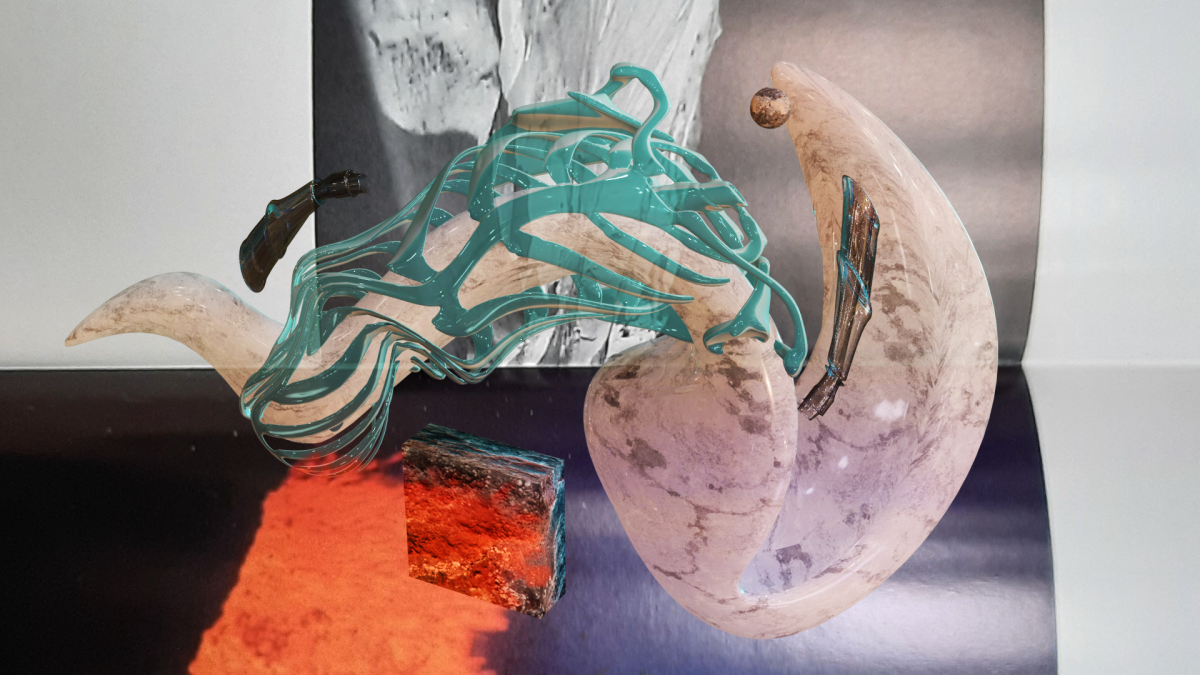
For me, it’s about thinking about the topic first, doing the research, and starting it before deciding on a medium. Most of the time, I just start researching and follow what comes my way. The different media find me through the research, and also by thinking about how I can best communicate it. That’s also why I don’t have one fixed medium.
The challenge with that is kind of feeling like you’re a master of none, but it is also really nice because it opens you up to collaboration a lot more. Sometimes you’re like, ‘this is as far as I can go, maybe I can find someone that wants to work with me’, which is also important to me; having conversations. I don’t really subscribe to the single lonely artist in the studio kind of thing. It’s nice to have that moment, but for the most part, I don’t want to sit alone in my room. We should collaborate and talk to each other a lot more.
Another struggle is that the subjects that I work with are sometimes really hard to grasp, because they’re philosophical, subtle, and layered concepts, and how do you even make something like that visible? My brain sometimes breaks, trying to think about how I can best communicate them to an audience. You are also always limited in some ways; for example, when it has to fit in a gallery, or into a specific context. So often things get lost as you choose your medium. But that’s the beauty of it as well; picking up the things you had to leave behind.
What’s the source of your fascination with complex theoretical concepts?
It comes from my personal interests, my studies, and things I’ve picked up. I’m very interested in language and philosophical concepts, and the body. I’ve always loved nature, for example. All of these things mix into what I’m interested in. I was never happy to stay on the surface of things; I need to know why, and what people have said about it. That’s why I ended up with research-based work, because I wasn’t content with making something purely aesthetic.
How do the notions of hauntology, critical ecology or cyborg theory relate to your practice?
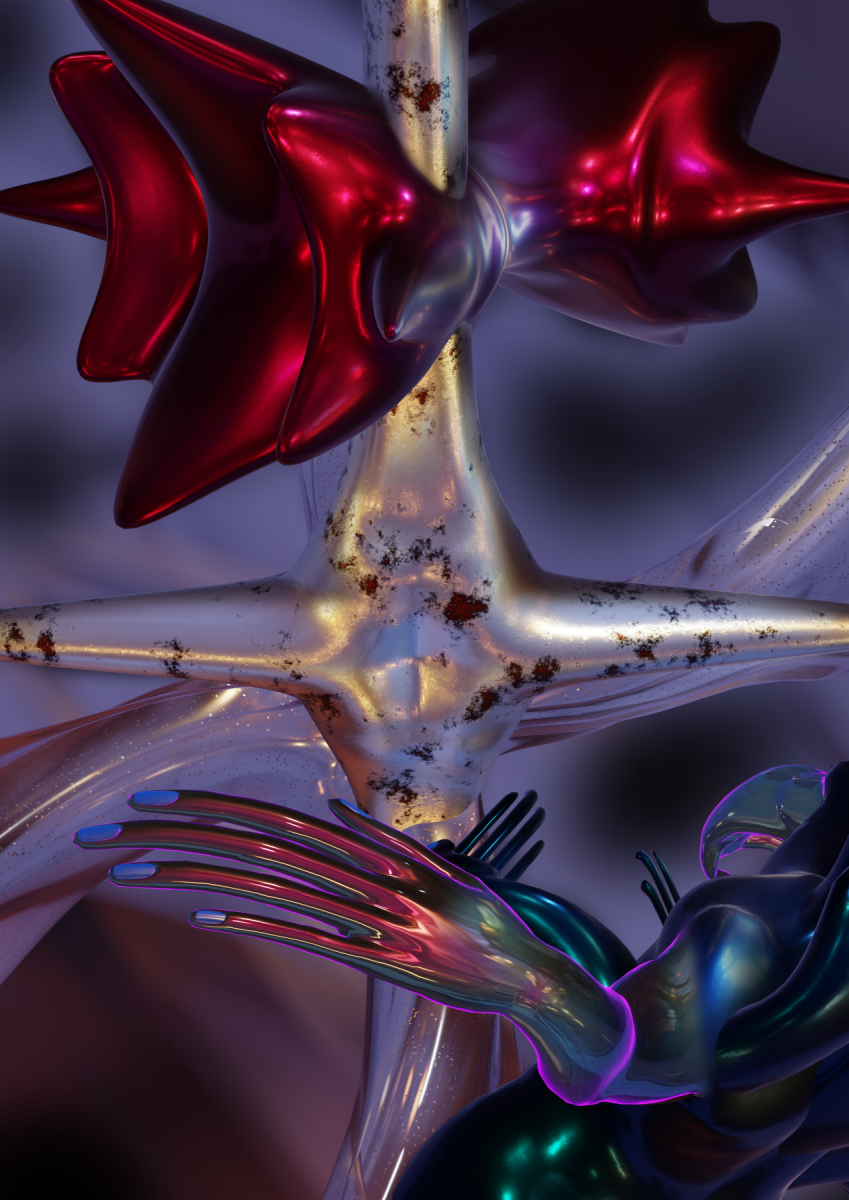
I can apply these ideas really well to both environments and the body, particularly through this idea that the past, present, and future are happening at the same time. I think that’s also one of the powers of art: as we’re making art, we’re making invisible things visible, but we’re also creating the future as we go. Everyone is doing that all the time, right?
You’re always speculating on futures and trying to make something happen, or stop something from happening, and that’s always influenced by both the past and what you imagine the future to be. So, to think about time as purely linear is extremely limiting, and I don’t think it really holds. All of these concepts deal with that in really interesting ways. Hauntology is helpful, for example, because it suggests that there is no singular, self-contained present; the past persists, and possible futures are already shaping how we experience the present.
Critical ecology and cyborg theory allow me to think about similar entanglements materially – between bodies, technologies, environments, histories, and systems of power. These relationships can be messy, but I think you have to stay with the trouble, as Donna Haraway suggests, and be comfortable with that messiness rather than trying to resolve it.
Everyone has a viewpoint and different ways of experiencing and knowing the world. For me, it’s less about using these theories to arrive at one answer and more about offering different perspectives, pulling in different disciplines, and opening up the conversation. All of these lenses give me methods for thinking about things in different ways, and then hopefully finding ways of communicating those complexities to an audience.
Photos // Dari
Interviewer // Veronika Laczai