Meet the Artist // Lihi Shmuel
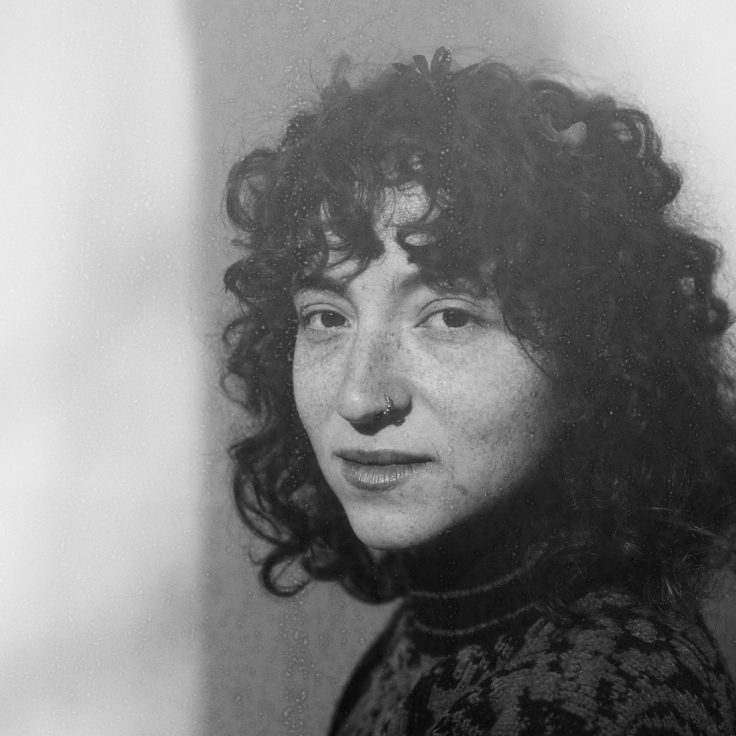
Lihi’s curatorial practice explores the “in-between” spaces where art meets daily life and language often fails. Inspired by participatory practices and community focused art, Lihi approaches curation as an act of translation – converting fragmented memories and sensory experiences into cohesive narratives. They believe that while not every artwork speaks for itself, a curator provides the essential voice that anchors it in the world.
Tell me a bit about yourself and what you’re working on during your residency at GlogauAIR.
I identify as a multidisciplinary creative because I resist ticking a single box. Whether I’m acting as an artist, a manager, or a curator, I find that my work lives in the spaces between those roles. Currently, my focus is curation – specifically the ability to take disparate elements, draw a line between them, and weave a cohesive narrative through art.
While I’ve curated in various settings before, GlogauAIR represents a professional deepening for me. I’m here to “dip my toes in the water” of high-level curation, learning how to translate my storytelling intuition into a professional, institutional context. It’s an incredibly exciting evolution.
What’s the inspiration behind the show you’ll be curating during your time at GlogauAIR?
My approach to curation is rooted in the belief that art must be a conversation starter. If art is a reflection of life, then artists are the conduits who take the “messy, beautiful, and controversial” reality around them and transmute it into something visual.
However, the industry often refuses to allow for that messiness. My work focuses on the widening gap between the reality of being a creator and the rigid expectations of the art world. Broadly speaking, I want to illuminate the barriers that certain artists face, barriers that exist on top of an already brutal competition. In this industry, many begin the race several meters behind the starting line. My goal is to force a recognition of that deficit.
I’m naturally drawn to these themes because I live them. There is a strange irony in the creative sector: it presents itself as kind and open, yet it can be incredibly predatory. It is an industry built on who you know and how you present, often prioritizing social capital over raw ability. I’ve always found the traditional “networking” of this sector difficult to navigate. I want to challenge the way people “consume” one another in these spaces and refocus on the work and the person behind it.
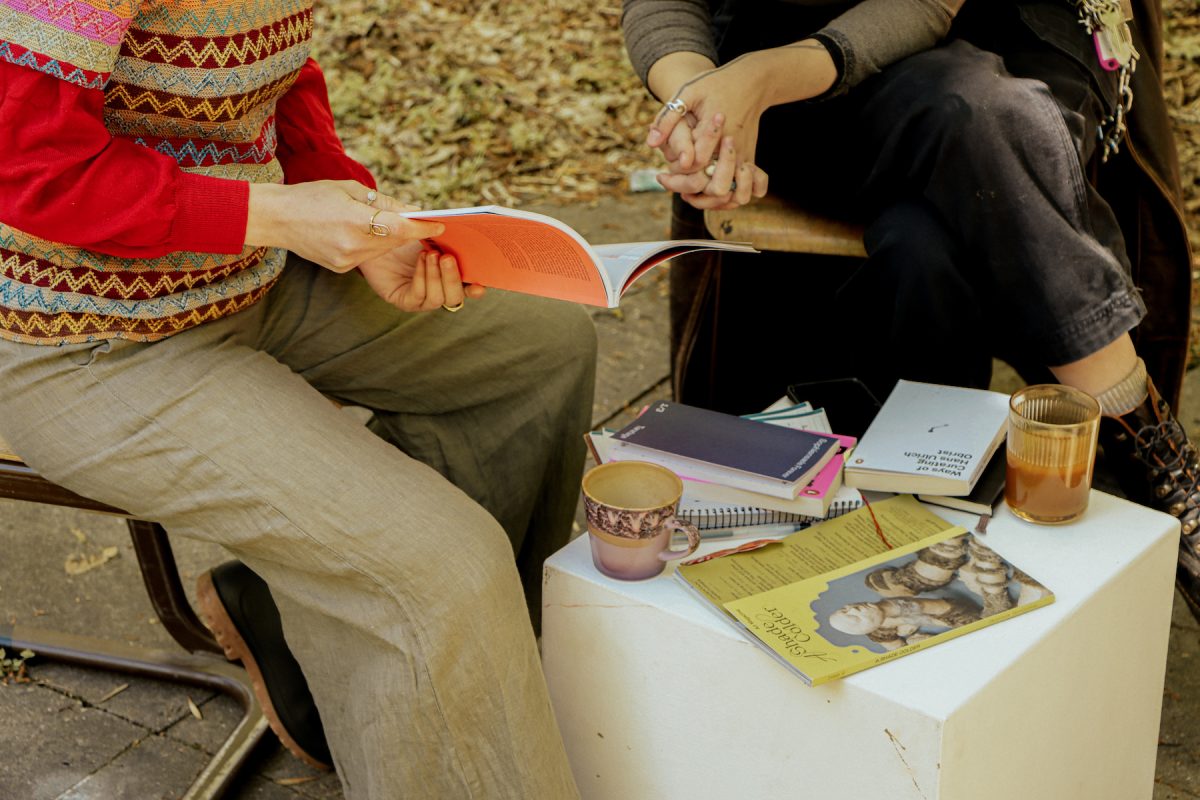
How do you build a cohesive show visually and ideologically?
It begins with authenticity. I look deeply into an artist’s history and their personal statement to ensure their practice aligns with the show’s core mission. From there, I look for the “connective tissue” between artists.
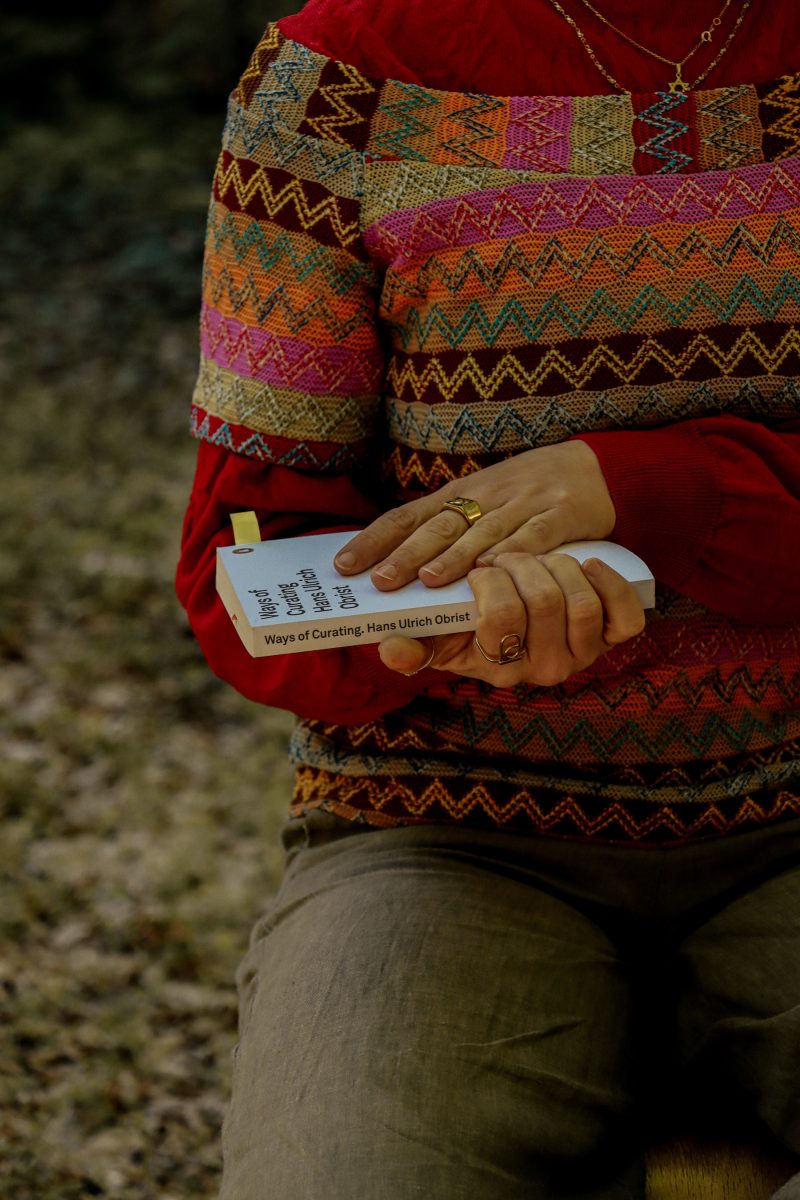
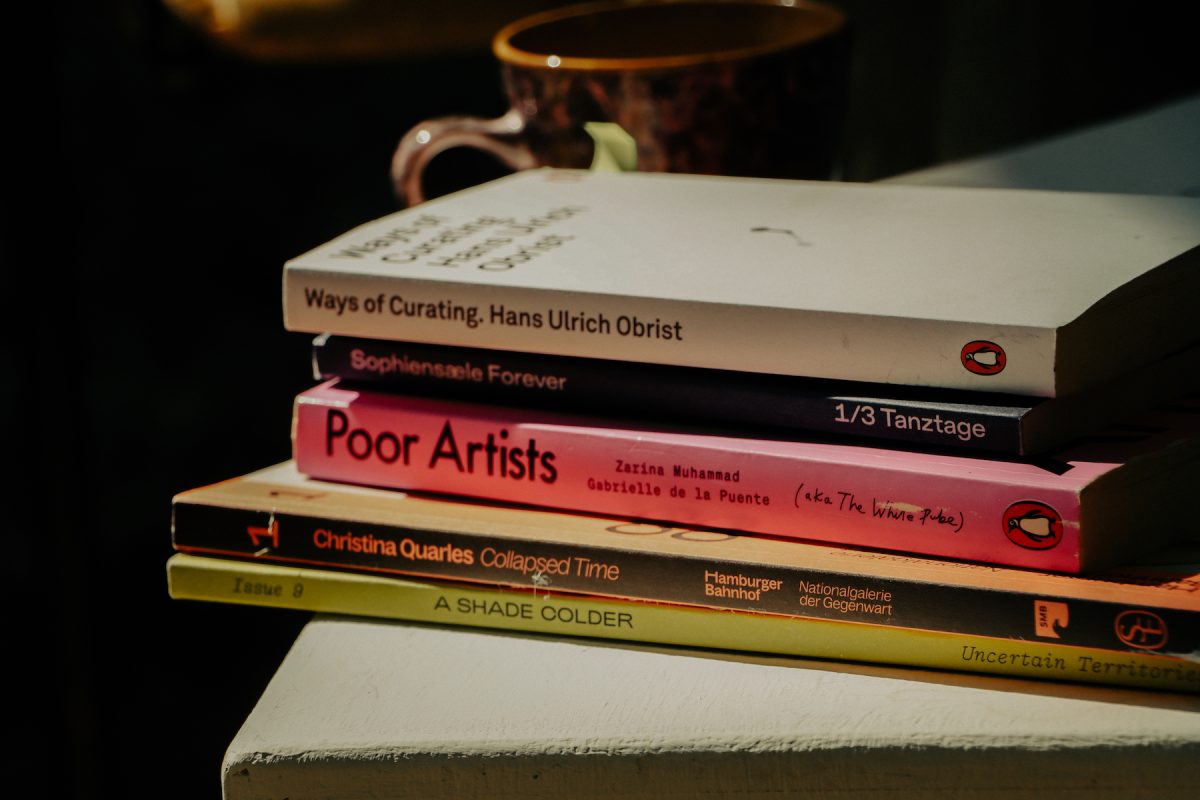
To me, a curated show is a story; every artwork is a different chapter or a specific paragraph. My job is to write that narrative. No piece can be disconnected from what the viewer saw before it or what they will see after it. The relationship between the artists is just as important as the relationship between the viewer and the canvas.
What do you want people to take away from your show?
I hope this exhibition serves as an opening for a more gentle, caring way of showcasing art and networking. I want to foster an understanding that artists carry “baggage”; that they have complex lives and struggles that exist outside of their identity as a “creator.” If we can acknowledge the person behind the art, we might finally move toward a more equitable industry.
Interview Jo Birdsell (jobirdsell.com)
Photos Raviva Nsiama (@raviva.ziama)