Meet the Artist // Lauren May
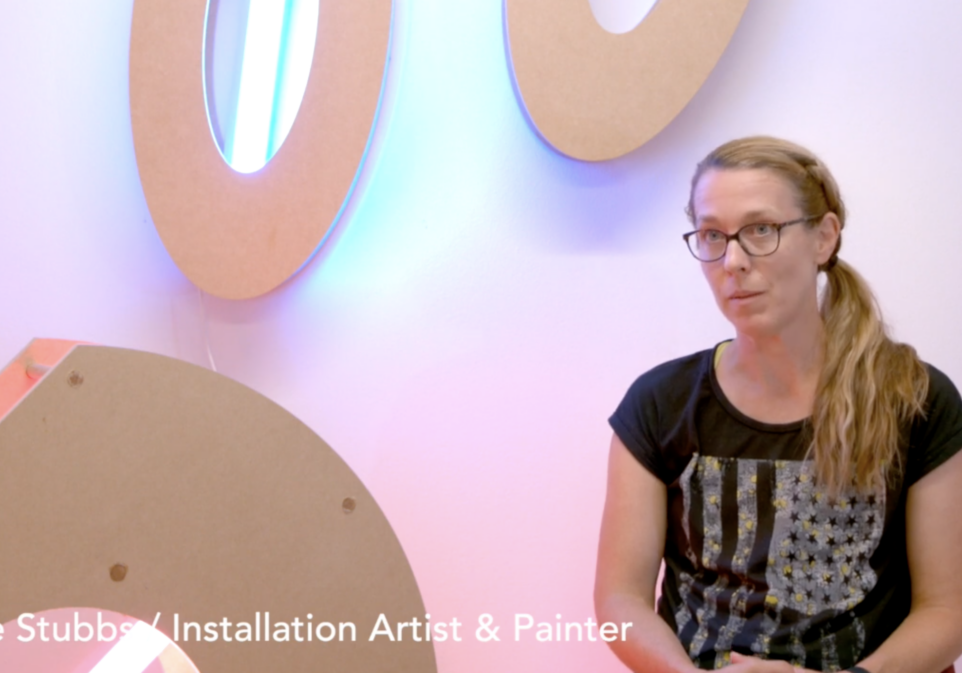
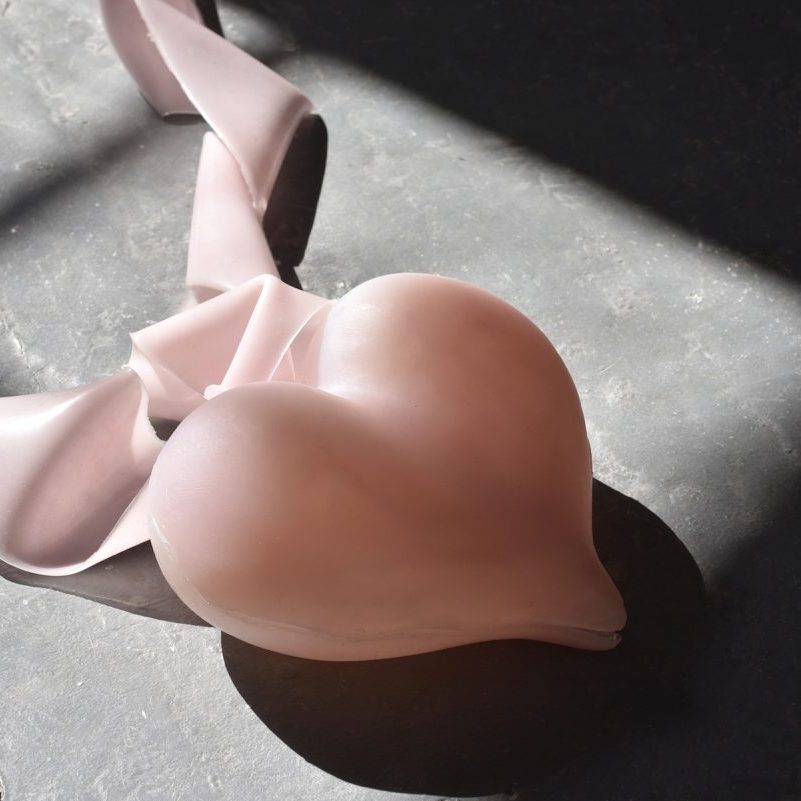
Lauren May is an artist from New Zealand. Her practice spans painting and sculpture, working with materials that possess an innate bodily quality and poetic resonance: mold making, ceramics, resin, silicon, and polymer clay, and intricate oil painting.
Can you please tell us a bit about yourself and how you became a GLO resident?
I’ve done a couple of residencies, and I always really enjoyed them. I did one in Berlin about 10 years ago and then one in Portugal. Someone there had done the GlogauAir residency, and it just sounded fun.
How did you get into art?
It’s really weird. I was always into drawing, painting and making art, and had this idea that I’d be an artist since I was as young as I can remember. I don’t know where I got it from.
It’s interesting that I stuck with it as well because I feel like the idea of what it means to be an artist kind of evolves with the reality of it.
My art classes in high school were not creative at all; everyone just had to do the same things, so in the last couple of years of school I wasn’t even doing art because it seemed boring. I thought I’d be a graphic designer because that seemed more fun. Then, at university, we had a class with a woman from the industry who showed the reality of it. I’m glad, because it was very disillusioning.
How did you go from a rigid curriculum to developing your own visual language? What was that process like?
It was a very long process to where I am now. There was a period of feeling lost after graduation; school also tore down some people. After a while, I decided to get really serious about making art and really try to sink into it fully and immerse myself. It’s creating a dialogue with yourself; your own language that you wish to speak to yourself. That takes a long time and builds slowly to the point of complexity.
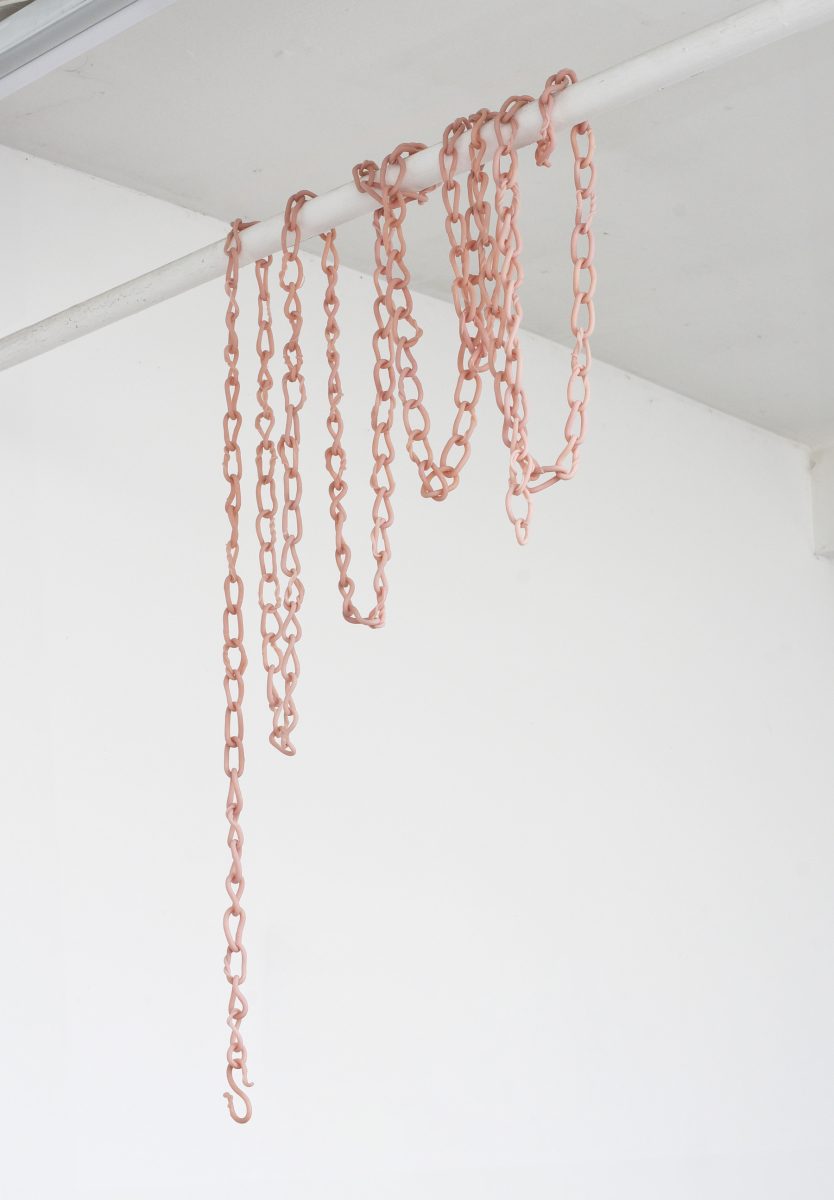
What are the characteristics of your language?
It’s a few things. One is an element of trying to surprise yourself, which is actually hard to do. That’s what a successful artwork is to me: when I surprise myself.
It’s also something sensual and tactile, and of the senses; even a painting has the feeling of touch and texture. I’m interested in finding the balance between something that I find beautiful and the edge of discomfort.
On top of that, I find it very strange, being in a human body. Even if it’s about fairy tales and their imagery and symbolism, which I’ve been interested in lately, there is a thread of tension between marvelous and disturbing, which is what it feels like to be in a body. Constantly being perceived and everything that comes with it.
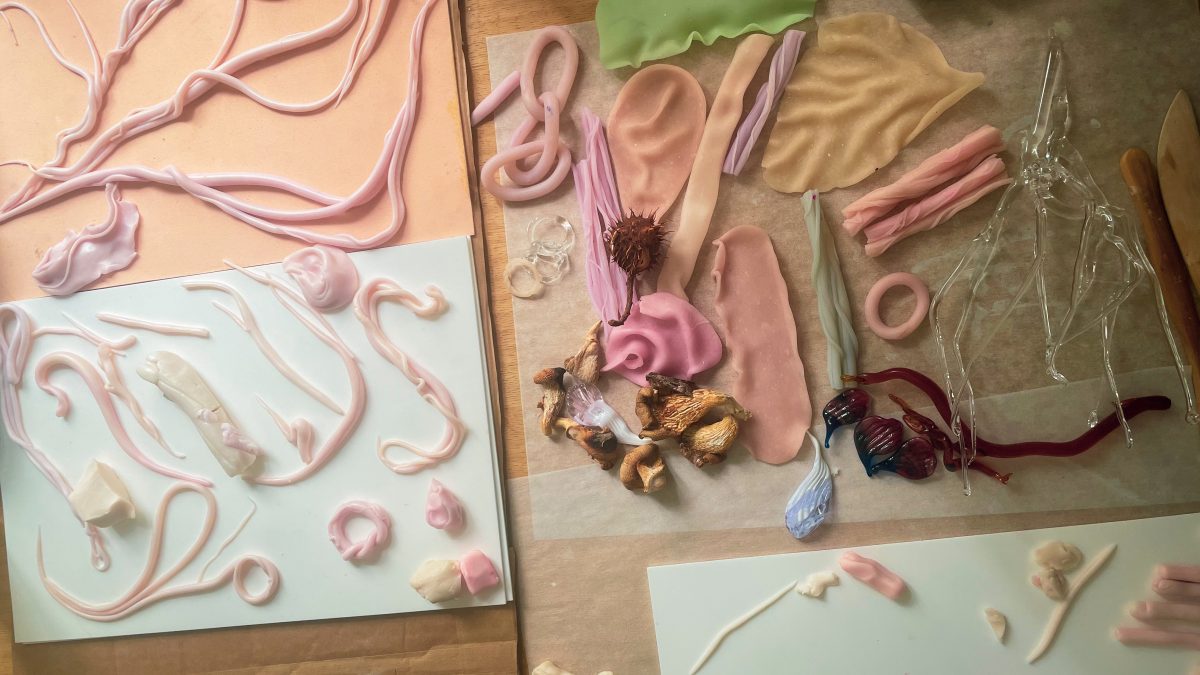
How do these uncanny elements engage with your practice?
That is what I am trying to find out by doing it. Why are uncanny things so interesting? Part of it is like following curiosity and the subconscious or the unconscious, and things that feel a certain way. For instance: Rapunzel and the way she cuts off her long hair. There is something about that image that is so charged and symbolic; it tugs at something in our unconscious.
I assume that’s why these narratives got to us and survived to this point because they’re full of uncanny images that are compelling in ways that you can’t really consciously explain.
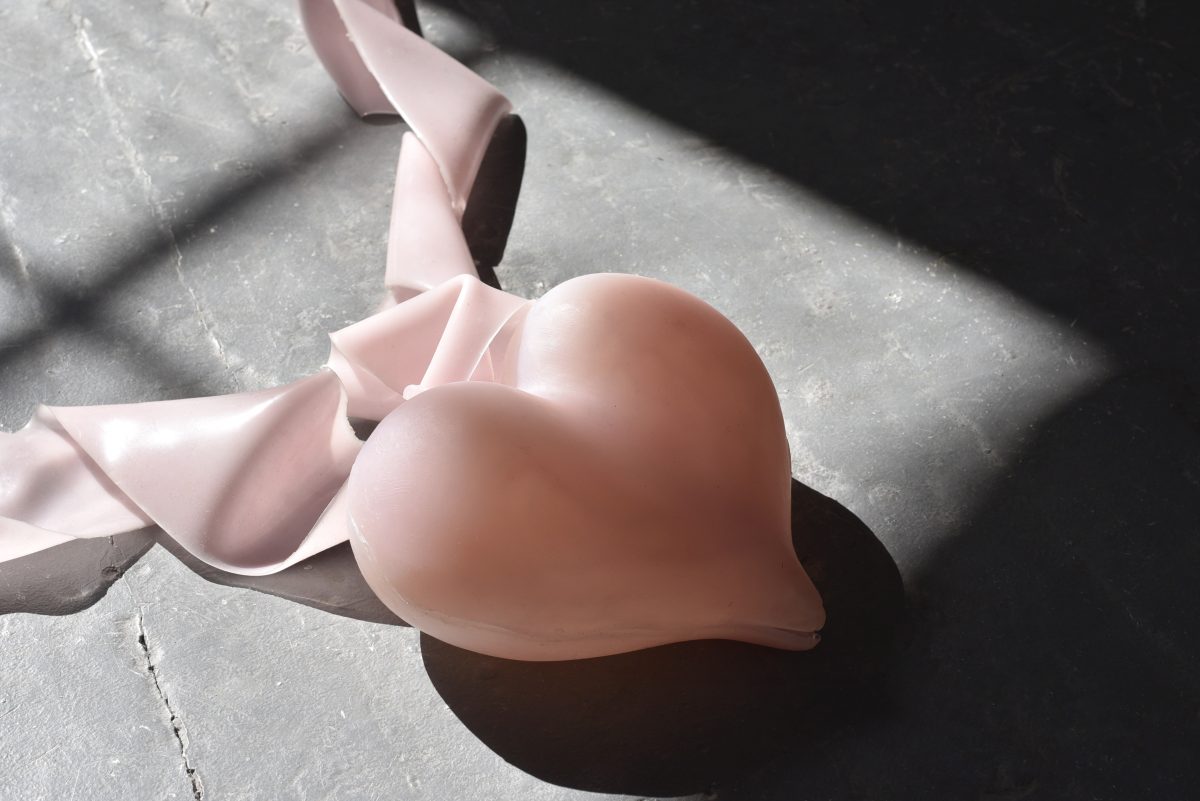
Your artworks often emphasize frames, that signifier of ’this is where it ends.’ Is that connected to the body, the division between the inside and outside?
While I’m still experimenting with frames, having a surface has been a really interesting topic to me. I also had a whole skin phase, like the membrane of where we end and the world begins. We are in the world, and we are the world, but our skin is the point in between.
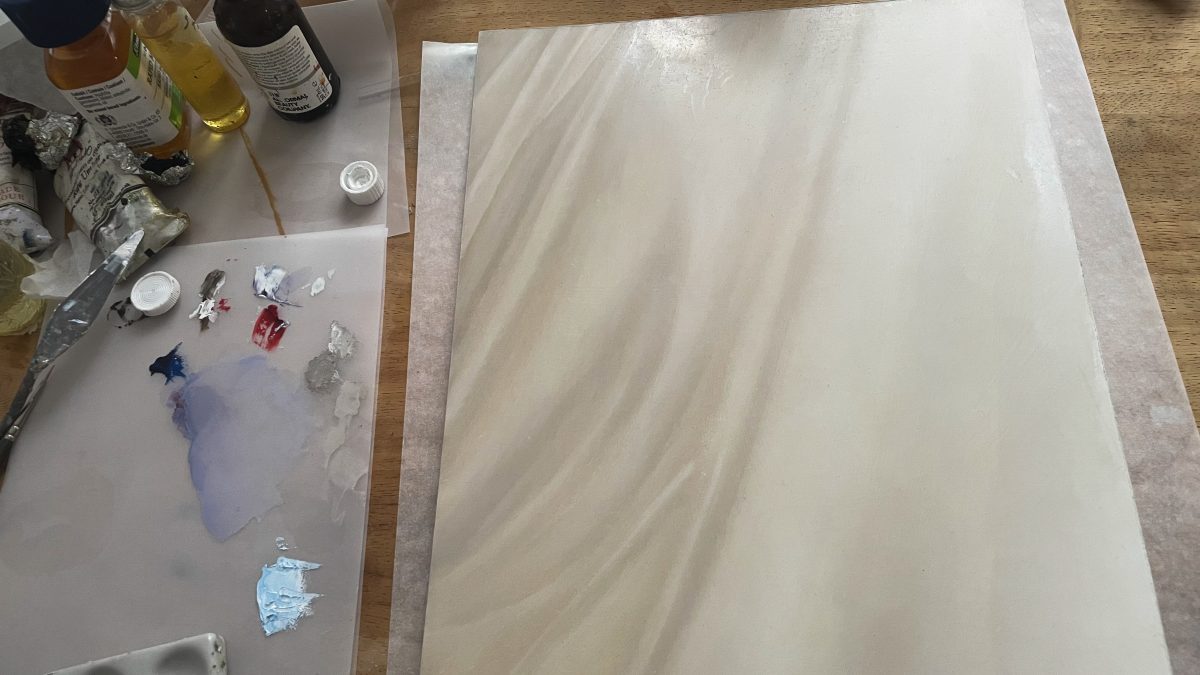
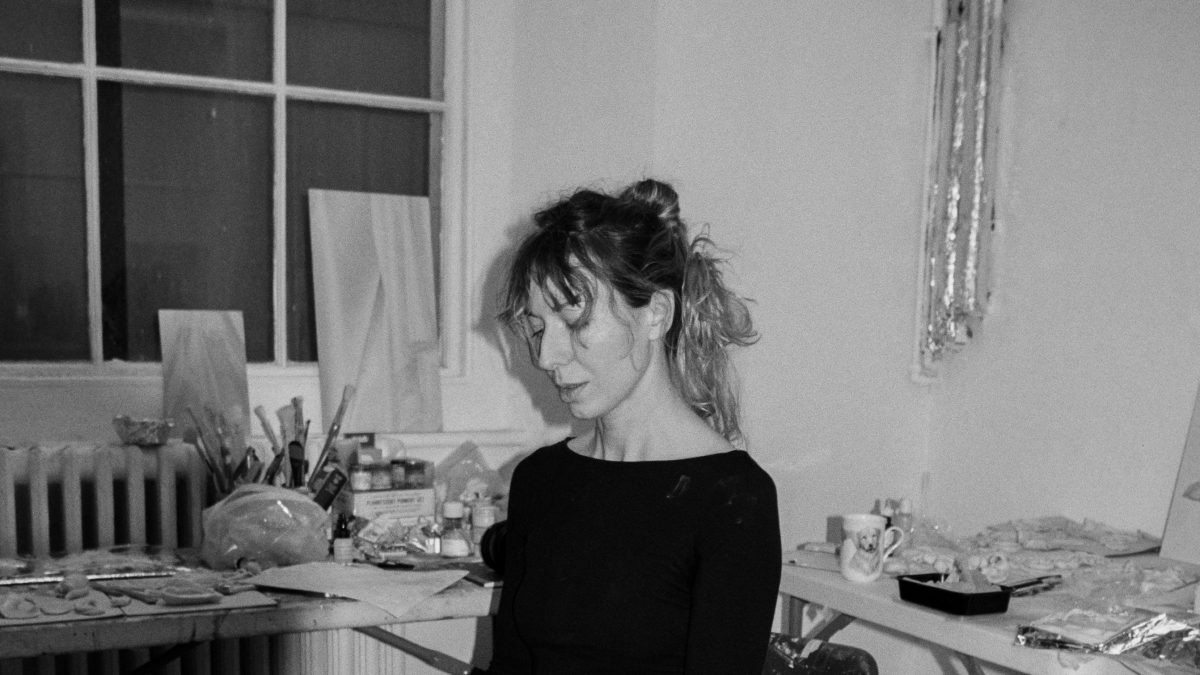
Photos // Laura Bikulčytė
Interviewer // Veronika Laczai