Meet the Artist // Lara Ordoñez
Lara explores storytelling through text and textile, connecting fabric, language, and material. Working with natural fibers, dye, and weaving, the practice reflects on identity, memory, and cultural heritage. Processes of making become a tactile form of reading and writing, shaped by time, touch, and material presence. the artist links personal experience with collective narratives embedded in material traditions
Tell me about yourself and what you’re working on during your residency at GlogauAIR.
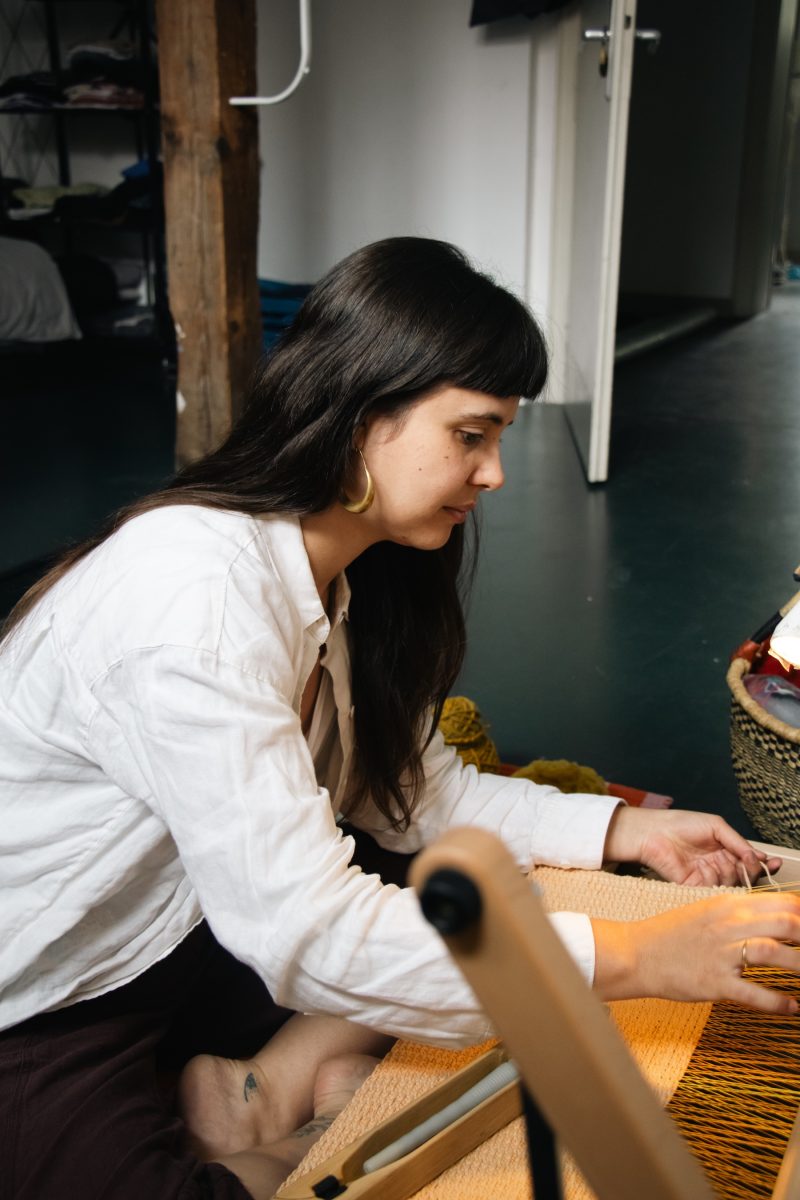
I’m Lara, and I usually work with textile techniques.
I‘m interested in investigation through materials. I source them and research traditional techniques to produce textile art.
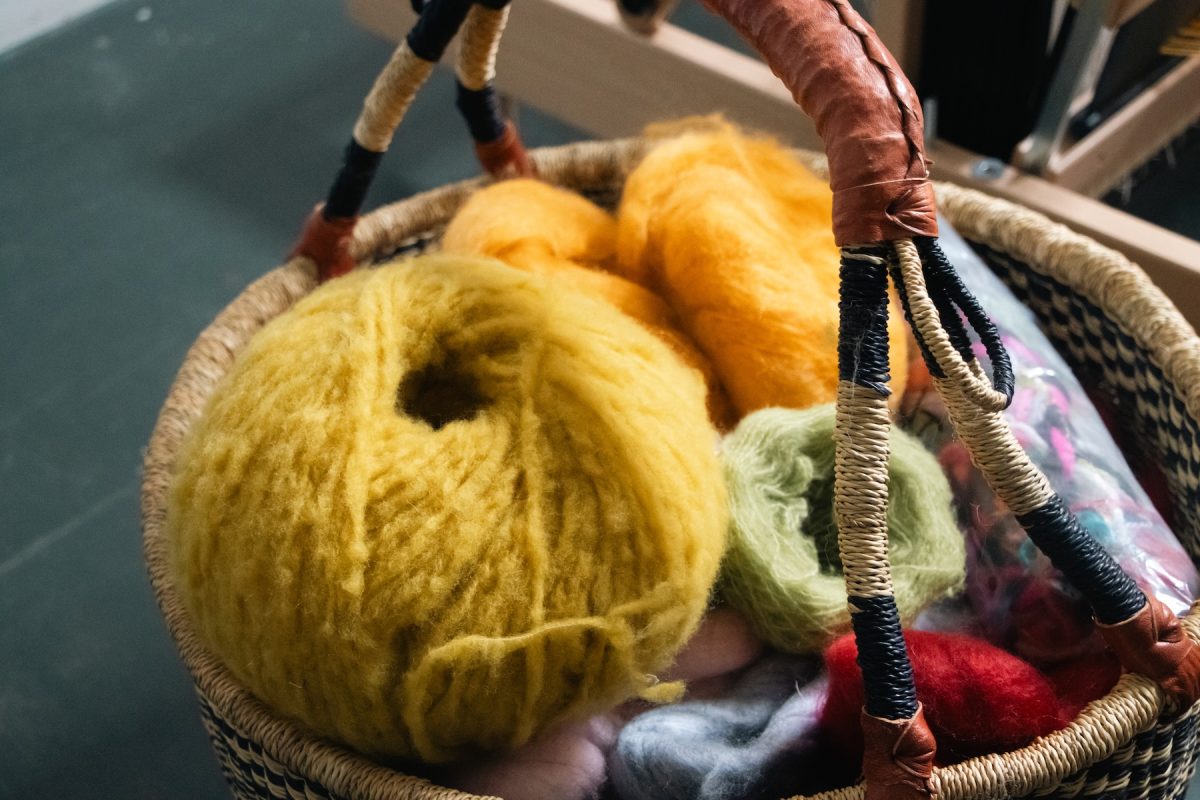
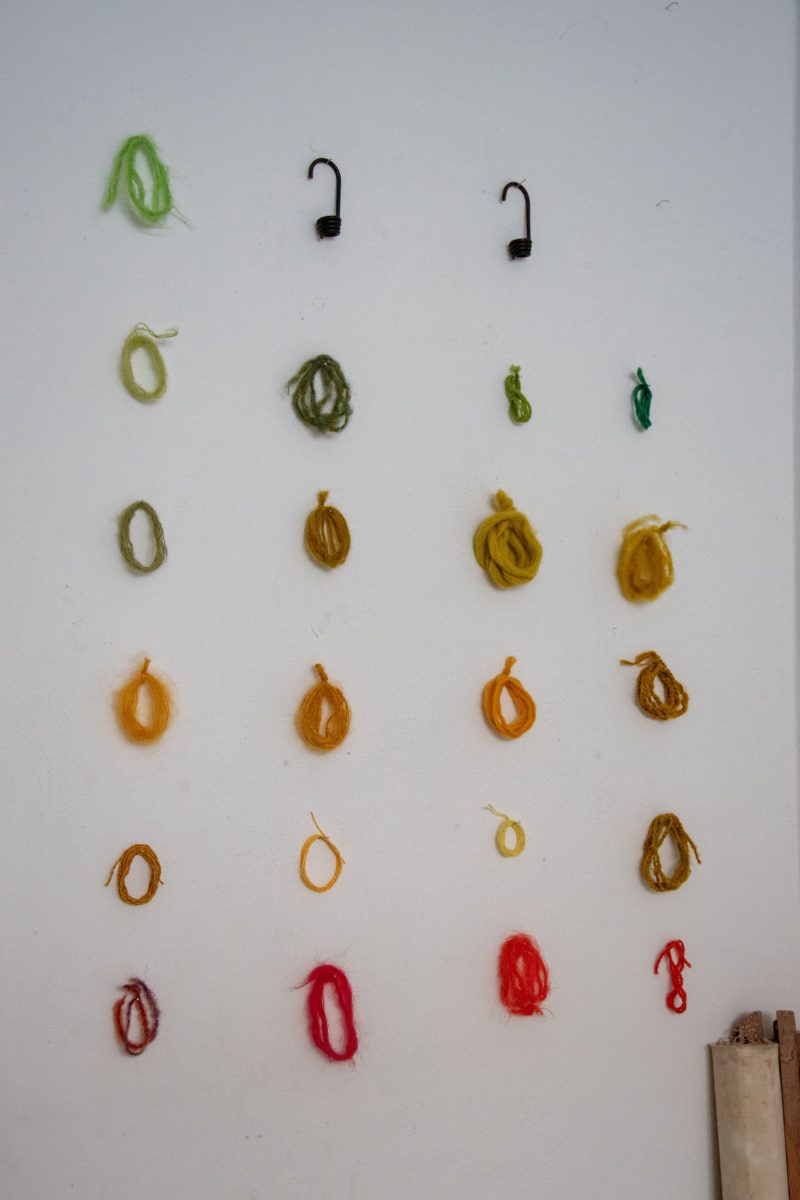
My work is related to the origin of these materials, such as wools, cottons and natural materials.
What draws you to natural materials?
I started working with textiles at university when I was doing my studies in fine arts. When I started my master’s, I tried to use materials that I had around. I always try to recycle materials and give them a second life. Because where the material comes from is really important in my practice. So, for example, in my region in Spain, we have a lot of weeds that we use for making robes, baskets, and even clothes. There’s a long tradition based on natural materials. And I use that tradition in my practice.
How do tradition and heritage impact your work?
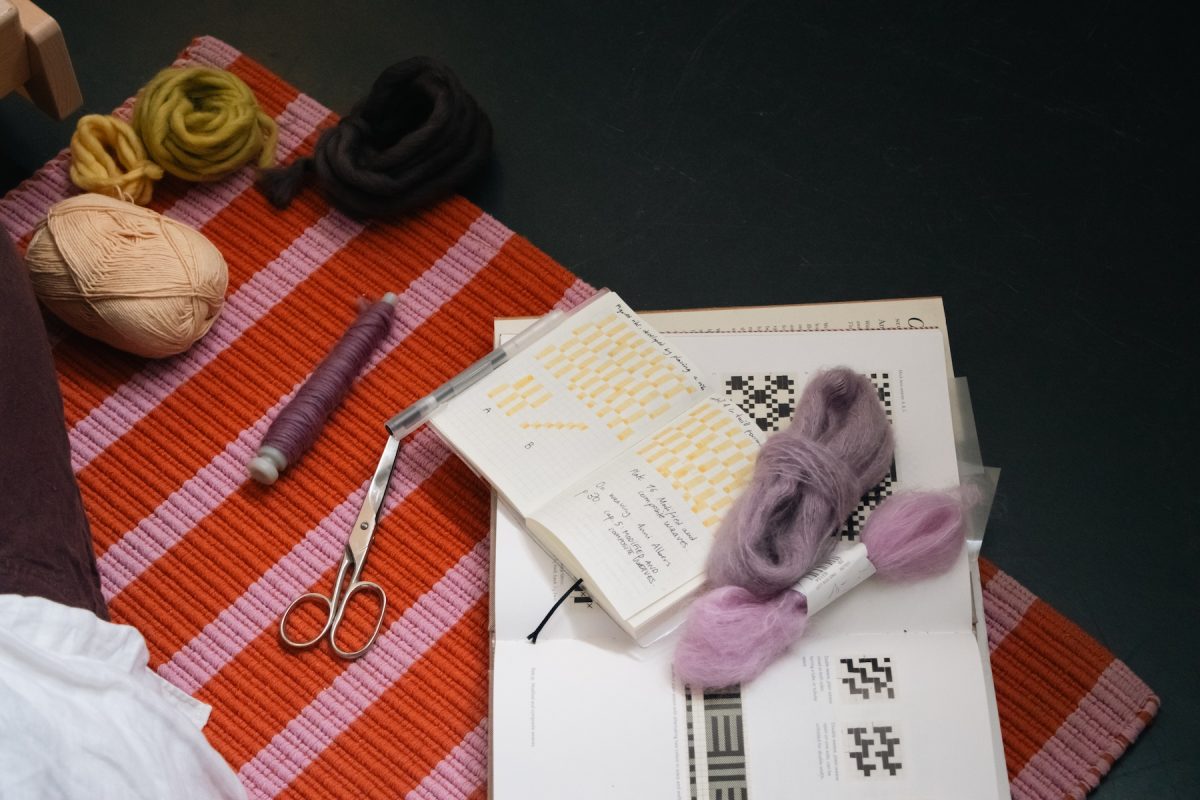
Textiles are a way of telling stories. It could be a fairy tale, it could be your own story. But one of the most important things to me is to be able to tell the story of the material before it comes into my hands. I look at where materials and practices come from. I try to recover techniques by asking people who have been working with them, but it has become really hard to find these people.
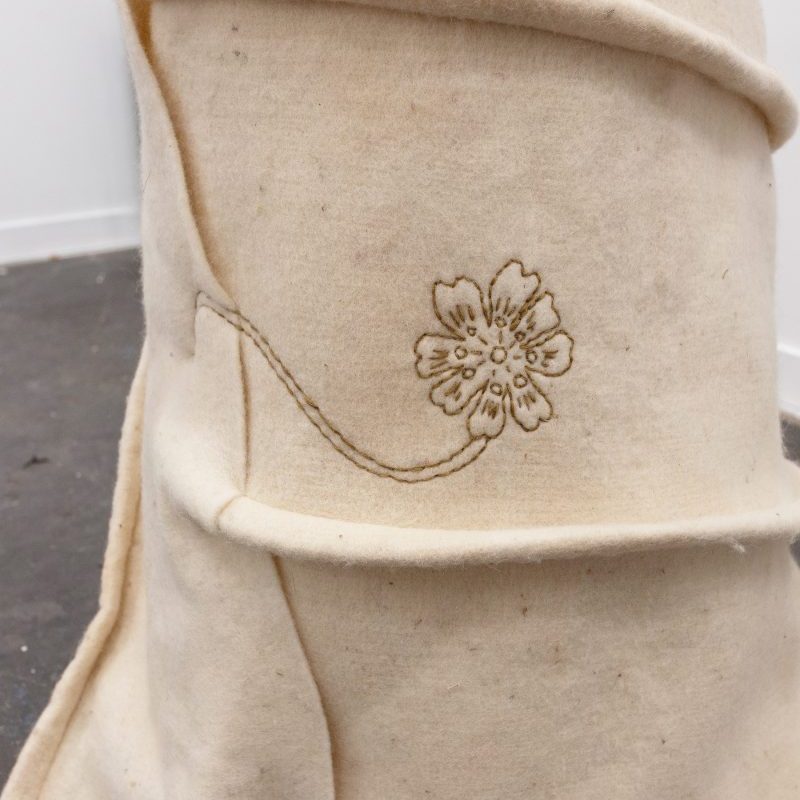
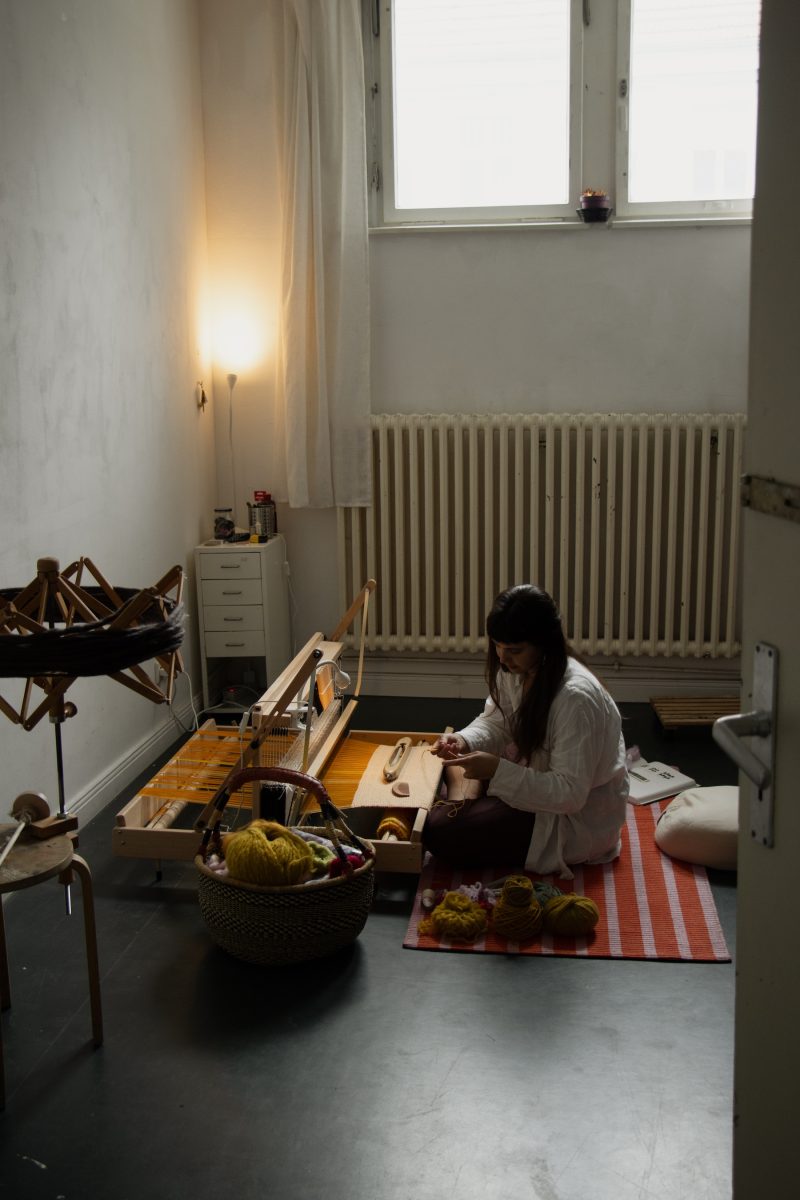
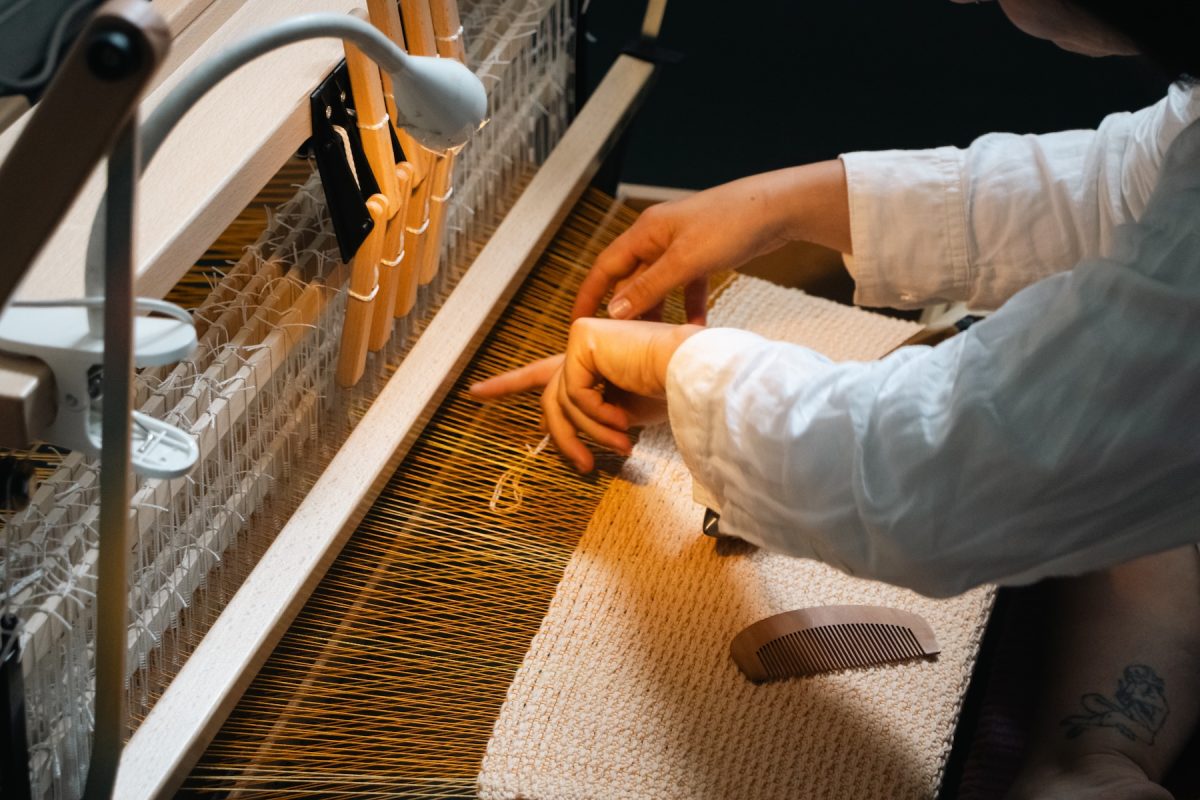
Usually, I don’t sketch or draw before I make work. The material builds the piece. For me, instead of using words, I use thread and wool to build sentences on the loom. It’s about the texture or the volume that the material has. The material builds a story almost by itself.
Of course, parts of my story are woven in. I’m telling my own story, but also a story of the people who came before me. It’s really related to women’s work and the space of the house. Textile was a way for women to express themselves when they couldn’t do it openly anywhere else, and part of that identity and memory is really linked to what I’m doing. Sometimes, when people see my work, they start telling me about how it reminds them of when they were little kids: sometimes they talk about their grandmas, their houses, or little reminders of home.
What do you want people to take away from your work?
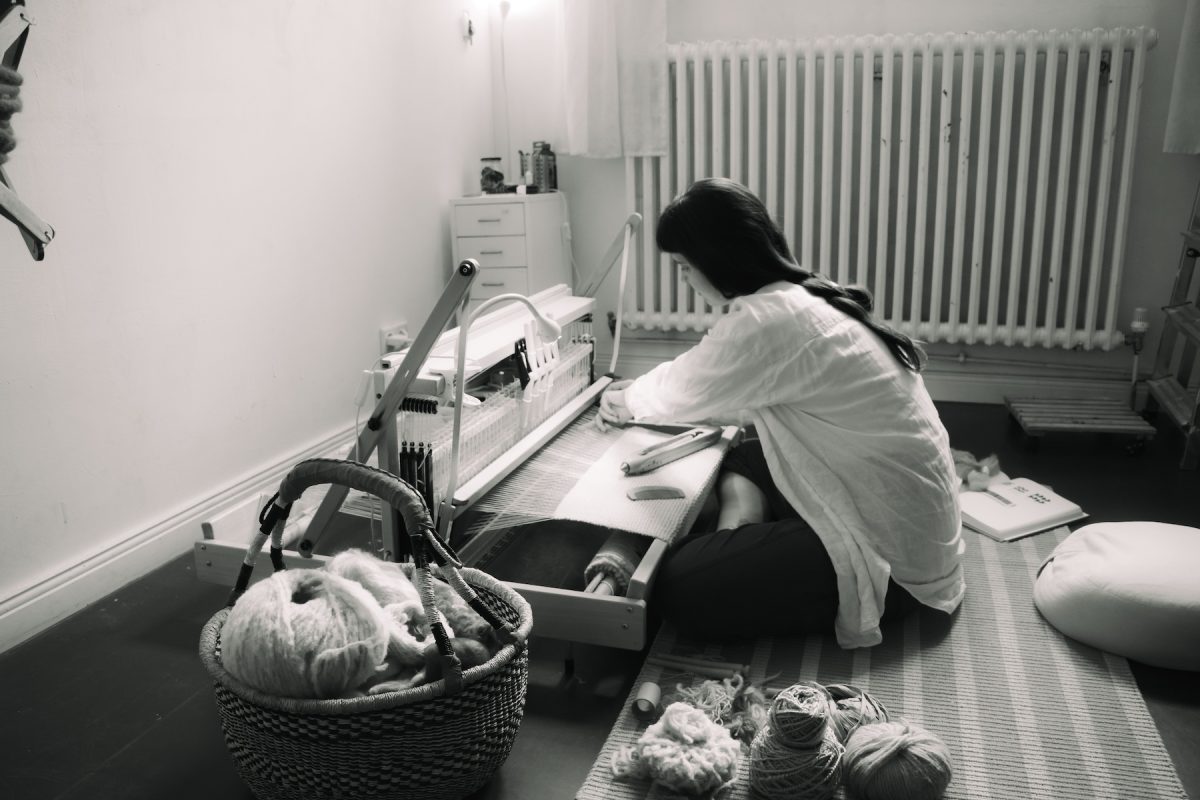
Textiles are something everyone relates to. So using all these techniques and materials is a way of connecting with other people. Textile languages are universal. It’s like all our stories are getting put together inside the loom.
We’re talking about soft materials, and it’s something I find awesome about fabrics: that softness brings you closer to a piece by instinct. As you get closer, you see all these little things that you didn’t perceive at first. I like this feeling of slowing time and getting closer. It’s a way of caring.
Interview Jo Birdsell (jobirdsell.com)
Photos Raviva Nsiama (@raviva.ziama)