Meet the Artist // Jupiterfab
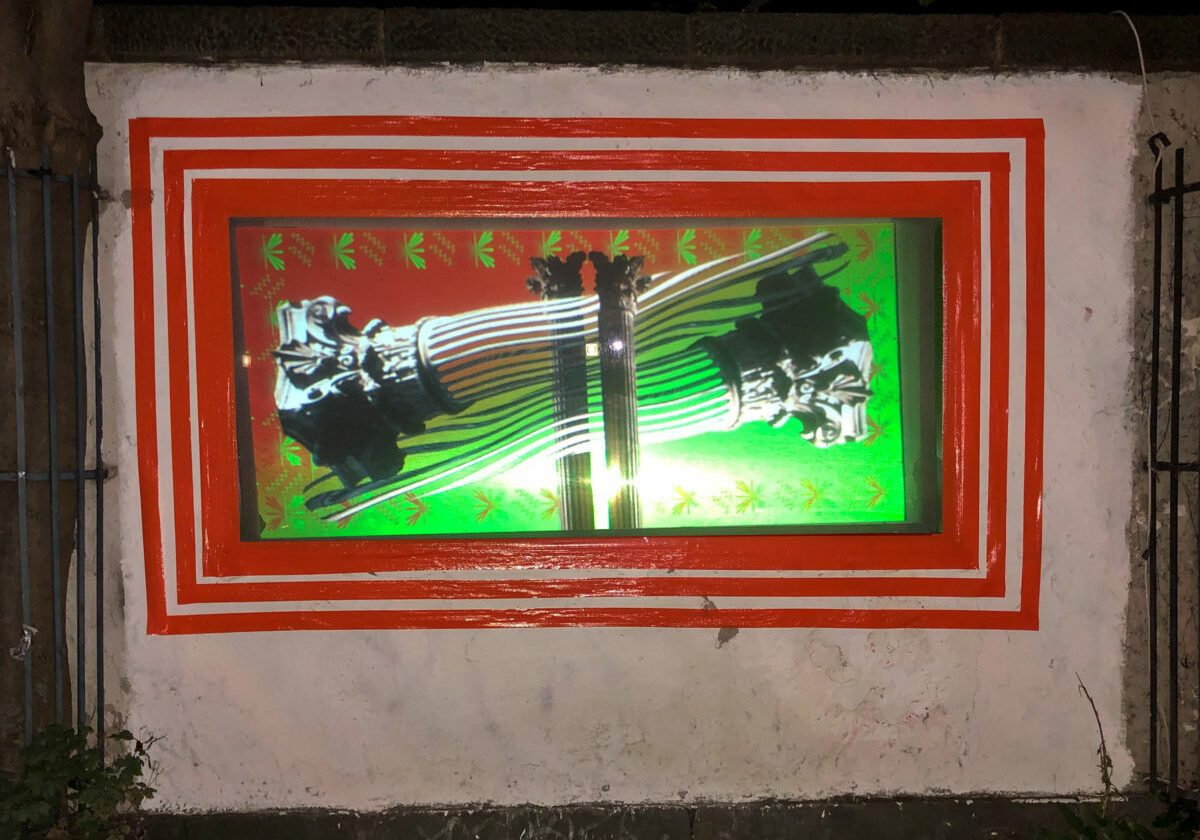
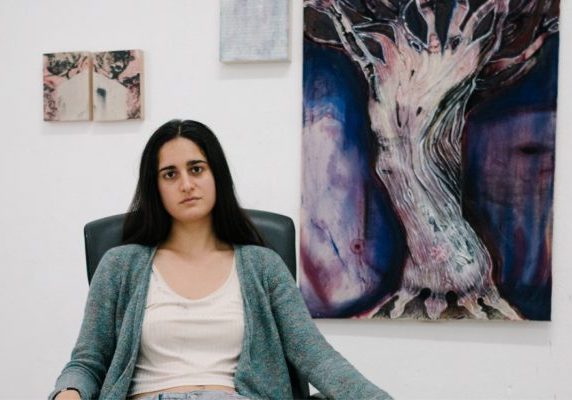
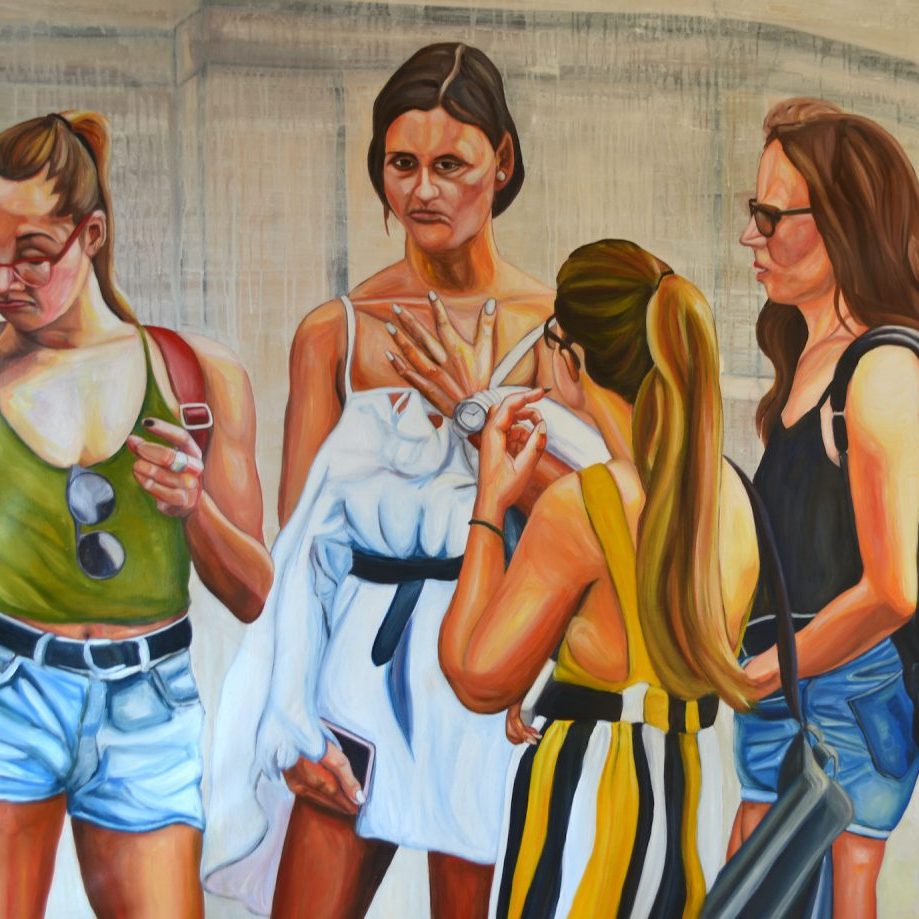
Jupiterfab is a community focused multimedia artist who combines art and science in socially engaged projects. The artist has worked in over 20 countries, collaborates with international organizations, and creates site specific exhibits with visual art, audio, and video installations. Their main media are murals and paintings, using exaggerated characters to express emotion and inspire reflection, dialogue, and community transformation.
Do you want to start by telling me a bit about yourself and what you’re doing while you’re at GlogauAIR?
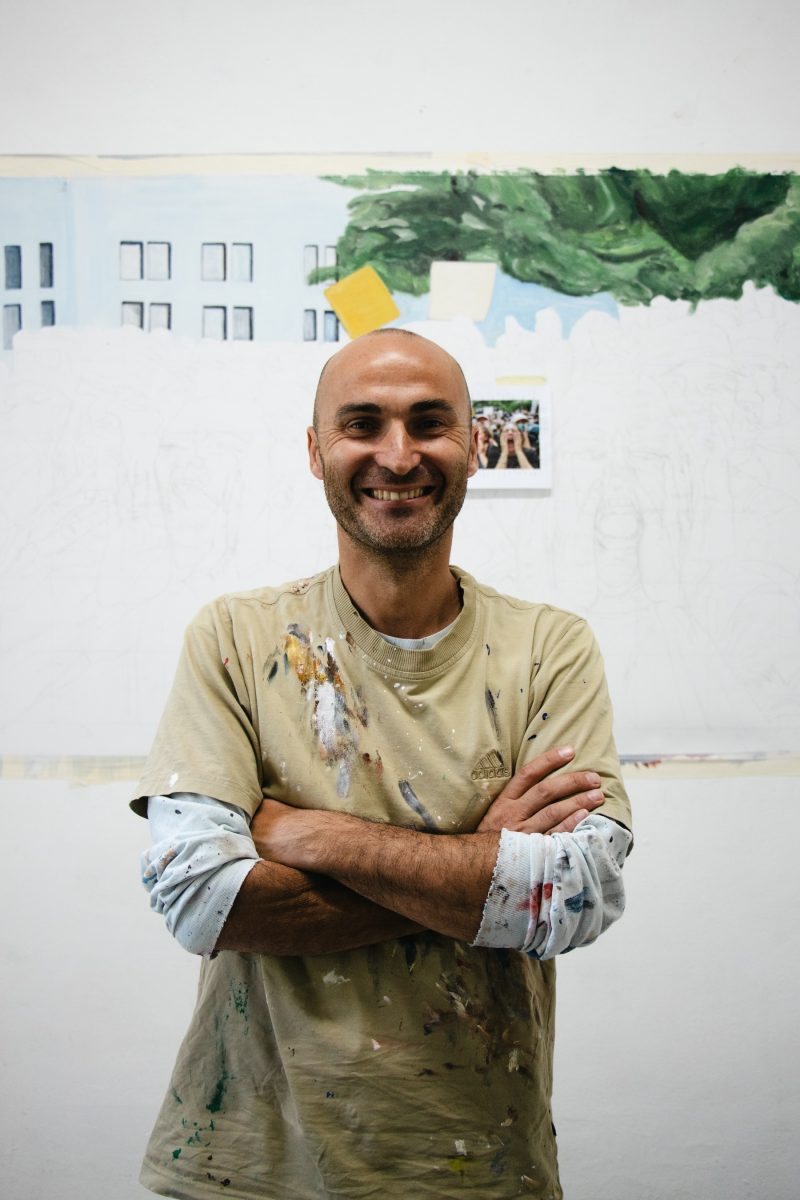
My name is Fabrizio. Jupiterfab is my artist name. I’m an Italian artist, but I’m based in Mexico.
I work on art projects with social impact. What does that mean? It means that I use art as a tool to create social change in communities. I normally work actively with communities, trying to connect with them and create an empathic bridge. I discuss possible problems, or issues that they have or they want to improve. Together we achieve the artistic element , which is like a translation of everything we want to stress and visualize.
In the last few years, I started working with social scientists from different universities, which allows me to approach the project through knowledge. The community has the chance to get touched by the art, through emotions, while at the same time, they have the chance to get in touch with someone who has the knowledge to help them.
In terms of media, I work mainly with visual art. Indoors, I create paintings and drawings. Outdoors, I paint murals in public spaces. I like the idea of the mural because I think it’s the most democratic form of art that exists. You just paint in a street and everybody has access to it.
I’m here to work on a couple of projects.
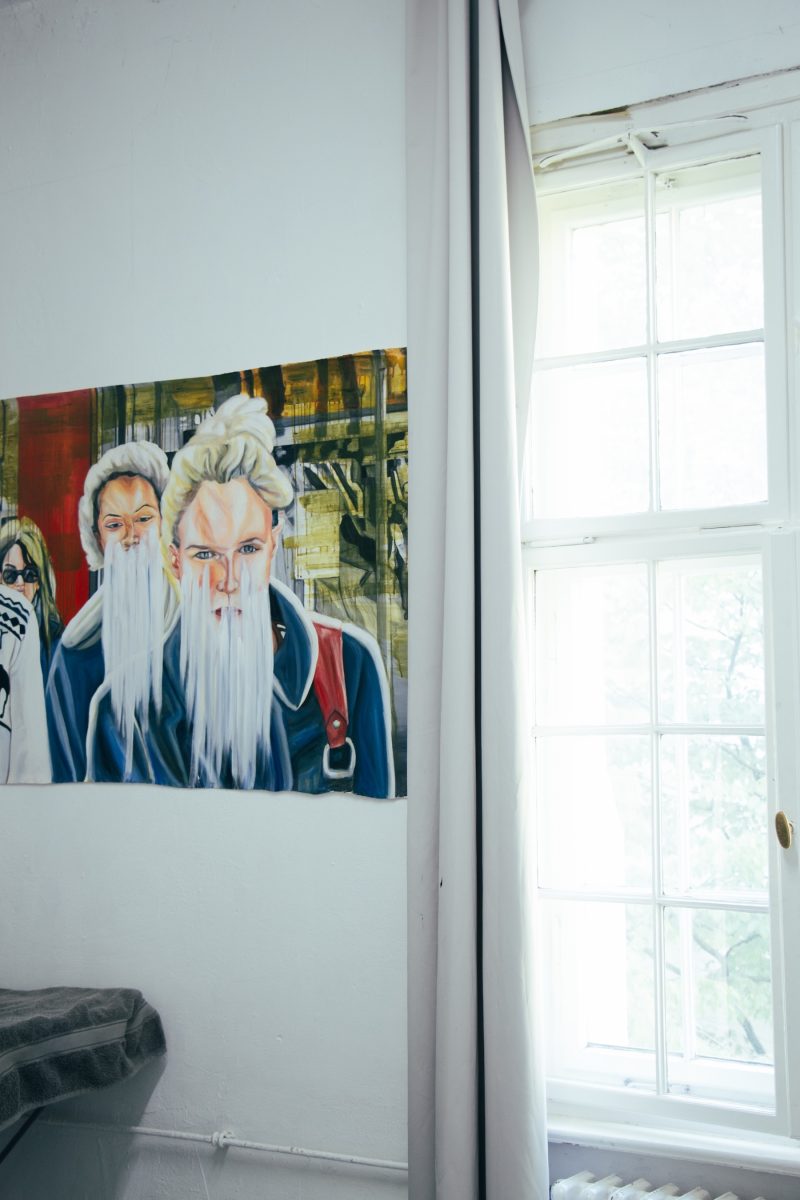
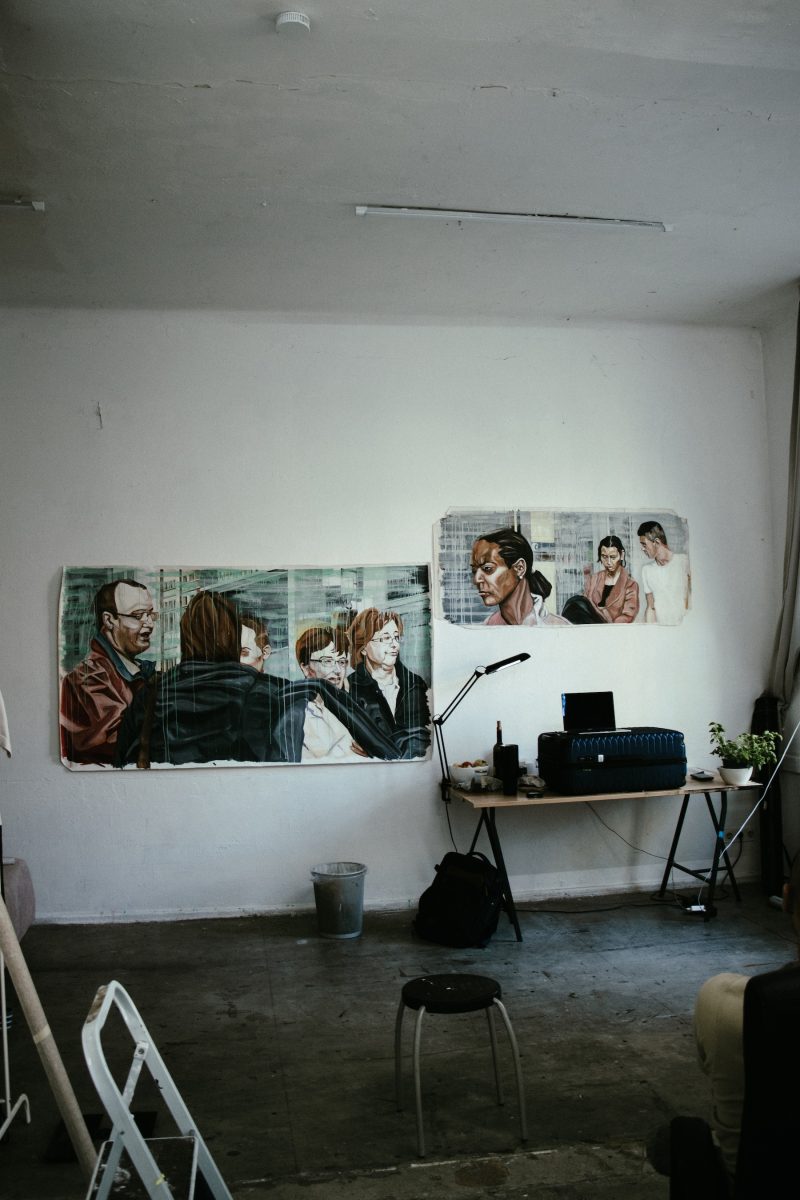
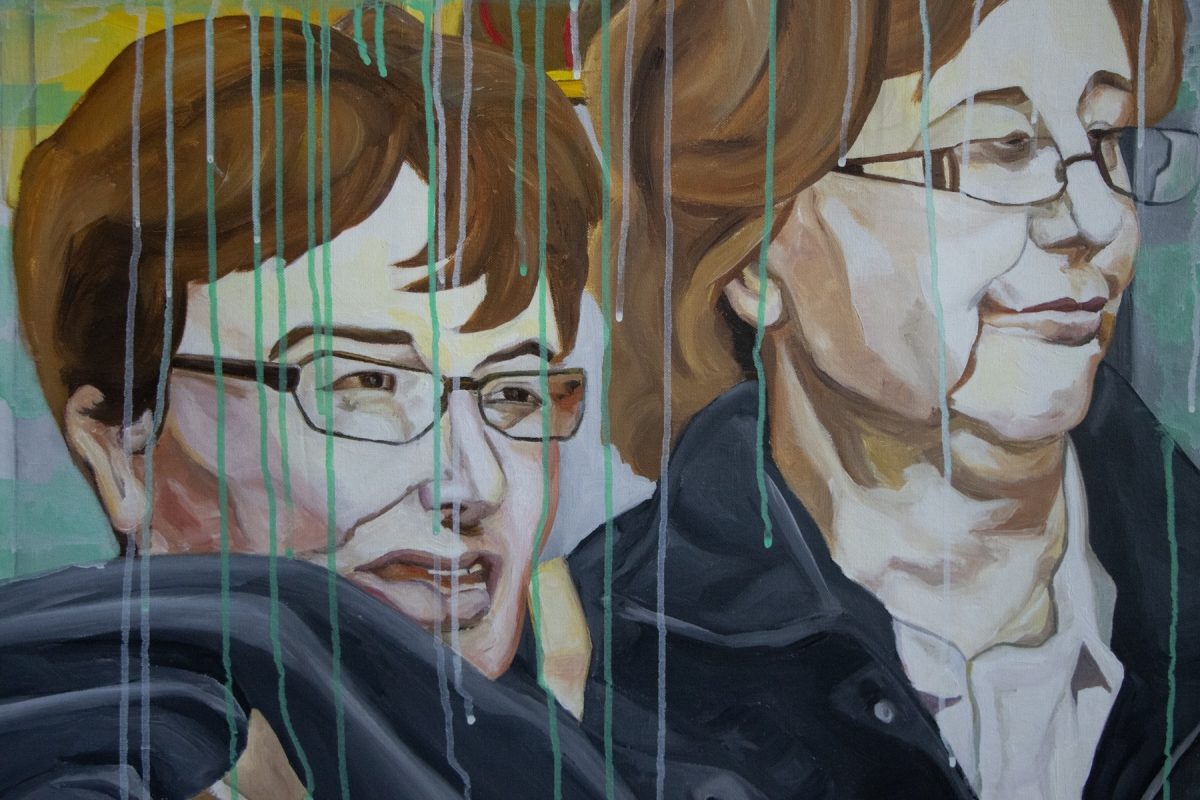
One is called Is This Modern Society? It’s a worldwide project that I started 10 years ago. It has been developed in 17 countries and four continents. It’s about the importance of finding a better balance with the use of digital technology in our lives.
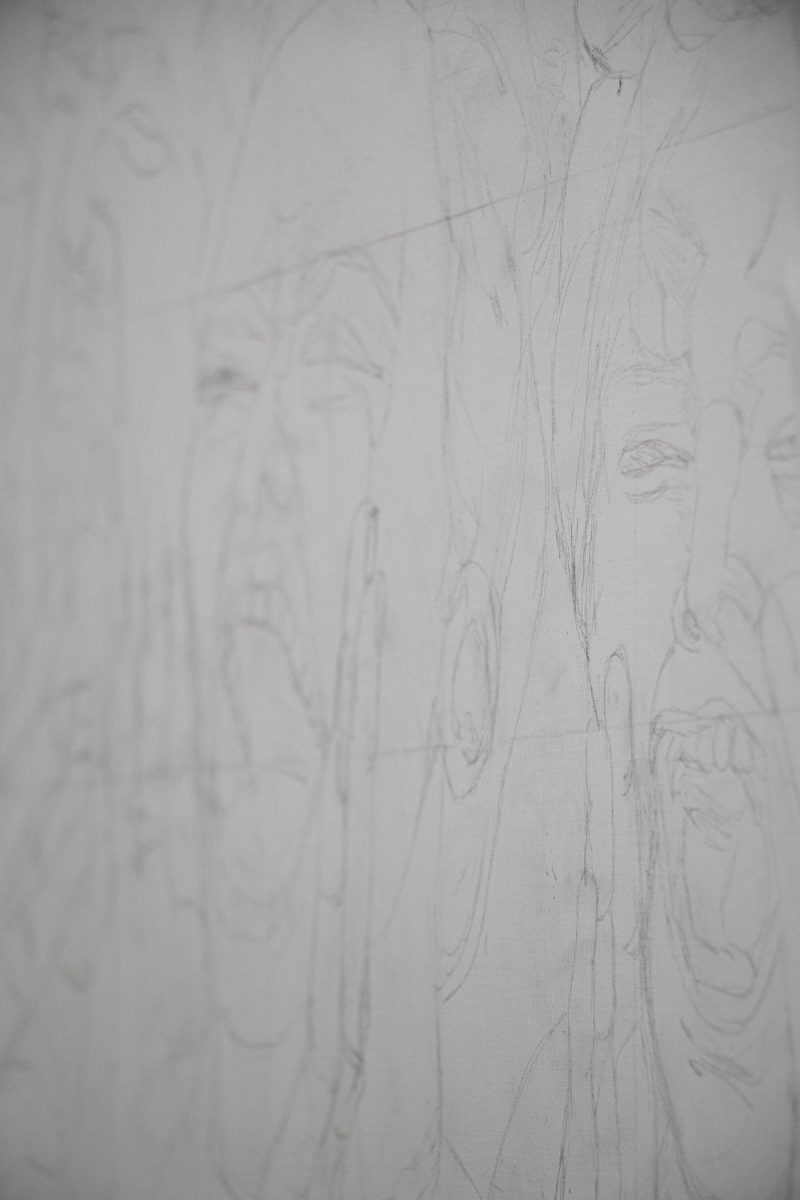
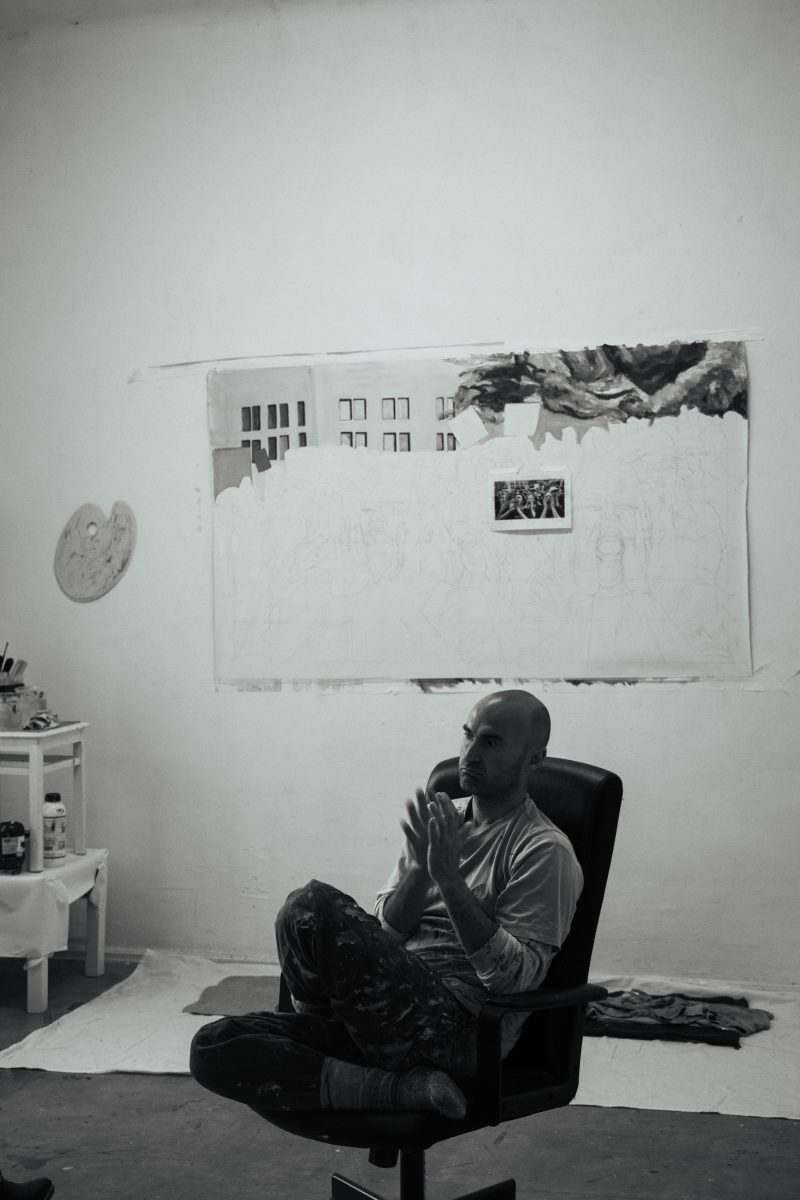
The second project is called The Right to Protest, and it’s a project about the importance of protesting peacefully for our rights.
The idea for the project is actually new. I’m working with a team of professionals: a professor of digital art, an expert of authoritarianism and government, a journalist working in human resource, and a lawyer.
The idea in this case is to work in collaboration with several NGOs in different countries around the world to portray the importance of demonstrating peacefully in the street. We’ll link each location and each NGO with a specific right that is important in that area, then create a mural that represents people protesting peacefully. But the mural will also be activated with a series of information: video reportage about the specific case in that area, about the specific rights, and studied, deep analysis of the right to protest in the area or country we are working in.
When you’re thinking about painting something indoor versus something outdoor, how does your process change?
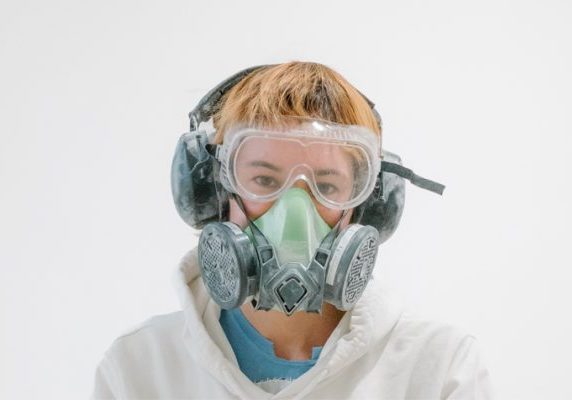
When you paint outside, it’s very important to prepare. Preparing the sketch, studying the architecture of a building, the possible architecture limits, and the context of the area.
And then when you paint, it’s actually the fastest part of the process. Because you paint in the street, you want to be fast. You don’t want people to see a piece of art that is not finished. At the same time, you deal with the fact that you are outside, so there are natural elements.
There’s also a difference in messaging. The way I paint murals is more accessible, easier to understand. So if someone is in front of it, they can see the message clearly. Because it’s for everyone.
When I paint inside, it’s more intimate. I’m not stressed with deadlines , generally, so I can take more time. I can leave a piece and start again after a period of time. I can use my own language and play more with my visual language, because it’s not just for everyone. I mean, it’s still accessible, but I can play a little more in terms of time and in terms of complexity.
How do you want people to feel when they see your work?
My art stimulates people to re-think about their lives, questioning their principals and behaviors, inviting them to stand for our rights but also to be self-responsible, in a particular context that incites us to do the perfect opposite.
My artworks are always based on a concept but are accessible to the comprehension of an attentive audience.
Interview Jo Birdsell (jobirdsell.com)
Photos Raviva Nsiama (@raviva.ziama)