Meet the Artist // cheynne hedrickson
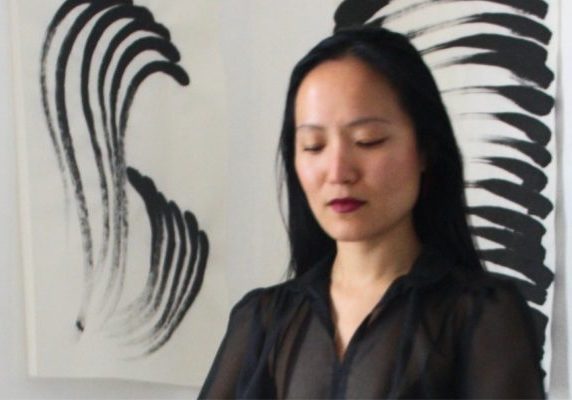
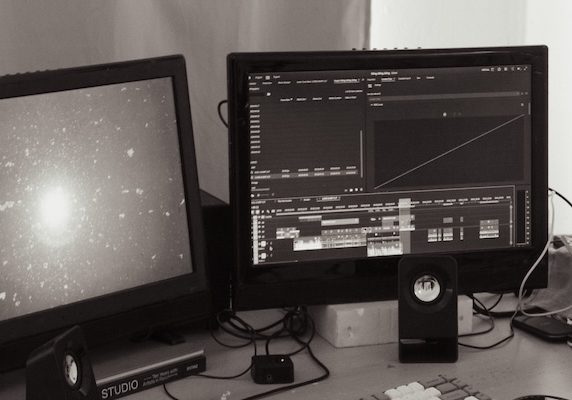
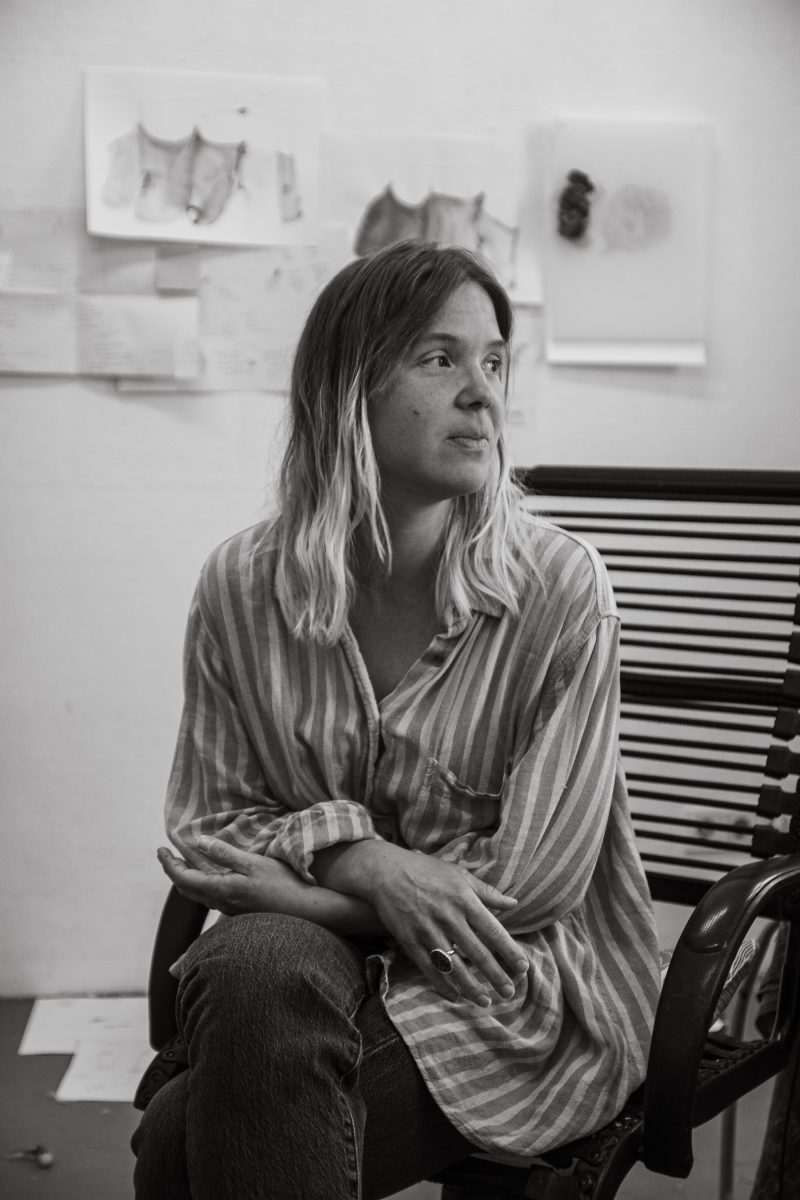
cheyenne hendrickson is a multisensory artist exploring the human body, especially the in-between; a fluid membranous space where inside and outside remain in negotiation. Through intuitive, phenomenological, and sonic inquiry, she engages with the unseen visceral worlds, not to explain them but to be with them. Working with installation, sound, sculpture, and video, she creates immersive experiences that attune us to inner bodily dialogues, inviting others to encounter their own interior through listening, touch, empathy, and intuition.
Do you want to start by telling me a little bit about yourself and what you’re working on while you’re here at GlogauAIR?
Hi, I’m cheyenne. I am an installation and sound artist, and I use materials to work with and explore inside the body. My practice comes from my own personal experience of having a body, not knowing about the body, and having my body explained to me. My artwork allows me to counteract that by exploring my body, and finding my own intuition and internality. My work is about trying to understand the world from the inside, about taking back my own agency.
I live with a condition that’s so unknown. That’s governed by statistics and life expectancy percentages. And my work is my way of gaining my own personal understanding of my body. What is my body saying to me? My work helps me listen to myself. It helps me hear myself. And when I do that, I’m able to relate to and connect with other people. It becomes a way of relating to others.
The only thing that I know is how to be human. That’s what my work is about. How do we understand ourselves in space? We don’t know how to live as trees. We don’t know how to live in the ocean. We can only be human. We can only live in our bodies.
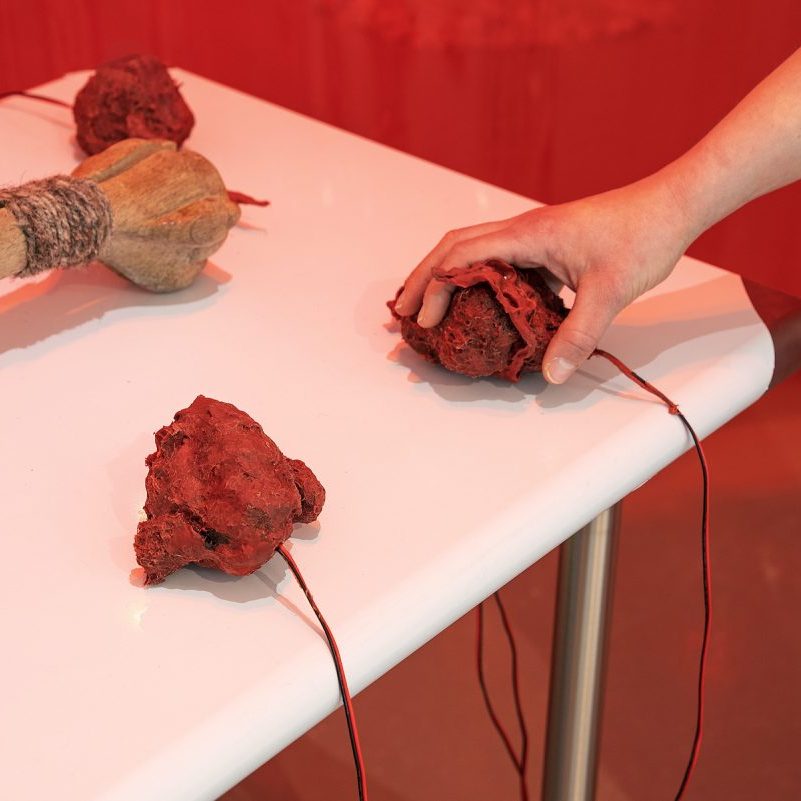
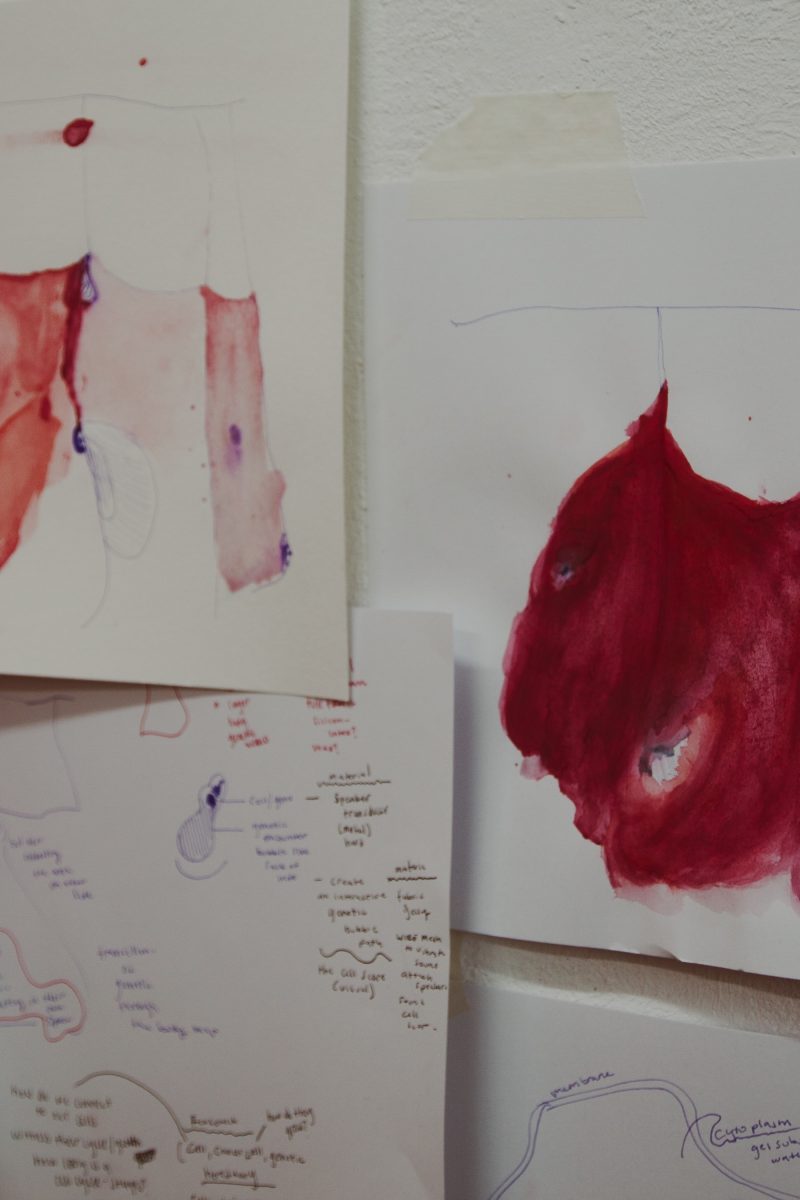
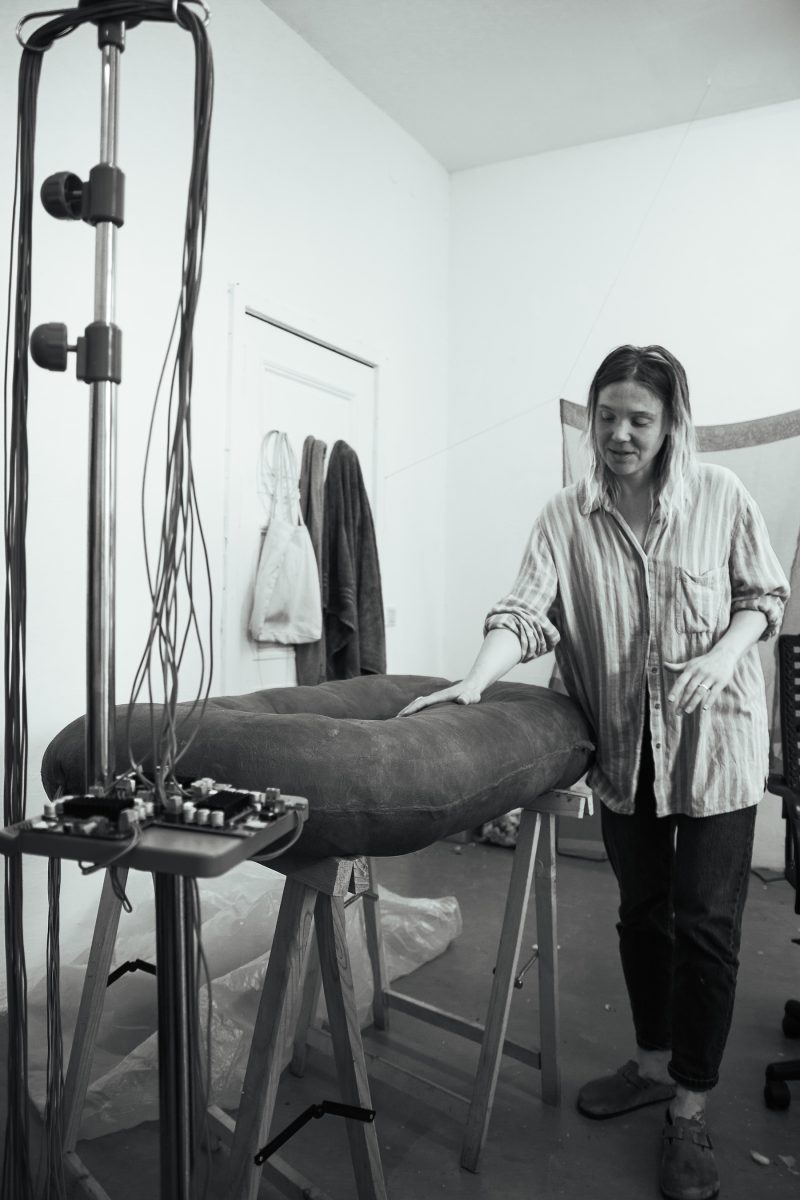
So right now, I’ve been working on Sonic Inheritance, which is a body sculpture with seven tumors inside. Each tumor has a sonic portrait that can be heard and felt when the sculpture is worn. The sounds come from field recordings from locations that were important to my ancestry, which ties back to my disorder. I have a hereditary disease where I grow tumors. So here, my tumors come in conversation with my ancestry. So this project is a way of exploring sonic memory. Is there a location from the past that can help me understand what’s inside of me?
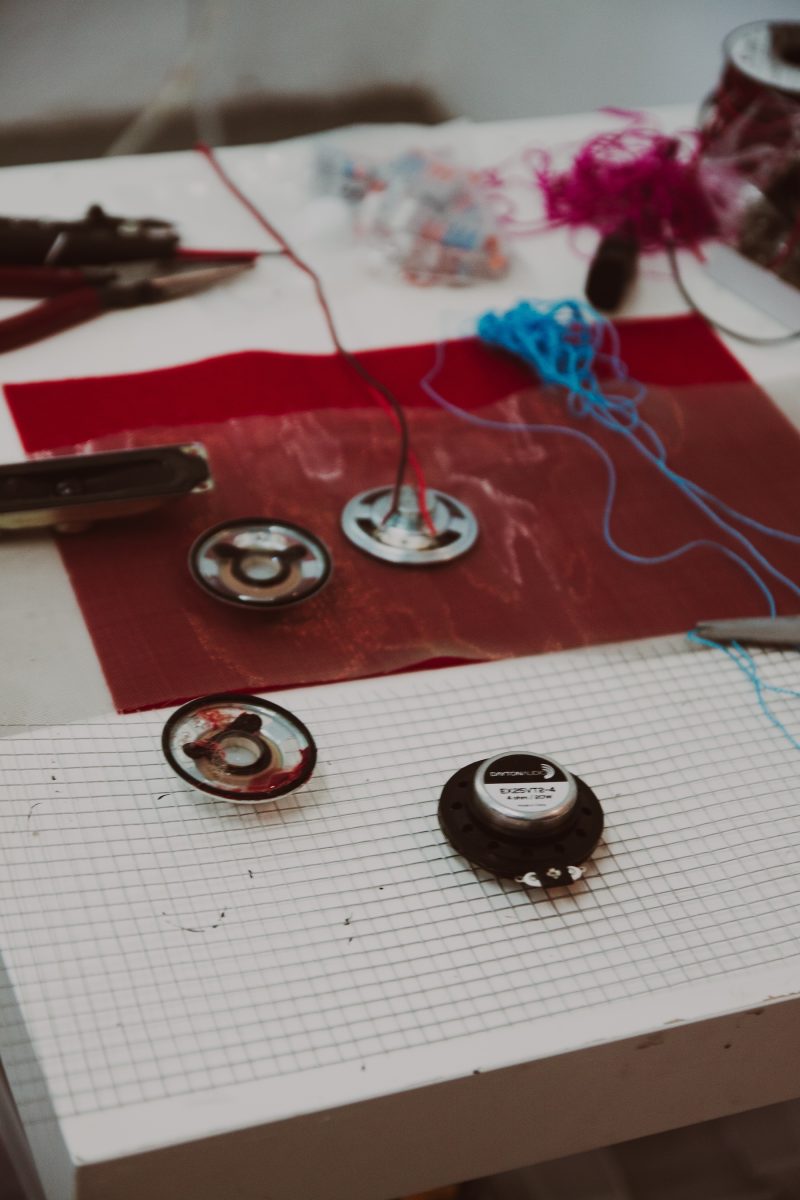
Next, I’m creating a genetic flesh wall. I’ll have several panels, and each panel will have a speaker. When you come up to the wall, you can listen to it, and a person on the other side of the wall can listen too. But you’ll be listening to slightly different tracts to simulate a genetic mutation. So you’re listening to how genes, in my interpretation, misunderstand and misspell.
You’re a multimedia artist. What materials are you drawn to?
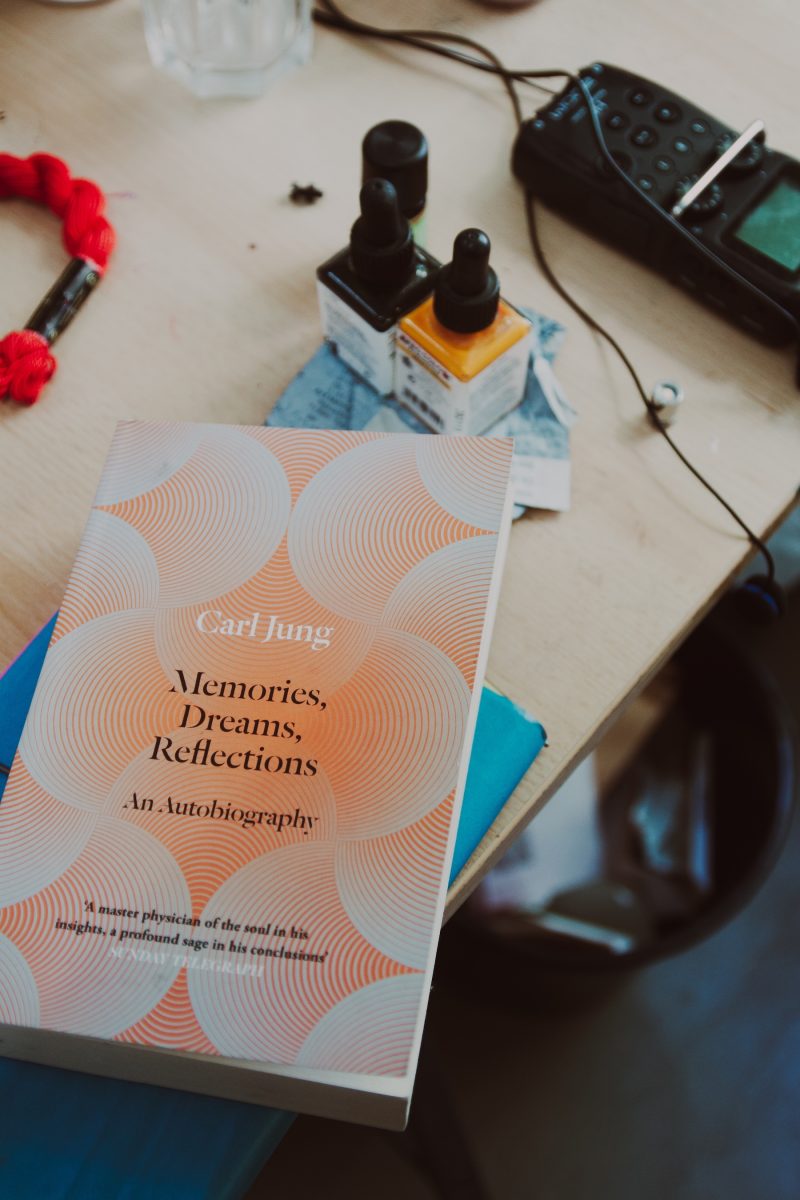
What mediums do I use? All of it. Do I know all of it? No. But I like to use different mediums to try to explore what I’m talking about. And the mediums I chose affect how people engage with my work. So I’ve noticed that if I want people to touch my work, it has to be made of something that they’re used to touching, like fabric for example. Because, if you have a work that looks techie or ceramic, people are scared to touch it.
But form also affects people’s engagement. For example, my last work was in the shape of a pregnancy pillow. And when I showed it at the Hirshhorn Museum, I was impressed by how many people knew what to do with it immediately without any explanation. They immediately put their bodies in it and on it, and no one was concerned about being face to face with a stranger while touching the work. I haven’t seen that since before COVID. So the idea of listening inside the body, and engaging with the body, was something that people wanted to do together, which is really cool.
But a lot of times I do material exploration. Sometimes, I just play with material. Right now, I’m experimenting with latex. I love it. I love how it disintegrates. It’s never going to stay, and that’s really exciting to me because that’s everything that we know of. I am really conscious of each material and what it can represent. A lot of my works are stuffed with wool because I use wool as a tool to associate with my lineage, because my family were sheep herders. It’s a filling, like blood.
What do you want people to take away from your work?
I think I look at art like this: you as a person are the art piece. What you see is much more about you as a person and the experience you’re bringing in than the work itself. What does that make my role as the artist? I think that’s a really important question. I don’t want my work to just express how I’m feeling. I feel like people are so disconnected from one another, and I want my work to really dismember individualism.
Everyone has their own body and their own experience of their body, sure. But I think that we sometimes separate ourselves from one another to such a degree that we can’t access our own internal spaces anymore. I think I want us all to explore how to move through the world with our bodies. And in sharing that experience, we become more connected to each other.
Interview Jo Birdsell (jobirdsell.com)
Photos Raviva Nsiama (@raviva.ziama)