Meet the Artist // Arnika
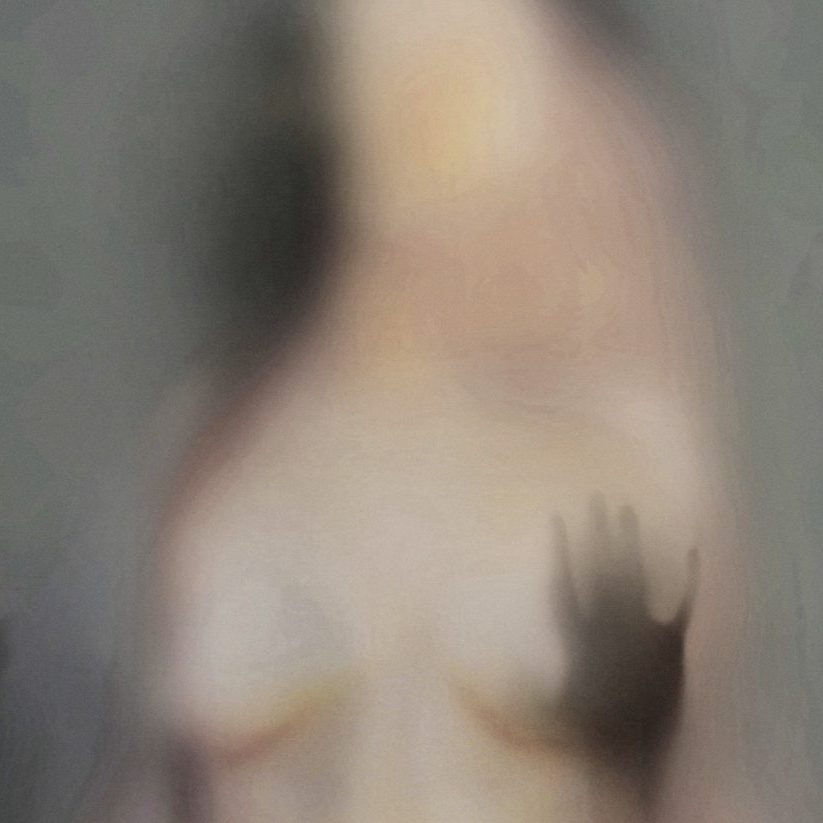
Ashleigh Hobbs, known by her artist name, Arnika (b. Australia) is a multidisciplinary artist and musician working across sound, performance, and lens-based media. Her practice explores feminine identity, bodily autonomy, and emotional extremity through self-portraiture, experimental music, and performative image-making. Drawing on personal narrative and embodied experience, her work collapses the boundary between subject and spectacle, examining how identity is shaped, distorted, and reclaimed under the gaze. Through sound, movement, and visual language, Arnika transforms vulnerability and exposure into sites of tension, catharsis, and reclamation.
Tell me about yourself and what you’re working on during your residency at GlogauAIR.
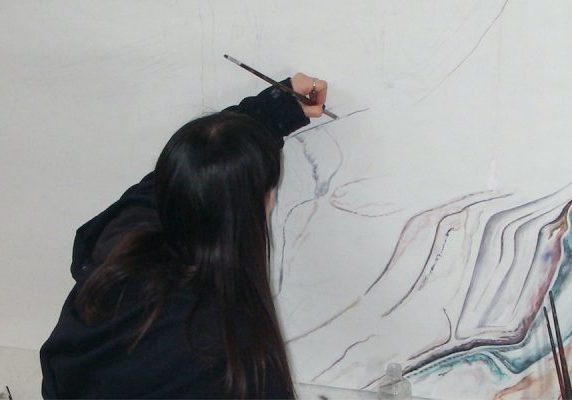
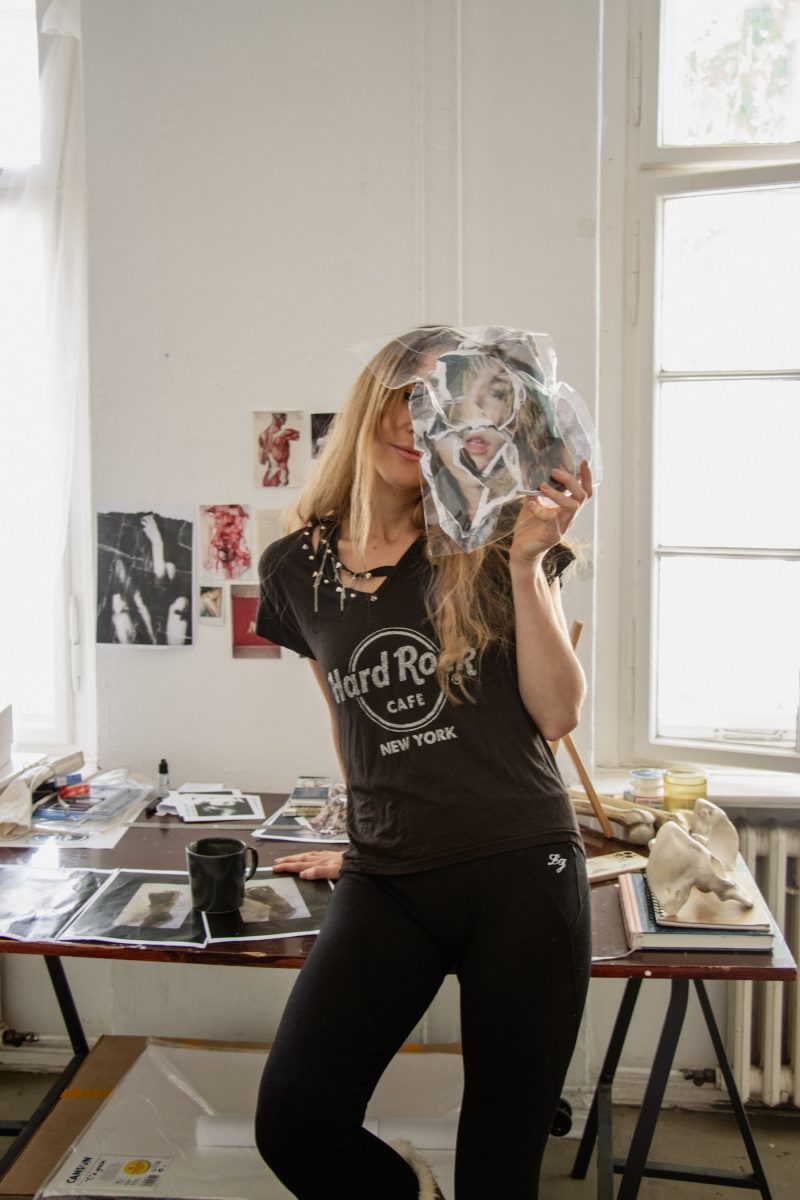
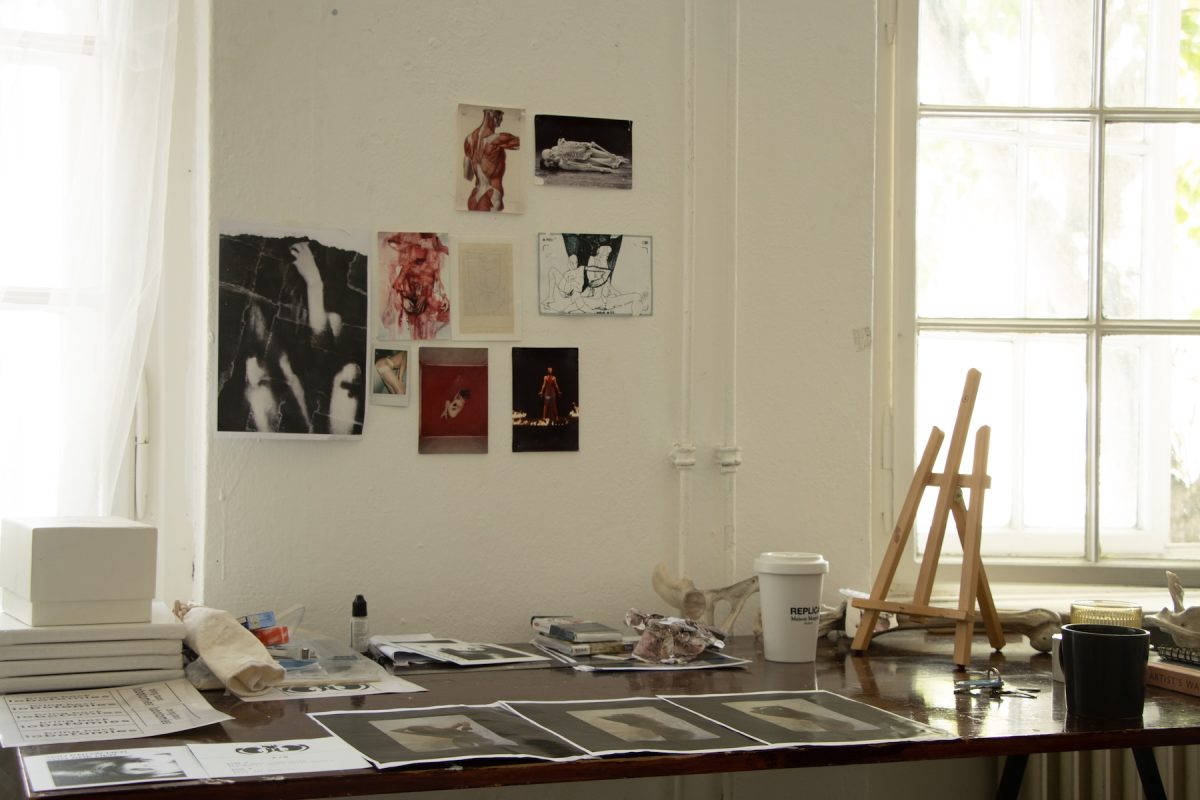
I’m a multidisciplinary artist, so my practice is very hybrid. Most of my work begins with a concept or narrative, and from there I build a world using performance, sculpture, photography, video, sound, and writing.
I work a lot with the body and with ideas of femininity, trauma, and transformation.
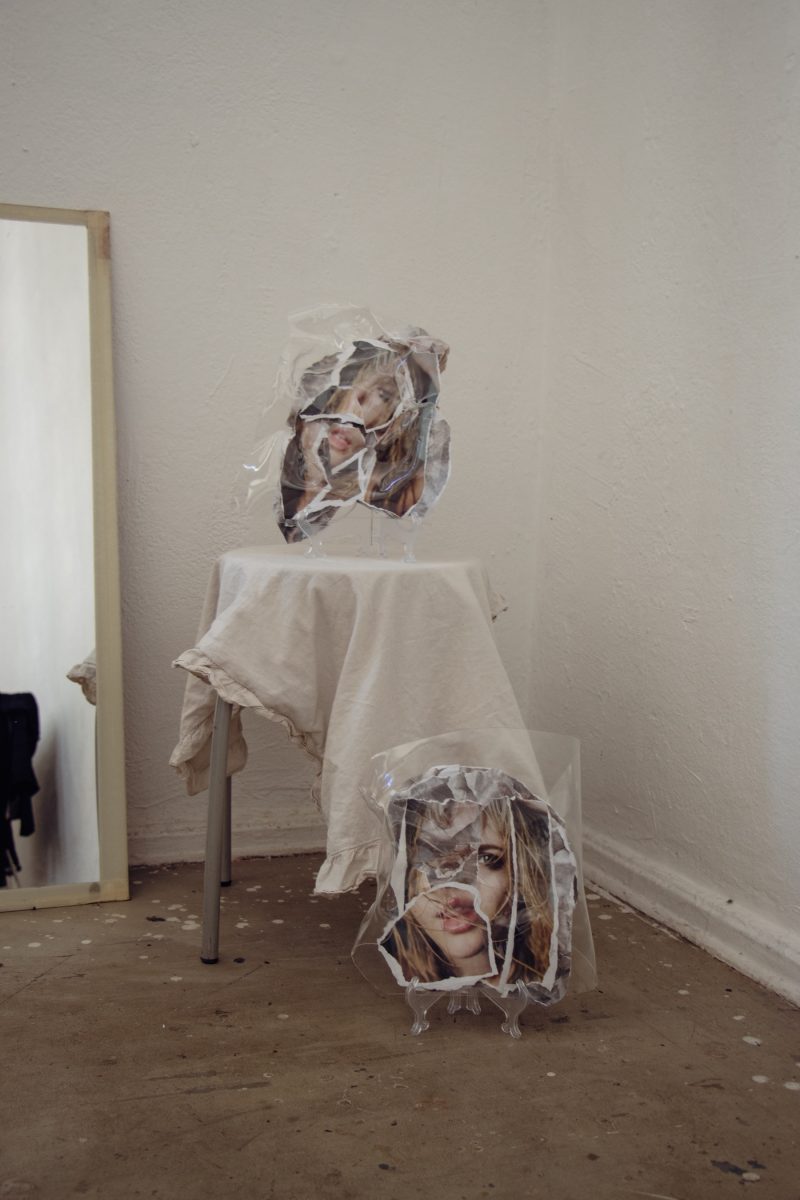
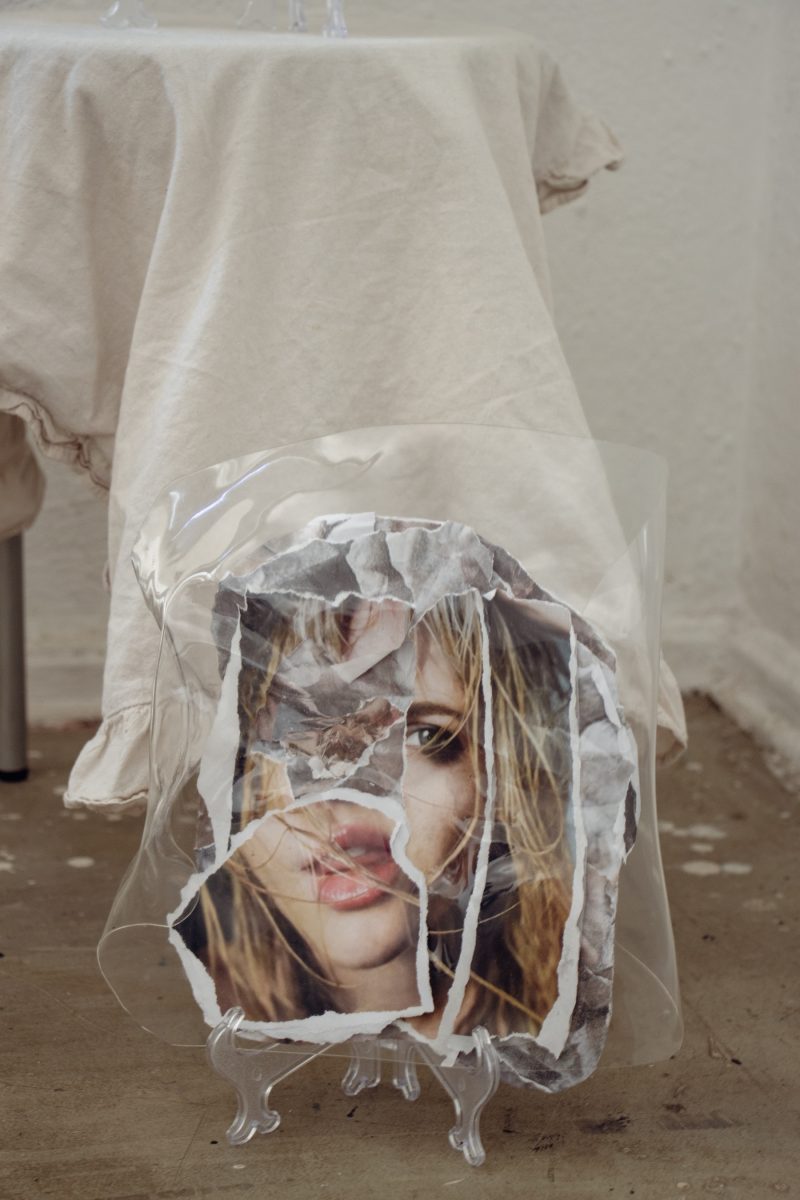
During my residency at GlogauAIR, I’m developing a new body of work called Hunger as Inheritance. The project explores the feminine relationship to the body, and the ways shame and survival strategies are passed down through families and culture.
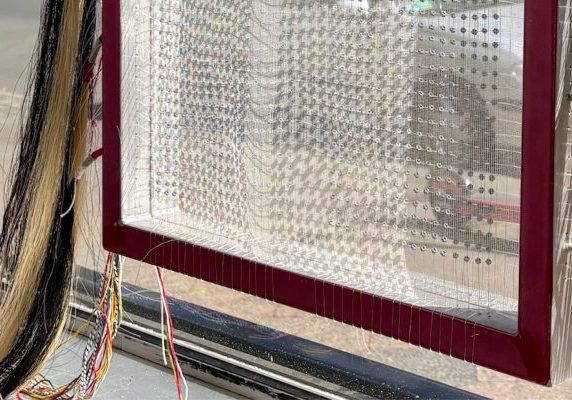
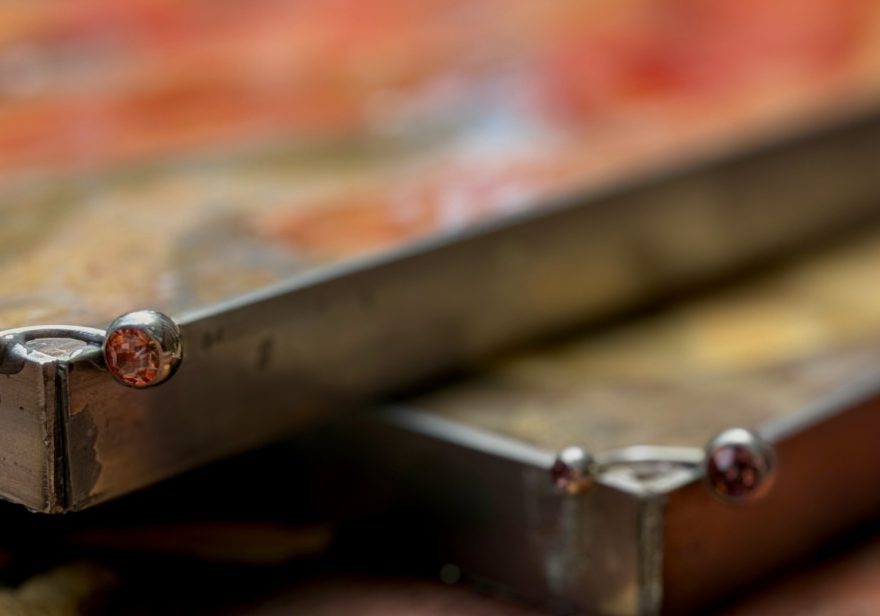
The work combines sculpture, photography, video, performance, and music.
While the project draws from my own experiences, it speaks to something many people carry: inherited relationships to hunger, beauty, and self worth.
Since you’re working in so many different mediums, how do you bring them all together? How do you feel like they interact with one another?
I’m essentially articulating the same idea across different mediums. They don’t really feel separate to me, even though they are technically different forms. I’ve worked across them for so long that if I hear something, I can usually see it. If I see something, I can often hear it. And from there, a story begins to take shape.
The concept almost always comes first. Once I have that, I usually have a strong sense of where the work wants to go, and each medium becomes another way of expressing the same underlying idea.
Movement is the one part of my practice that feels more intuitive and less controlled. When I’m choreographing or using my body as the medium, I don’t always know exactly how something will be interpreted. It’s the most improvisational part of my work, and I guess that’s why, in part, I’m so drawn to it. It allows me to step out of my head and respond more instinctively.
Where does the drive to work with your body and make work about your body come from?
I started making art about my body when I began therapy and started working through complex trauma. I had been through a series of experiences that left me with a very strange and fragmented relationship to my body. For a long time, it honestly felt like I didn’t have one at all. I lived almost entirely in my head, with this huge inner world, but I felt trapped inside it and disconnected from my physical self.
At some point, working with my body became both a cry for help and an act of bravery. I needed my body to be seen. I needed to place myself in the work and become the subject rather than being disparate. It felt necessary for my own survival and healing.
Performance is still incredibly vulnerable. After a performance, I often feel raw and shaken because I am expressing something deeply true. But when that truth is held in the right space, the experience can be incredibly beautiful and magnetic. Through making this work, I’ve been able to reconnect with my body and begin to feel fully present within it.
How does gender play into all of this for you?
I think gender is much more fluid than many people are comfortable admitting. At some point, most people are forced to question what femininity and masculinity actually mean, and I think there is far more nuance and grey area than we’re often taught to believe.
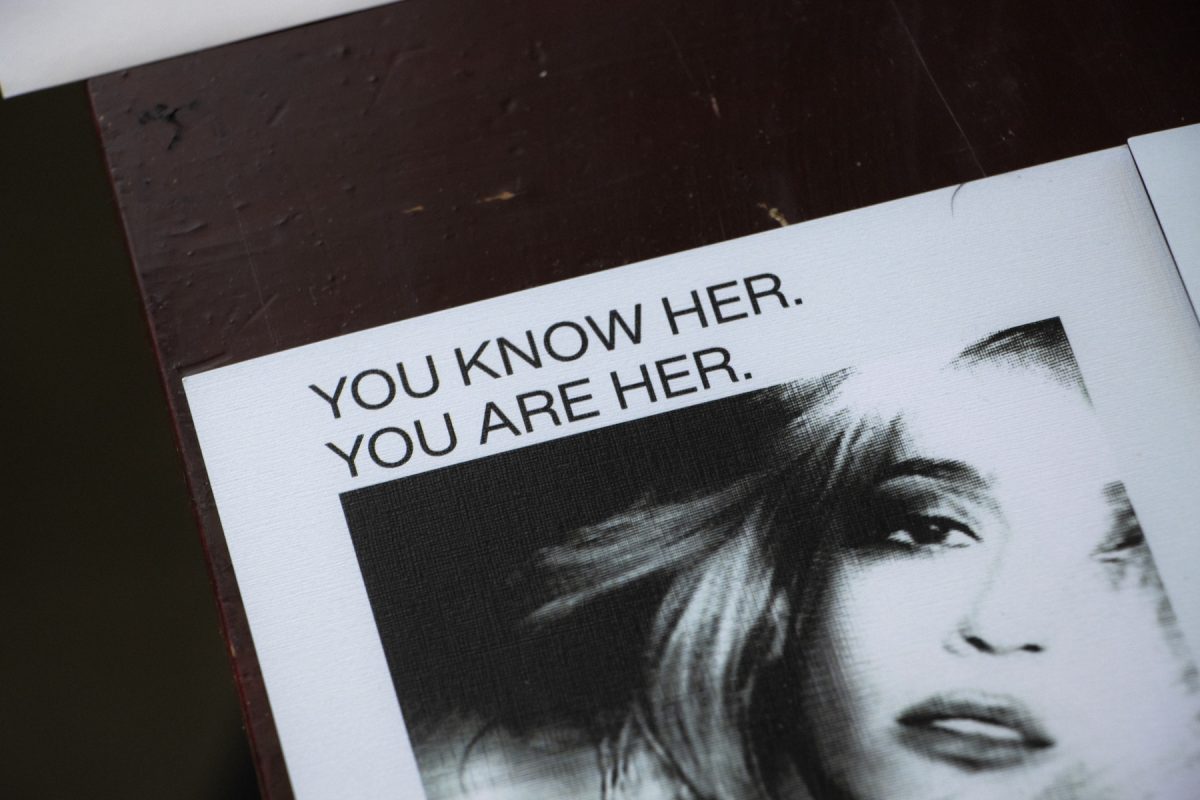
That’s why I’m interested in distorting and disrupting femininity in my work. I often present as hyper-sexual and hyper-feminine, but it is very consciously a performance. By exaggerating these qualities, they become something to examine rather than simply consume.
The most important thing for me is showing that people are allowed to be contradictory. We are complex, layered beings, and those contradictions are part of what makes us human. I find that really exciting.
I think the more comfortable we become with contradiction, fluidity, and experimentation, the safer the world becomes for everyone. When people feel free to express themselves without fear, there is more space for honesty, empathy, and connection.
What do you want people to take away from your work?
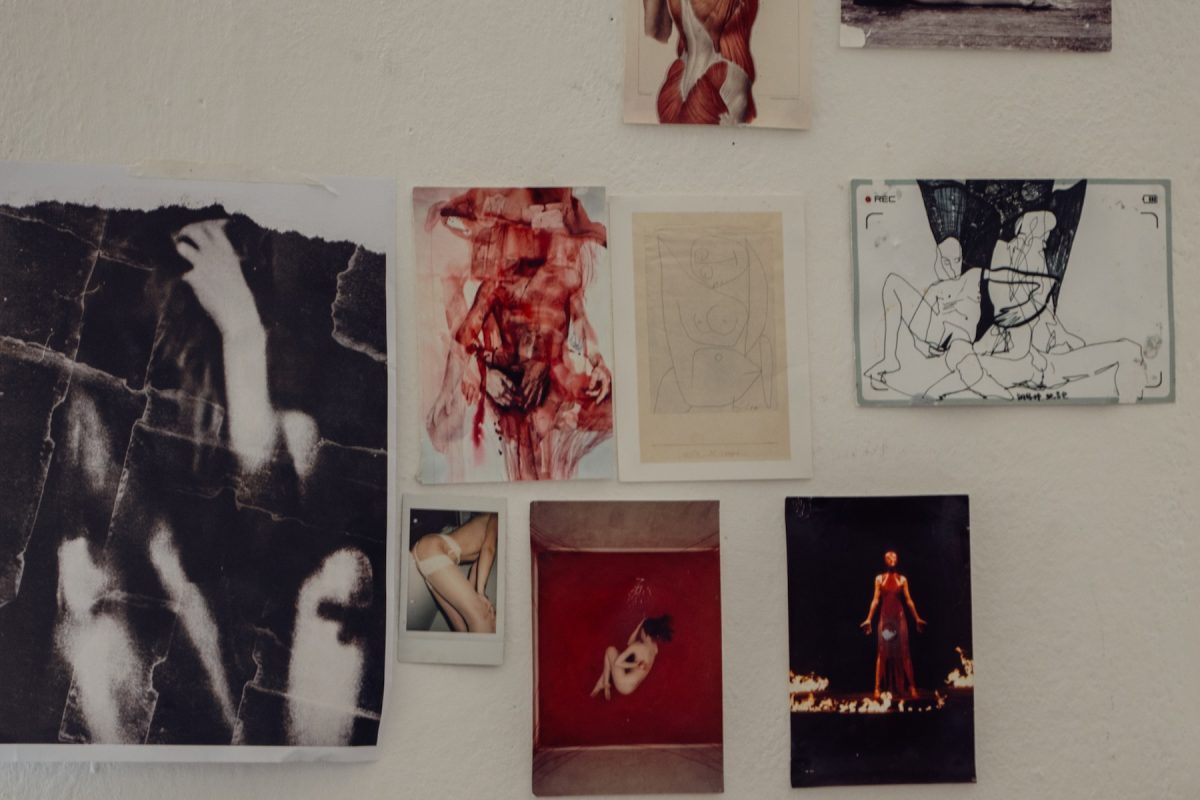
A big part of me wants anyone who has experienced sexual violence, or who has been targeted or attacked for the way they express themselves- sexually, in terms of gender, or otherwise- to feel safe and held by the work.
I want people to feel that it is okay to be expressive, even when their body feels like a site of exposure. Even when it feels frightening because that body has been harmed before.
At its core, my work is about reclaiming the body as a place of agency rather than shame.
I don’t think I’m capable of making work that isn’t political in some way. For me, art has to mean something. My work has to ask questions, challenge assumptions, and create space for people to feel less alone.
Interview Jo Birdsell (jobirdsell.com)
Photos Raviva Nsiama (@raviva.ziama)