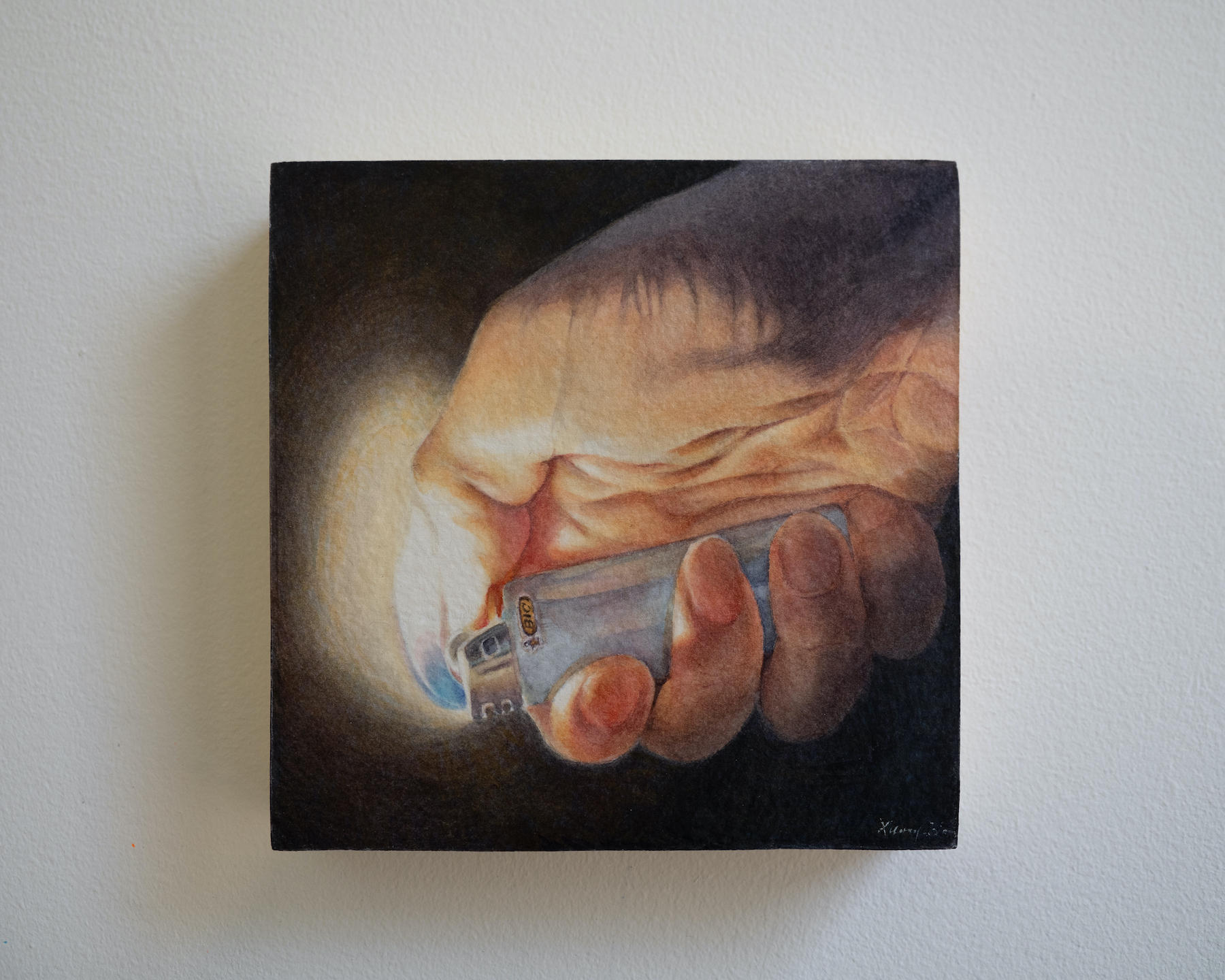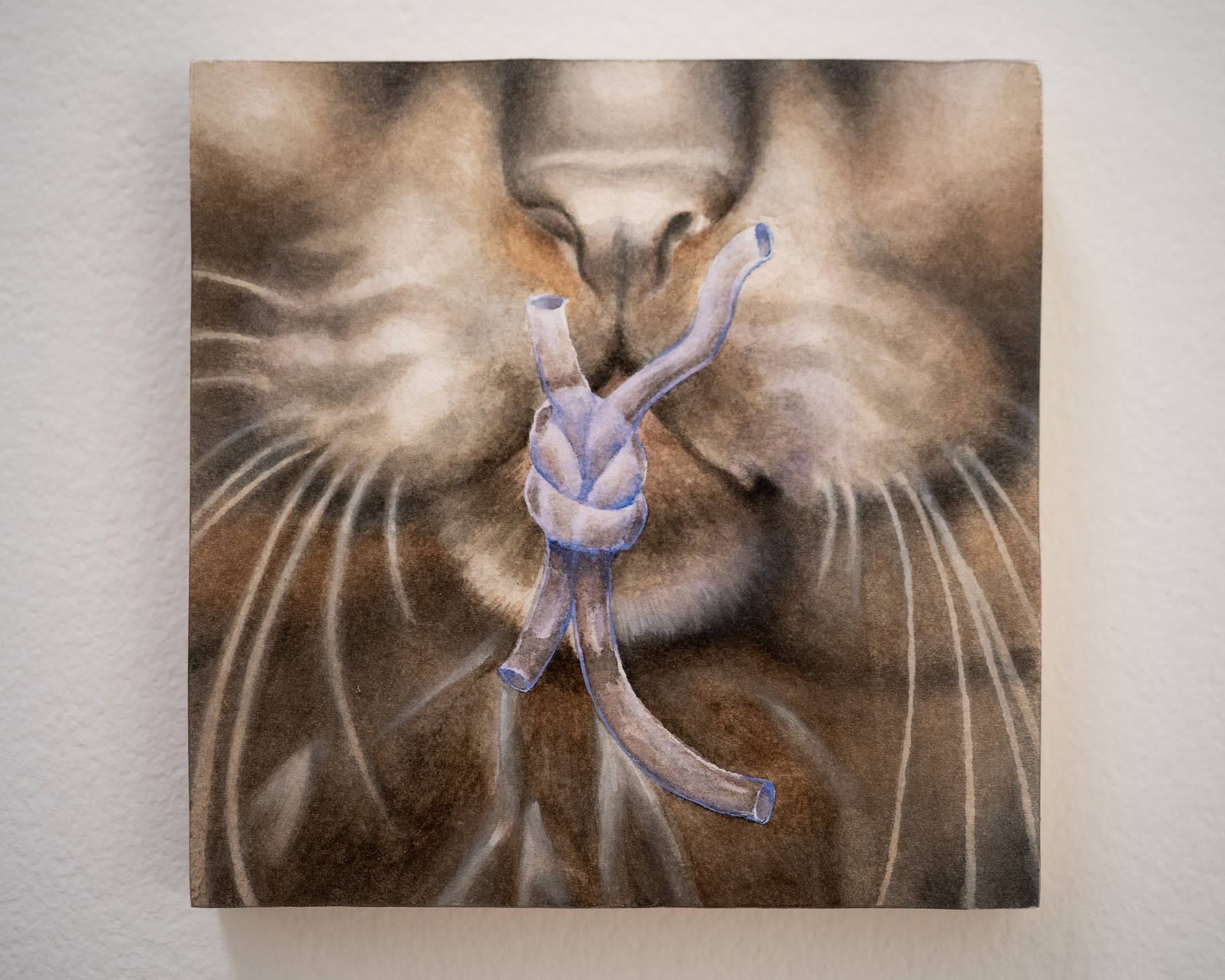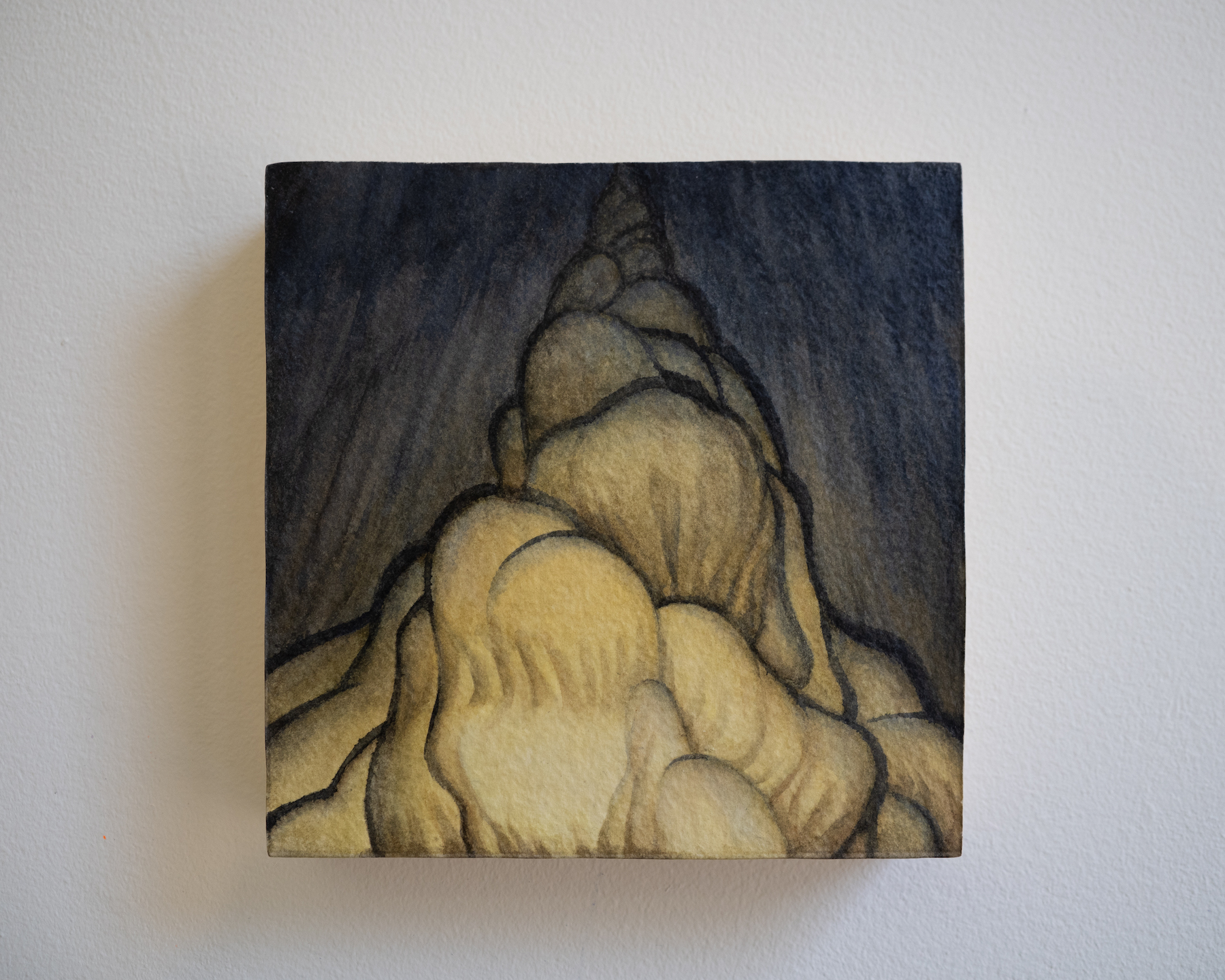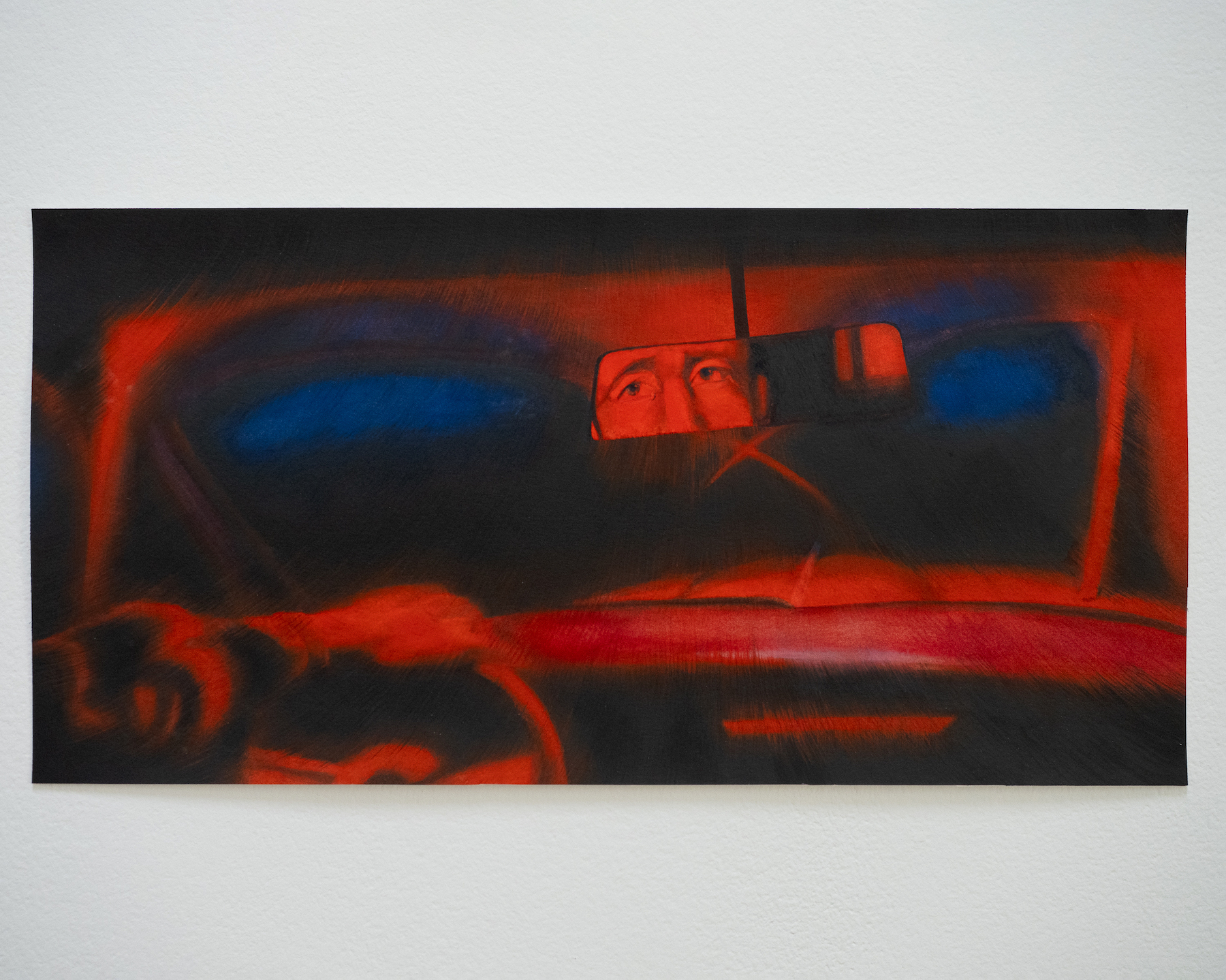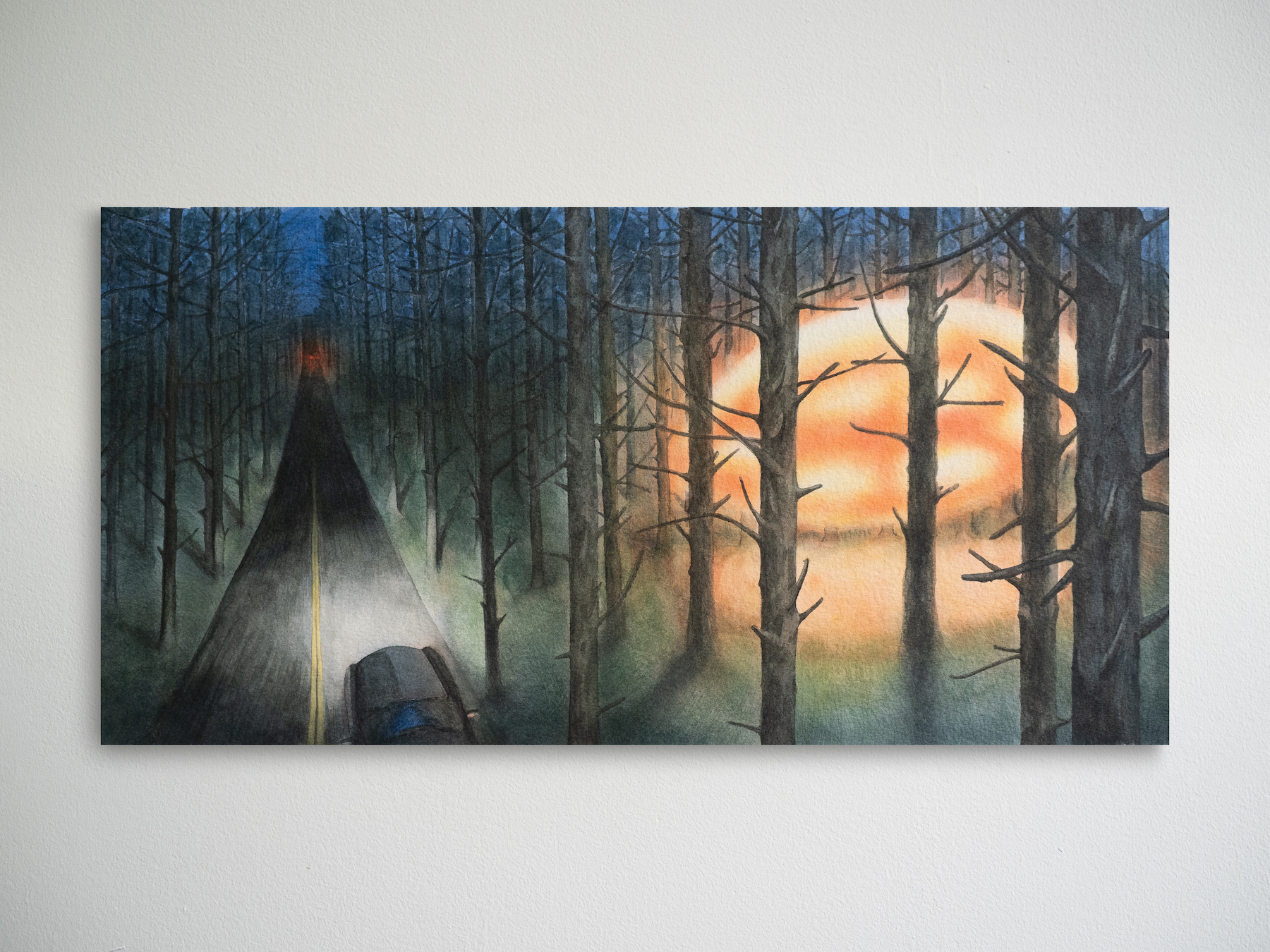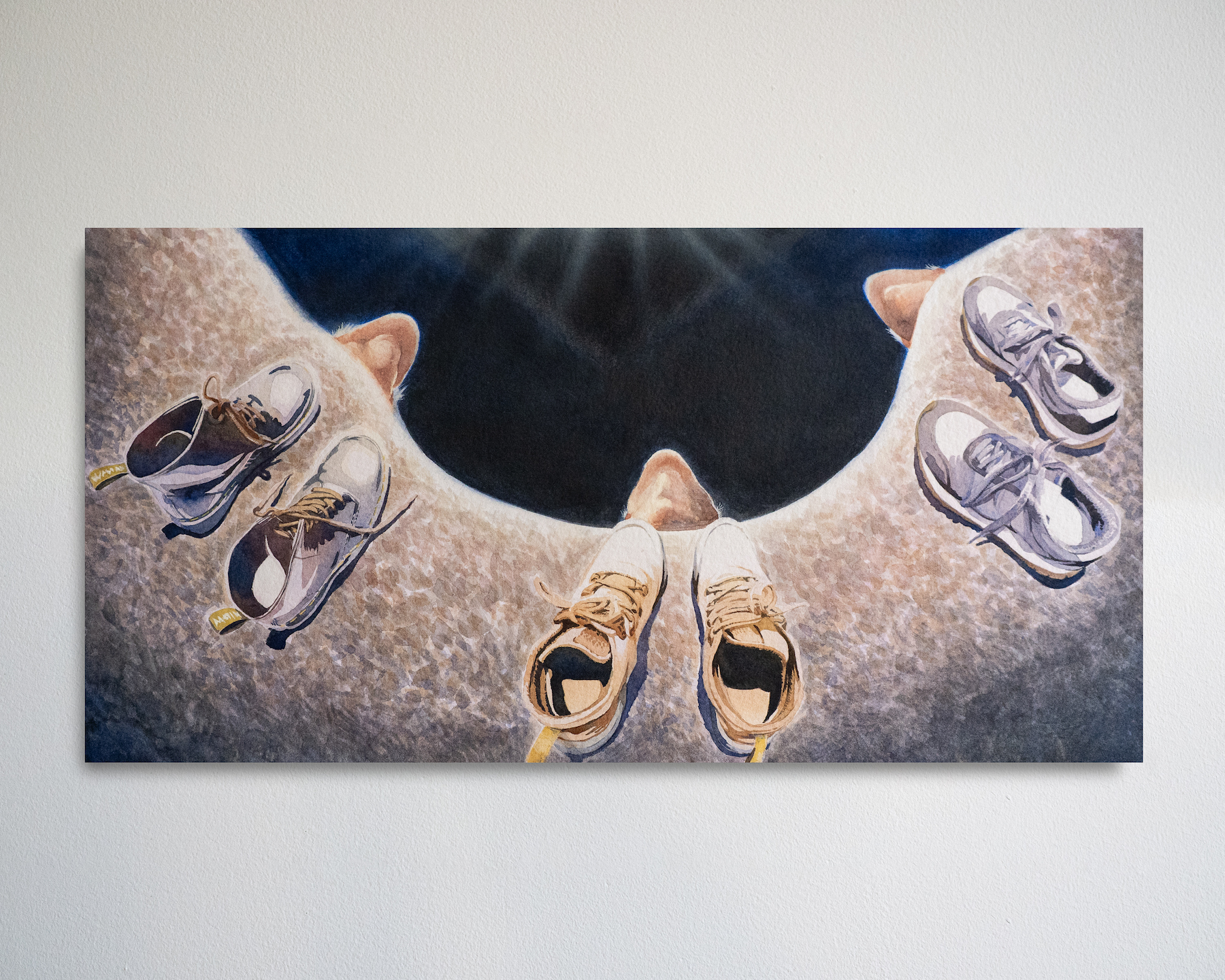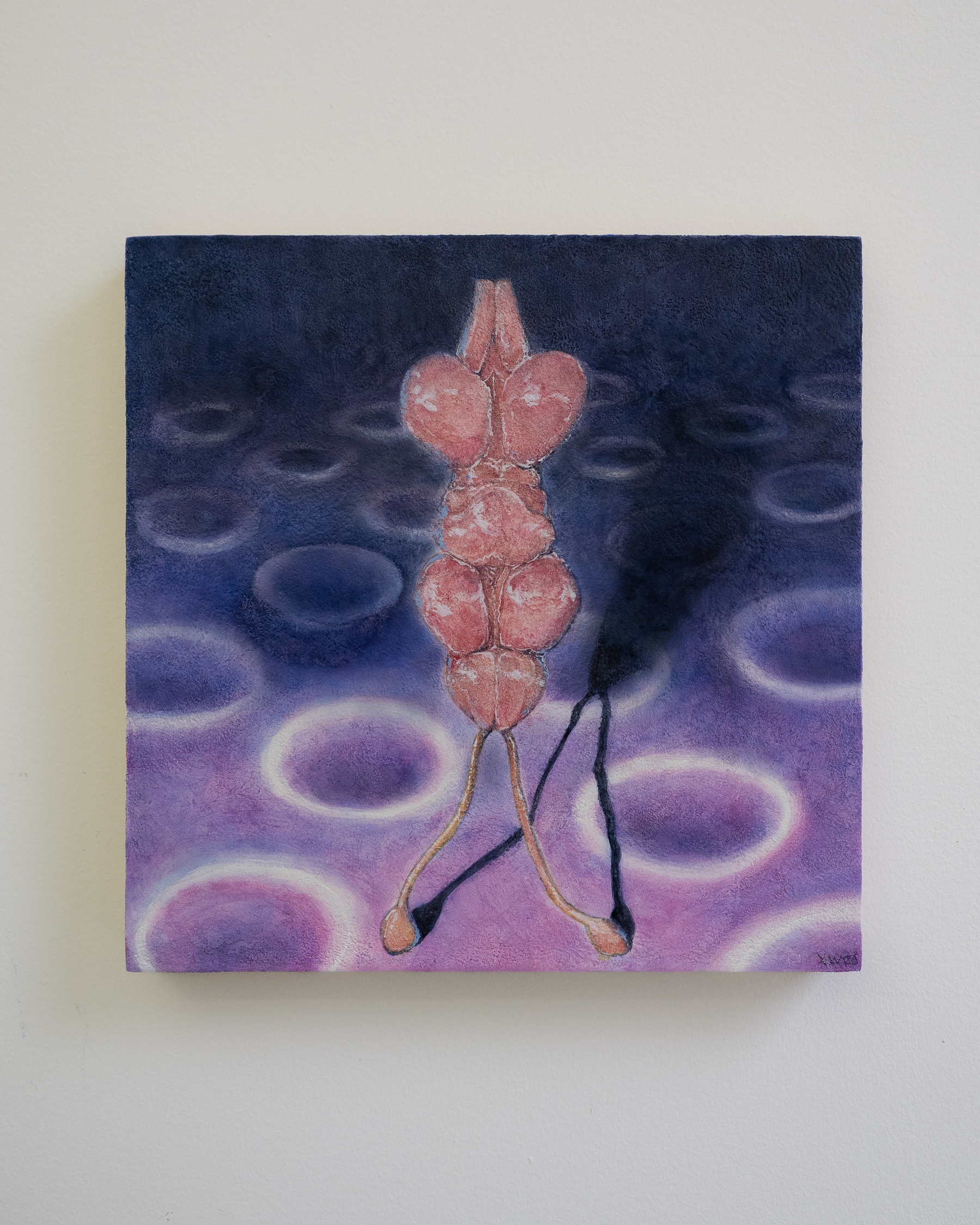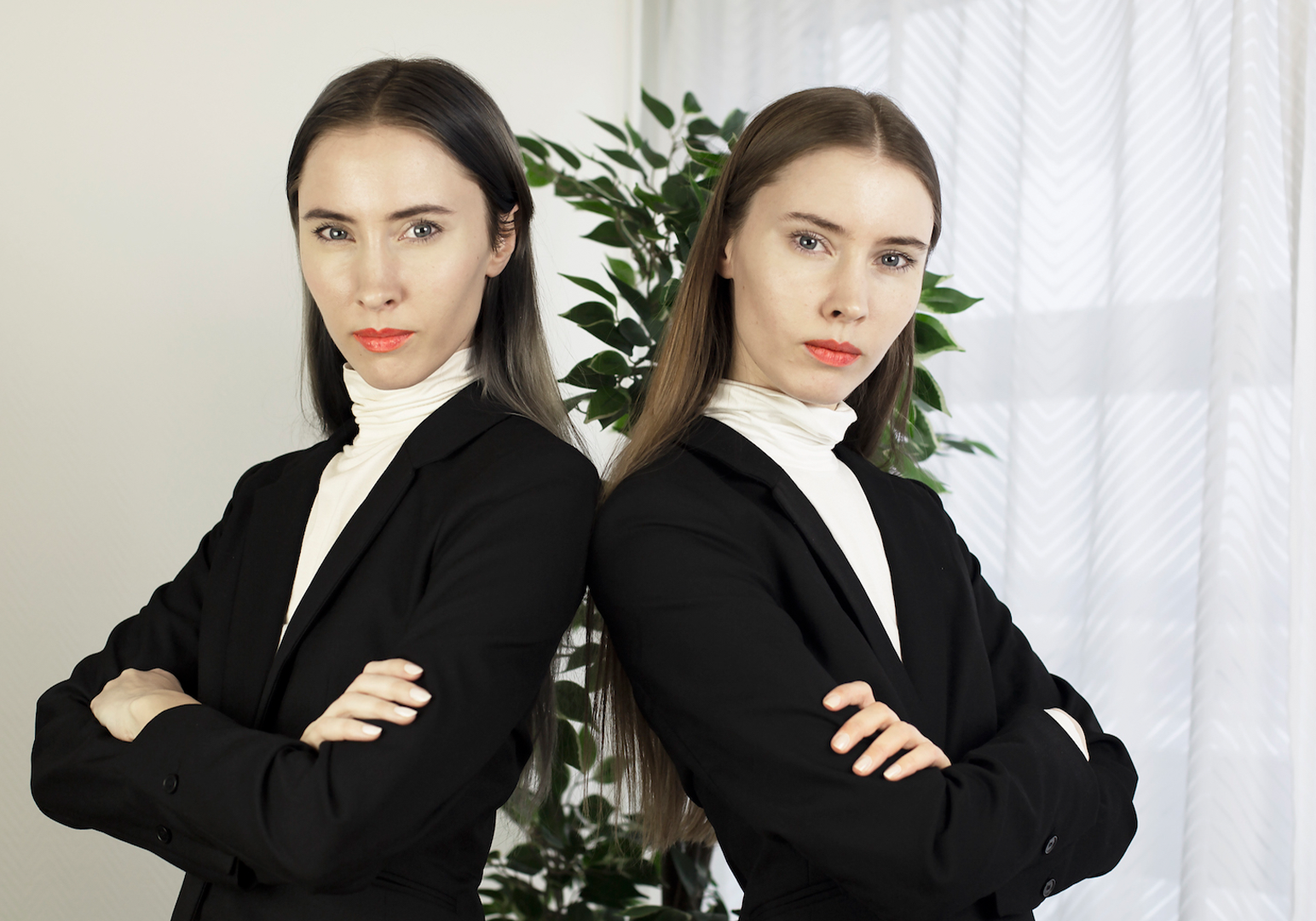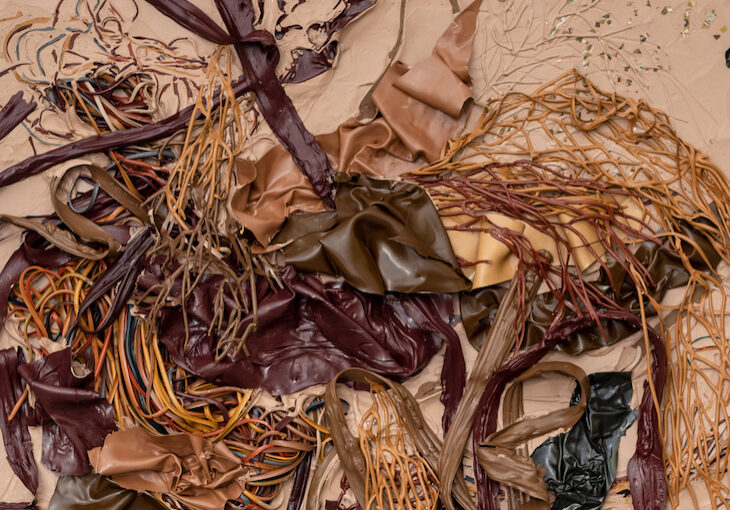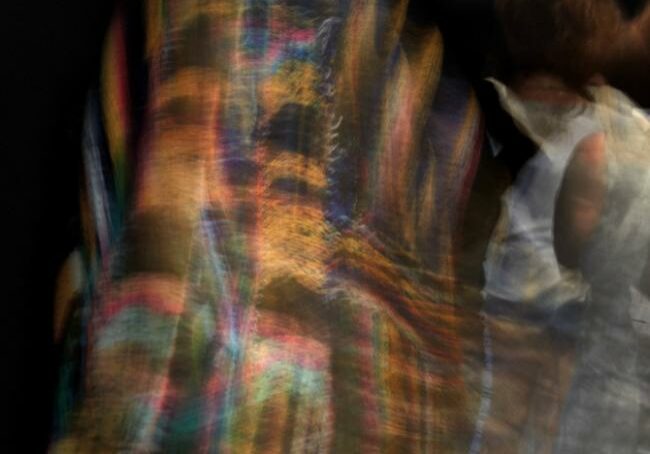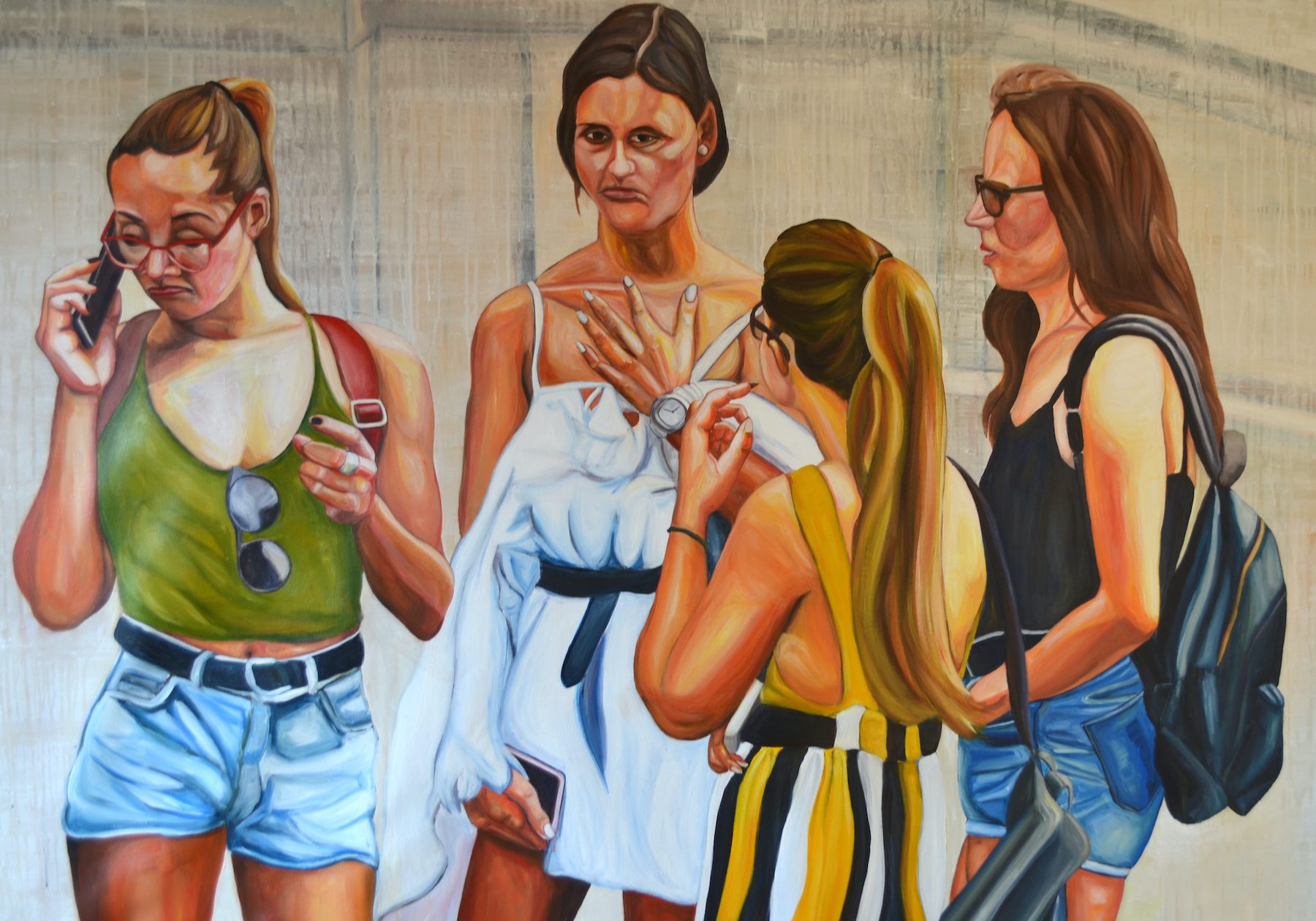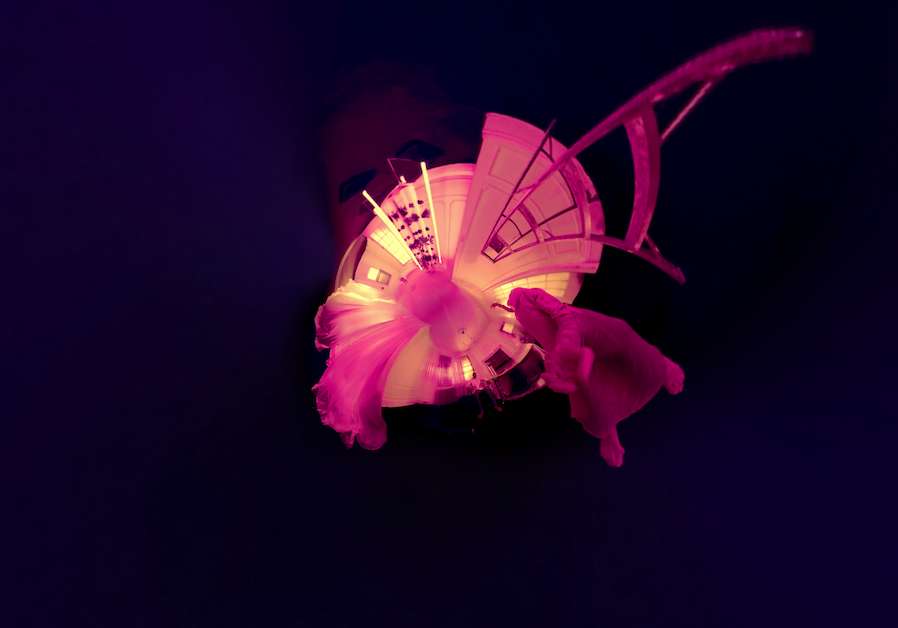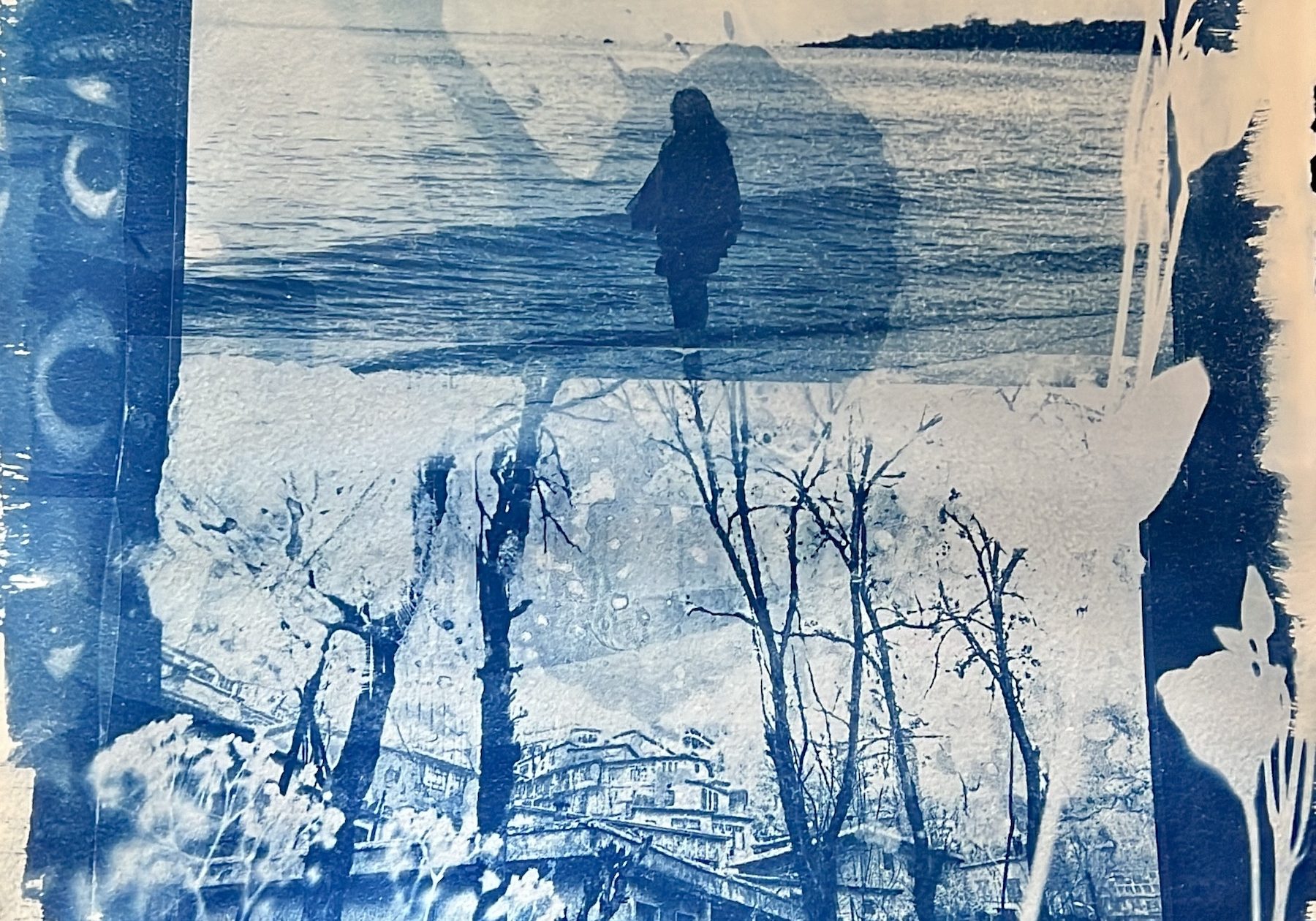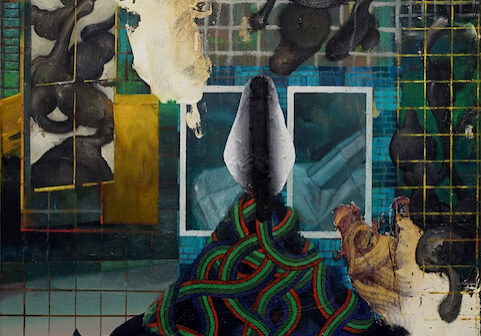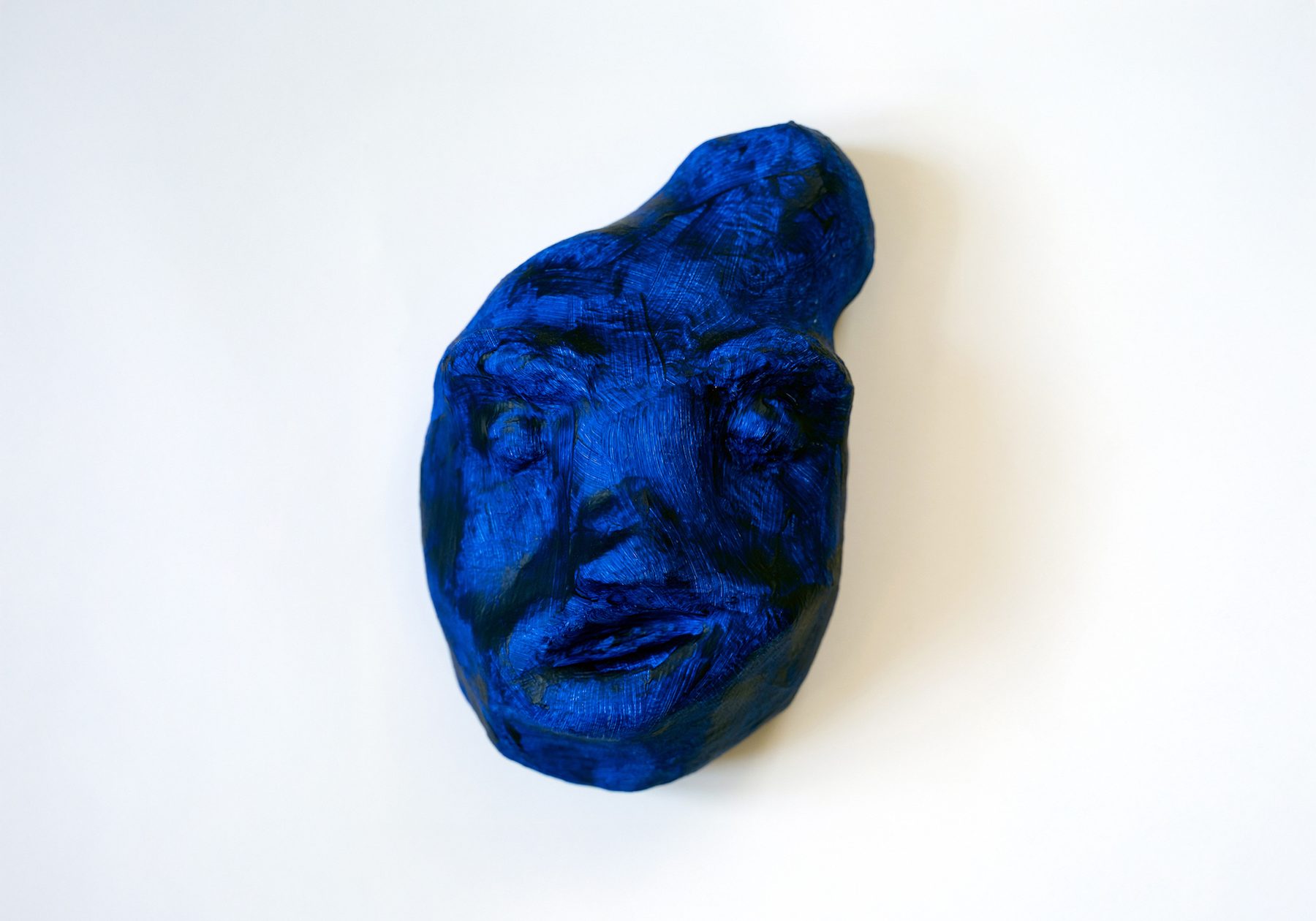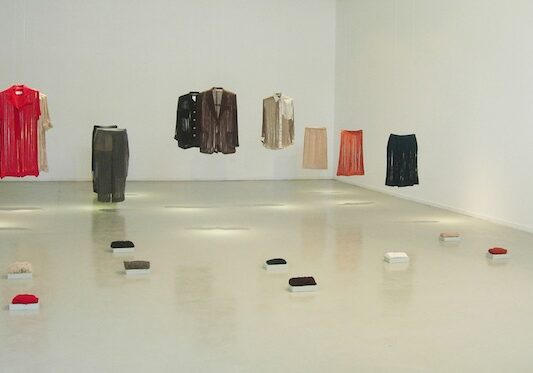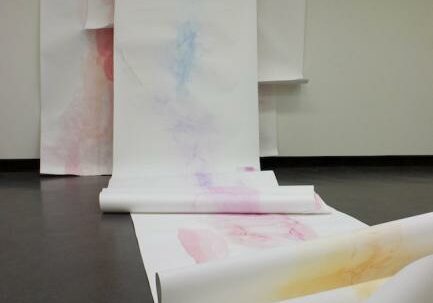
My art begins with a premise: a small, often unlikely proposition I take seriously for the duration of a work. It could be an imagined scenario, intrusive thought, or unrealistic hope. For instance, some have included the truth granted to a UFO encounter, the worry of one day going blind, and the possibility of a language built from gesture. Premises like these intrigue me because their unsanctioned status is exactly what lets them remove the implicit threshold of art as something didactic, transforming the audience from a passive receiver into a reader, an experiencer, a dreamer.
The premise sits on the edge of rational thinking and gazes into what we might call the unresolved. These states are the world as it appears refracted through the many overlapping conditions of being human — what we feel, what we think, what we have been taught, what we inherit, what we share with others. At each angle, what looked singular becomes plural; what looked settled becomes provisional.
I examine the unresolved because they reflect the ever-changing nature of the world today. The more eagerly we try to settle these states, the more chaotic they become. Within this loop, entropy alone holds steady. My art is not about offering resolutions; it is about stating the unresolved, and creating a place for viewers to feel the emotional weight of a world that will not stop changing.