Meet the On-line Artist // Belén Benavent
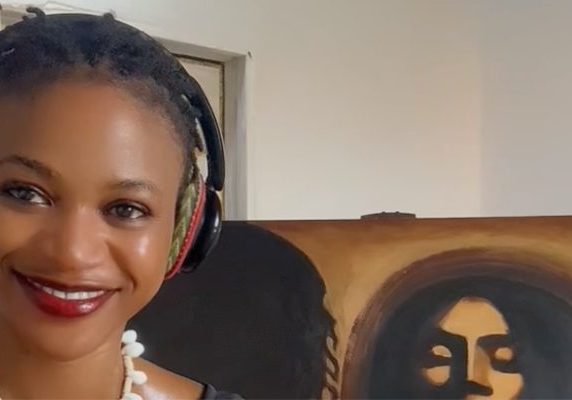
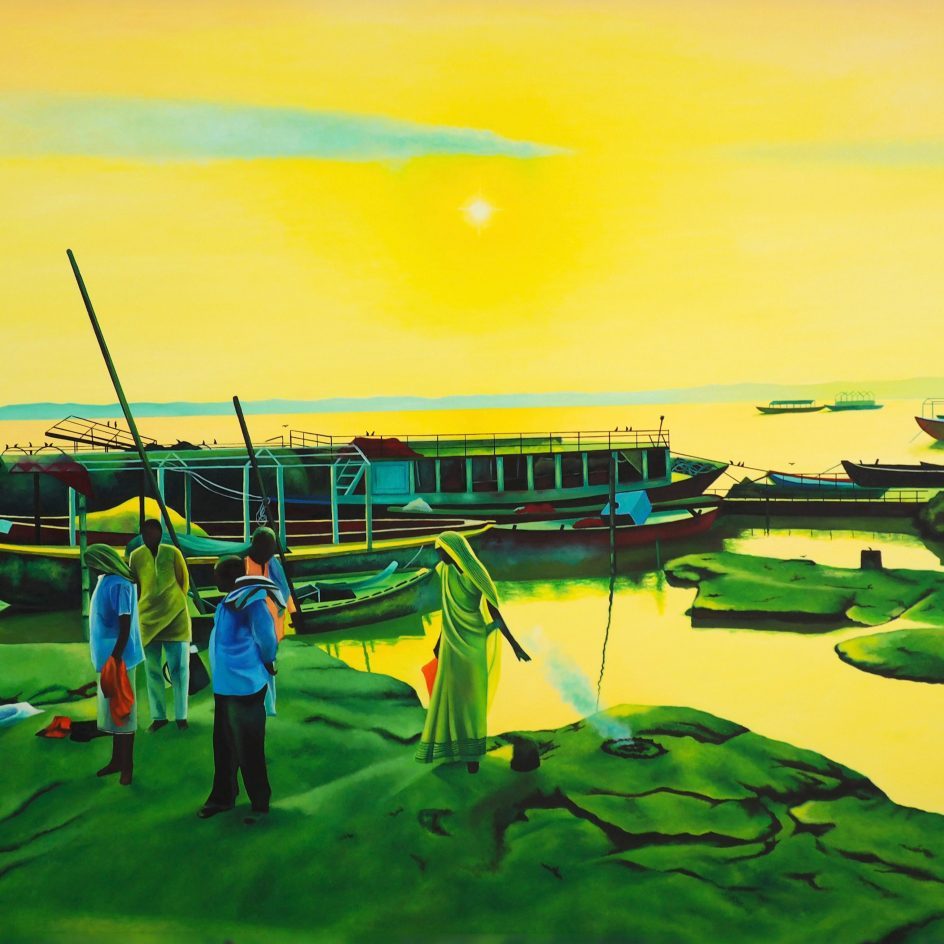
Belén’s practice is rooted in direct observation and immersion in places that often remain outside everyday visibility. Through painting, she explores how people live, work, and shape their daily lives in environments marked by inequality, while also reflecting the richness and complexity of everyday experience. Colour and light are central to the Benavent’s work, allowing lived experiences to be transformed into images that reveal the dignity and humanity present within these spaces. Through painting, the artist seeks to bring viewers closer to realities that often remain unseen and to emphasize the possibility of finding moments of light and resilience within difficult circumstances.
Can you tell us a bit about yourself? Specifically, we would love to know about your background.
Hi, I’m Belén Benavent Cortés. I was born in Madrid, Spain, where I am currently based.
My academic background started at the John Henry Newman School—where I completed the artistic baccalaureate in a program inaugurated by the prominent artist Antonio López—and continued at the Francisco de Vitoria University, where I studied Design and graduated with honors. This year, I also finished a Master’s Degree in Market and Entrepreneurship. At first, I wasn’t planning on pursuing a full creative career, but after winning a couple of competitions, I took the university entrance exam. They saw something in me, offered me a scholarship, and gave me the possibility to study two degrees. What started almost by chance turned into a true calling that I have discovered and consolidated over the years.
Outside of academics, my life is deeply connected to social causes. This isn’t a forced posture, but a natural extension of my daily life: through my relationships with migrant friends, my work with NGOs, and my family environment, as most of my family works in healthcare. In my home, there has always been a warm openness to welcoming anyone who came along. I am interested in understanding different realities from within, because I firmly believe that true understanding of others only comes through closeness, openness, and empathy.
How would you describe your artistic practice?
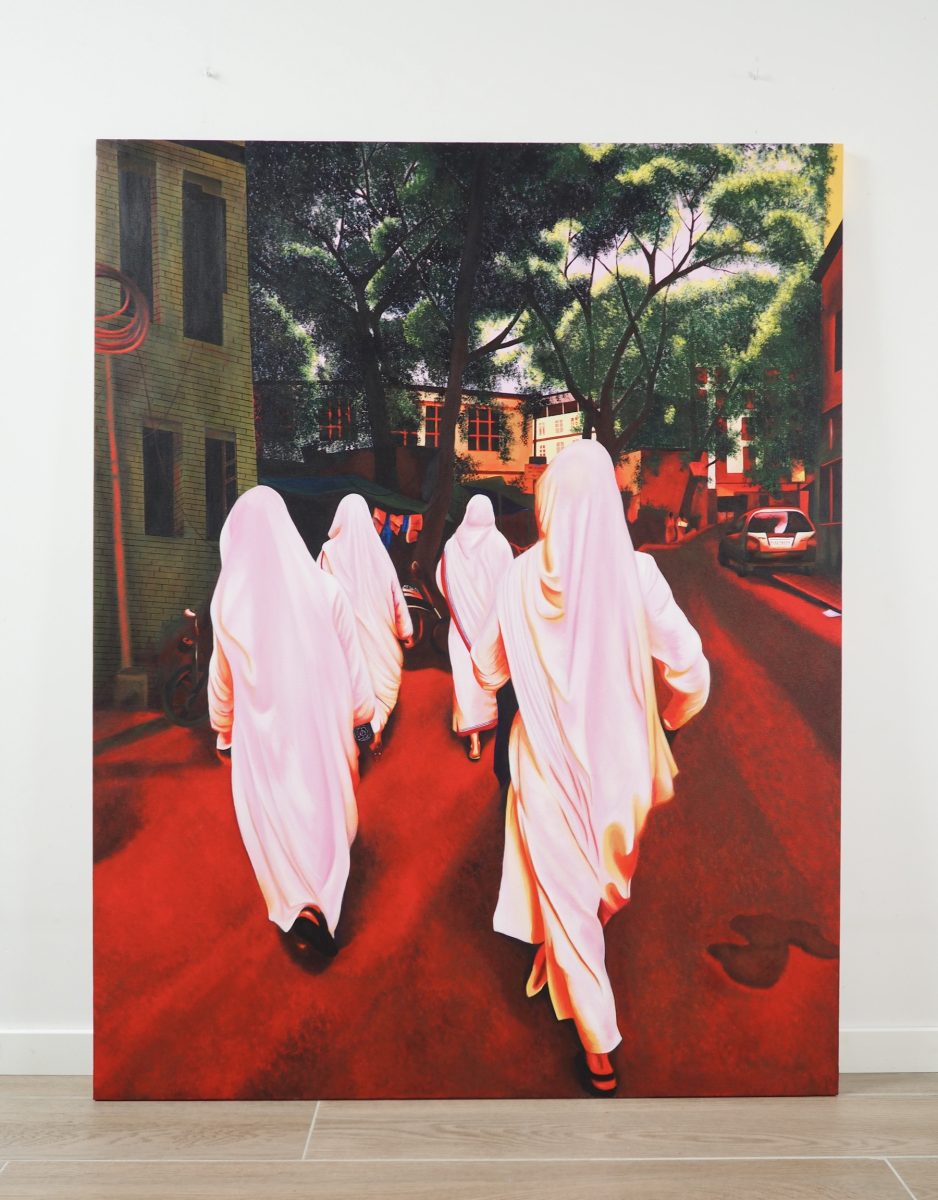
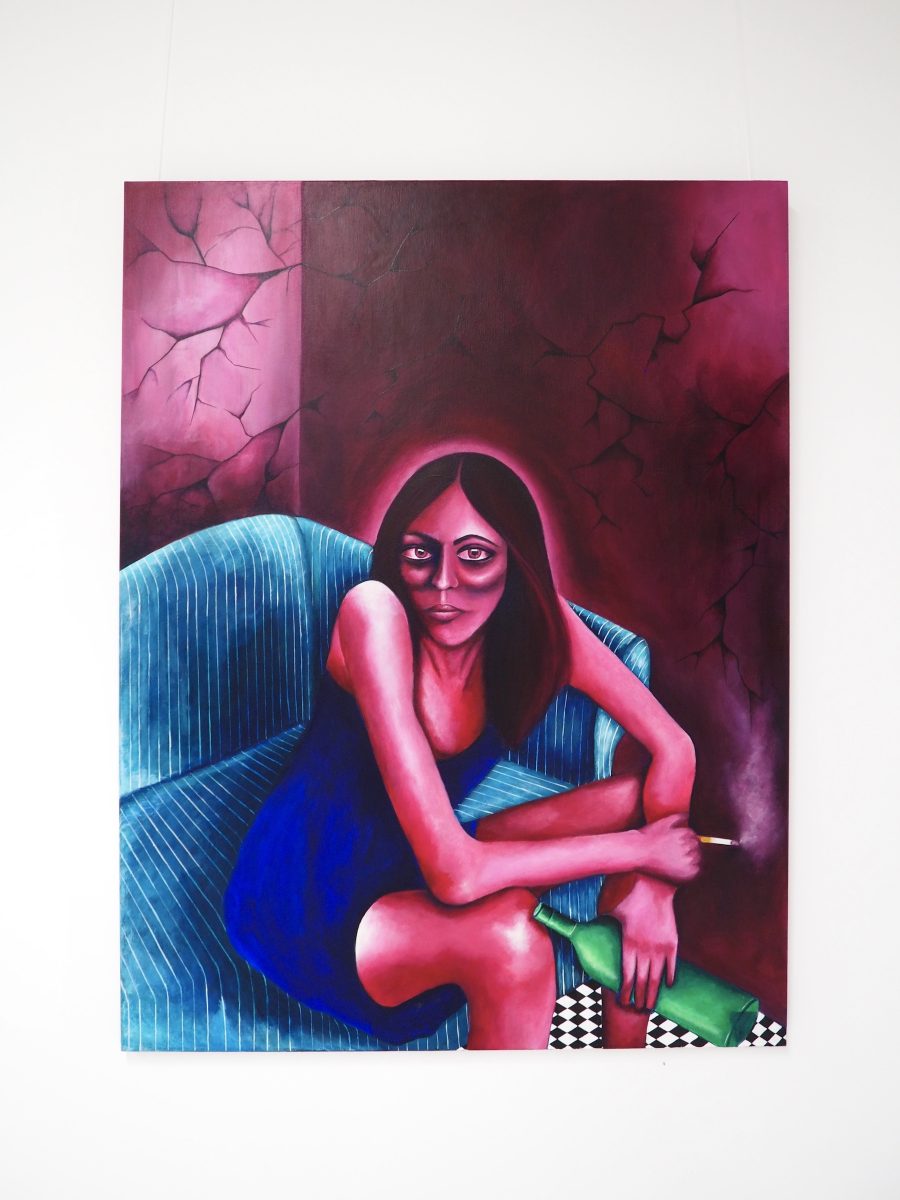
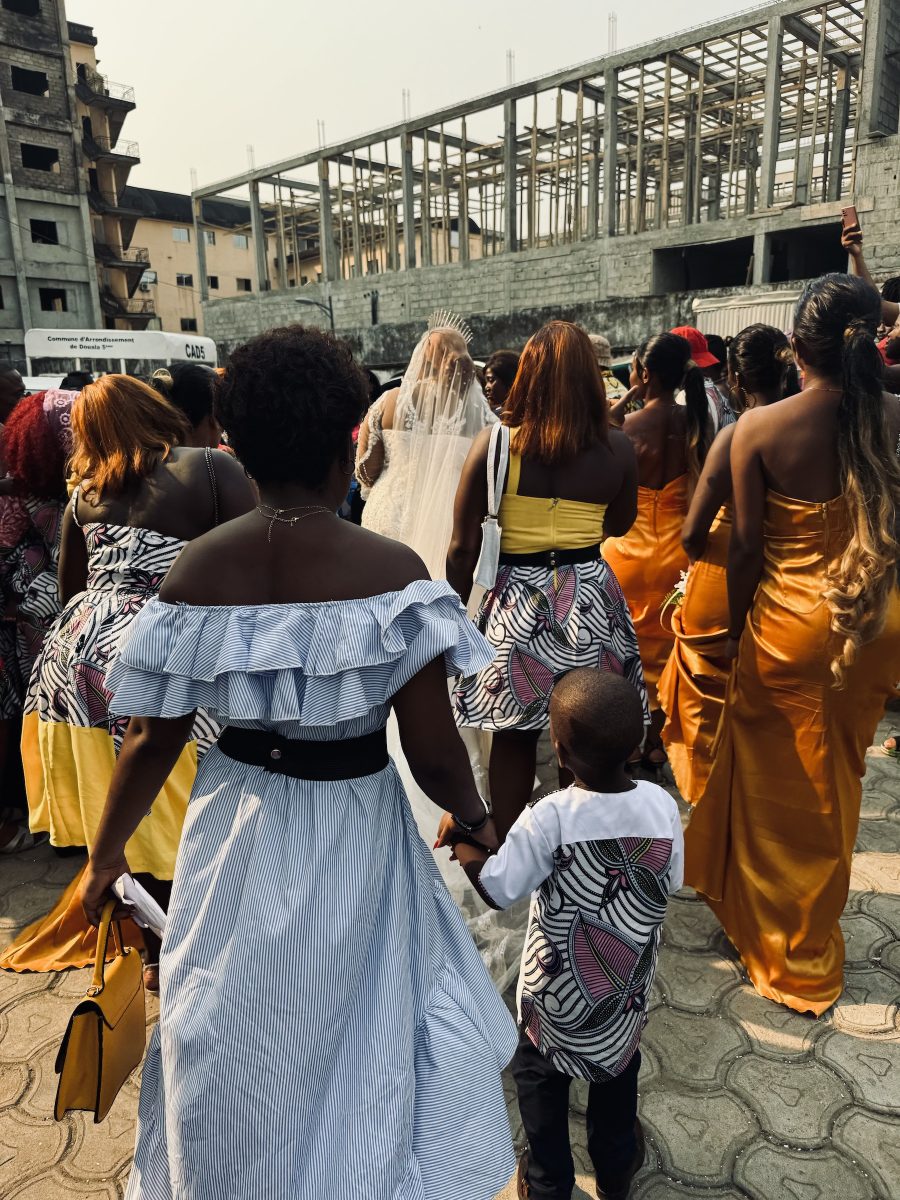
Through my work, I seek to build bridges between different realities and give voice to stories that deserve to be told. My work speaks about the human condition, addressing complex subjects such as drugs, migration routes, illness and death, through projects developed in places such as La Cañada Real, Douala (Cameroon), Morocco and Kolkata (India). However, I do not seek to remain in the darkness, but rather to approach these realities from a perspective of hope.
This impulse to bring visibility to difficult situations also comes from a personal wound: the loss of my mother after accompanying her through her illness. Her passing confronted me with life in a very profound way and taught me
that, even within suffering, there can also be light, and that people have an incredible capacity to rise again after catastrophe. Being an artist has taught me to pay closer attention to what happens around me and to approach others through empathy and listening.
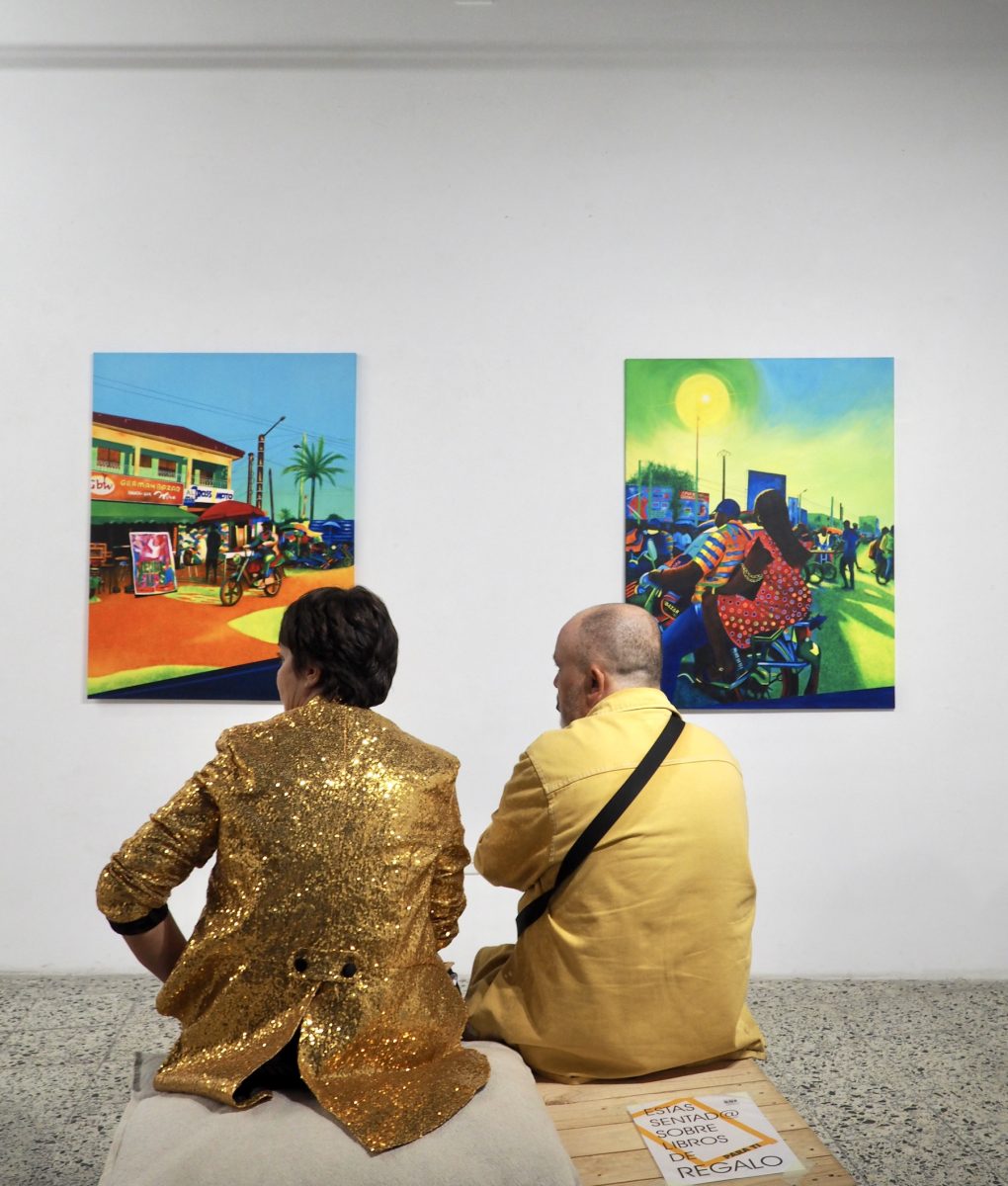
This is where the word that encompasses and defines my work comes in: COLOR. For me, light and color are the same thing. I use the psychological power of color—the dialogue between dark tones and vibrant colors, such as green, which can evoke pollution or illness, but also hope and life—to transform the way we look at certain realities.
Color thus becomes a kind of aesthetic “deception”: it draws the viewer in, moves them, and allows them to put on a different pair of “glasses” through which to see the world in another way. I am particularly interested in this tension between beauty and drama, between darkness and hope, and in how color can open a door to realities that we might otherwise choose not to look at.
How would you describe your artistic practice?
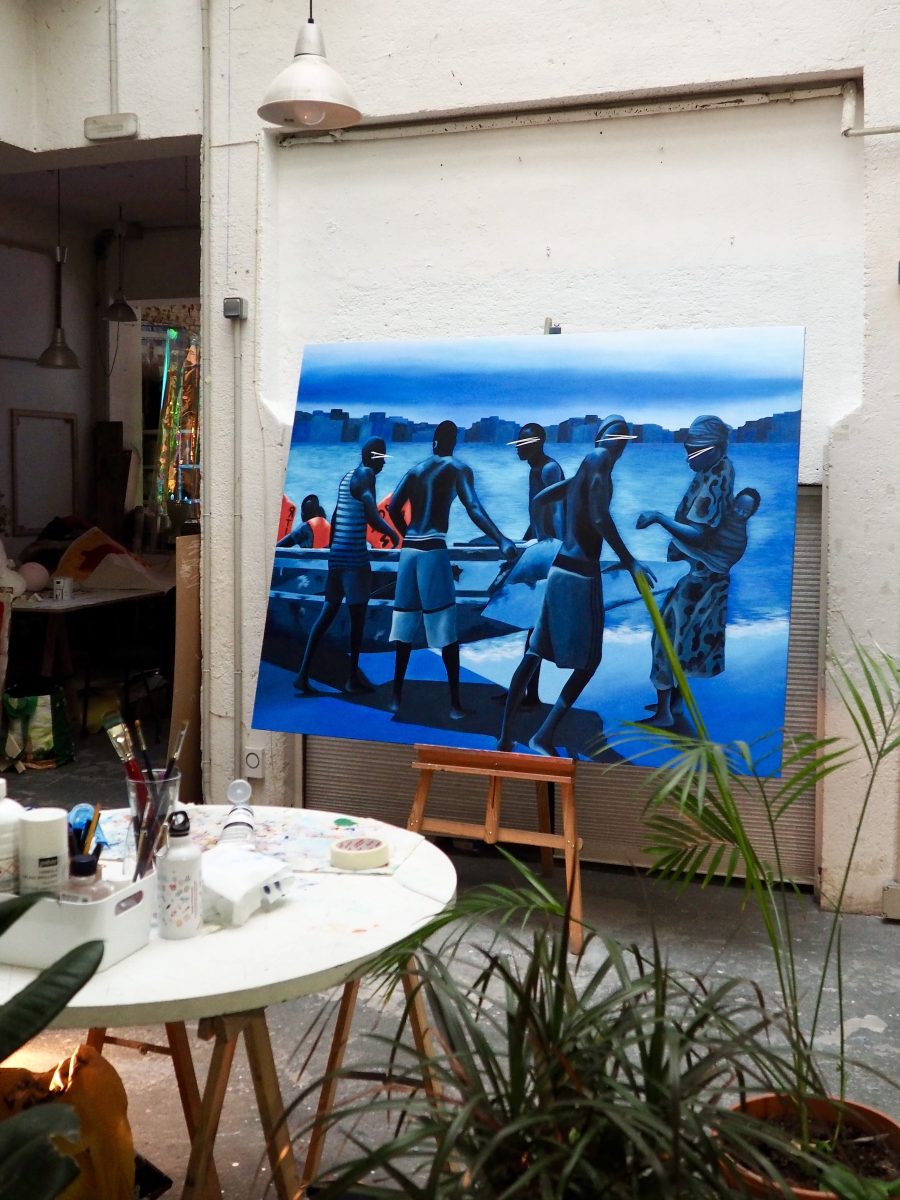
The impulse to create always comes to me from the outside in. Something external provokes me, and I feel an intense need to give it form. That is why much of my work takes place outside the studio: observing, discovering, travelling, and getting closer to complex contexts.
However, there comes a moment when I need to translate all of this into an artistic language of colours, forms,
and textures. I feel that two opposite sides coexist within me: one that needs the adrenaline and contact with other people, and another that requires isolation in order to create. For me, being in the studio is a challenge and a space for confronting myself. It is less exciting than life outside the studio, but it is where chaos takes form, where experiences become art, and where I learn, day by day, to reconcile these two sides of myself.
My process begins by structuring my ideas into different projects. The initial stages can generate a certain amount of anxiety while the idea has not yet taken shape, but I relax as soon as it begins to develop. Moreover, because I work with personal and collective wounds, I try to remain aware of my own emotional state before immersing myself in each project.
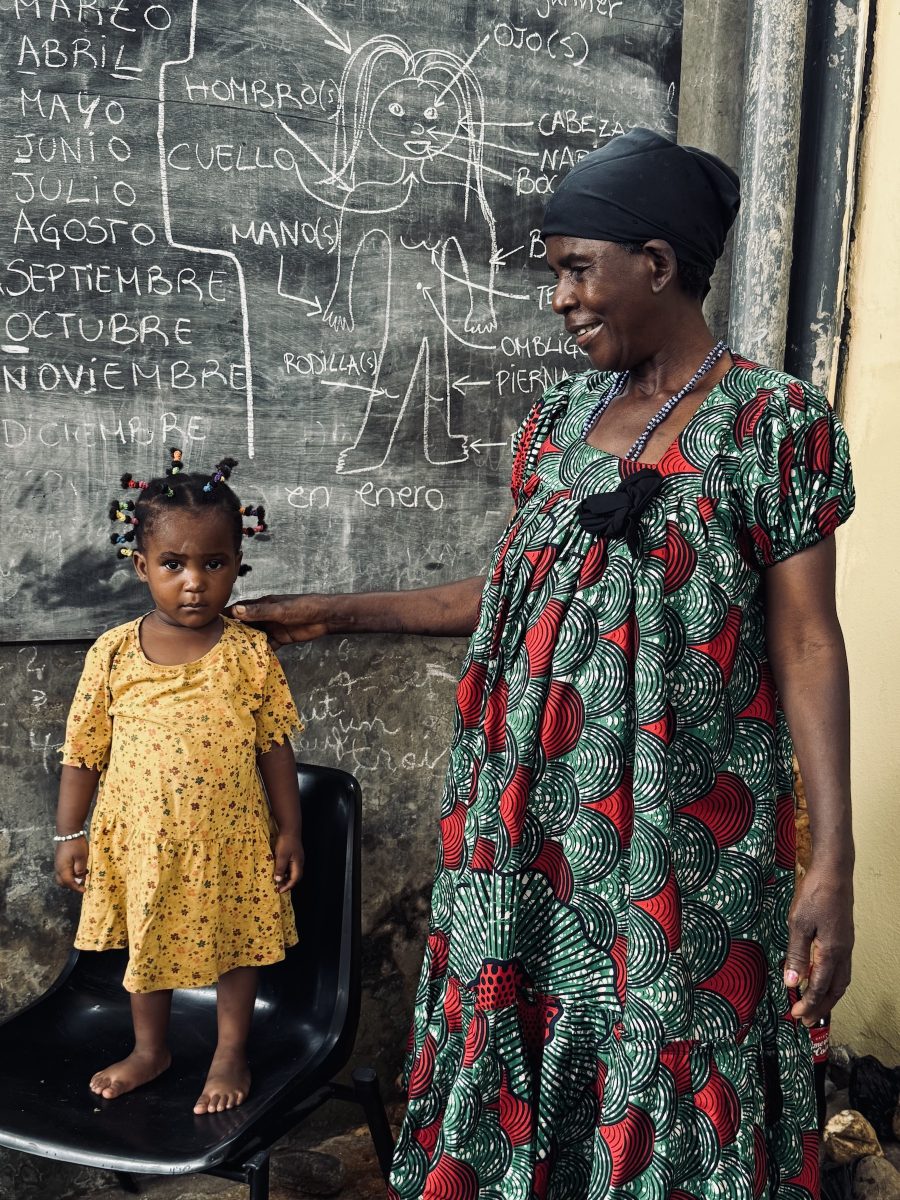
During my field research, I try to experience and deeply understand the reality I am observing. Afterwards, in the solitude of the studio, I need to process everything I have experienced and transform it through my own visual language, without focusing solely on what is difficult. I seek to find that initial spark —that truth— that, in the first place, compelled me to create.
Tell us about the project you are working during your online residency at GlogauAIR.
This project is not about painting, nor about architecture in the process of falling apart, but about the weight of what is about to cease to exist.
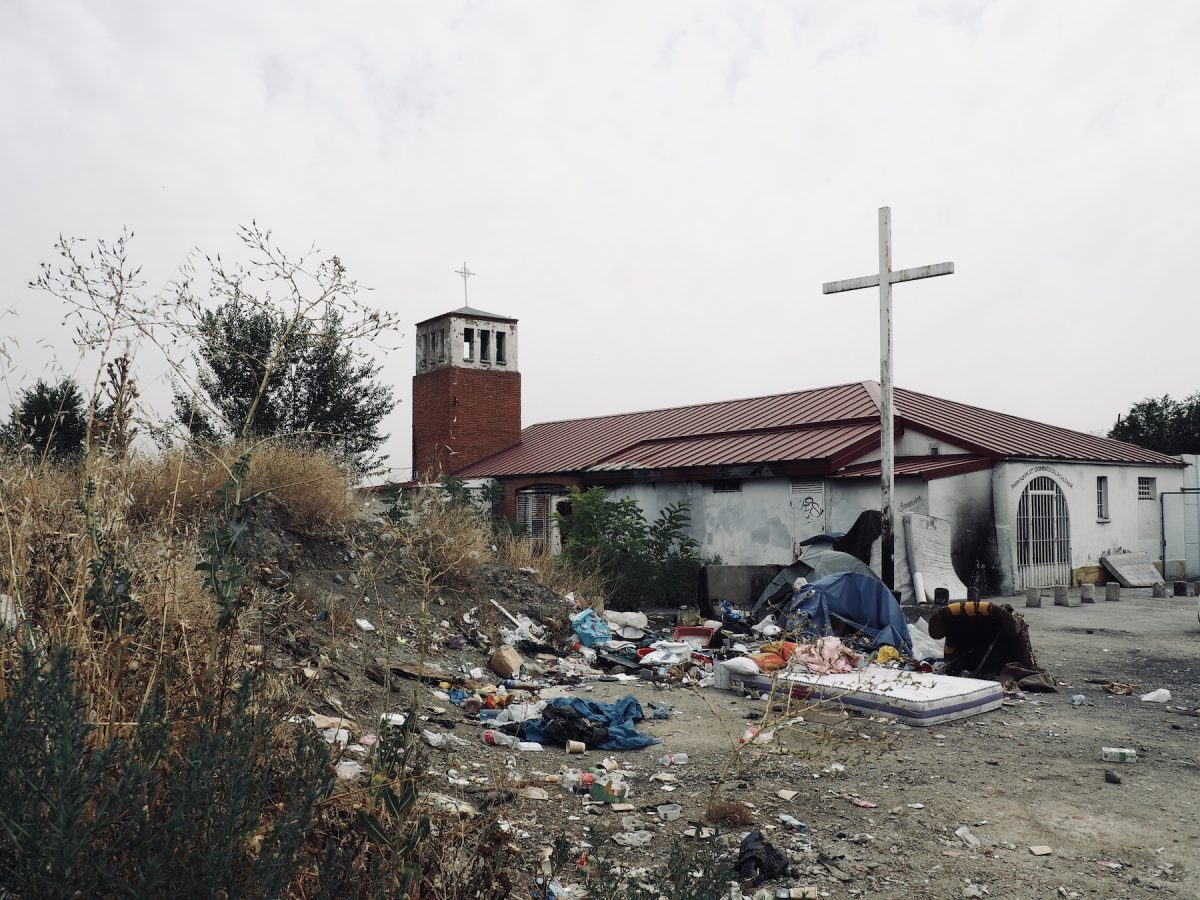
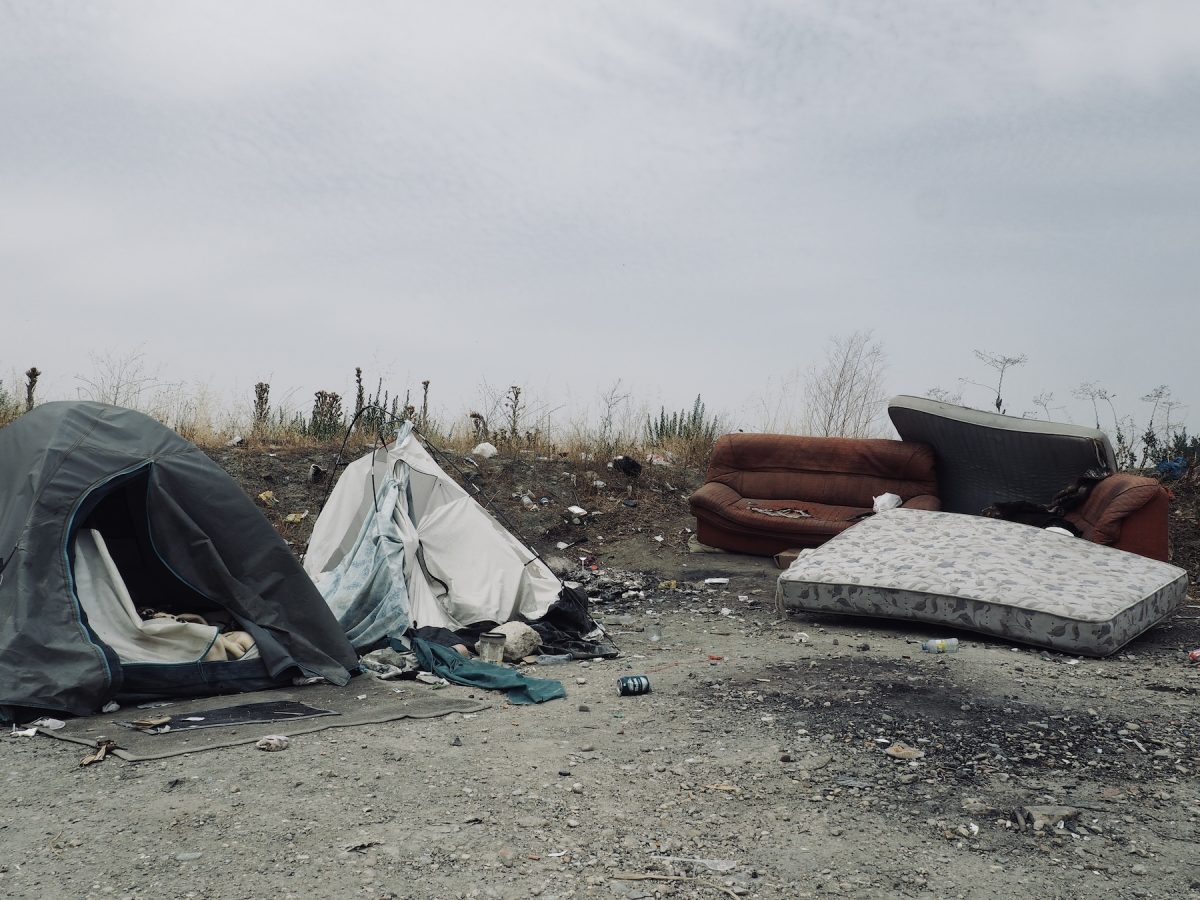
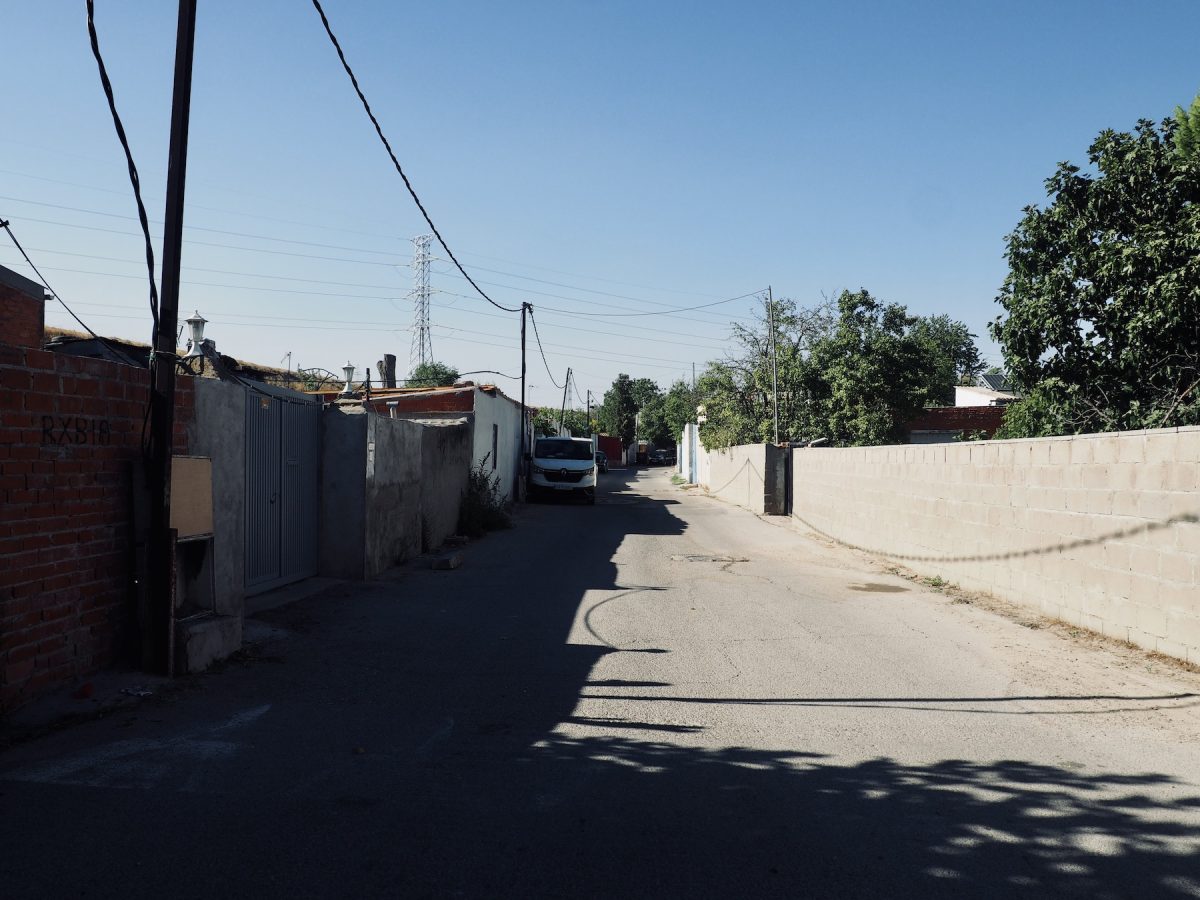
In Sector 4 of La Cañada Real, a territory suspended on the threshold of its own demolition, I want to explore the fragility of memory through the shadows of the landscape itself.
The project also emerges from the people who live there. During my field research, I have approached them to listen to their stories and understand what it means to live in a territory whose future is uncertain. The houses that may disappear are not merely structures: they are homes, memories, and spaces where lives and relationships have been built. For this reason, I am interested not only in addressing the disappearance of a physical space, but also the human traces that exist behind it.
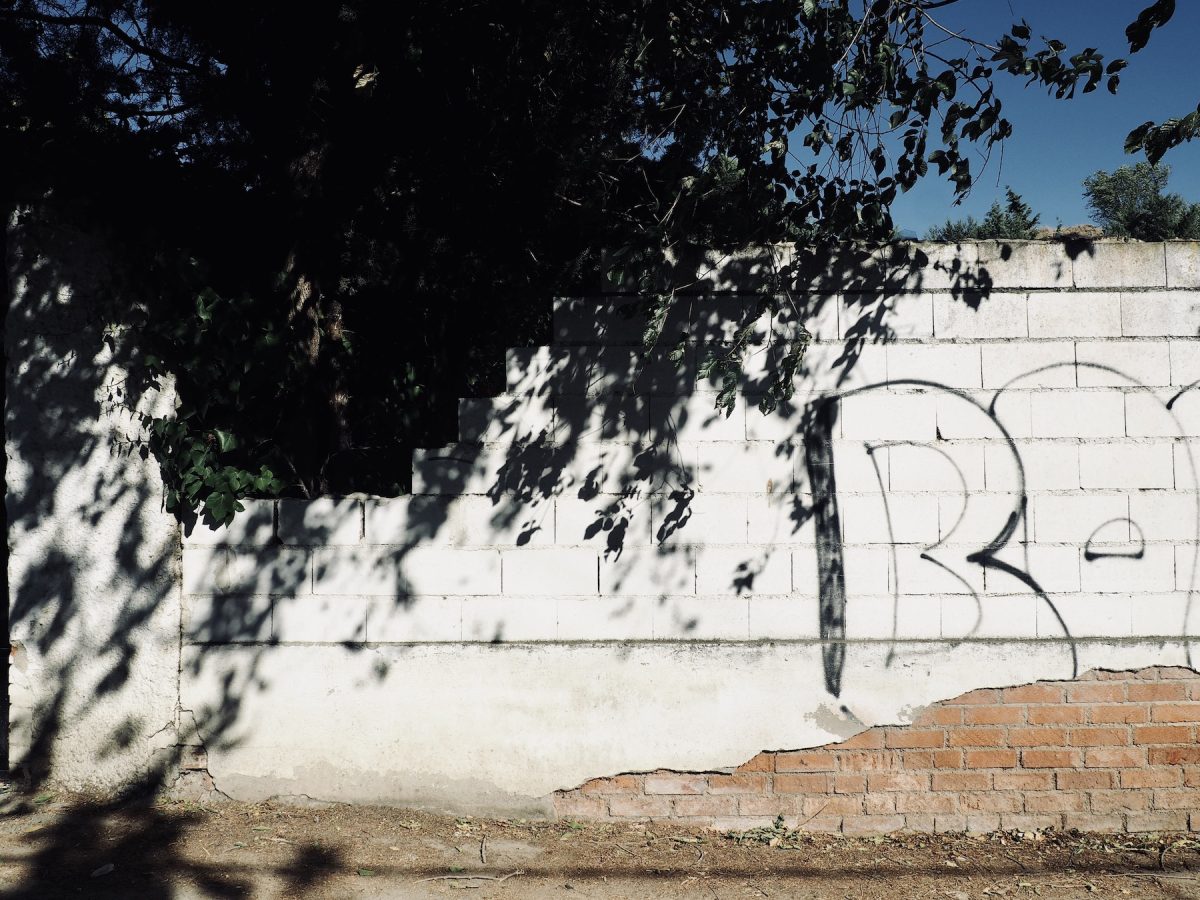
The intervention consists of tracing the shadows of a house, a fence, a tree, or other elements of the surroundings with pigment before they disappear. I am not seeking to represent these elements, but rather to create a kind of “archaeology of absence”: transforming something as fleeting as a shadow into a physical and temporary mark on the ground.
Drawing from the traditions of Land Art and Conceptual Art, the intervention becomes a poetic and political gesture—a way of recording what is about to disappear and preserving, even if only temporarily, its memory.
Ultimately, it is an anticipated mourning: leaving a trace before demolition erases the traces that were already there.