Meet the Artist // Petr Karpov
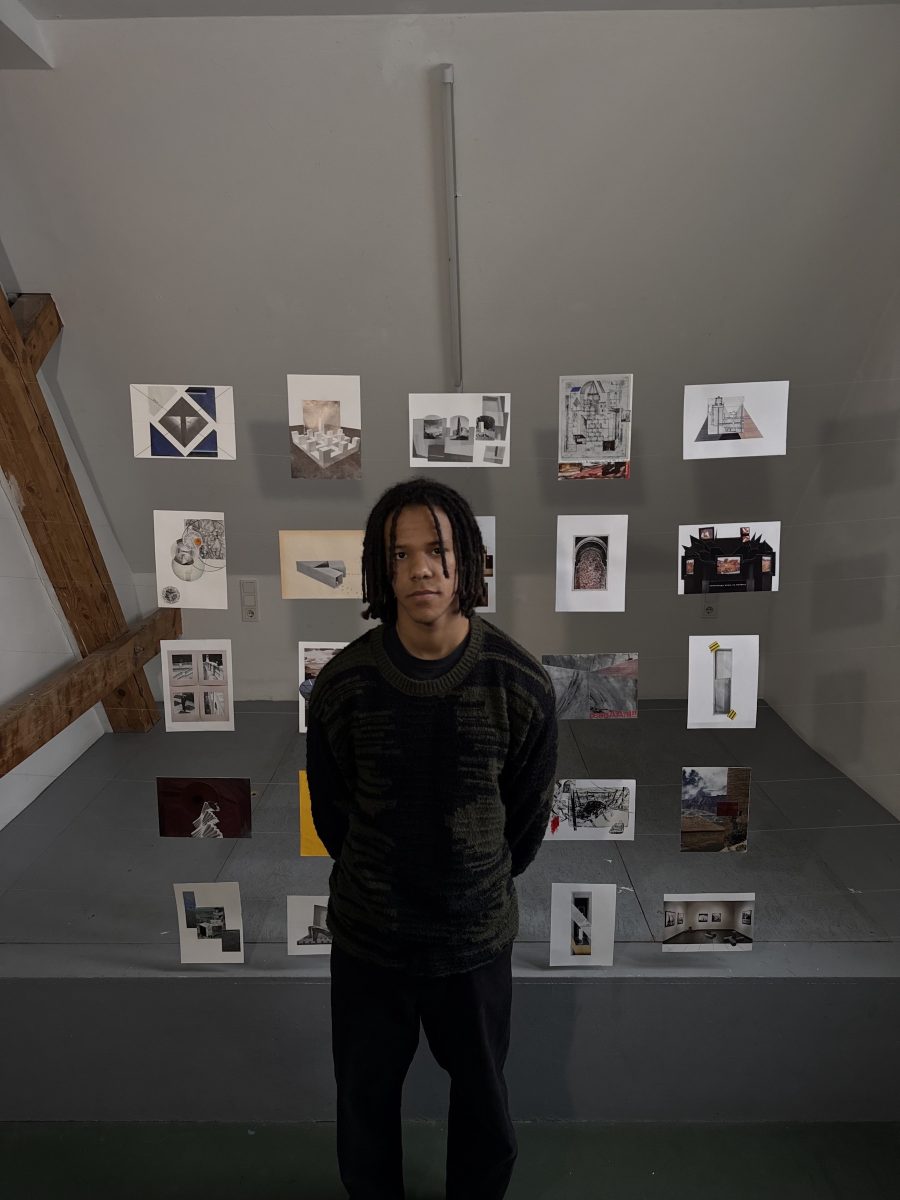
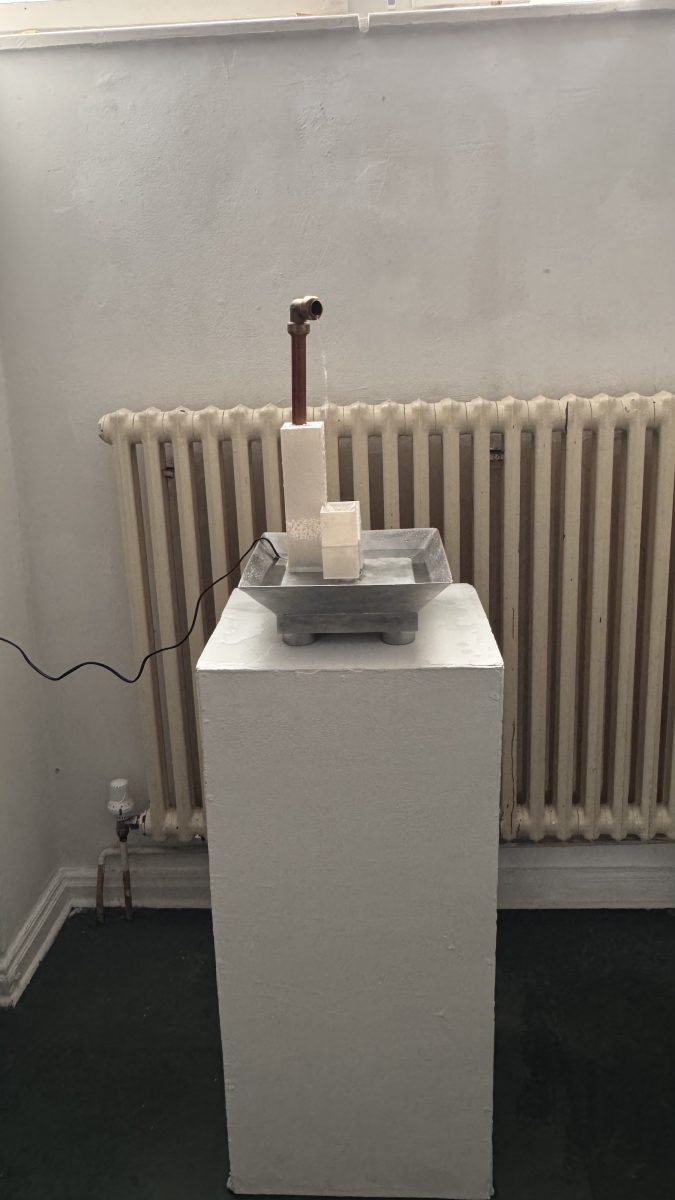
Petr Karpov is an architect, artist, and dj from the United States whose research-based creative practice rests between visual art, performance, and spatial investigation. Currently, Petr creates sculptural objects – functional or ornamental, many act as two-way channels: both sculpting spectatorship and documenting the effect that audiences have on their space. He uses these objects to create montage, as well as to explore questions of authorship, utility, and ornament.

Can you tell me a bit about yourself and what you’re working on for your residency?
I’m Petr. I’m 24. I’m black and Russian. I studied architecture and visual arts at Princeton University. I do sculptures, installations, and performances. I also DJ.
Generally, my practice deals with modernism; its forms, processes and theories. My work is a product of this but also a critique of it. More specifically at the residency, I’m interested in ideas around lifespans of artwork.
I’ve been doing research into material longevity, so looking into how long the objects we build will be preserved for, the tension that comes with creating for both a defined present and an imagined future, and speculating about the future people who may receive these artifacts. I’ve been interested in making objects out of very contrasting materials, such as paper and concrete, and thinking about what message or form I want to send into the future.
Those same thoughts led me to question whether we can reuse artworks, what other uses something you create may have, and incorporating the functional into the ornamental.
You describe yourself as having a fascination with spectatorship. Can you tell me where this fascination came from?
All of us are spectators – constantly – whether we realize it or not. And when I say spectator, I mean both spectator to content and media, but then also unintentional spectatorship.
I’m talking about the moments when we unintentionally learn from other people, their processes and rituals, and we change how we act based on this process of learned behavior. In artwork, I think that this manifests as artworks that allow audience members to switch between roles of spectator and actor. Seeing another audience member interact with an object, and building on it – getting your own ideas to connect with a piece.
With active spectatorship – when spectators are forced to be actors – this participation or use of an artwork becomes its own building material and an artwork can be built from this interaction with spectators.
You’re also a DJ. Can you tell me more about how you got into it, why you integrated it into your practice, and how you create a setlist for a project?
If you want to be really specific, Brandon Schell got me into it when I was studying in Copenhagen, but I feel like it is just a good reflection of my visual art practice.
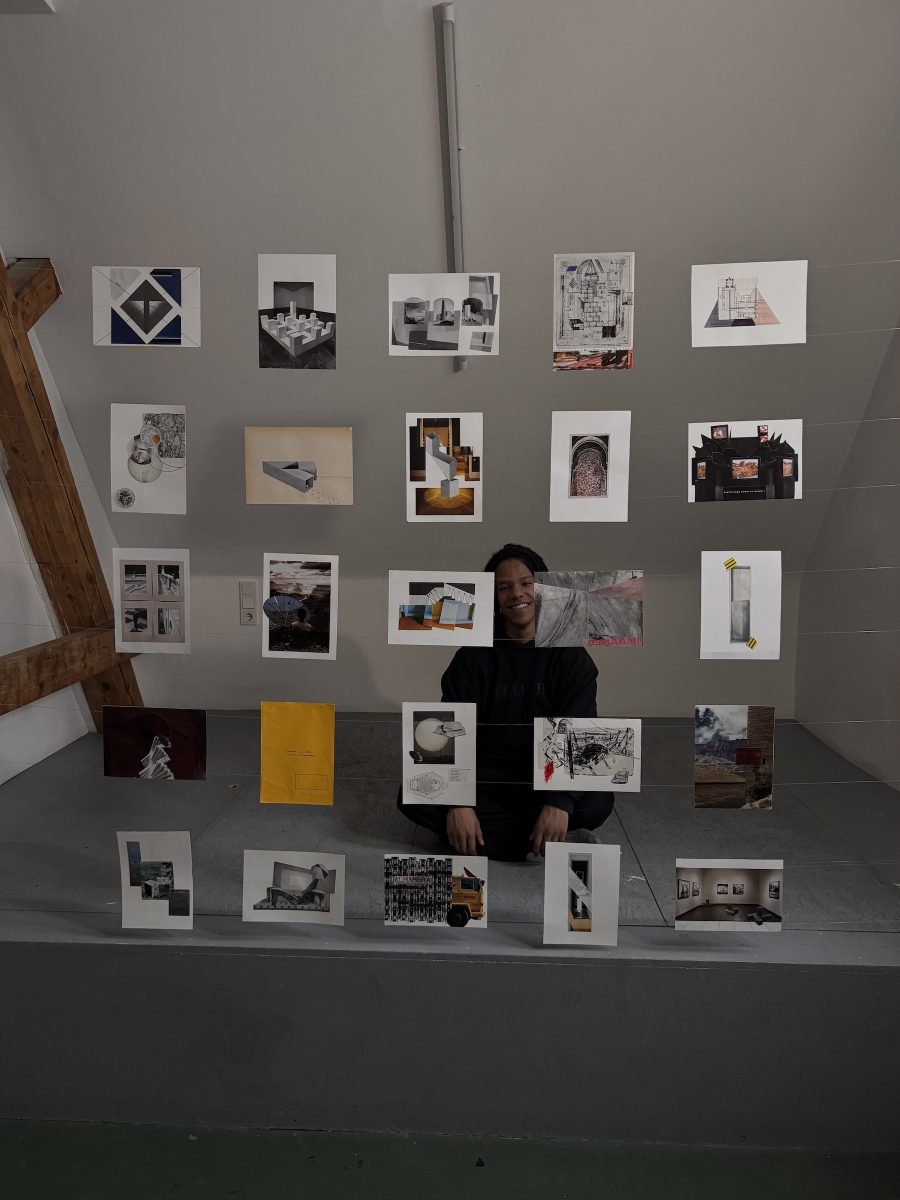
I started off doing a lot of collage and I feel like DJing and collage are similar – this idea of a remix, taking something out of its context and putting it in conversation with things that it wasn’t meant to interact with. I think that can produce cool and unexpected things.
Obviously a DJ is an actor whose main role is to shape the spectatorship, but at the same time, anybody that’s attending the event or dancing is an actor in that performance. The event wouldn’t be what it is without an active audience.
I’ve had past exhibitions where I’ve been exhibiting works in a gallery setting, but then I tried to take it out of that white cube setting by organizing a rave in the space. I was interested in the change in spectatorship and how it would make the work be perceived differently.

When you create works that both document and shape movement, what do you hope viewers become aware of about themselves?
I don’t think that the goal is necessarily discovery and each work is different.
Sometimes it can be discomfort or absurdity. Sometimes it’s just art for the sake of being art. I did this show free useless that was about Afro-suprematism and tried to fully separate work from any meaning. Separate art from aesthetics or from myself as an artist. It was just art being art, not trying to push an agenda or have a motive.
Interview Reese Saddler (@reeseesaddler)
Photos Ksenia Proskuryakova (@ksenyapro)