Meet the Artist // Lorel Hill
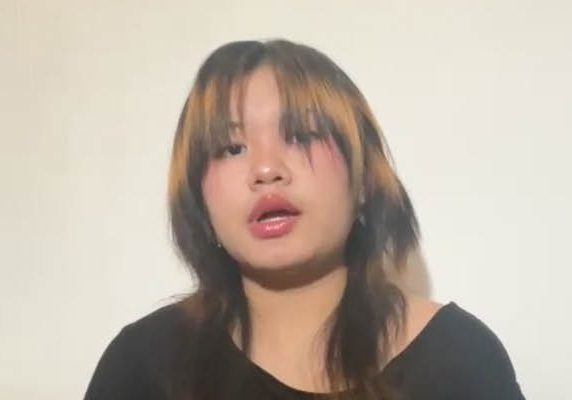
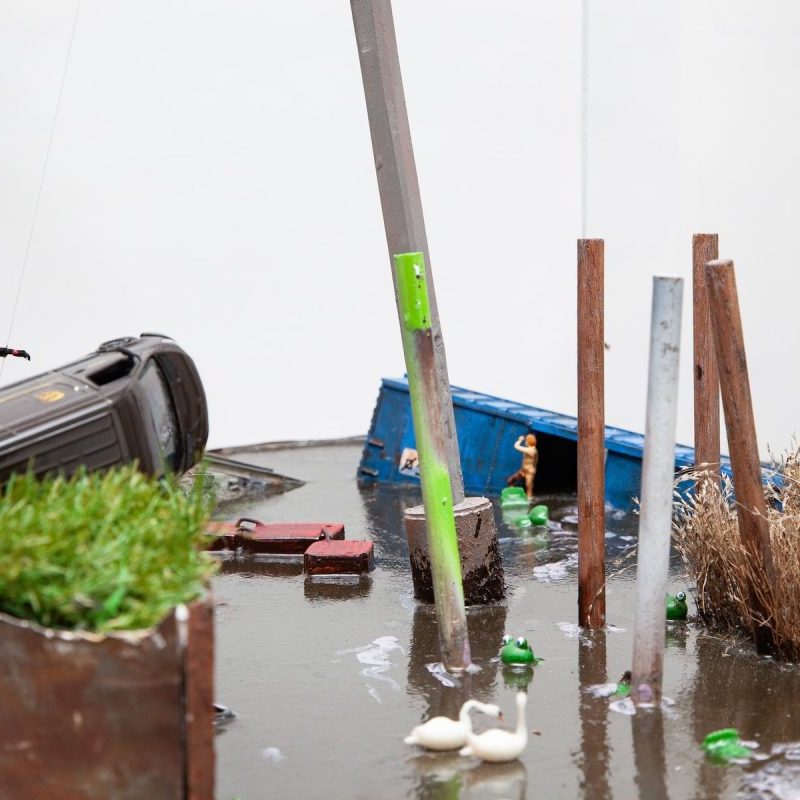
Lorel Hill is an artist from the United States. He creates immersive dioramas of real places, reimagined to serve different narratives of interspecies encounters.
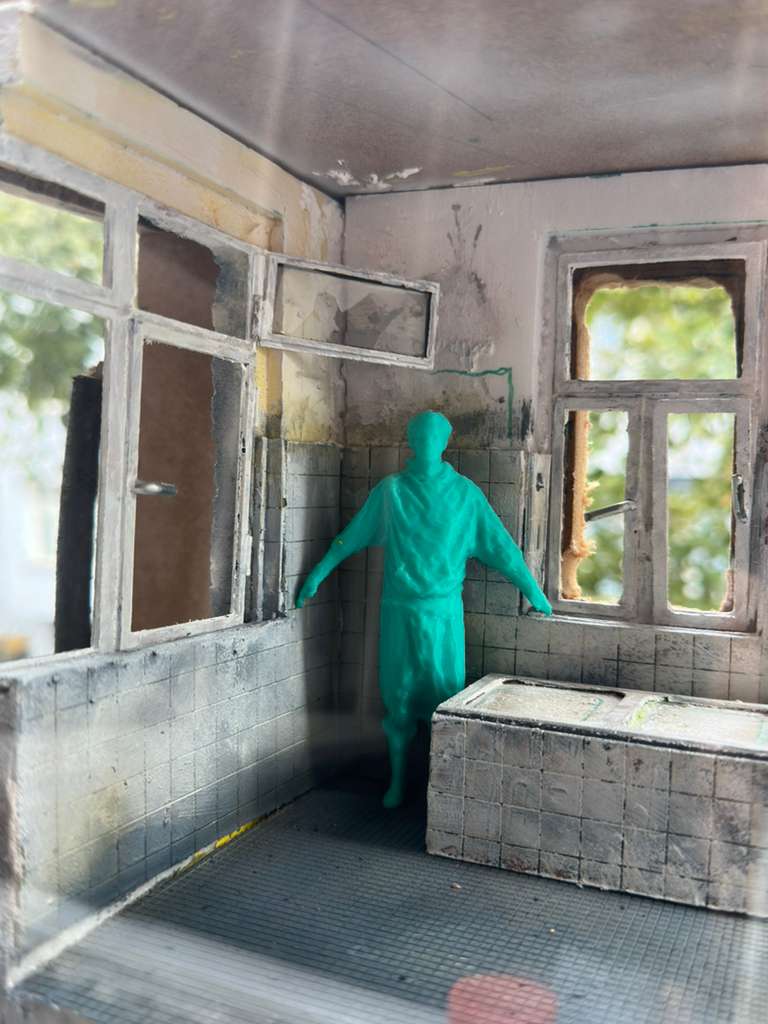
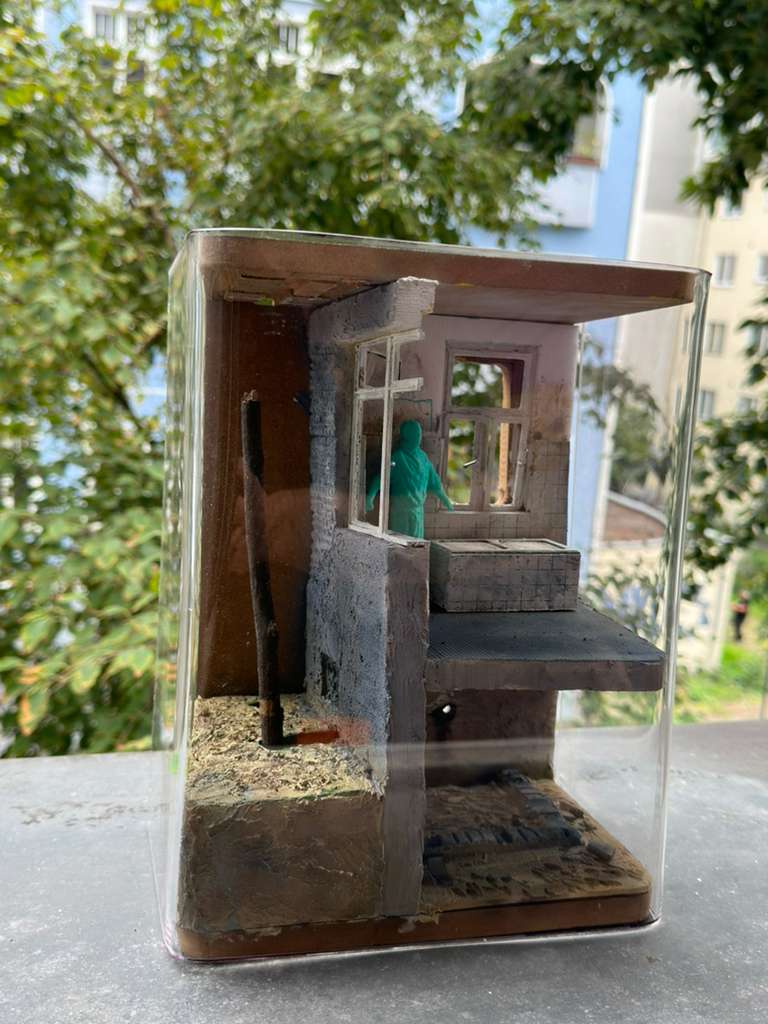
Although Hill retreated from making work in abandoned structures, he still loves interacting with the natural and unnatural elements in those spaces. There, where economic production or extraction has slowed or retreated, both human subcultures and nonhuman species improvise niches to survive in novel ways. He now makes dioramas of these ‘degenerate places’.
Lorel Hill fills the gaps left by institutional neglect with his own desires, sometimes selfish or comedic. Still the work asserts a tender indignation: that life in margins deserves protection because nature doesn’t stop at the asphalt.
Can you please tell us a bit about yourself and your practice?
My name is Lorel, and I’ve lived in a bunch of places, but mostly in northern New Jersey, on the edge of the New York metropolitan area. I went to the art school at Rutgers University. I was living at home and commuting between North and central New Jersey, right through a famously polluted swamp. It’s surrounded by urban areas, between Newark and New York. I was doing that every day for hours, and I’ve become very interested in this landscape. I was serendipitously gifted a canoe and started exploring it by myself and with friends.
I took a course in urban ecology as well, which opened up my perspective about how we think about nature, and I started applying those concepts to the swamp. I made a diorama and realized how powerful, but also slippery, a medium it is. From there, I just decided this is what I’m going to commit to.
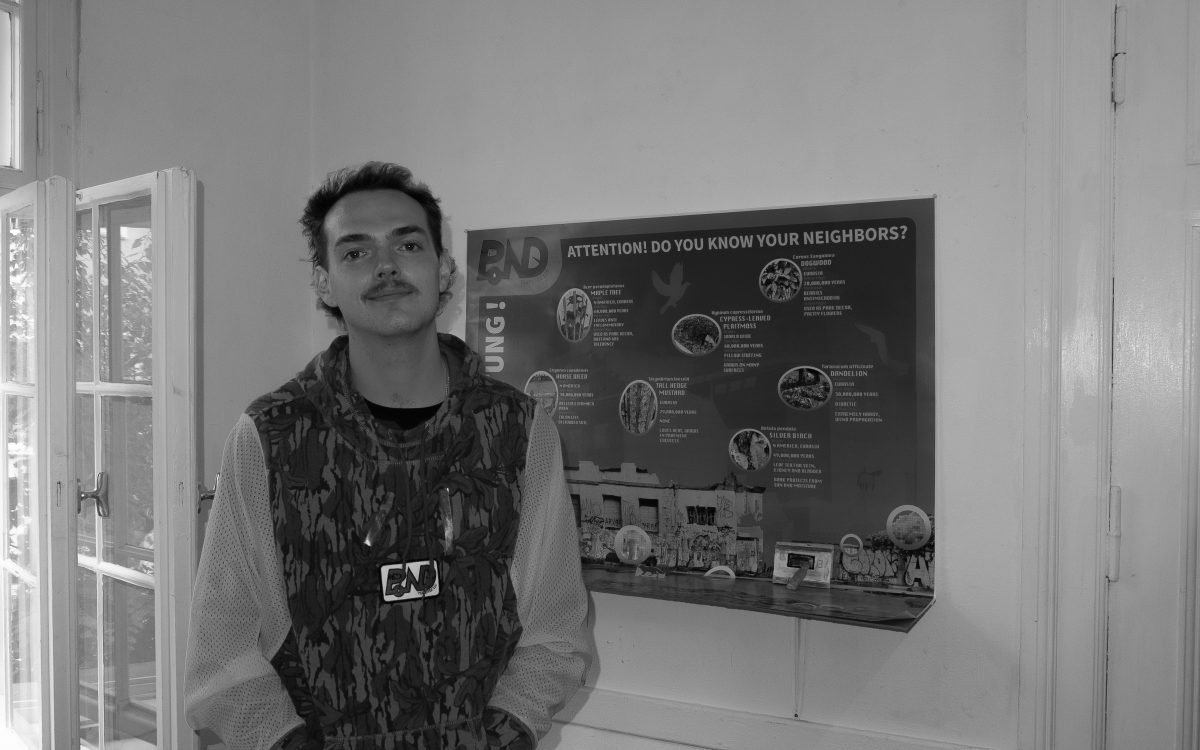
How do you approach dioramas, especially in your world-building practice? What inspired you to choose this medium?
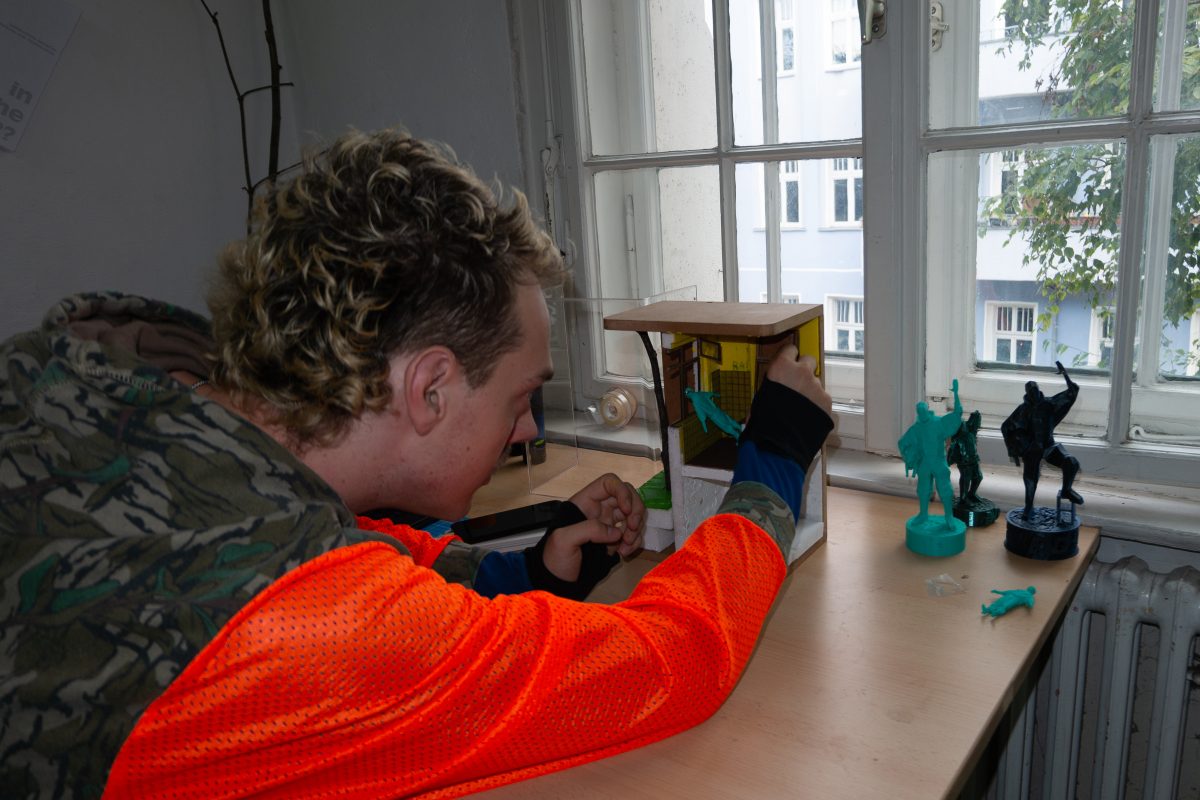
There are many ways to approach them, and I don’t want to erase any of those. Traditionally, natural history museums and anthropological museums use this medium. I live near the American Natural History Museum in New York, which is a huge inspiration for me. There are so many colonial narratives of the ‘natural’ or the ‘native’ woven through those dioramas. I’m not trying to save or rehabilitate the medium. I’d like to focus my dioramas on a different kind of landscape and hopefully through that some flaws and solutions will be revealed about our understanding of today’s ecology.
I’m also interested in the architectural diorama of posing space as something that doesn’t exist yet or may never exist. To make space smaller and control everything about it in a godlike relationship is a very compelling desire. Maybe epitomised by these old guys in basements building train models. I think they imagine land as infinitely malleable. As a kid, I really loved science museums too, because there was always something for children to interact with or change. I want to move towards this mode: miniature landscapes, products or installations which allow agency for participants.
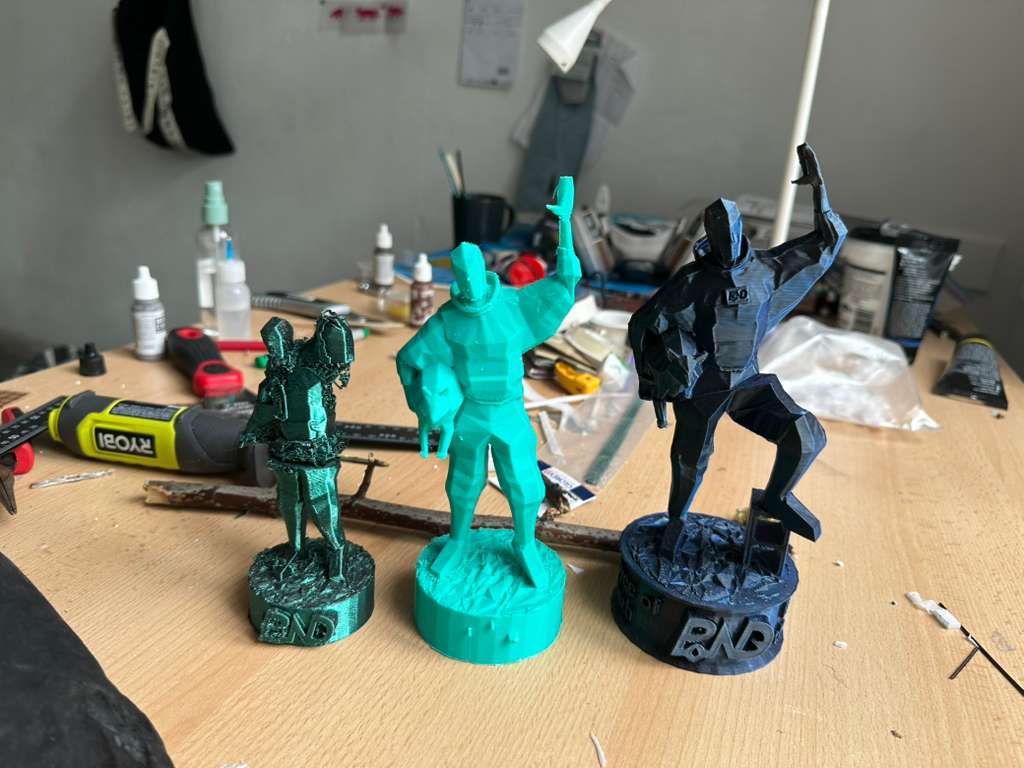
You have a made-up company with a very real output, PoND LLC. What’s your position in the company and what was your process of establishing it?
It’s fictional at the moment; I haven’t gone through any of the legal processes or done the copyrighting. Mostly just because of money, but I intend to in the future. Especially when I start selling work, it would be interesting for that to be a real thing.
I’ve come up with the company because I was making dioramas, but they still felt too removed from the real world. I want my work to move outside of the realm of pure art or concept.
I was also inspired by the artist Carl Cheng from California. In the 80s, he created under the name John Doe Co; he wanted to anonymize himself. He also imagined products in this company for a future generation that wouldn’t have any connection to nature. He made home entertainment systems, through which you could experience a rock eroding or wind rustling grass.
As for my role in the company, I’m still figuring that out. Right now I’d be the chief executive artist. I want to move into the realm of performance art also. I came up with a set of characters that I would play, of roles within the company, like an ecologist, a poorly treated but really enthusiastic intern, or an evil CEO. For now, I have to be behind the camera and the scenes and make the dioramas. Performance art is one direction I want to go; another is to make products that people can interact with.
Right now, I’m thinking of PoND LLC as a real estate company, but I want to shift it into creating things like toys, or little devices that could help study ecology or experience urban ecology in new ways. I’m also playing with the idea of the modern brand; everything’s a brand now. I want to make weird products that people question their use or value of.
What would your brand image be like?
I’m still struggling with this because I don’t know what balance to strike. I want there to be an element of griftiness or lying. There are so many eco- or greenwashing companies and nonprofits; it’s hard to tell which are sincere and which aren’t. I think many are staffed by truly well-intentioned and smart people, yet funded cynically as public relations ventures. It also fits into the identity of northern New Jersey: there are still so many fronts for the mafia, and many fake businesses.
At the same time, I don’t want to flatten the righteous indignation that we should be treating our urban species with more importance. These places aren’t of no value; they are not ‘ruined’. So I want to play with that tension, but not let the cynical part overtake the hopeful one.
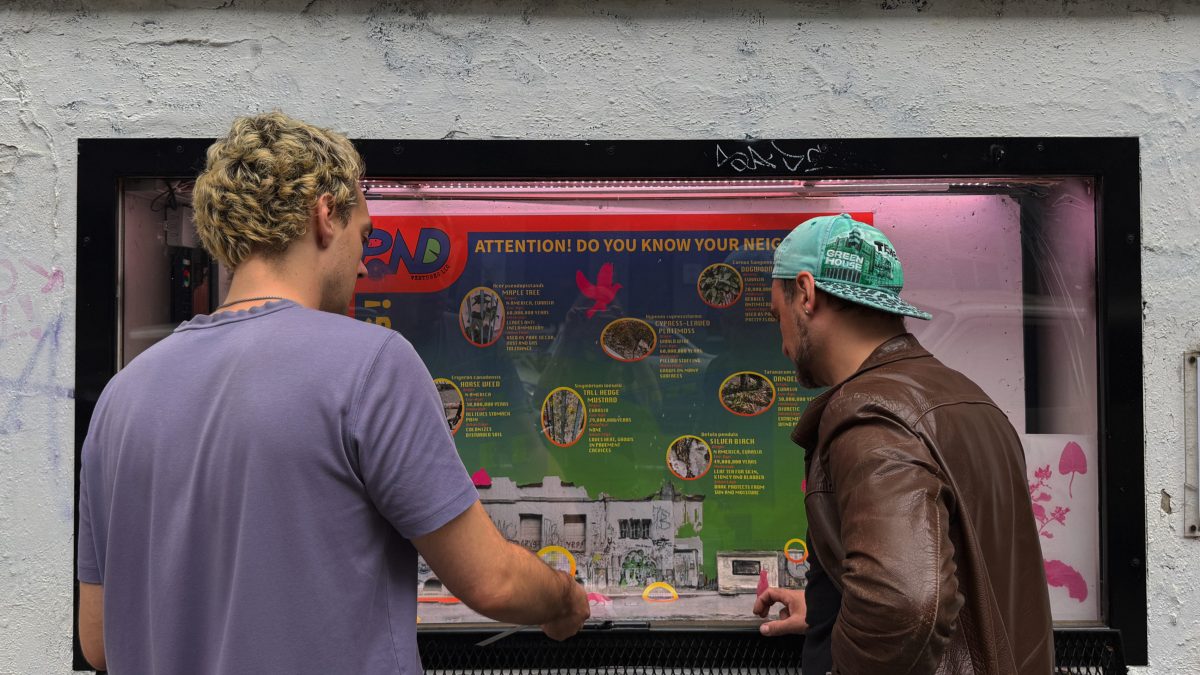
You mentioned previously that you’re interested in publications, which for me represent hopefulness too. What format would you choose and what would its purpose be?
I started making a zine cover for the company. I intended to mix real ecological news stories and facts with not-so-subtle advertising for the company, kind of like inverse product placement. Ecofacts embedded in my corporate fiction. Several people thought it was wacky; they didn’t understand what I’m trying to get across. I ran into a problem of that cynical nature: making something sort of fake, as a joke, overwhelming the message I want to convey. Now, I want to take it a lot more seriously. I’m in contact with urban ecologists; it’s actually pretty easy to email somebody and ask them for an article they’ve probably already written. I want to spend more time on it and create a booklet that’s accessible to the public and connects different artists, urban ecologists, and community activists to describe their work.
Photos // Laura Bikulčytė
Interviewer // Veronika Laczai