Meet the Artist // Hooria Sanei
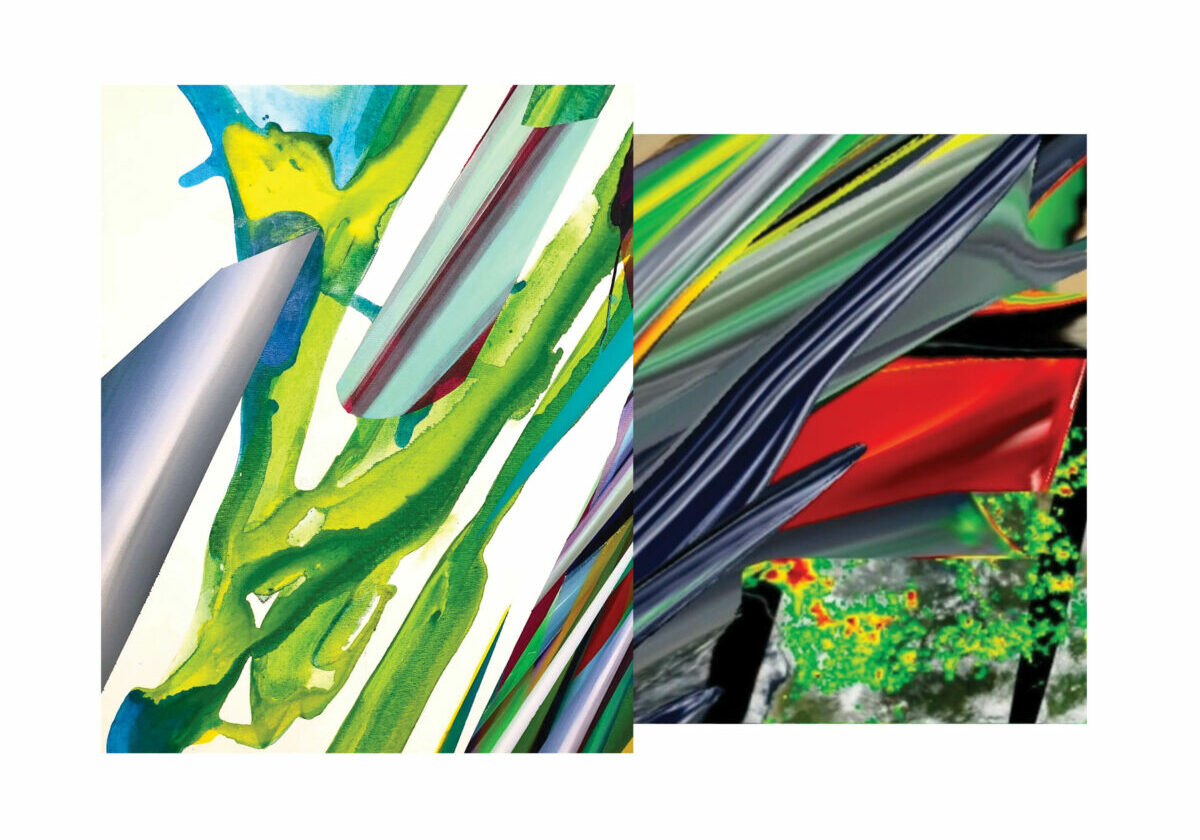
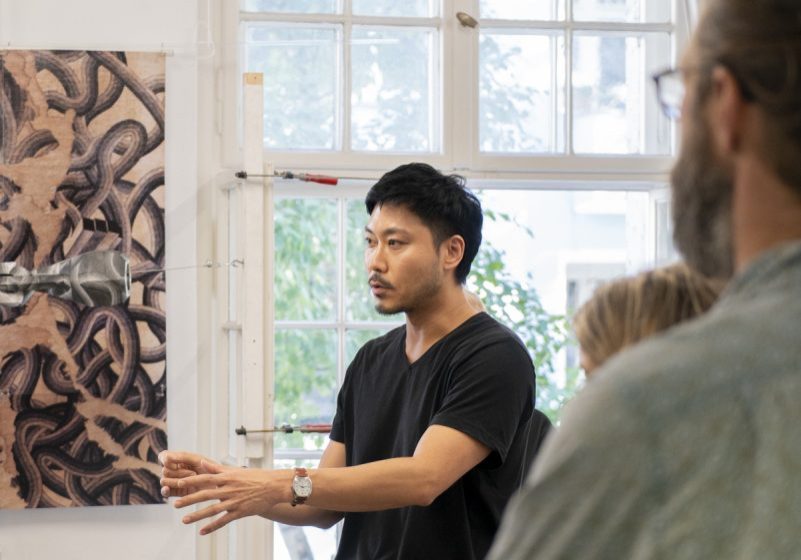
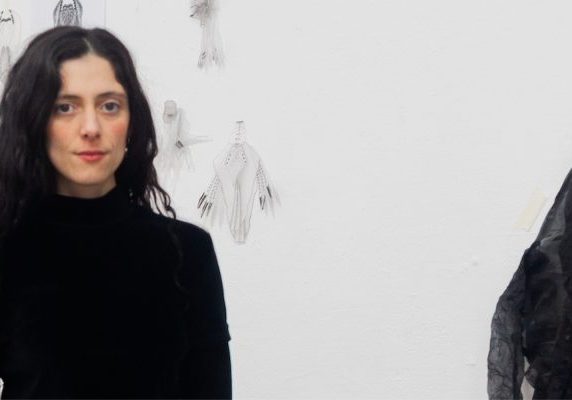
Hooria Sanei is an Iranian multidisciplinary artist and composer whose practice is driven by a belief in art’s capacity to generate social change. Through the integration of sensory, conceptual, and experiential approaches, her work encourages reflection on human experience, identity, and non-verbal modes of communication.
Can you tell me a bit about yourself and what you’re working on for your residency?
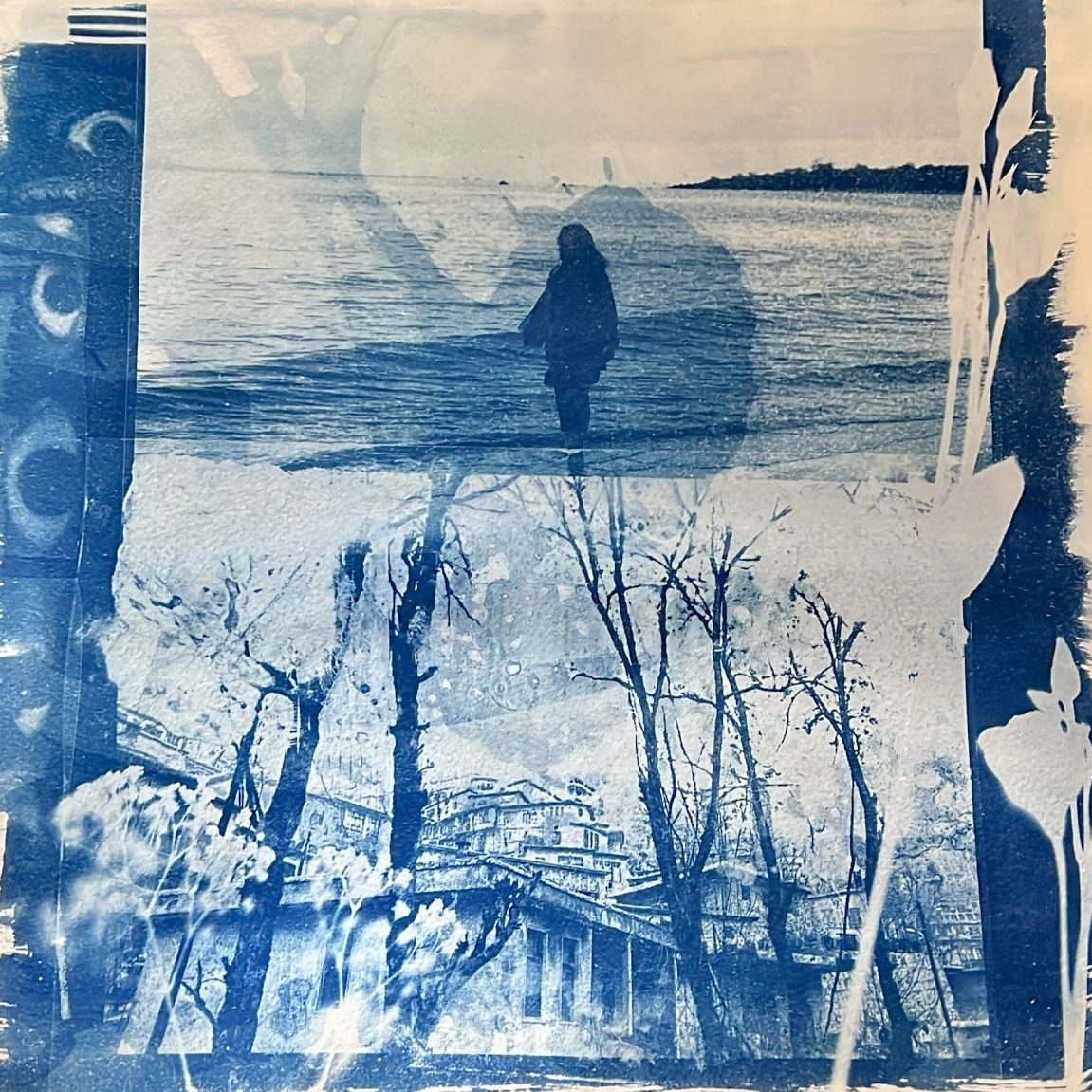
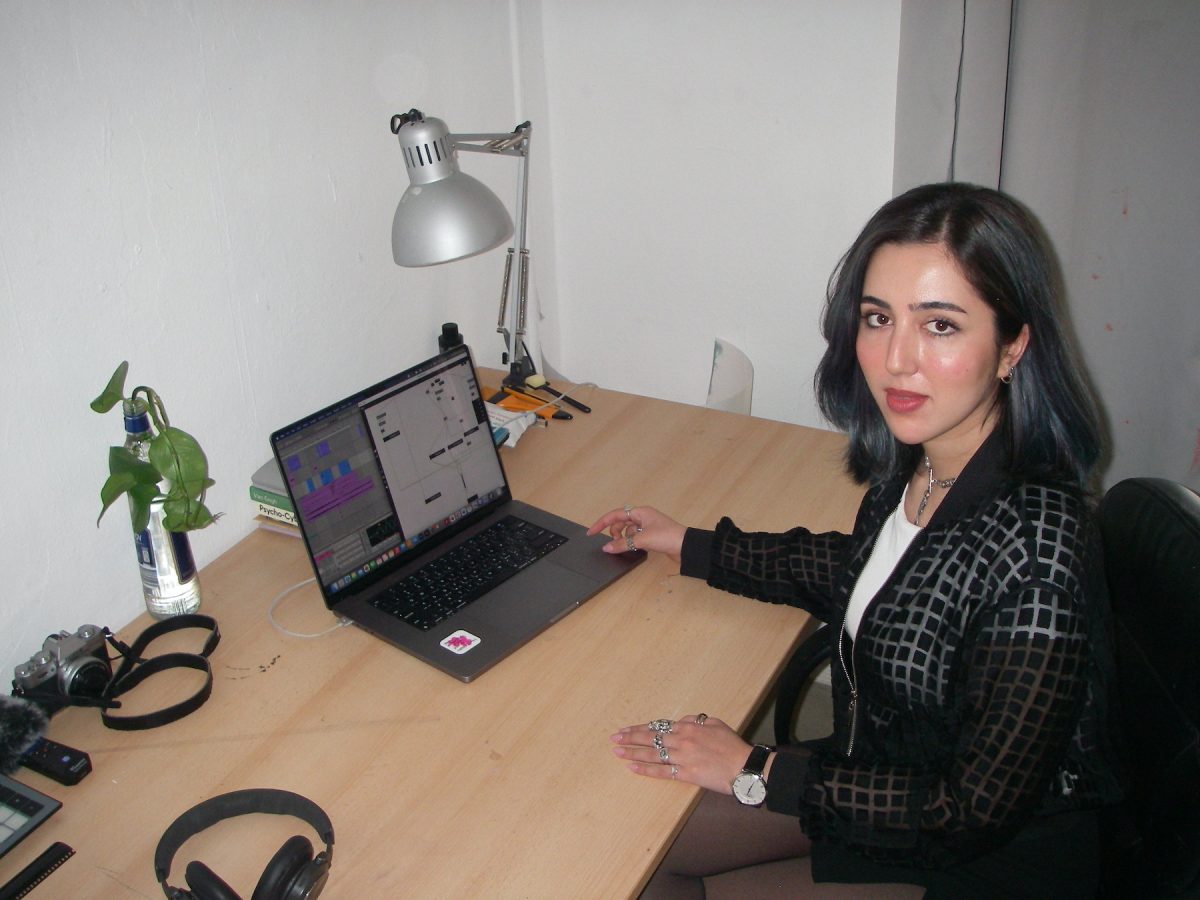
I’m Hooria Sanei. I studied interaction design at University of the Arts London and I’m doing my PhD right now in Media and Innovation Design and art has always been part of my life. I started with music and since I was a child, I played piano and then I learned how to play cello. Later, alongside the music, I went to the visual side of art with photography and alternative printing. During my masters, my work shifted towards technology-based art and since then I have been exploring how digital tools and media can change artistic expression and the experience of viewing art. I am passionate about the transformative power of art for both human and non-human life, and it has become my way of translating and synthesizing my understanding of the world.
In my work, I mostly focus on memory, personal experience, and our connection to places and that’s what I’ve been exploring during my residency. I’m inspired by the philosopher Heidegger and approach art as a way of dwelling and creating spaces where things can reveal themselves and the unseen quietly come into the world through art. I’ve also been exploring how scent, sound, and image can become a unit and make memory a more immersive experience.
I’m playing with sensory elements, such as textures and sound, and combining those things to create a work that is more like the real world.
Your work moves across multiple mediums (music, photography, etc). What draws you to working in so many different styles?
What mostly draws me to working across different mediums is the way that each form interacts and transforms into another. I think for me, living between places and having different experiences has shown me that boundaries are fluid and those overlaps are the reach for creative possibilities. For me art is a way of expression, and the medium I choose depends on the concept I’m exploring or the audience I want to connect with. I’m drawn to uncertainty rather than clear-cut answers, and those are often the moments when techniques collide and something new, sometimes even accidental, emerges. I see these intersections as little black holes that open onto new horizons, where unexpected combinations of materials, sounds, and images can reveal entirely new ways of experiencing the world.
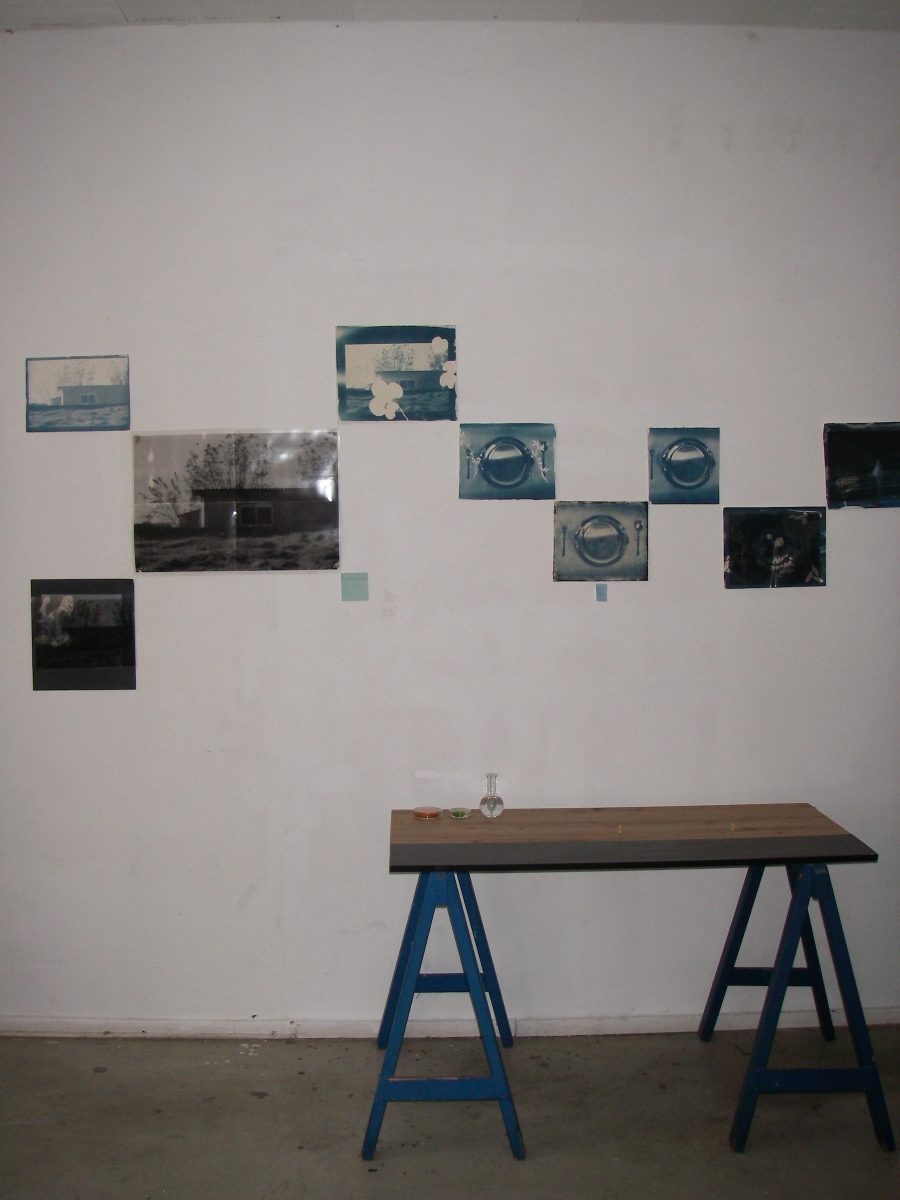
A lot of your work touches on identity, memory, and shared experience. How do you approach translating something so personal into a visual language others can connect with?
Translating something as personal as memory or identity into visual language is about creating a space where others can see themselves and not just me. I begin from my own experience and lived moments, but not as a fixed story. I use some fragments of my life or stories to bring up some feelings and allow the viewer to connect with their own memories. While the specifics of my experiences are uniquely mine, the themes of memory, identity,
and transformation are universal. We are all shaped by time, by the moments that define us, and by the silences in between. My work serves as an invitation to reflect on the shared human experience. Personal memory can become something shared, because emotions like longing, change, and presence are familiar to people across cultures and time. Also, perception is more than just looking. We experience the world through our bodies, our memories, and our past experiences, so we perceive works differently from each other.
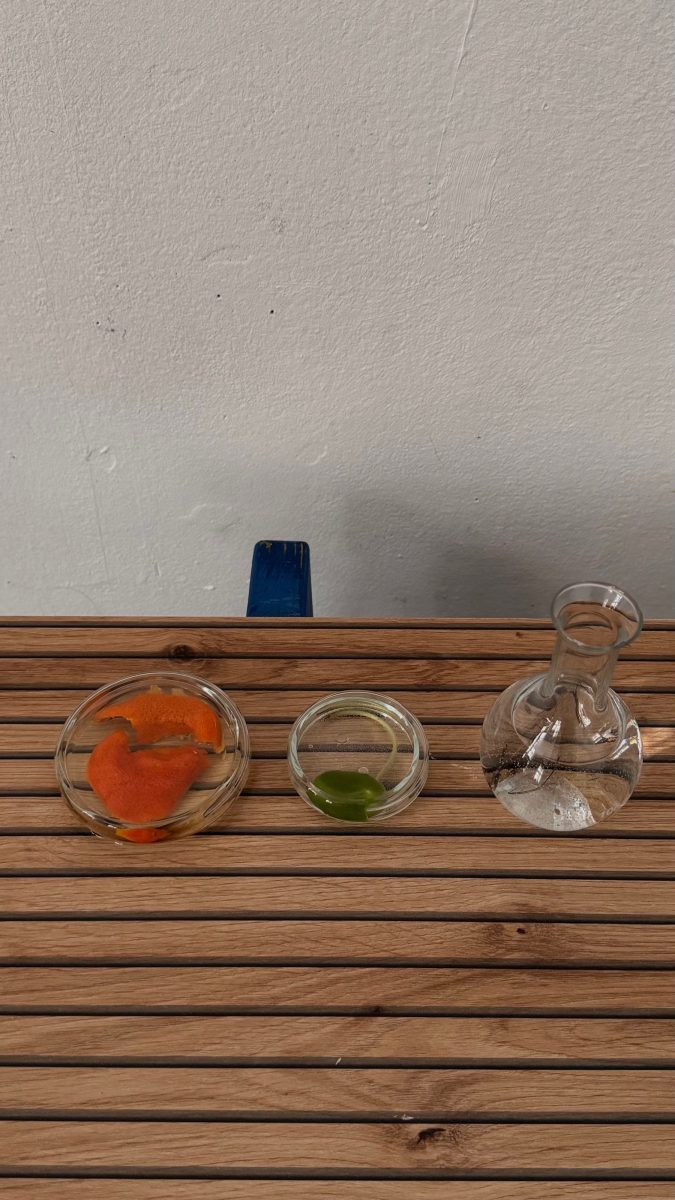
During your residency, you’re exploring how visual language creates emotional and sensory understanding. What are you most curious to experiment with during this time?
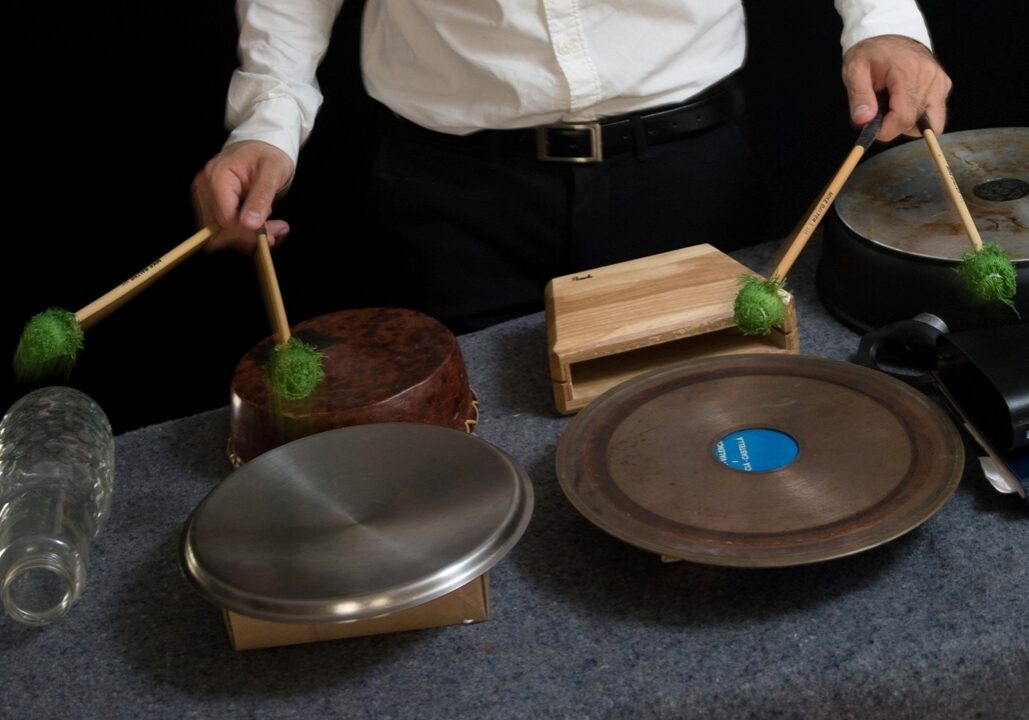
I’m interested in moving beyond traditional visual forms to engage multiple senses, creating experiences that are felt as much as they are seen. By incorporating sound, texture, and even scent, I aim to invite viewers into the work in a way that goes beyond observation, fostering a more immediate and emotional connection. Scent can bring up memories and moods that images alone cannot, while sound shapes our sense of identity and belonging. Each of us carries an internal geography of sound, where voices, rhythms, and ambient noises resonate throughout the body, not just the ears. Noise exists both outside and inside, and even familiar sounds can evoke the feeling of home. In this way, sensory elements allow the work to become a vessel for memory, emotion, and presence.
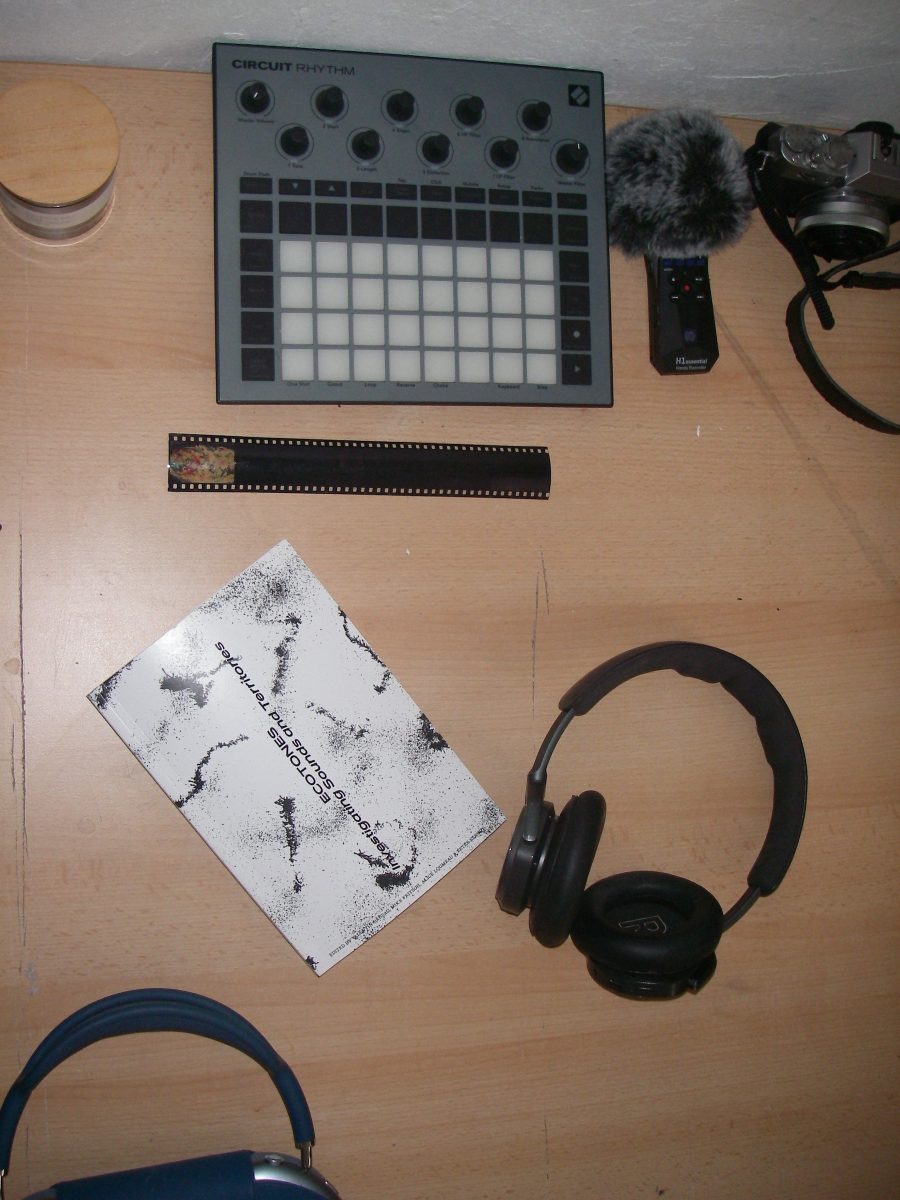
During my residency, I have been collecting field recordings and archival sounds, noticing how every place has its own sonic character. I am exploring how these sounds, both human and non-human, can layer with visual elements to create a richer, multisensory experience. By combining sound, image, and spatial awareness, I hope to create immersive works that viewers can inhabit fully, where perception, memory, and emotion intersect. This practice allows for moments of discovery, as viewers find their own connections and reflections within the layered sensory environment.
Through these experiments, I am expanding my practice into multisensory territory, exploring how senses converge, how emotions are evoked, and how memory can be activated through the interplay of sound, scent, and visual form. I want the work to be something experienced physically, emotionally, and mentally, leaving traces that remain with viewers long after they leave the space.
Interview Reese Saddler (@reeseesaddler)
Photos Ksenia Proskuryakova (@ksenyapro)