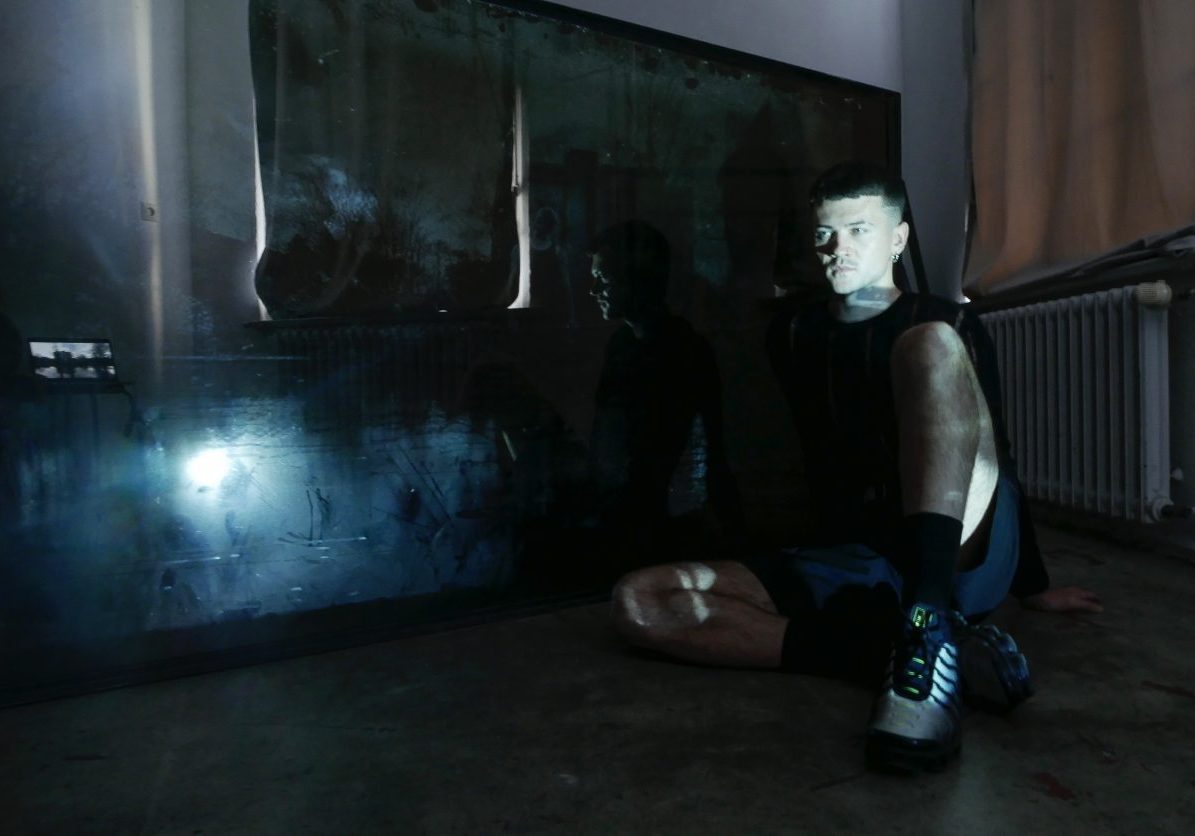
Meet the Artist // Conrad Kaczor (Icon Sleepy Tut)
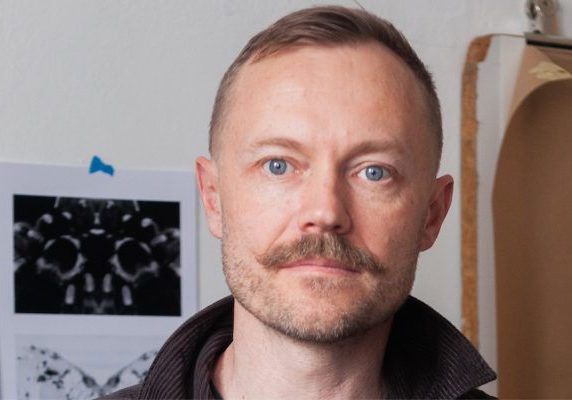
Conrad Kaczor is a mixed media artist rooted in street dance, whose practice continues to grow toward contemporary movement and art. Through solo performance and digital processes, he explores personal and collective histories shaped by memory, grief, and transformation. Conrad at the moment lives in Portland, Oregon USA.

Could you tell me about your background and the project you are proposing for this three-month residence here at GlogauAIR?
First and foremost, I’m a dancer and performer, but I am more of a multimedia artist. I don’t just dance: I’m a videographer, filmmaker and a photographer. I do sound and I do digital art as well.
I’m a street dancer and I specifically do a style called popping. Popping is a street dance that comes from the West Coast, Los Angeles, and goes back to the Bay Area in the 70s.
I’ve been doing this style for 20 years. I tour, teach, and perform popping all over the world. In my twenties, I was struggling to become a professional dancer, and I was not getting any gigs at the time. All of my friends were getting commercial work and I was struggling. During that time I had this really fun hobby and passion at the time: videoing. I loved to film myself dancing, add edits, and post it on YouTube. When YouTube first started coming out in the late 2000s, I remember talking to my friend who was an amazing dancer, and I asked him, “Hey, you’re getting gigs and I’m not, what should I be doing with myself because this sucks,” and he said, “Hey, you’re pretty good at doing video work and making videos, how about you go to film school?” So I went to film school and I became a filmmaker. Fast forward, I made a few films, specifically dance films, and then I made a documentary that was awarded throughout film festivals. I started doing a lot of freelance work and I got really burnt out.
Coming back to dance, within street dance and popping there’s only commercial work, battling, or teaching. There was a time where I didn’t like battling because I was constantly losing and it really discouraged me. It ate my soul up quite a bit and soon I discovered the theater scene because I really loved performing and sharing my art. I ended up taking modern contemporary dance at a community college and then I got into a dance company. That opened doors to theater and art and contemporary art out there in the world and that’s where I kind of end right there.
At GlogauAIR I’m working on this project based upon my process through grief. When my mom took her own life three years ago, it was such an intense moment in my life. I wasn’t able to get out of my bed, I wasn’t able to dance, I was not able to do anything.
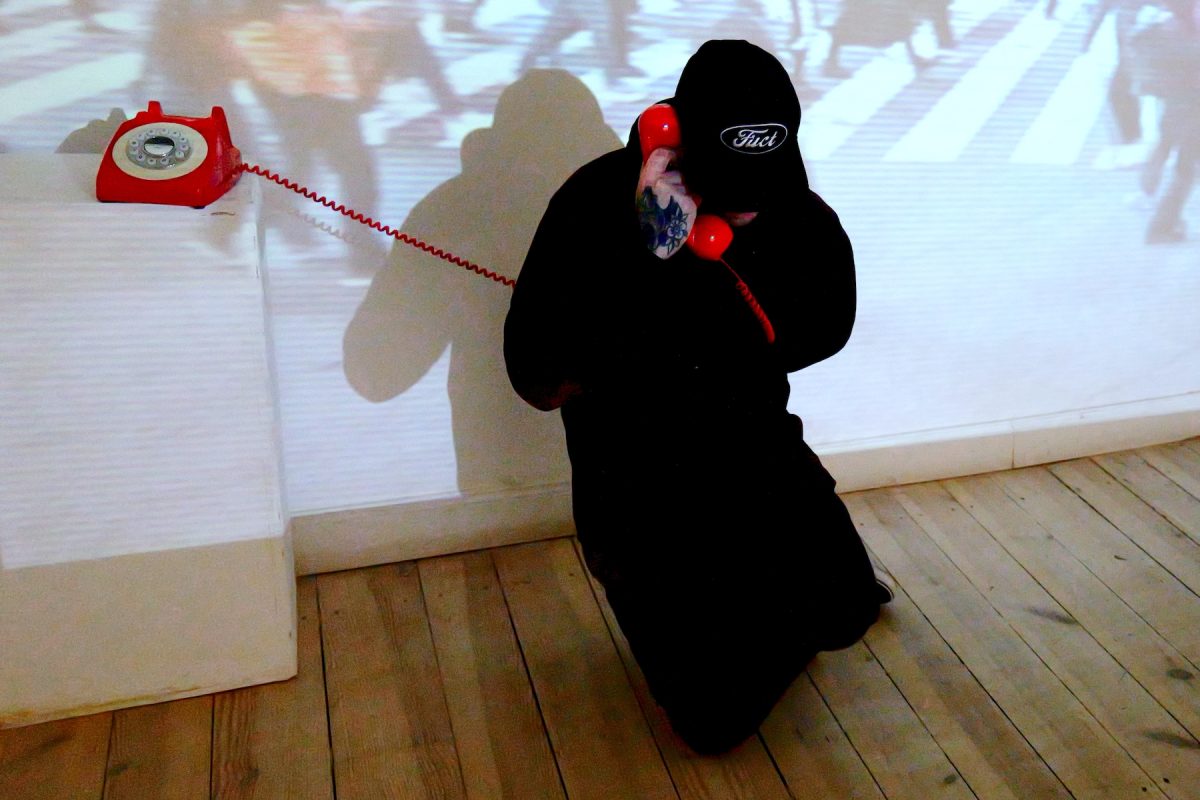
Once you see my performance Kola, you see the process of the stages of grief that I went through. I did this performance once a year ago and now at Glo I’m continuing to develop further into it and to further myself into the process of it.
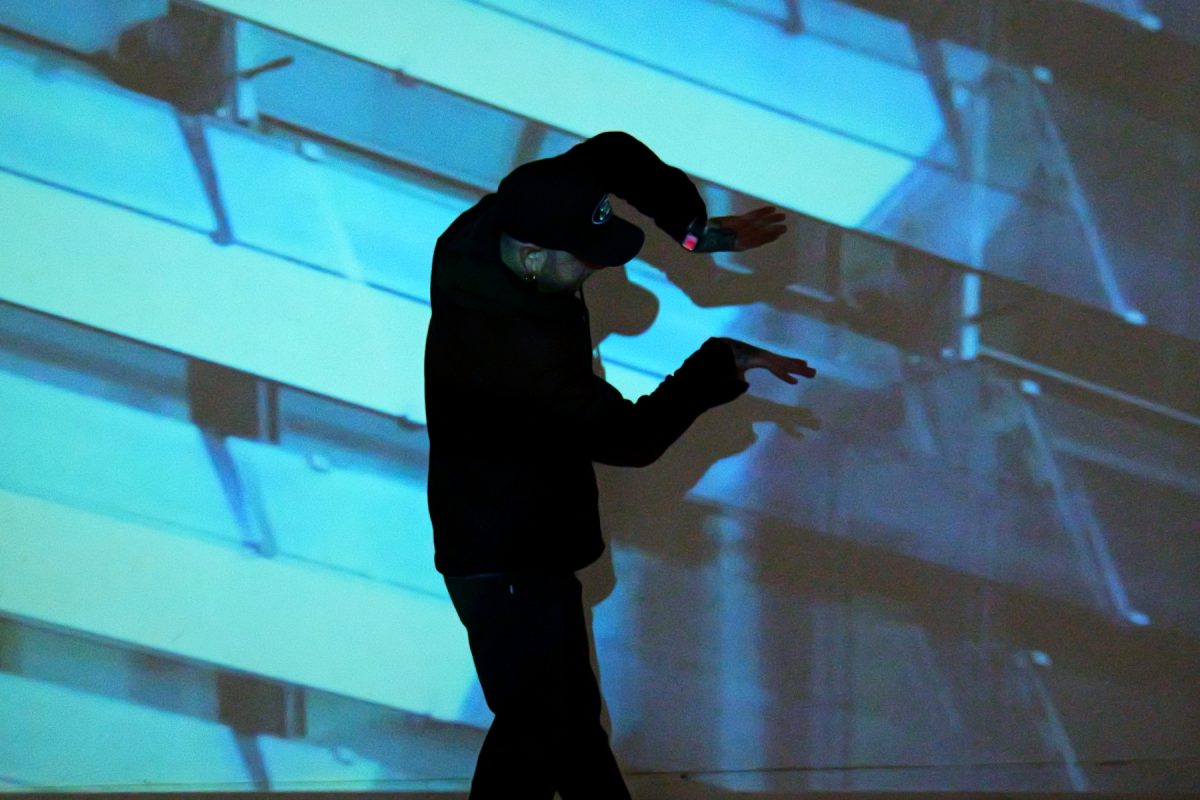
Can you explain what tutting is? Do you remember what first drew you to tutting specifically? What was it about that style that made you feel like, “This is my language or this is me?”
As stated earlier, I perform a style called popping. It’s very mechanical, there’s lots of body control, and it’s a very illusional dance style. Within popping, there’s these sub styles: there’s waving, tutting, animation, and robot, and all these styles are within the umbrella of this family of popping. People know me for this specific style called tutting. The actual term is King Tut style. The old schoolers back in the 80s would mimic Egyptian hieroglyphics, and would do these funky King Tut poses. Once they started figuring out, “Oh, these are really cool angles,” they started making shapes with it and then it started to evolve.
When I was growing up, before I had any hobbies or a passion, I was inspired by my mother who was a painter, and she was super into modern and contemporary art and very into surrealism. So I always had this upbringing and influence of geometry, cubism, surrealism, and abstractness and contemporary art because of her.
I got into dance in the early 2000s, because I was a raver club kid. I really didn’t know any of these styles beforehand. I just liked to dance and dance was my place of escapism as well. It was the only place I could be free and feel comfortable. I was such an insecure, shy kid at the time.
The only place I could go to be free were these spaces. A year later within my partying and dancing and figuring myself out, there was a dance circle going on and these folks were doing the robot, and they started waving and tutting and doing all this geometry with their arms. I thought, “This is really freaking cool.” They were the coolest people at the party and like gods to me. I was a shy and insecure kid, so to me they were really freaking cool by expressing themselves with their bodies. I wanted to do what they were doing, so I shifted my cultures from nightlife into street dance.
These guys were a bit older than me, so I was like their little brother. I had a fake ID and I would go roll with them at the clubs and parties. I discovered that there is this massive culture. I had to go to Los Angeles to find the source of it. This was before YouTube and Facebook and any sort of social media. There was this forum called Soul Seek, where you could go and share videos and whatnot, but there was also a chatting room feature. There was a popping room there and it was my way of connecting and then going to LA was through that. Once I got to LA, I met and saw some of the best poppers in the world who ended up being my friends and guided me in my dance journey.
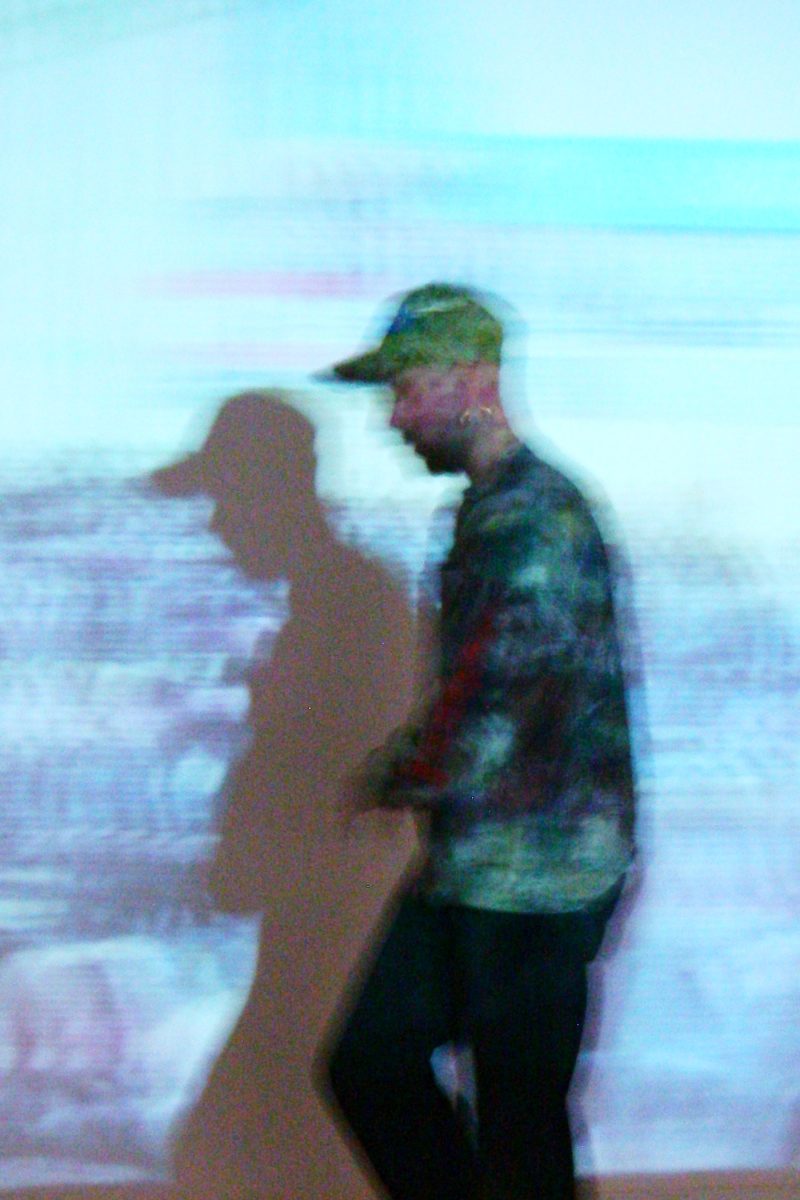
Has your relationship to grief or transformation shifted over time as your practice has expanded into different mediums?
When I was processing grief at first, I actually didn’t know how to process it. I was frozen. I didn’t do any sort of art because I was just too far gone. I was not present at all. The one thing that got me back into creativity was photography. It’s what got me going outside of my room and out of my bed. Going into nature and just taking photos, walking, and being in fresh air was my first introduction to being back into the present world.
Once I was back into the daily grind working, there was still something missing in my life. I was working out and taking photos. I was getting back into being creative. And then one day, I heard some music, did an arm wave into a tut and started dancing for 15 minutes. It was at that moment I realized what I’ve been missing that whole time: it was movement. My soul was calling for it to move forward in life. When I started doing movement again, I realized that it was the answer to all of my problems or stress.
I was part of this grieving creative group at the time and they proposed, “Hey, you should do a showcase of your mom and mother’s death or your process of grieving.” I thought it was a good idea and that was the introduction to me getting back into the theater; it was doing the showcase.
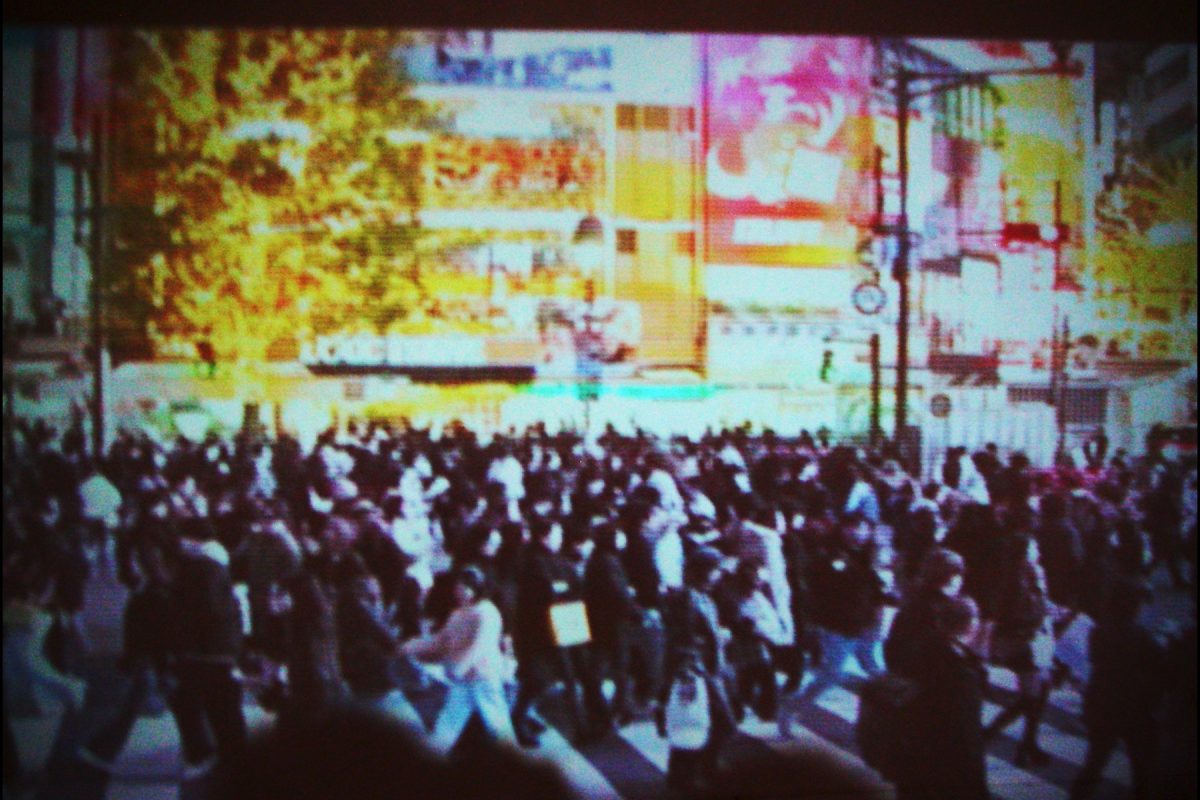
After 20 years of developing your craft, what feels most different about how you approach movement now compared to when you started?
How I’m different from back then is that I cared about how I looked.
Now that I’m older I don’t care about how I look, but I care how I feel about it. I approach it with feeling instead of how I look, so if my feeling isn’t there, I know it’s not right. That’s the easiest way to explain it. I know that all these new trends are just to look good, but I know that the feeling isn’t there.
Interview Reese Saddler (@reeseesaddler)
Photos Ksenia Proskuryakova (@ksenyapro)