Meet the On-line Artist // Siyuan Qin (Luna)
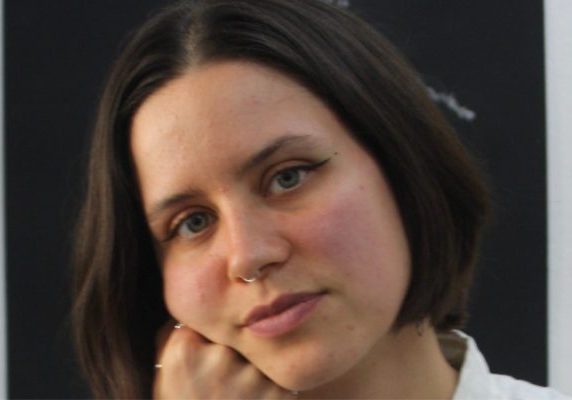
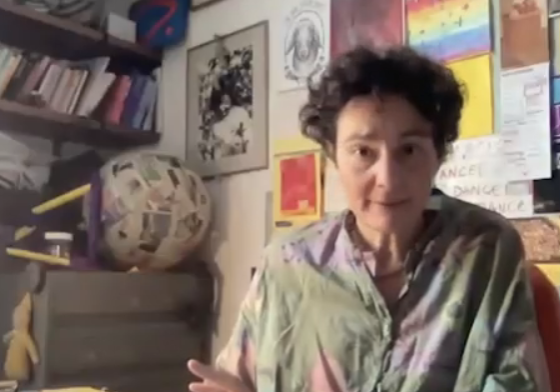
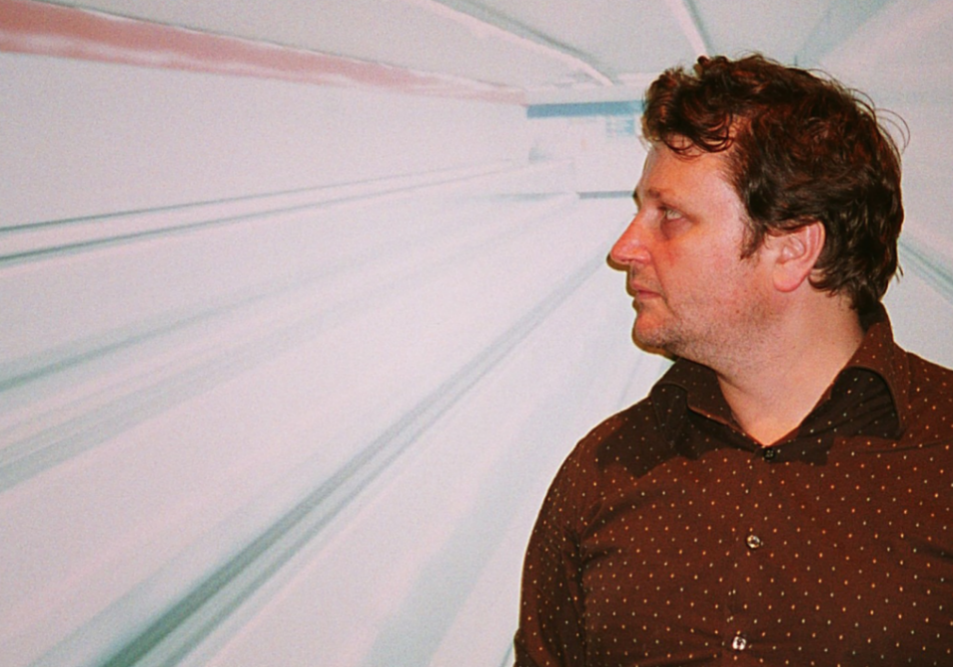
Luna is a Berlin-based artist and visual designer working across AI imagery, moving image, 3D, and interactive media. the artist explores digital culture and experimental storytelling, examining how AI reshapes visual language, authorship, and perception across digital and physical forms.
To start, could you introduce yourself and give us an overview of your background?
My name is Siyuan Qin. I am an emerging artist and visual designer from China, currently based in Berlin. I graduated from Camberwell College of Arts, University of the Arts London, where I received my MA in Illustration with Distinction. Recently, my practice has gradually moved from illustration into AI-generated imagery, moving image, 3D modelling, and installation.
I am very interested in digital culture, online visual language, and how technology changes the way people communicate, imagine, and build emotional connections. Living between different cultural and digital environments has also deeply influenced the way I think about images, identity, and intimacy.
How would you describe your artistic practice?
My practice is research-led and image-based, but it is also very interdisciplinary. I work with AI-generated images, moving image, 3D, AR, and sometimes physical objects or installations. Many of my works begin with questions about how images shape belief, desire, and emotional projection. I am especially interested in AI-generated images because they are not created by one single author. Instead, they are produced through large systems of data, prediction, and collective visual memory.
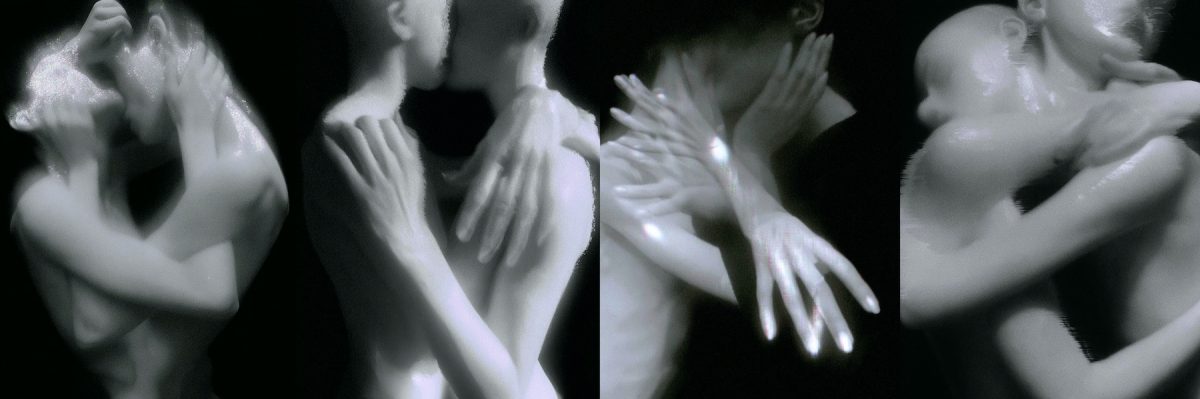
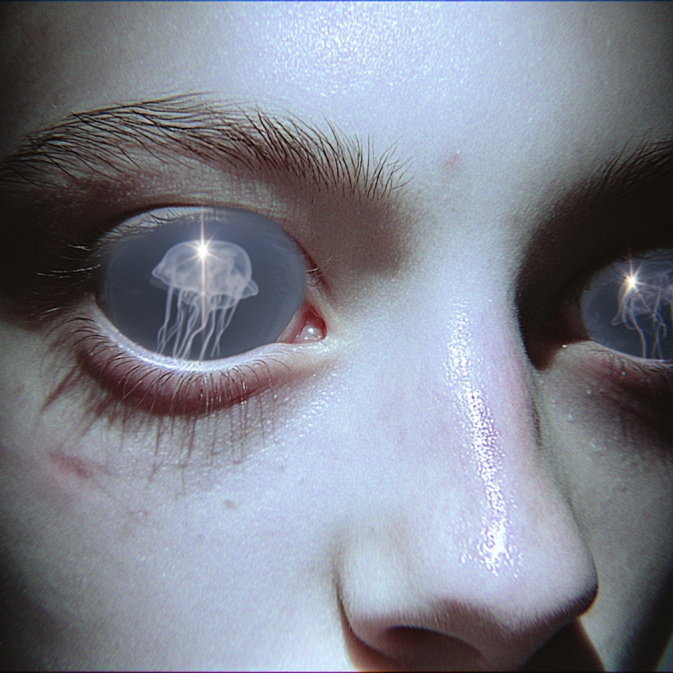
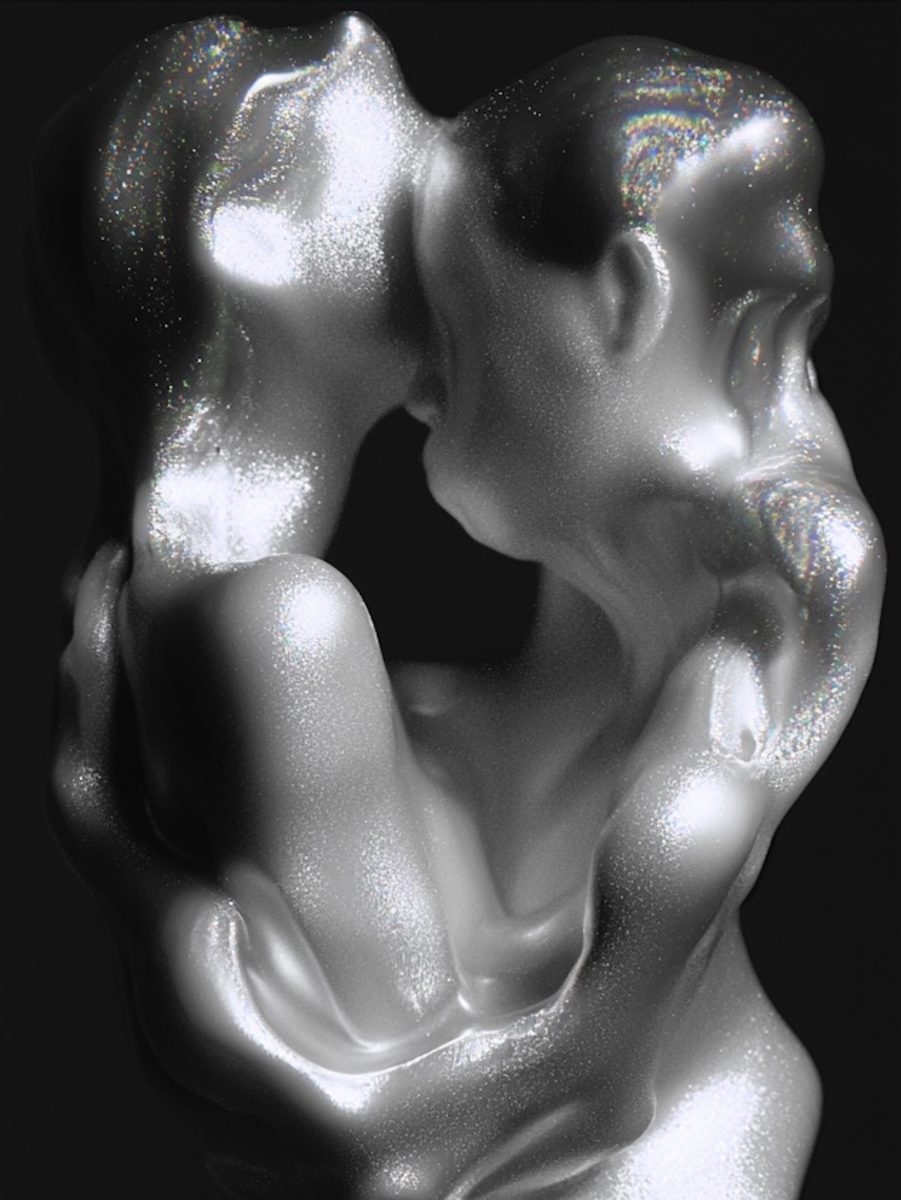
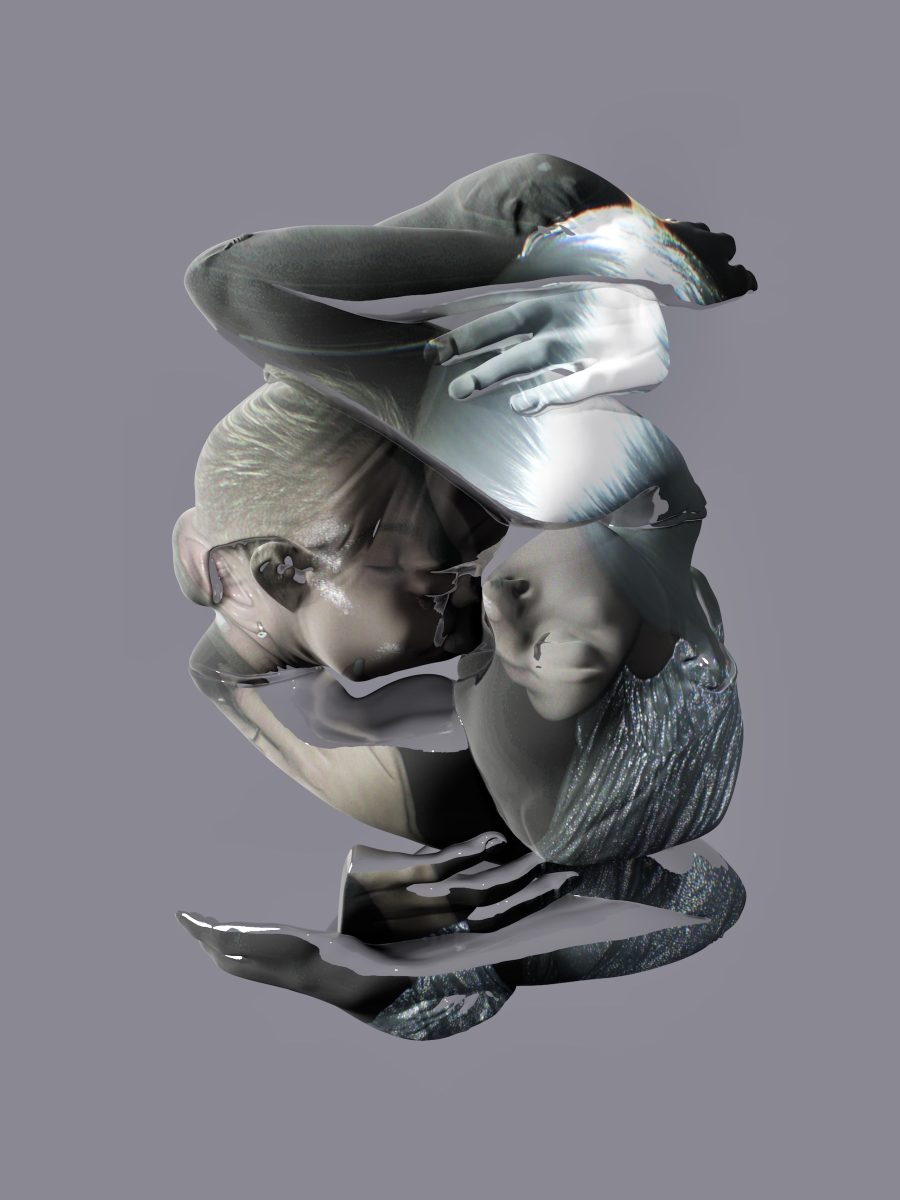
Recently, I have been researching algorithmic intimacy. I am interested in how AI represents closeness, love, and the body. Intimacy is usually very private and personal, but when it appears through AI, it often becomes standardized or repetitive. I look at the strange mistakes AI makes, such as distorted bodies, merged limbs, and unnatural physical closeness. Instead of seeing these mistakes only as technical failures, I treat them as a new kind of visual material.
What is your methodology or process for creating a new project?
My process usually starts with a question, an image, or a visual problem that I cannot fully explain at the beginning. I often start by collecting references, reading theory, writing short notes, and experimenting with AI image generation.
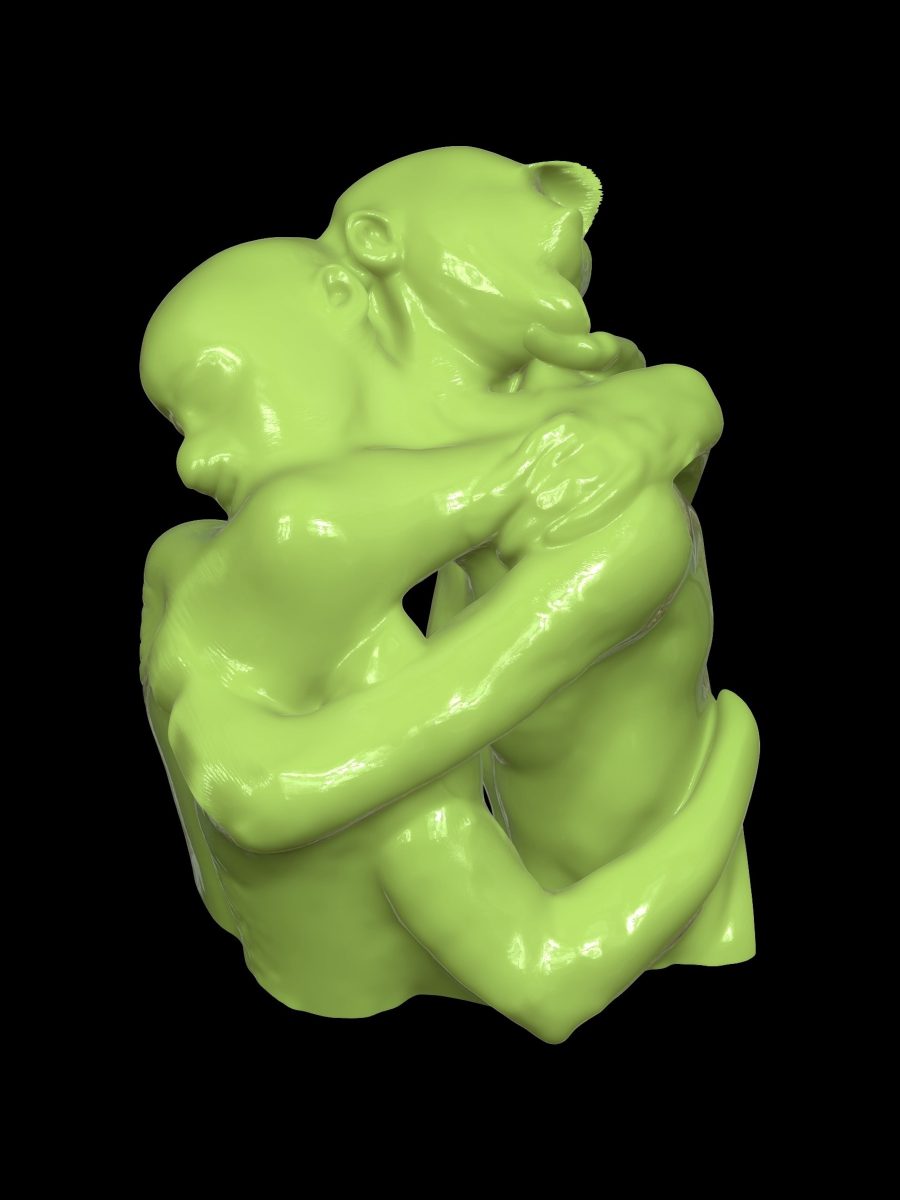
For me, prompting is not only a technical tool. It is also a way of thinking and working with the machine. I generate many images and pay close attention to the moments when an image becomes unstable, strange, or unsuccessful. These failures are very important in my process, because they often reveal something I could not have planned in advance. After generating images, I select, edit, and transform them through different media. Sometimes I develop them into moving images. Sometimes I bring them into 3D modelling, AR, projection, or physical forms, such as 3D-printed objects. I am interested in how an image changes when it moves from one medium to another.
So my method is iterative and experimental. It moves between prompting, generating, selecting, editing, writing, and material transformation. I am especially interested in the tension between control and unpredictability, between what I ask the machine to produce and what it accidentally reveals.
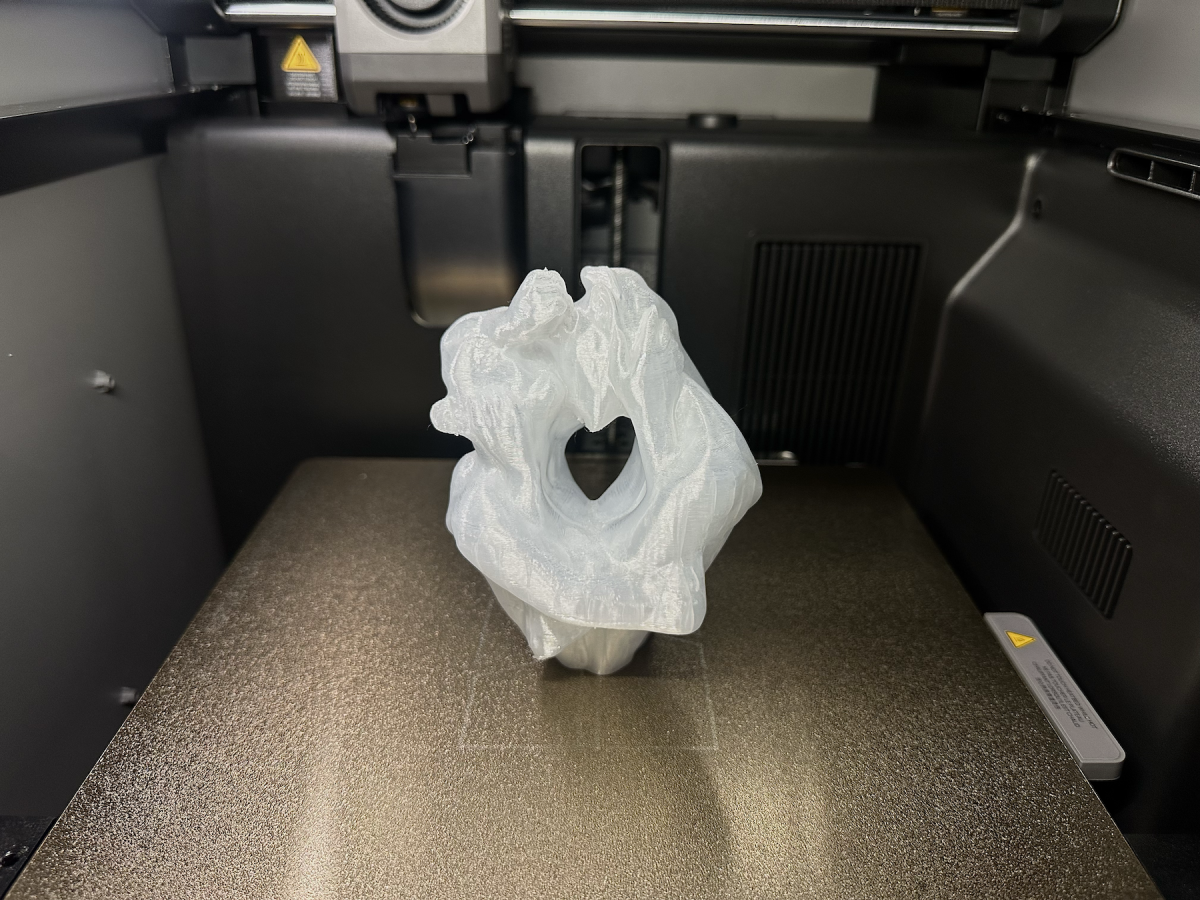
Tell us about the project you are working during your On-line residency at GlogauAIR.
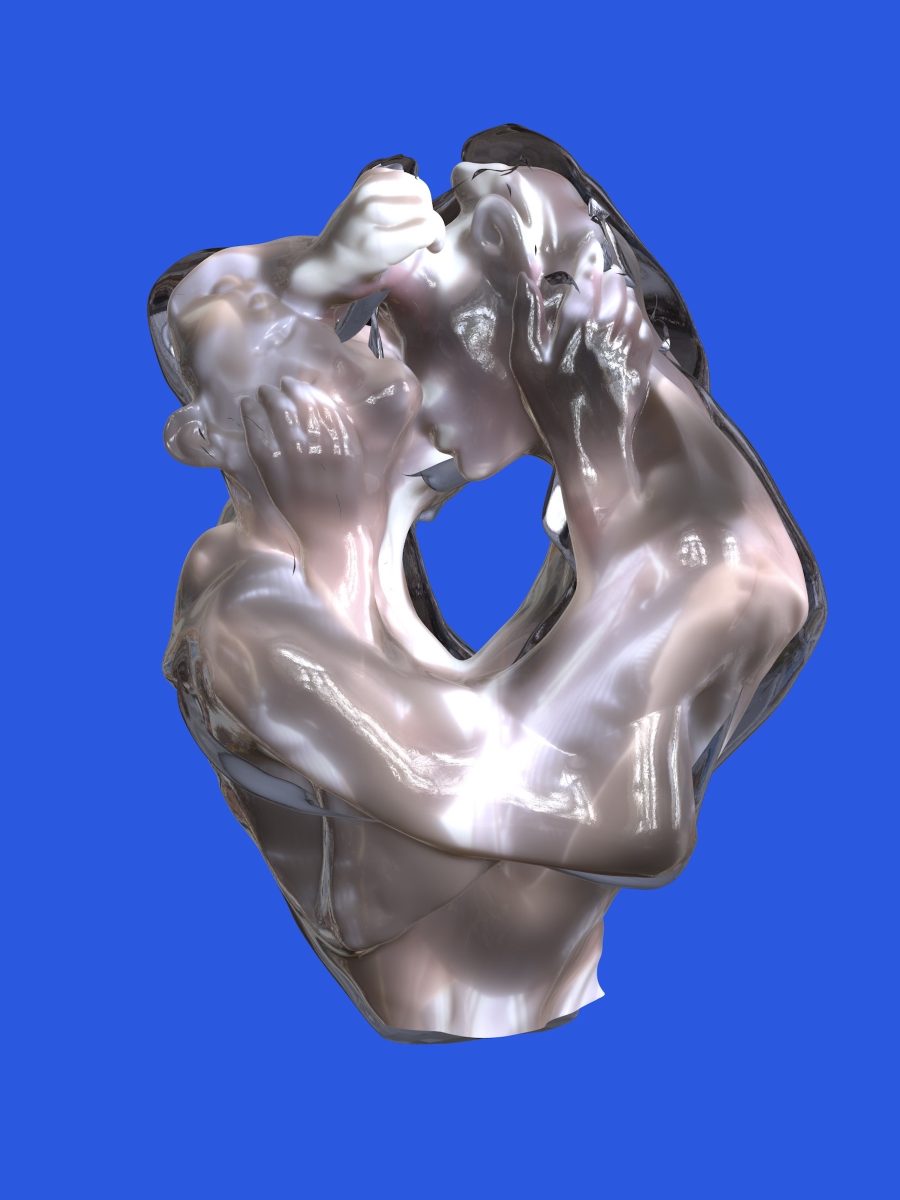
During my online residency at GlogauAIR, I am developing a project called: Fusion Protocols— Algorithmic Intimacy.
My starting point is the visual “errors” that AI often produces, such as distorted bodies, merged limbs, and unnatural physical closeness. I do not see these distortions simply as technical failures. Instead, I see them as a new visual material.
In these AI-generated scenes of intimacy, the boundary between two bodies often becomes blurred. This makes me question whether AI is simply imitating socially idealized images of love, closeness, and connection.
The project is supported by two theoretical directions. First, I draw on David Seamon’s concept of the “body-subject.” I understand the fused body as a new shared center of perception in digital space. Second, I refer to Lynn Jamieson’s idea of “boundary work” to think about how intimacy depends on boundaries, and what happens when AI removes or weakens them.
At the same time, I question whether AI is only repeating idealized images of intimacy. Intimacy is deeply personal, but AI-generated images often turn it into something recognizable, idealized, and standardized. When AI tries to create a perfect image of closeness but produces distortion instead, I think this failure becomes meaningful. It may reveal that ideal intimacy is not always soft or harmonious. It can also contain tension, blurred boundaries, and even a hidden form of violence.