Meet the Artist // Heami Lee
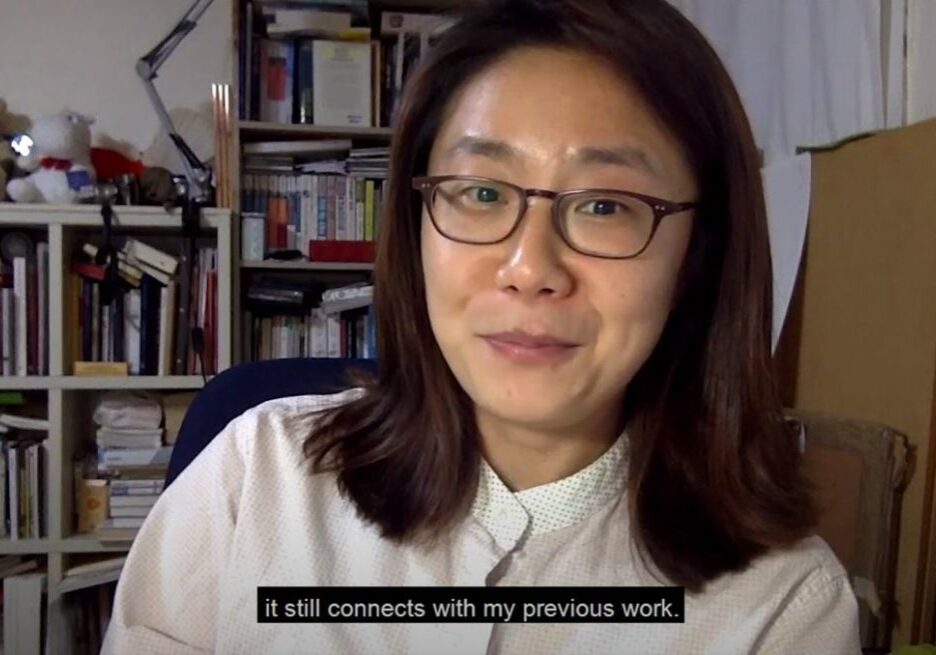
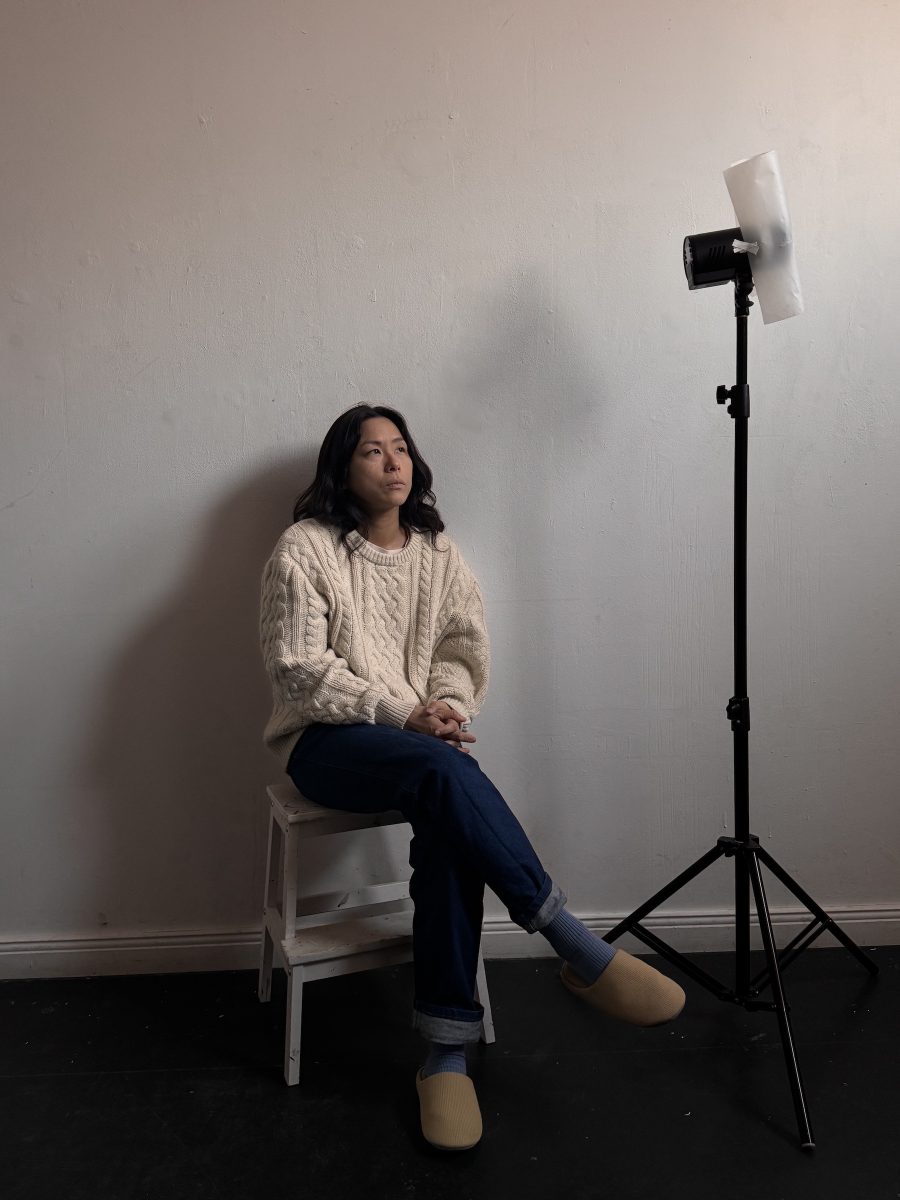
Heami is a traditionally trained still life photographer and director, working across commercial and personal projects. Her training taught her to shape light, refine detail, and focus on precision, while her personal work explores memory, connection, and the human experience. Heami combines structure with lived experience, creating images that reflect both clarity and vulnerability. Each photograph carries traces of her own life, while inviting viewers to engage with the subjects and moments she captures.
Can you tell me a bit about yourself and what you’re working on for your residency?
I’m a Korean American living in Brooklyn. I immigrated to Queens, NY when I was five from Seoul, South Korea. I love NY.
I’m a commercial photographer based in NYC, so I always have personal projects going. And this time it’s just an extension of that.
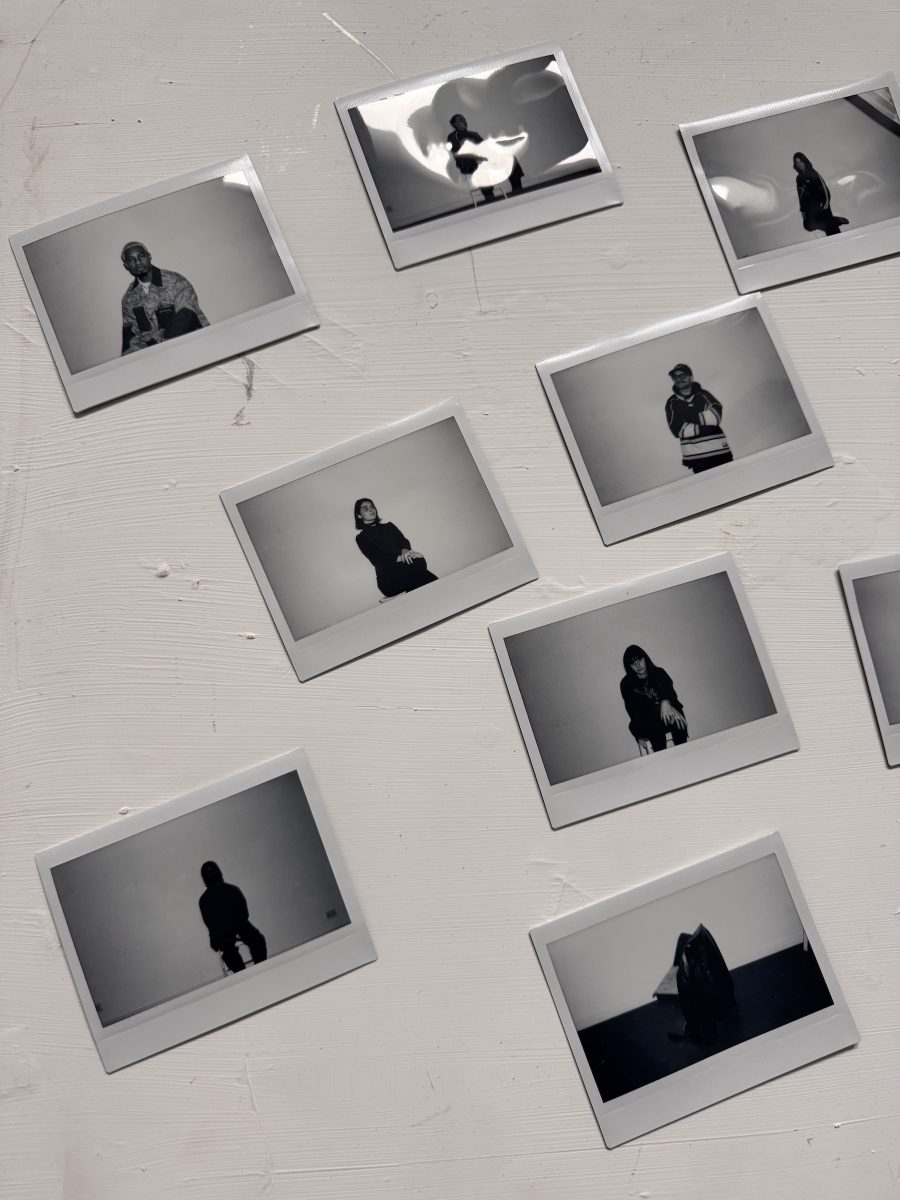
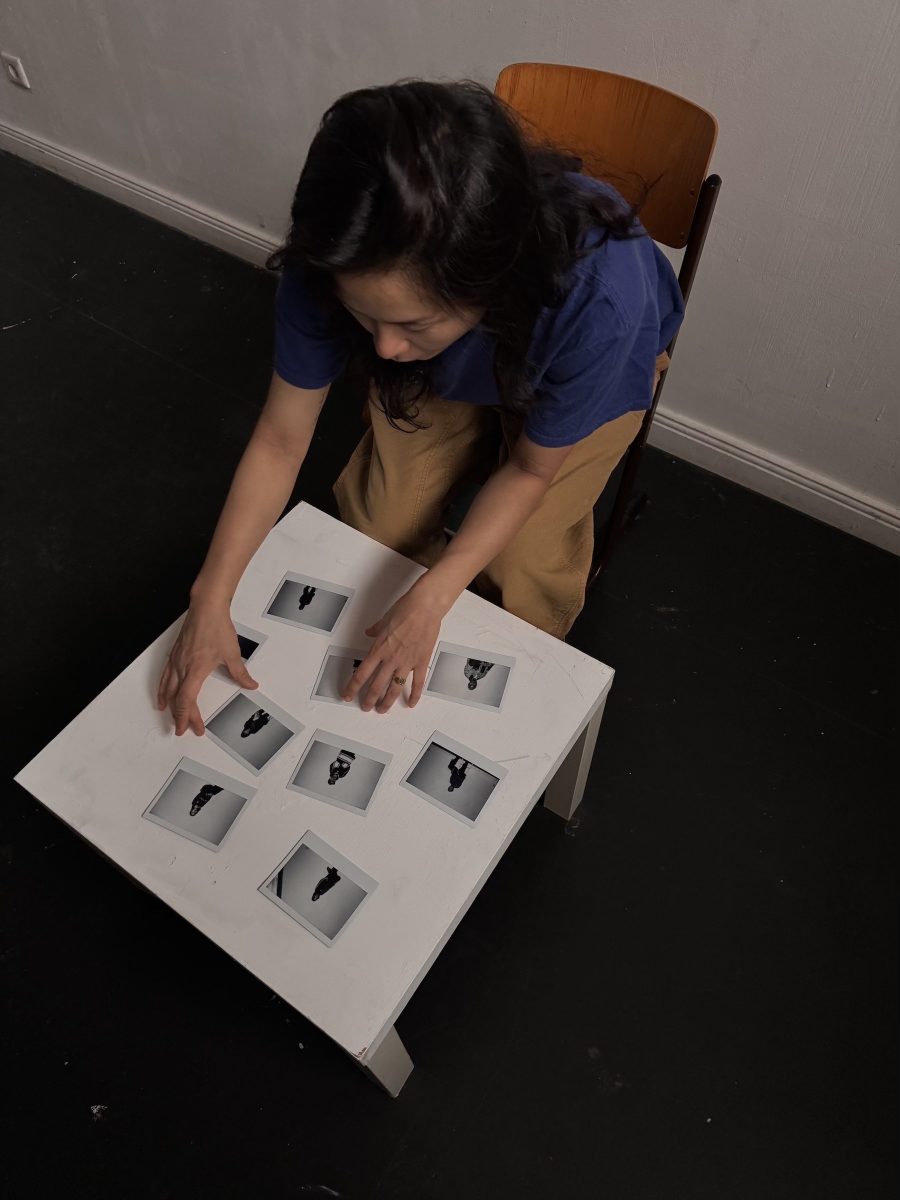
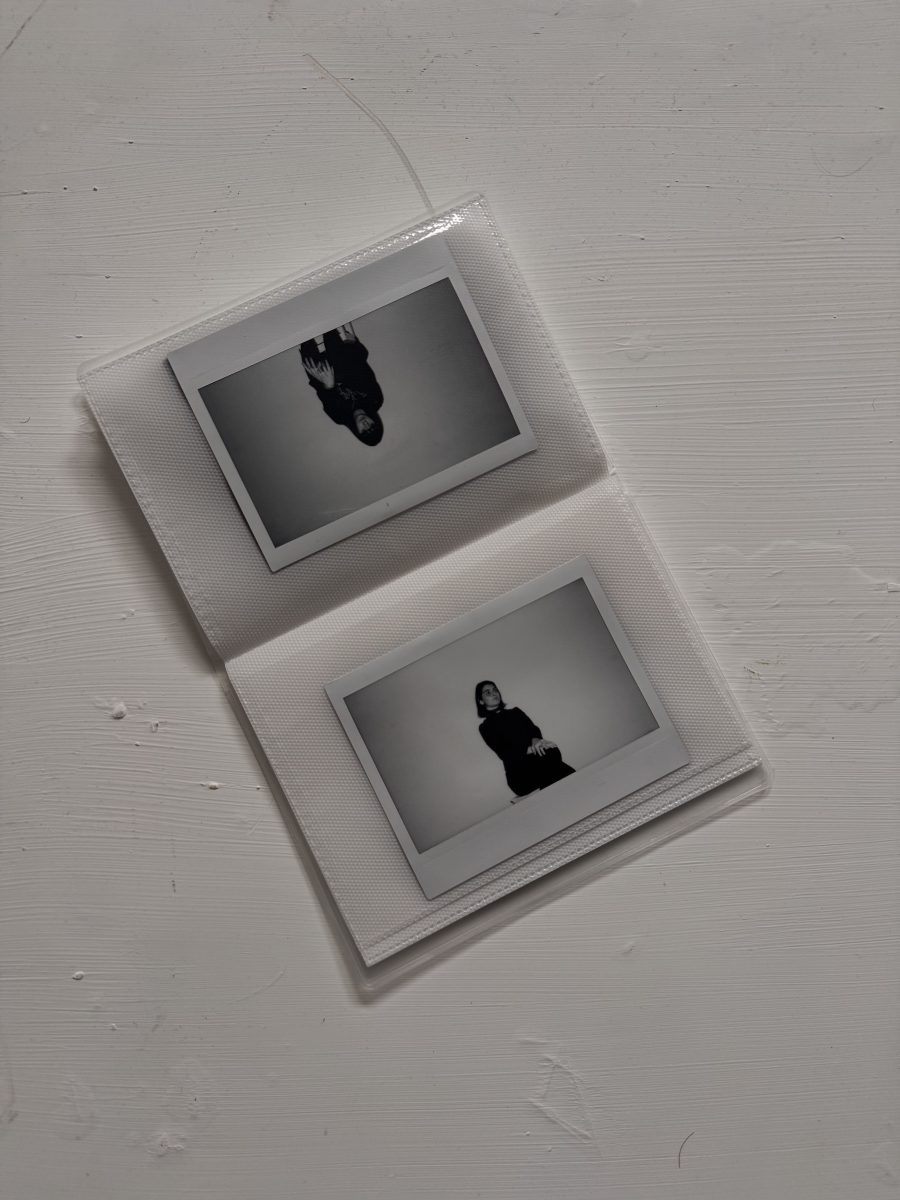
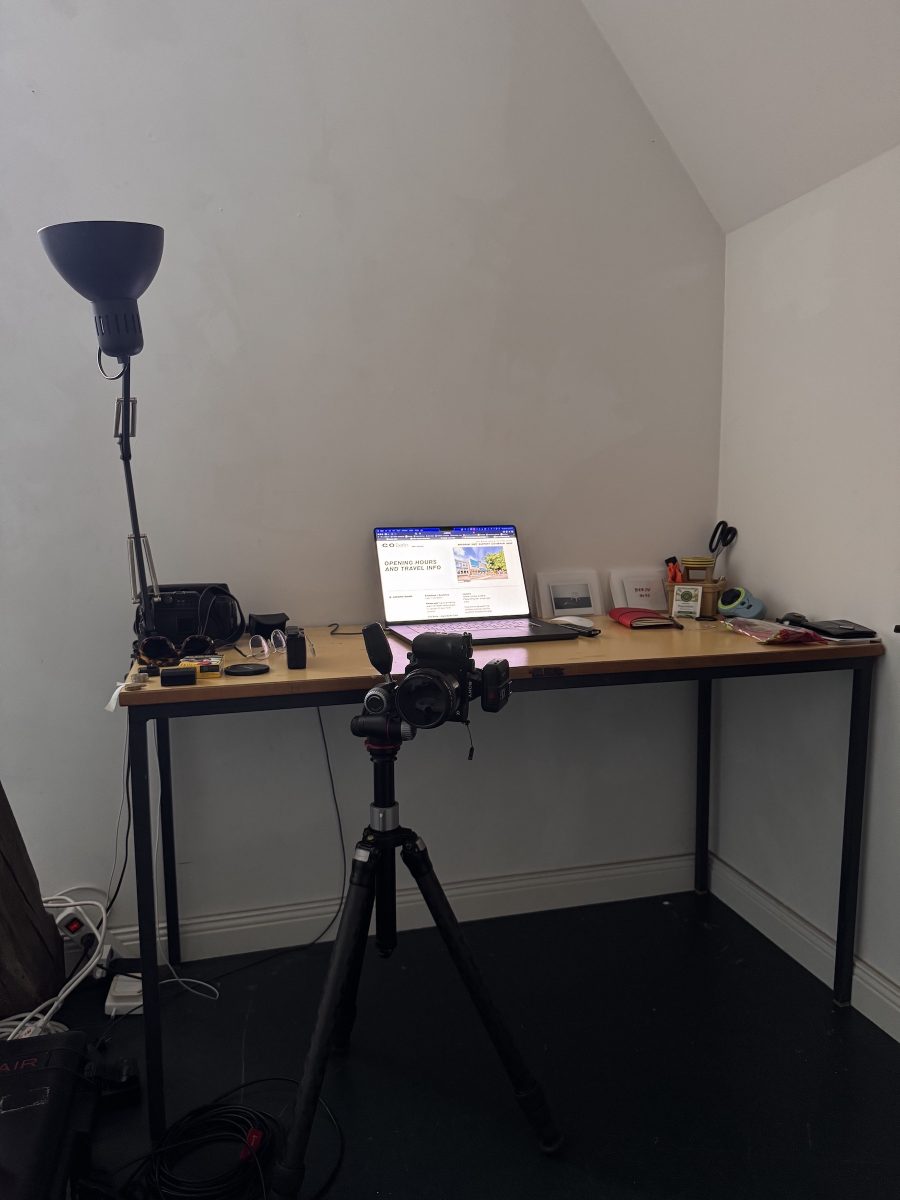
It’s a queer project based in Berlin. Basically I’m documenting my integration into Berlin as a city and a queer city. I’m also photographing people that I meet in the space that I’m living in, in my work living studio. I’ve decided that everything’s going to be black and white. I decided that before I got here.
Why did you want to do black-and-white versus color?
I think I go through phases. My commercial work has been a long haul of lots of color and saturation. I’ve always had this romantic idea of Berlin and coming here in the winter when I was younger. It seems nice bundling up in the streets and it’s always gray. I guess even before I got here I was committed to the idea of photography in black and white, even the documentary photos with my little camera.
Did you want to extend this product to different cities as well?
I have personal projects going all the time.
I have one project that I am working on in the US that’s called Where I Stand and it’s a portrait series of queer Asian-Americans. Everyone picks a space that they want to be represented in, whether it’s a personal tie or somewhere they want to justify.
It’s shot with a really shitty point-and-shoot film camera on purpose, so at the end of the work, when you just look at it, it feels like a family album because it’s something that we don’t get to see and visibility matters.
I did think about how as a queer woman, especially being not in my 20s and exploring my life in a different way at my age, I could possibly extend this project to different cities and different residences.
What usually comes first when you’re creating: an idea, a feeling, or the image itself?
So my personal work always reflects my life. A lot of it is simply a reflection of my life that I want to spotlight. With my professional career it’s a bit more romantic because my partner is also heavily involved.
We’re very integrated. Sometimes I see it [an image] in my head and we have to photograph it together. Or I photograph it alone.
Sometimes I see it in my dreams and I have to wake up and do it. I rush to my studio and photograph it. There’s different ways to work around the same platform, you know? It’s the same medium, but different emotional sense too.
Visually and emotionally, it’s all different, all over the place of my personality. But it’s always the same thing or photo.
How does being queer influence your work? Does being queer influence your way of thinking about intimacy, visibility, or representation in your work?
Not only am I queer, I’m also Asian. Not only am I a queer Asian, I’m also a woman. I grew up in a world that looks very different from when I was little in terms of representation, cultural acceptance, and respect.
I hope that when I’m old that the world looks even more different than when I was little or when I’m at this age. And me producing work that reflects my life helps with that. Maybe not in the grander scheme of things, but everything is interconnected.
I had never seen a queer Asian project when I was little. Representation matters because when you’re a kid, or even when you’re old, seeing yourself reflected empowers you in a way because silence is hard to deal with.
You said before for one of your previous projects, you would ask someone to pick a space that represents them. Is that what you also hope to do here? When you’re going out and meeting people in Berlin?
A lot of photography doesn’t end with that one snapshot. With photography, there’s a lot of lead-in. This goes for commercial work, too.
I think sometimes people feel like a photo is just a photo. But just like a painter, you spend time with that light. You spend time with that person.
And there’s different approaches obviously. For me, where I stand taking the photo is the shortest amount of time. Actually talking to them is a bigger part of the project.
I have another project called Strangers in My Room. Part of that project is the strangers that you never see in that project itself. There’s always this lingering conversation that’s happening besides the photo.
There’s the leading up to the photo and after the photo. Long story short, yeah, I’m asking them a lot of questions, because it’s also me learning about Berlin.
It’s about me learning about queer Berlin. It’s also me respecting the time that they’re giving me.
Interview Reese Saddler (@reeseesaddler)
Photos Ksenia Proskuryakova (@ksenyapro)