Meet the Artist // Engin Doğan
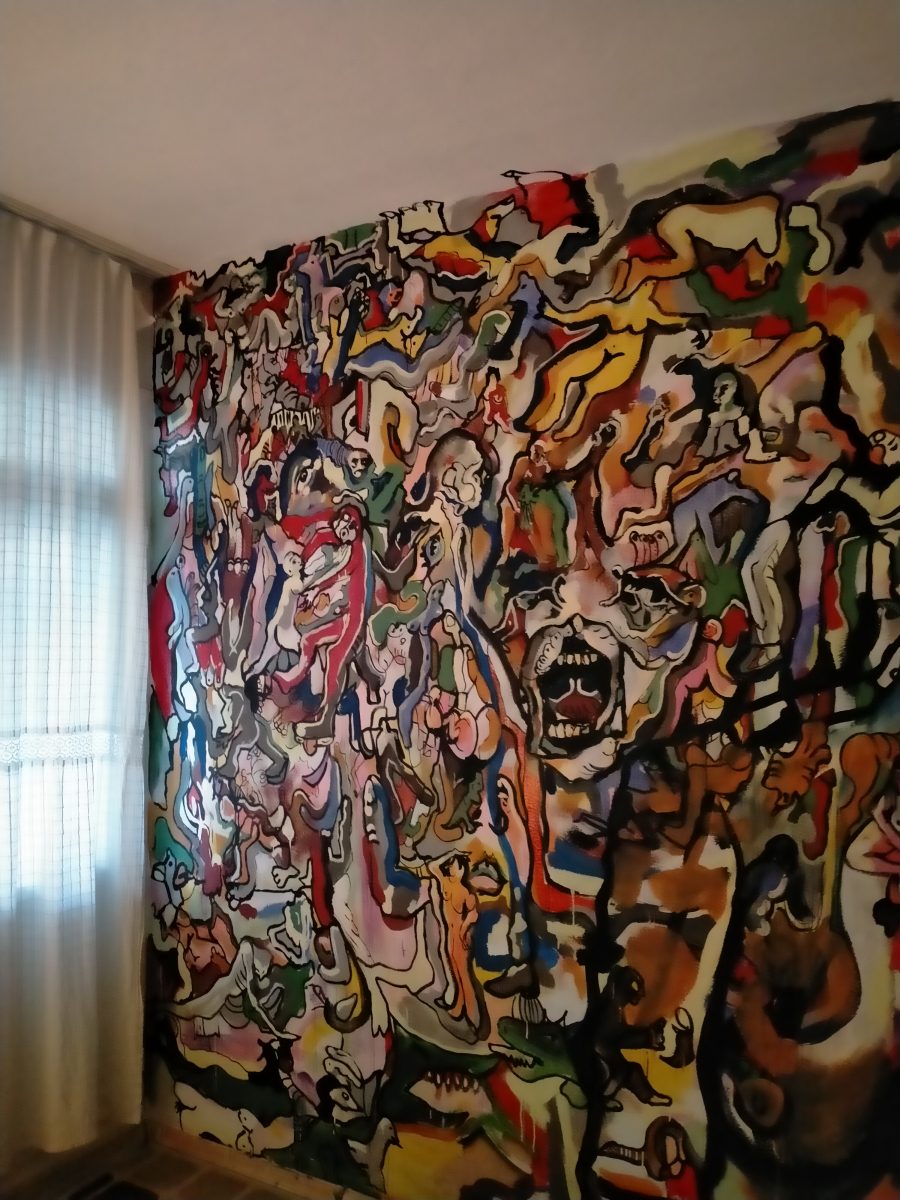
The work of Engin Doğan is about people, memory and the events that shape our lives. The artist often looks at images from art history and brings them together with stories and situations from the present. He is interested in the gap between what we remember and what actually happened, and in what could not be changed or was not changed. Painting is his main language, but he also works with video, ceramics, objects and installation, viewing his practice as a way of looking at both personal and social memory.
Can you tell us about yourself?
I was born in Izmir in 1982. Both of my parents are artists. My father is Kurdish and my mother comes from a Greek immigrant family. Growing up between these different backgrounds shaped the way I see the world and helped me develop empathy for different experiences. I studied painting at Mimar Sinan University Faculty of Fine Arts. I also spent three months studying at the Academy of Fine Arts in Sarajevo, and later received a diploma from Dokuz Eylul University. I have worked as a painter and art teacher for many years. I also worked in cinema and theatre, especially on sets and theatre posters. My artistic practice is influenced by social and political issues, personal experience, and the questions we face in everyday life.
How would you describe your artistic practice?
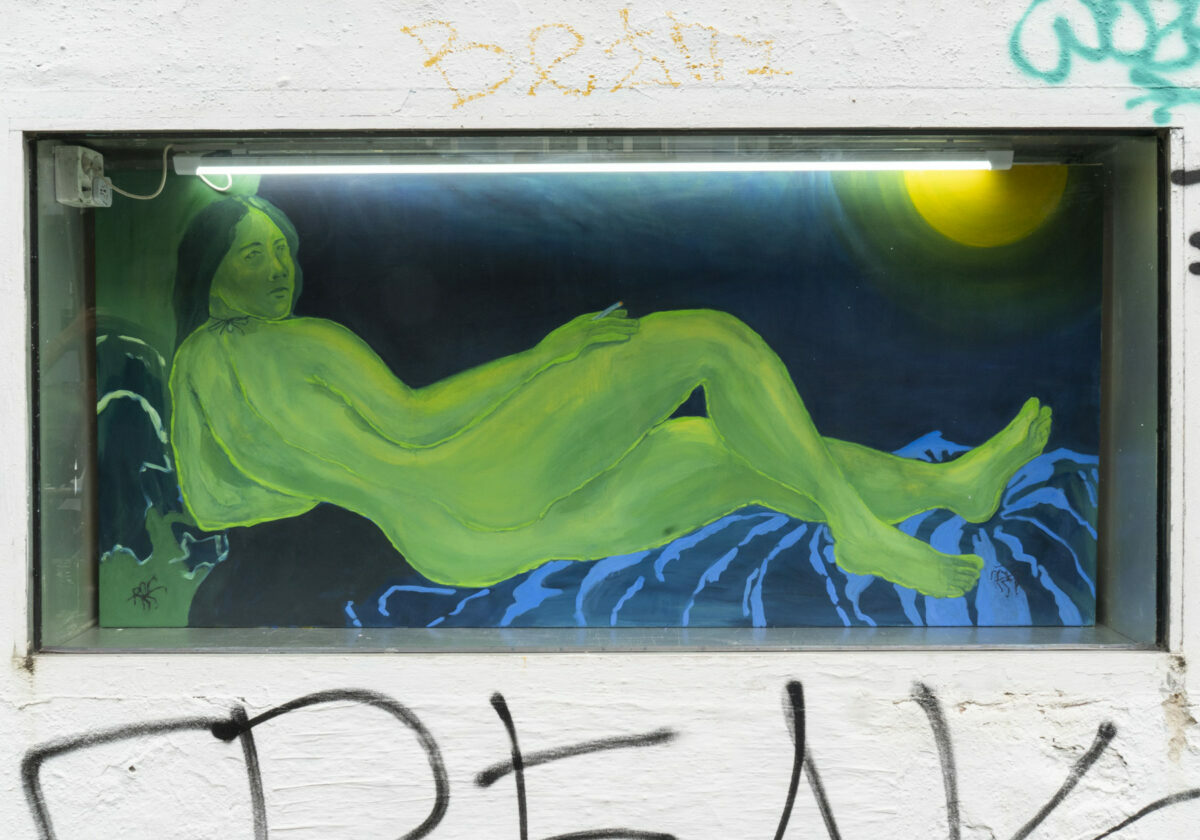
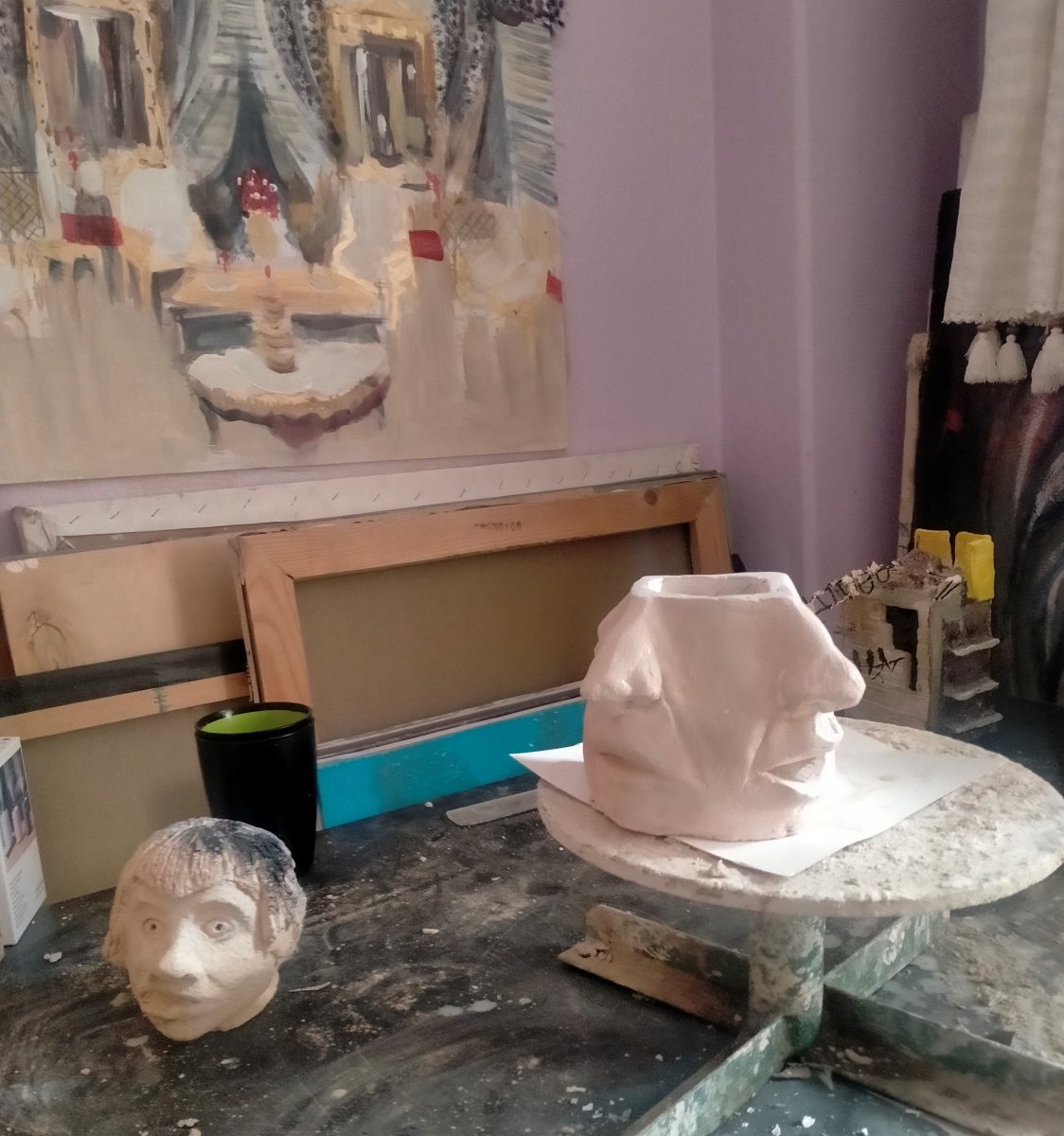
My work often deals with political and social issues, memory, injustice, and the relationship between the individual and society. I am interested in how events affect people and how art can preserve those experiences. I mainly work with painting, using acrylic and oil paint. I choose my materials according to the subject and the feeling I want to express. Recently, I have also been working with sculptural reliefs and ceramics. My experience with cinema and theatre sets has influenced how I think about images and space. Philosophy has also been important to me since high school. I try to connect personal feelings with broader social and historical questions.
What is your methodology or process for creating a new project?
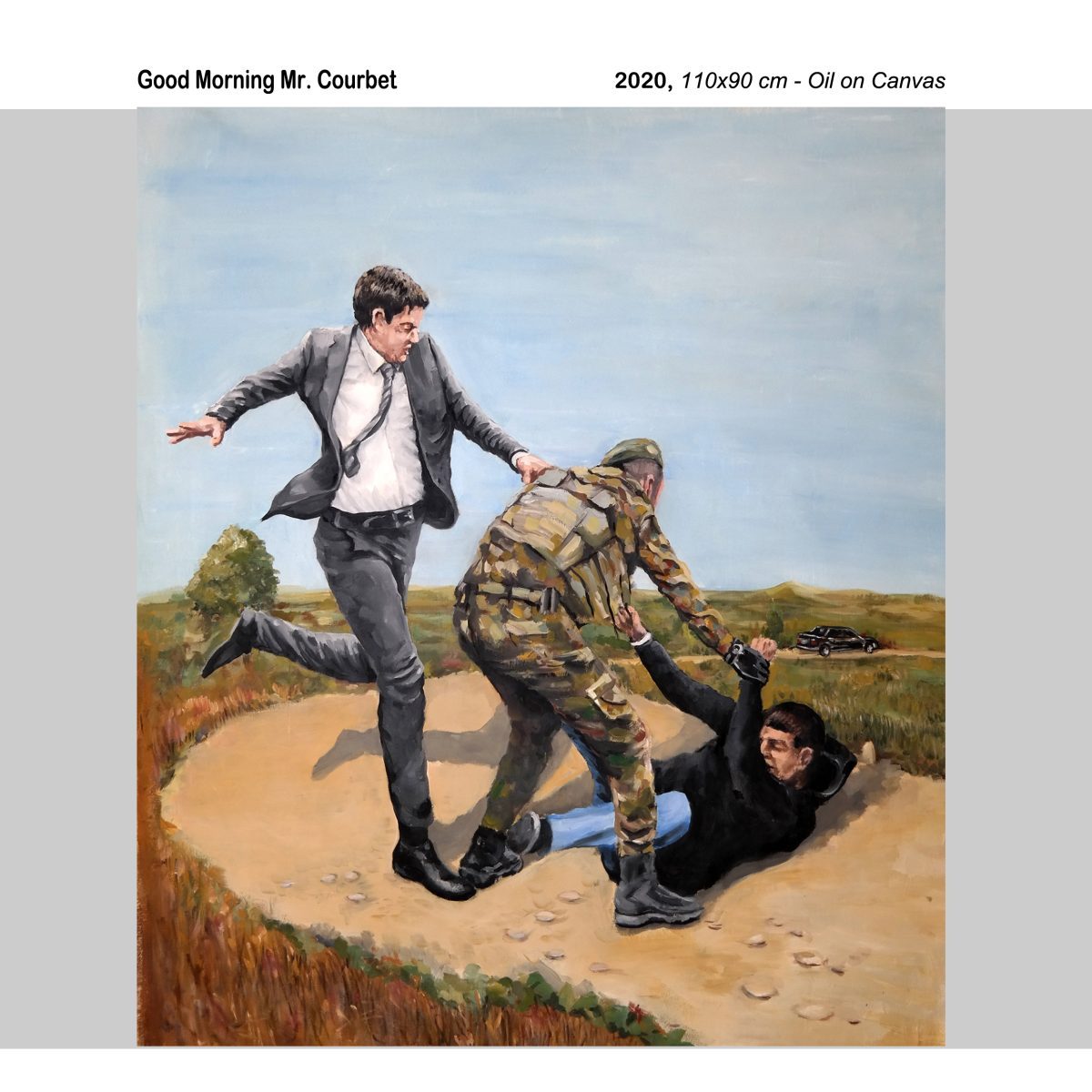
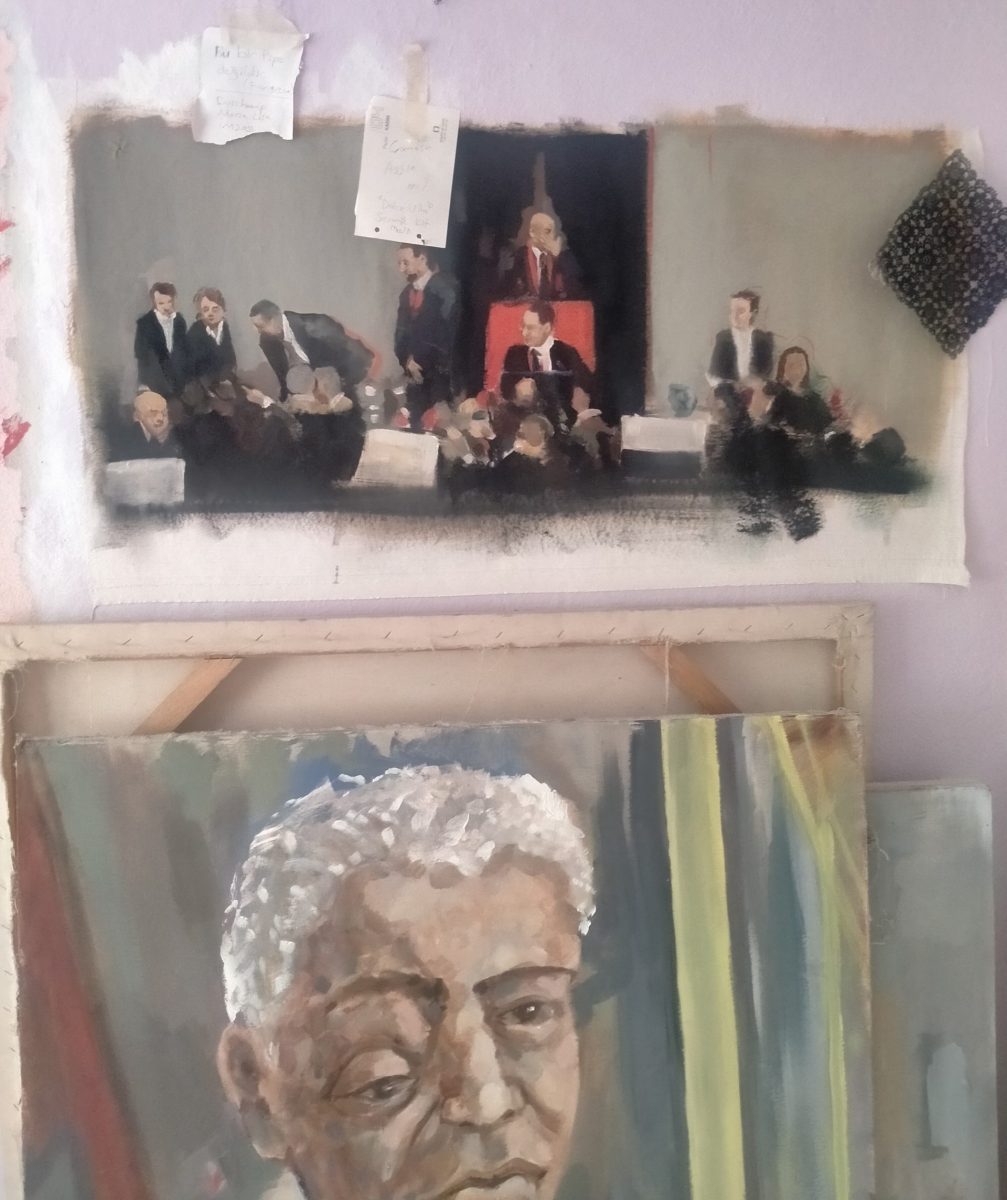
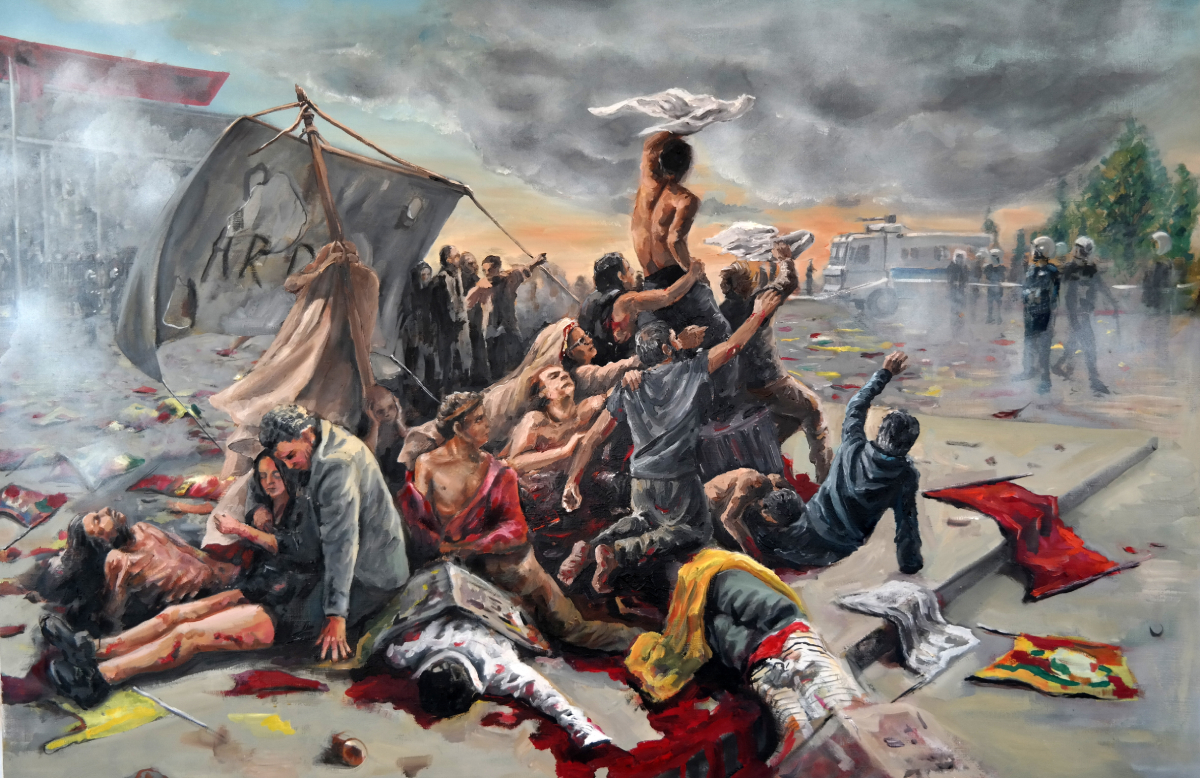
I usually begin a new project with an event that has deeply affected me. I think about how I can express the feeling that event left in me–sometimes anger, sometimes sadness–through a plastic language. Even if the event gradually loses its currency, it is important for me to preserve the feeling and memory of that moment, and not to forget what I experienced and witnessed. The painting I made about The Raft of the Medusa is an example (below). In the project I developed for GlogauAIR, I try to establish relationships between current events and events that have left a mark on art history, creating a connection between the past and the present.
Tell us about the project you are working on during your online residency at GlogauAIR.
My project is called “Could Not Change”. It is about how certain forms of injustice, violence, and struggle continue across history, even when societies seem to change. I work with iconic compositions from art history, such as Liberty Leading the People and The Raft of the Medusa, and connect them with events from the present. These images are widely known, and their historical meanings are important to my work. By bringing historical compositions and contemporary events together, I want to create a dialogue between past and present. The Ankara Train Station attack is one of the events I have explored through painting. I am interested in how images can keep memory alive and question whether we have truly made moral progress.