Meet the Artist // Adela Angulo Portugal
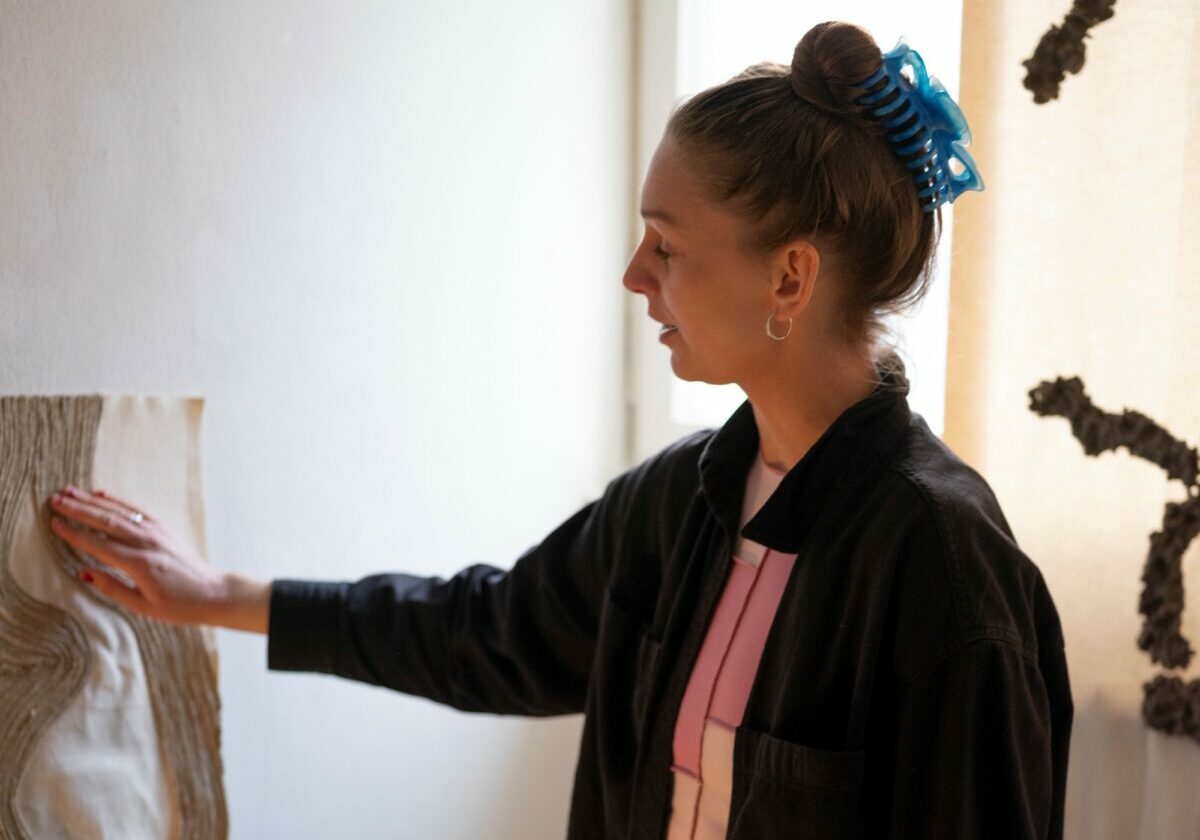
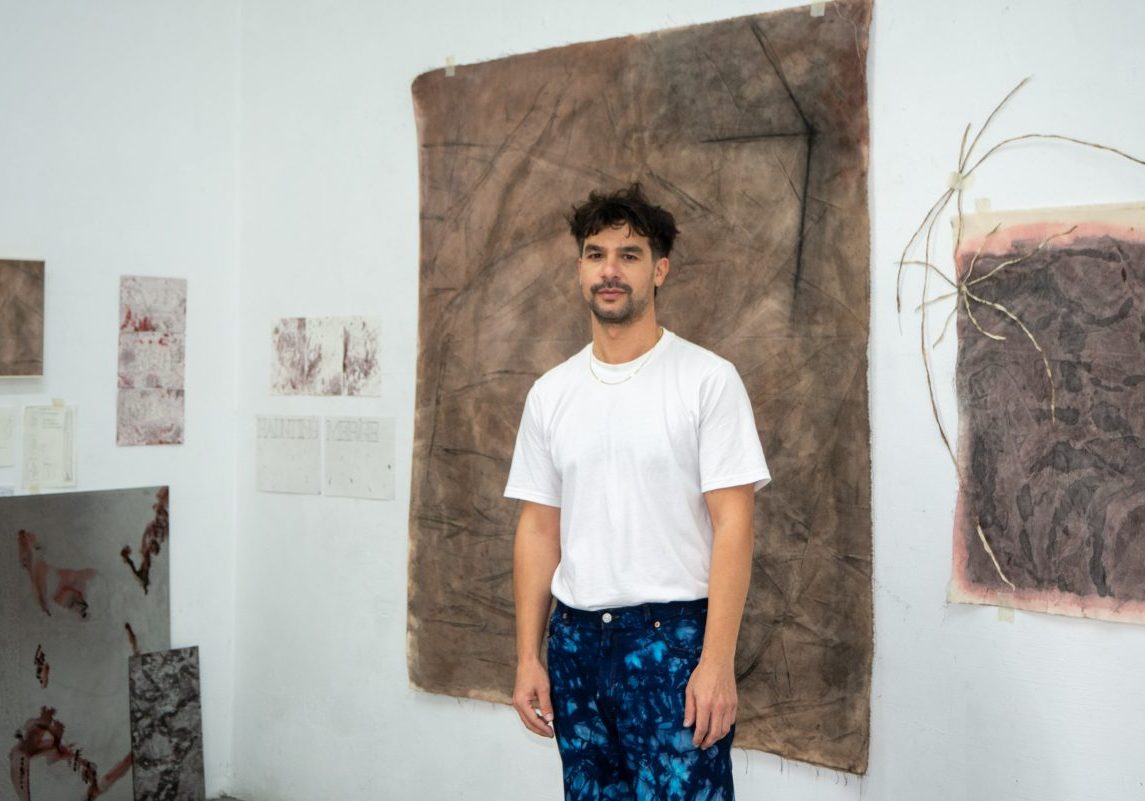
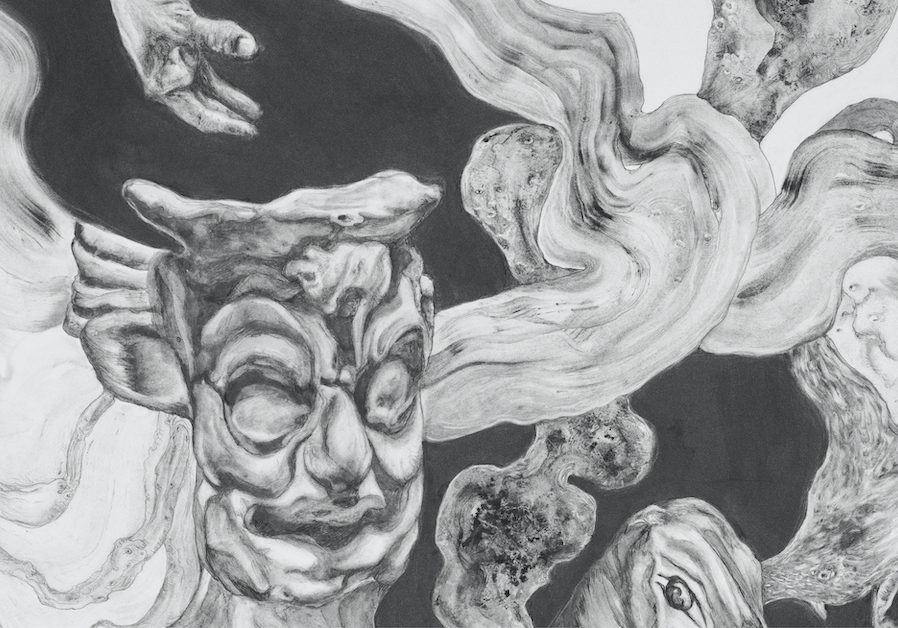
Adela Angulo Portugal is a Spanish visual artist who explores the boundaries of painting and the language that emerges around it. She seeks new perspectives on the familiar in order to question the conception of painting, its structures, and its historical weight from a critical and poetic standpoint. Her work addresses themes of human existence that evoke the emotional, the intimate, and the sensitive.
Can you tell me a bit about yourself and what you’re working on for your residency?
I’m Adela from Spain, and I’m a painter and a visual artist.
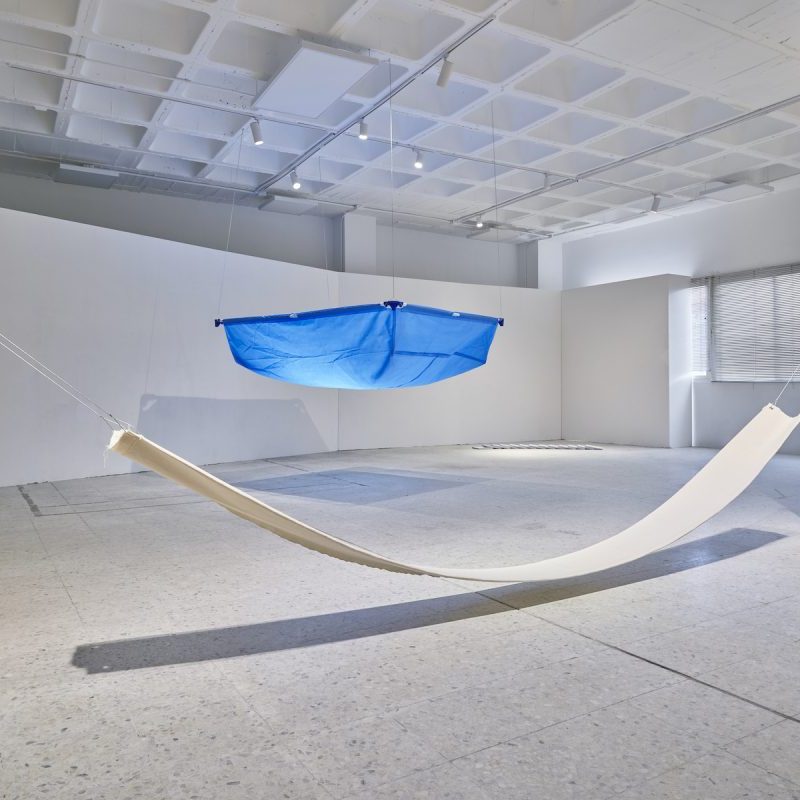
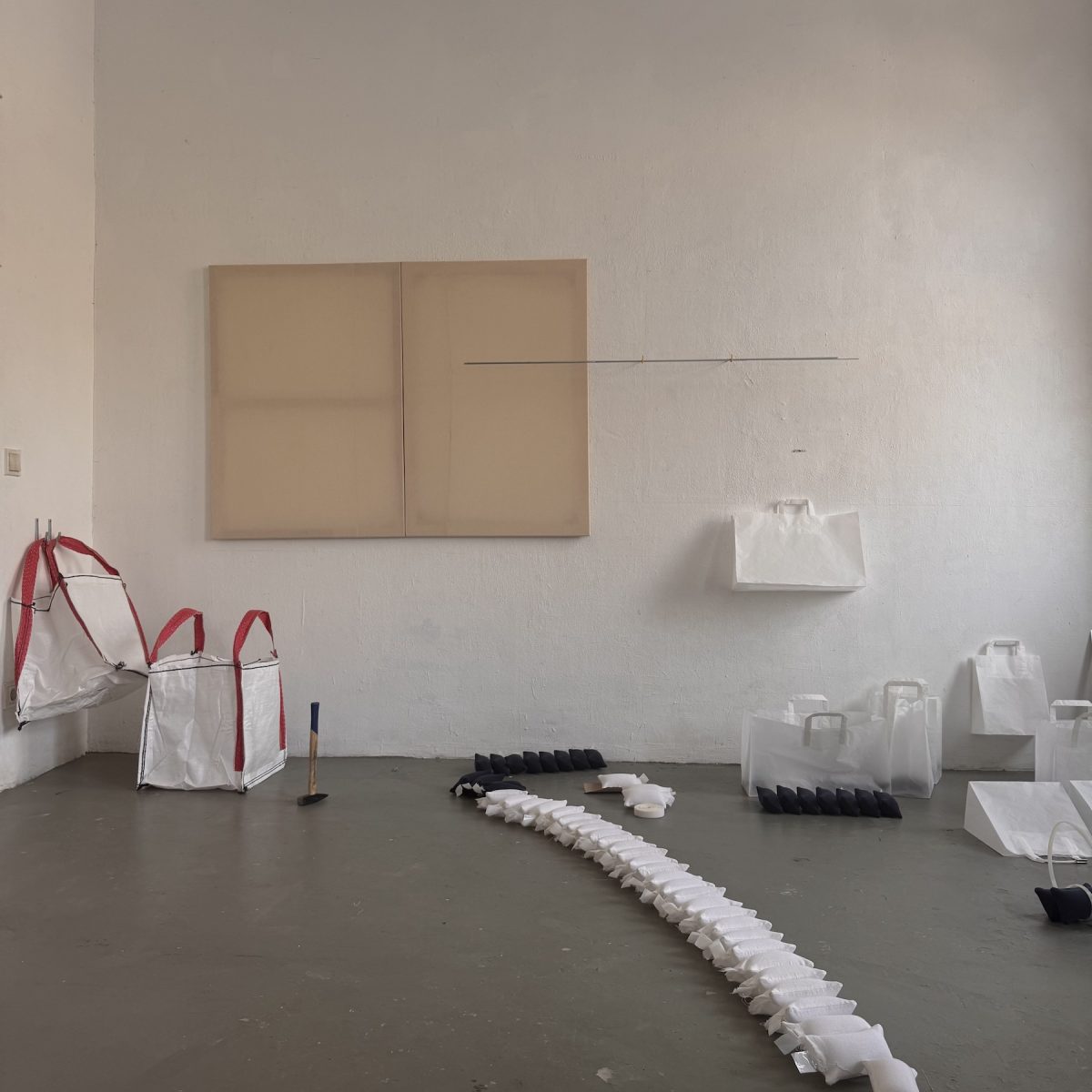
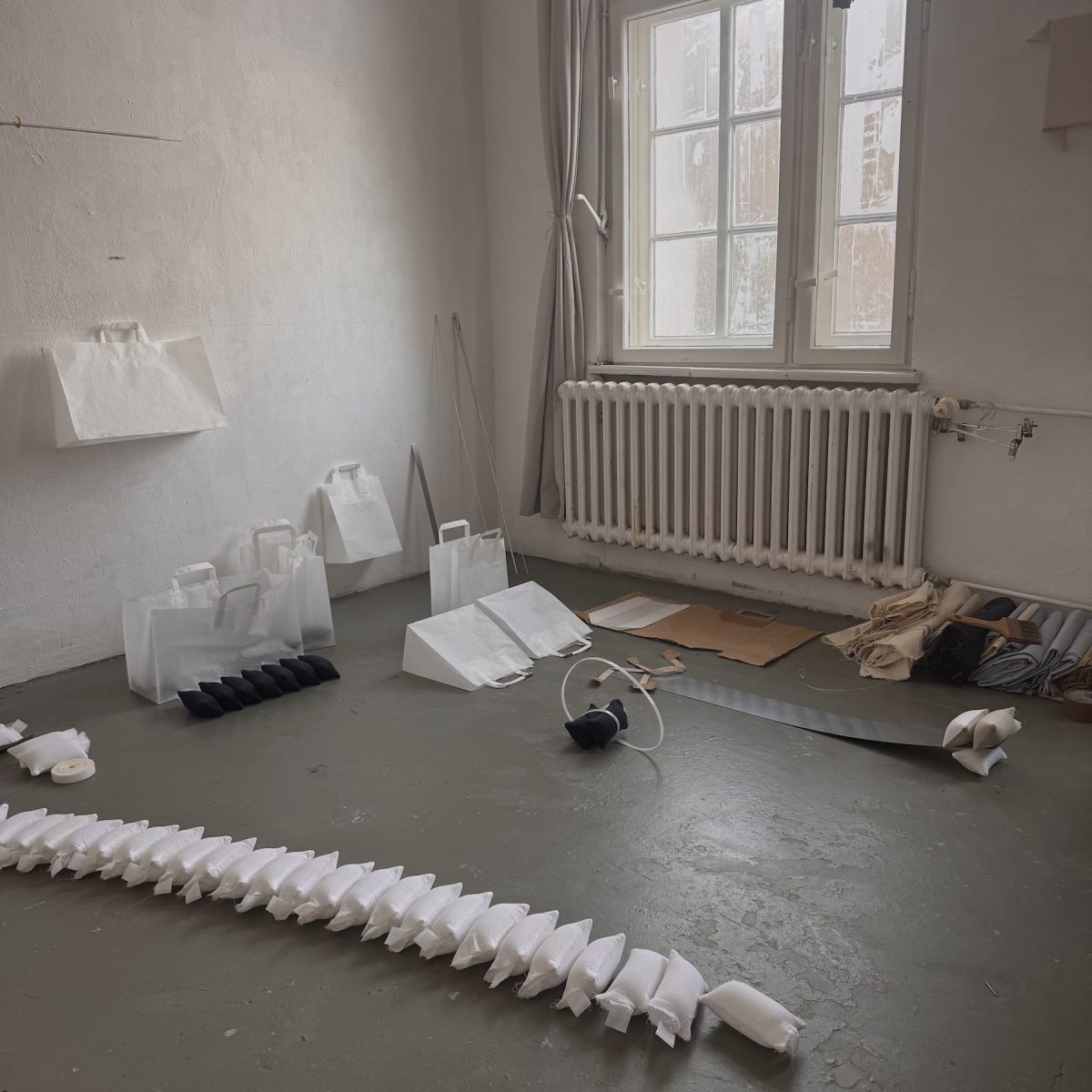
During the residency, I started developing a project, which was related to horizontal painting, similar to a body arc, lying, resting, or sleeping. It questions traditional ways of exhibiting paintings, where they’re always on the wall.
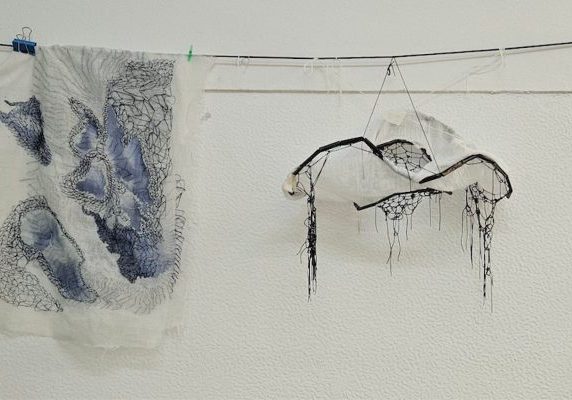
My project took another direction. because I started working with other materials. I needed to move away from certain structures. Working with painting is typically the same materials: the canvas has to be super straight and super thin, and everything has to be super perfect.
But it doesn’t have to be like that. My work questions the idea of straightness or verticality.
What do you mean when you say your paintings are like “bodies”?
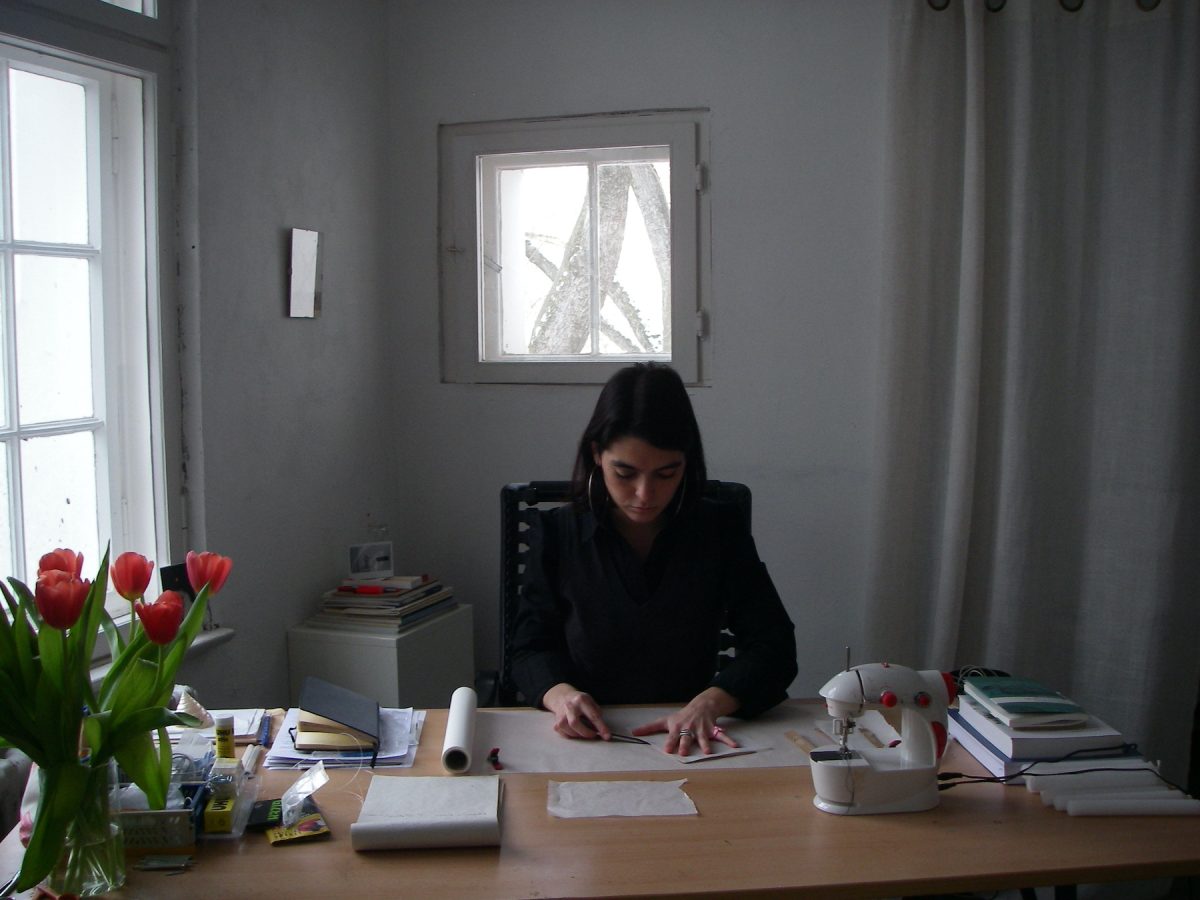
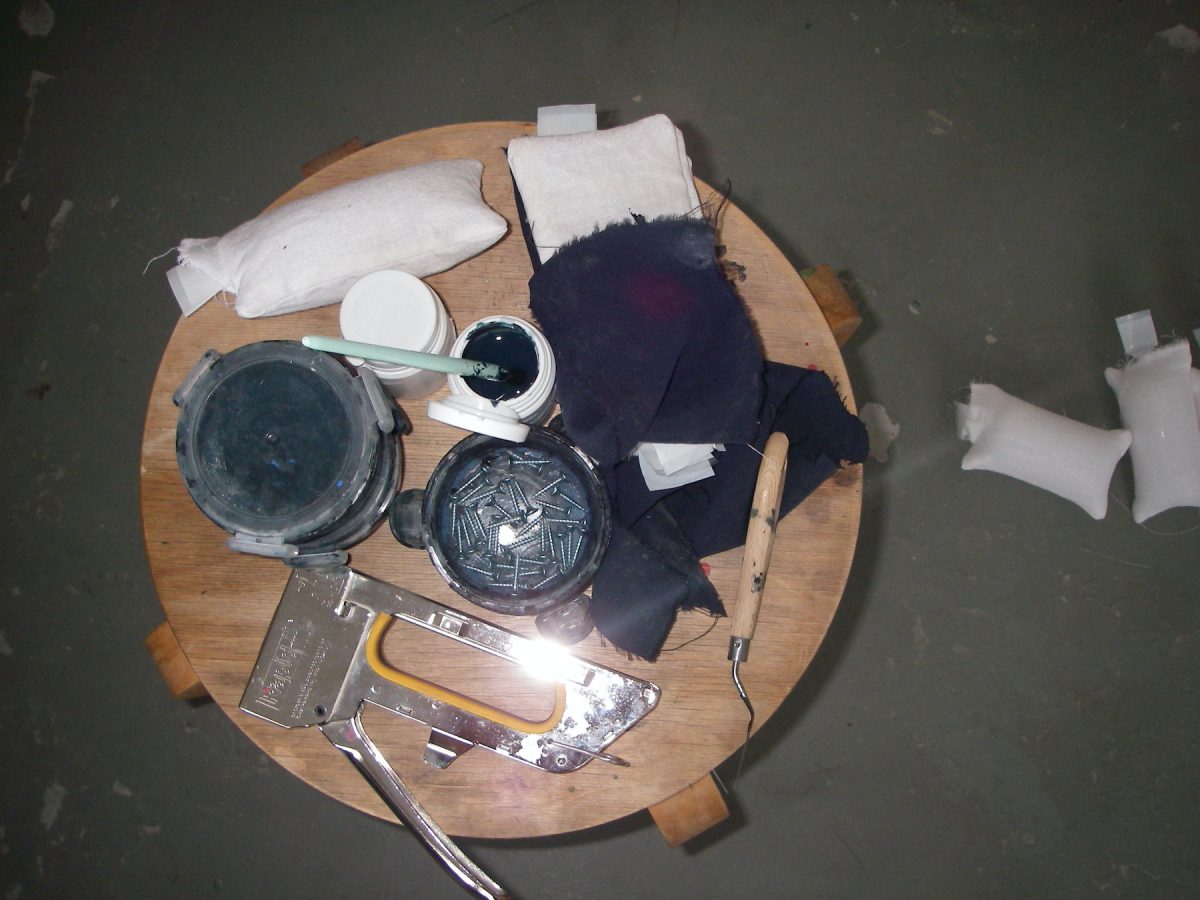
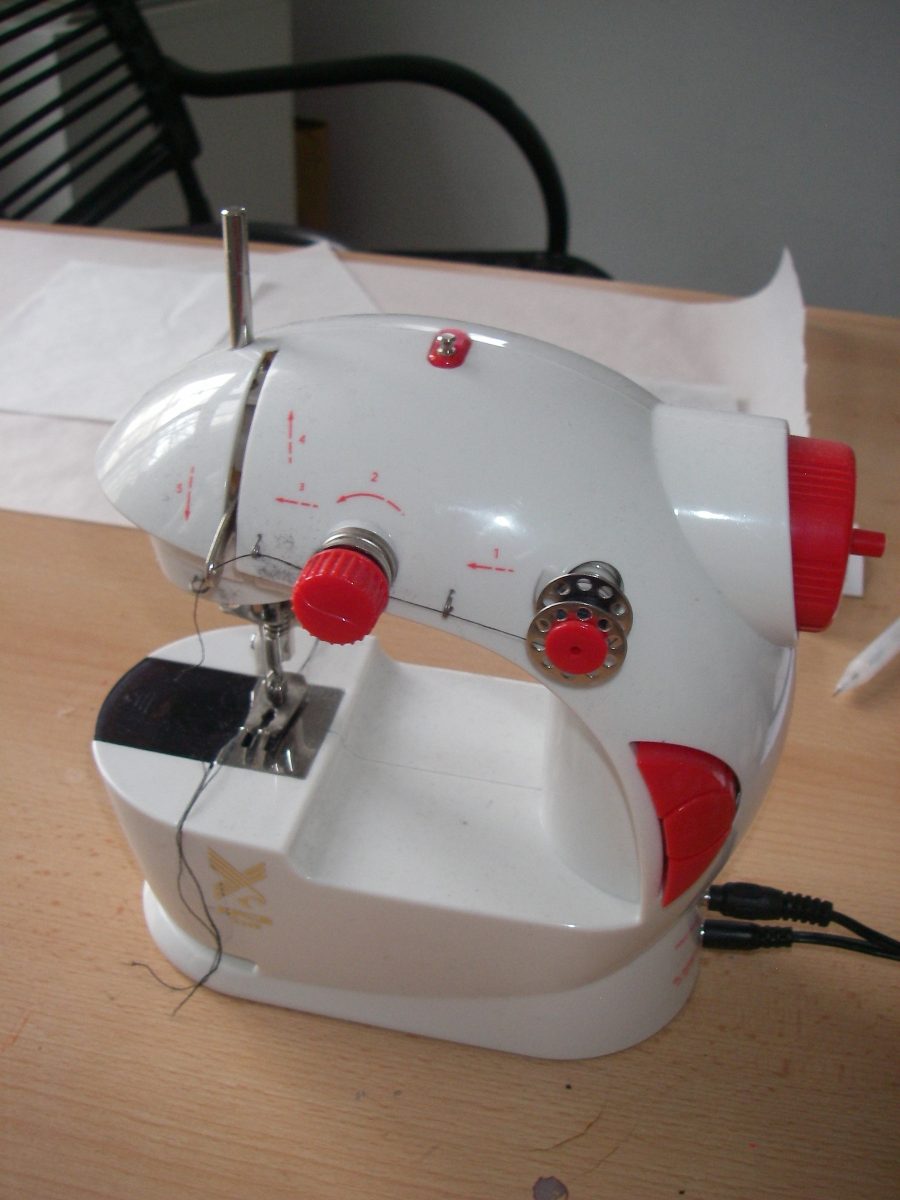
When I’m working with materials in the studio, it’s almost like having a relationship with the materials. I try to have a kind of dialogue to understand how they work: sometimes they need some time, or something’s not working, and it’s nice to let them take a breath. The thing is, when I am working with any kind of material, it doesn’t have to be a painting material, it feels necessary to take care of them.
It’s almost like these objects have some kind of feeling, so I’m not just working with things. I have a responsibility to them. I feel that they’re maybe not alive, but they have like something… They’re almost like plants. The plants are there, and you take care of them. That’s the kind of relationship we have.
What usually comes first in your work: a concept, a physical gesture, or a material decision?
The thing is that everything comes from working in the studio.
There I might find some things or some aspects of objects that I want to take care of. For example, when I see objects lying on the floor, I think about the way they are layered or what the connection is between them.
What do you hope people feel when they see this project?
I want them to take time to see my work. My work is visually simple, but it has a lot of details and a lot of tiny things that you need to stop and see, fully taking your time. I don’t know if they are going to feel the same way as I feel when I’m making the work, but it’s a good opportunity to stop and reflect.
Interview Reese Saddler (@reeseesaddler)
Photos Ksenia Proskuryakova (@ksenyapro)