
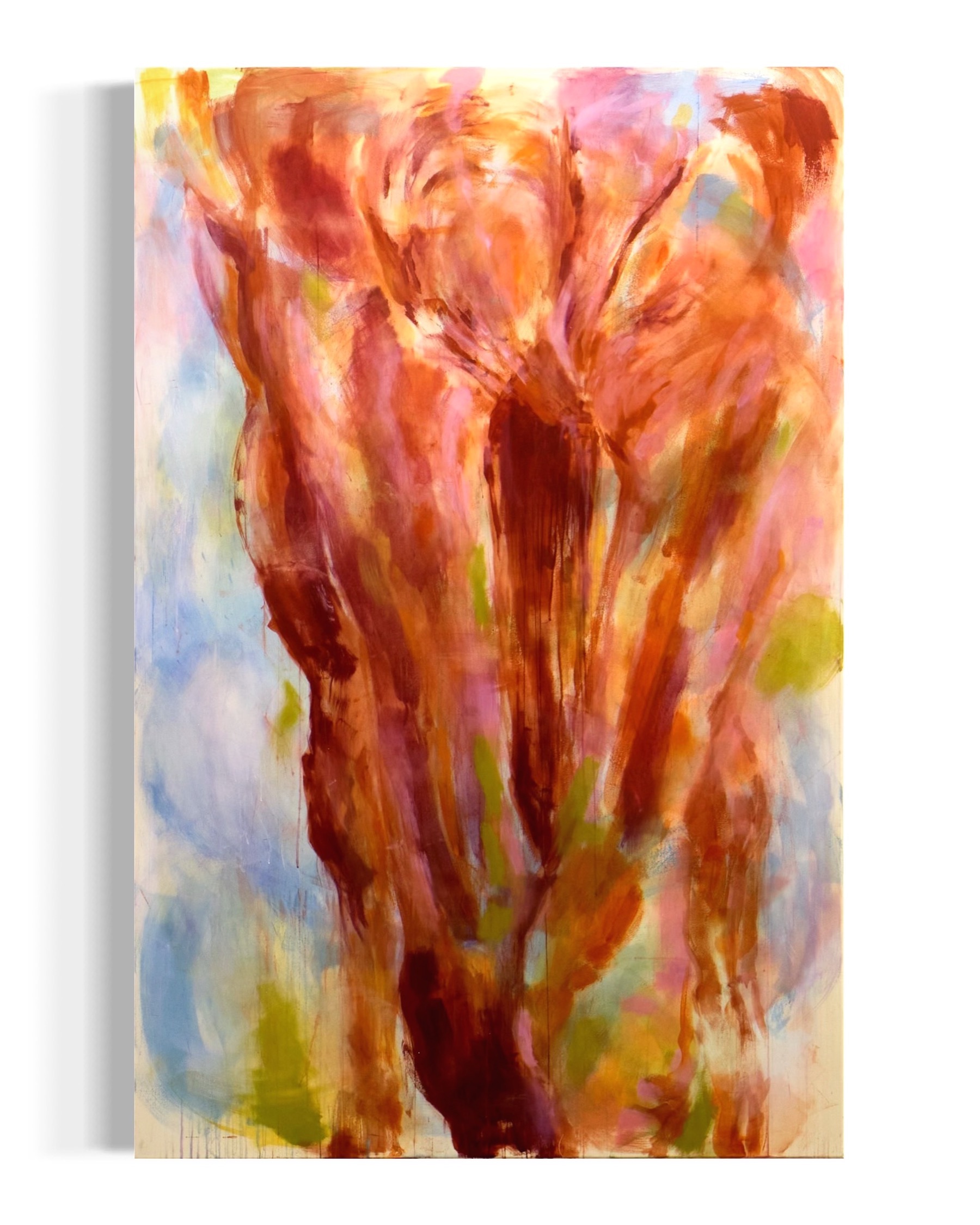
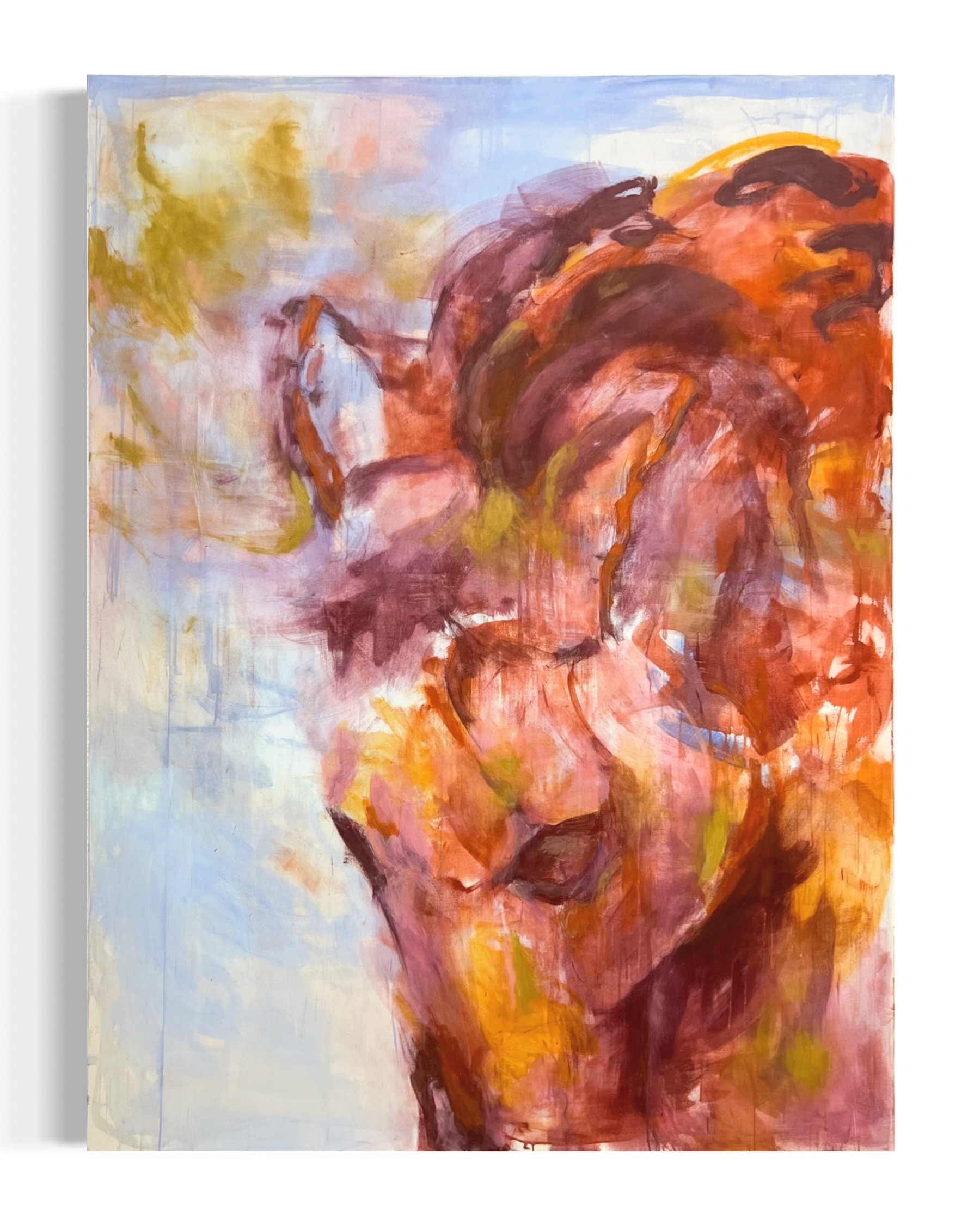
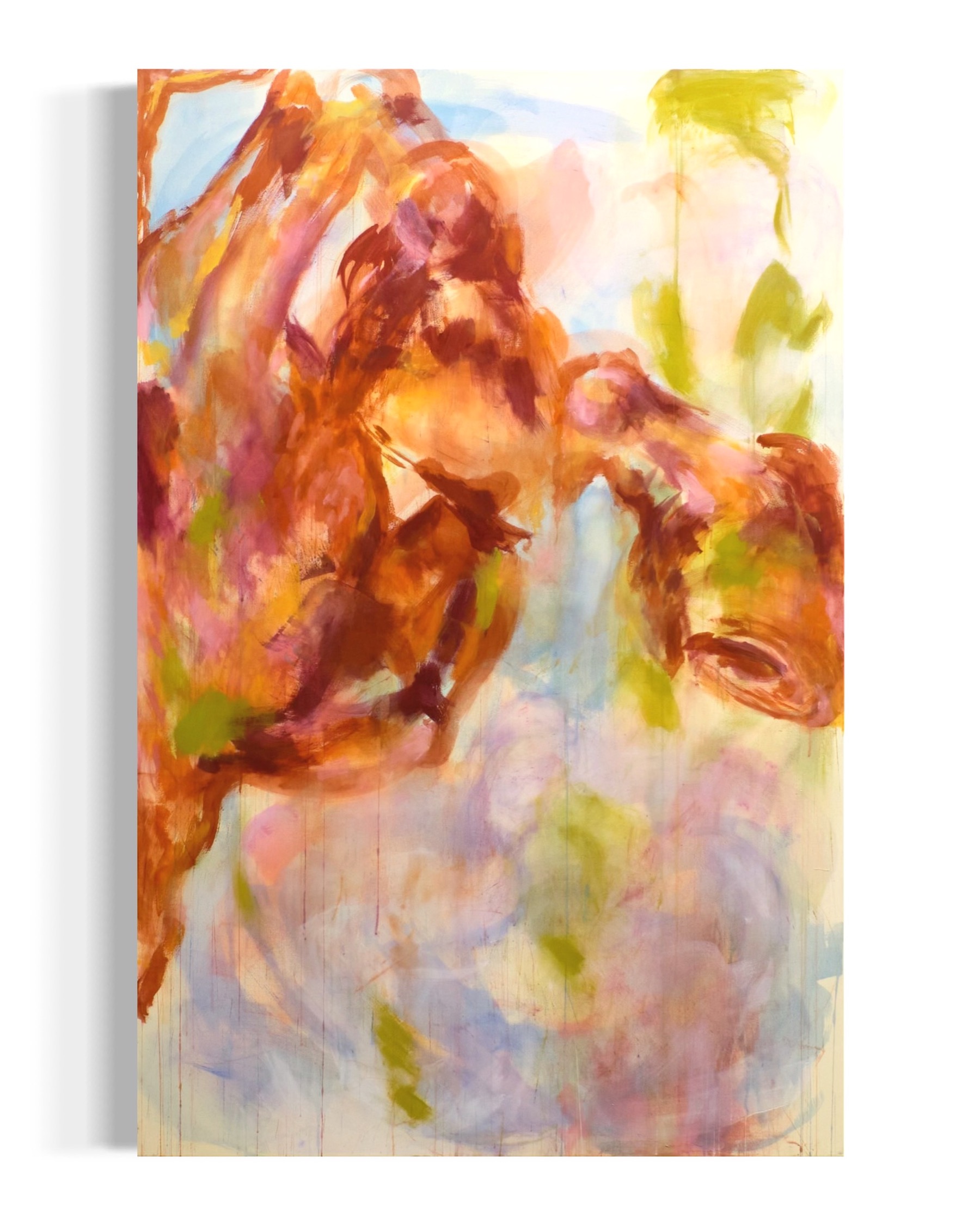
Kintu
(2026) Berlin
200 x 130 cm
custom rye-based binder & egg tempera on canvas
Guifal
(2025) Berlin
200 x 150 cm
custom rye-based binder & egg tempera on canvas
Keylan
(2026) Berlin
200 x 130 cm
custom rye-based binder & egg tempera on canvas
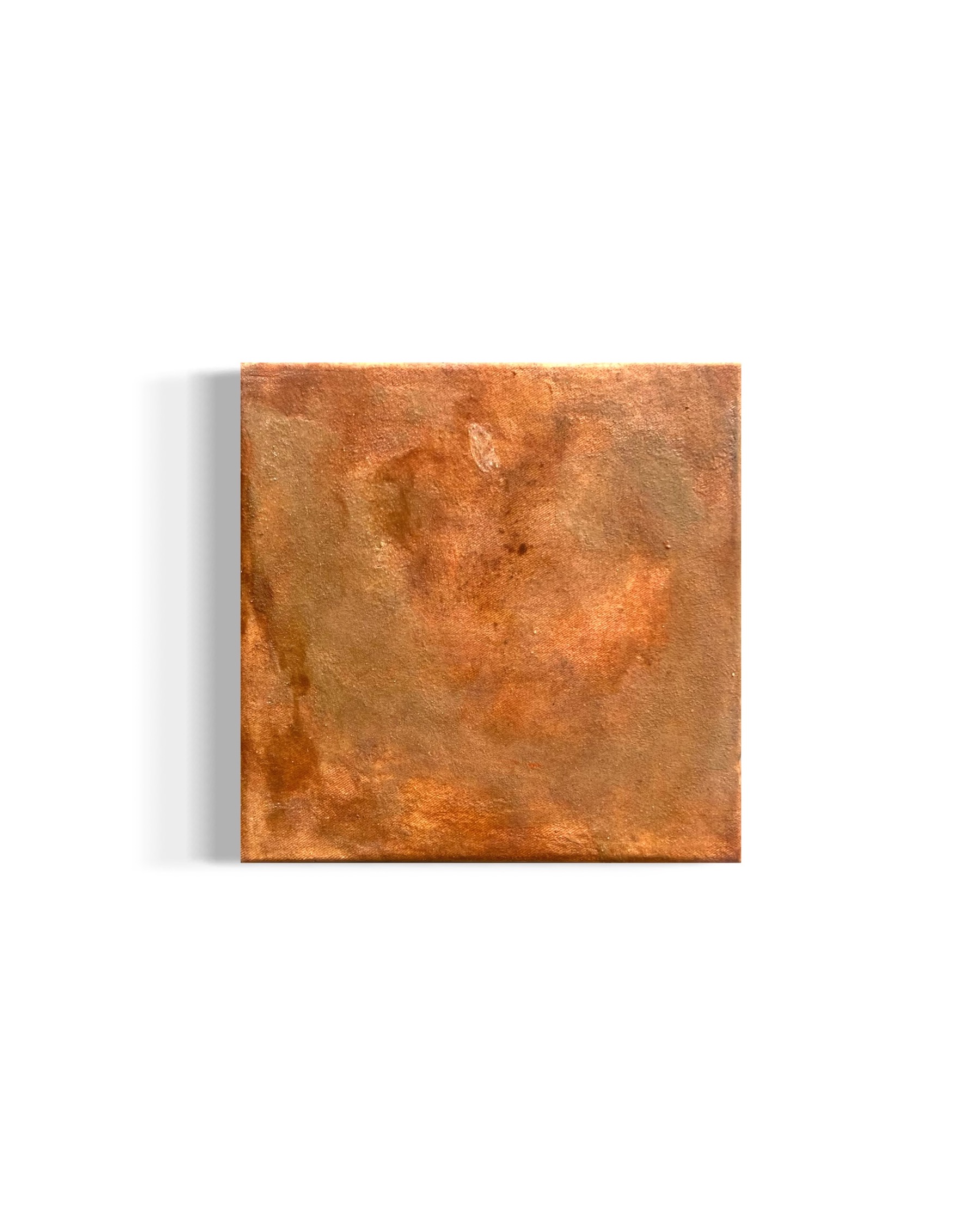
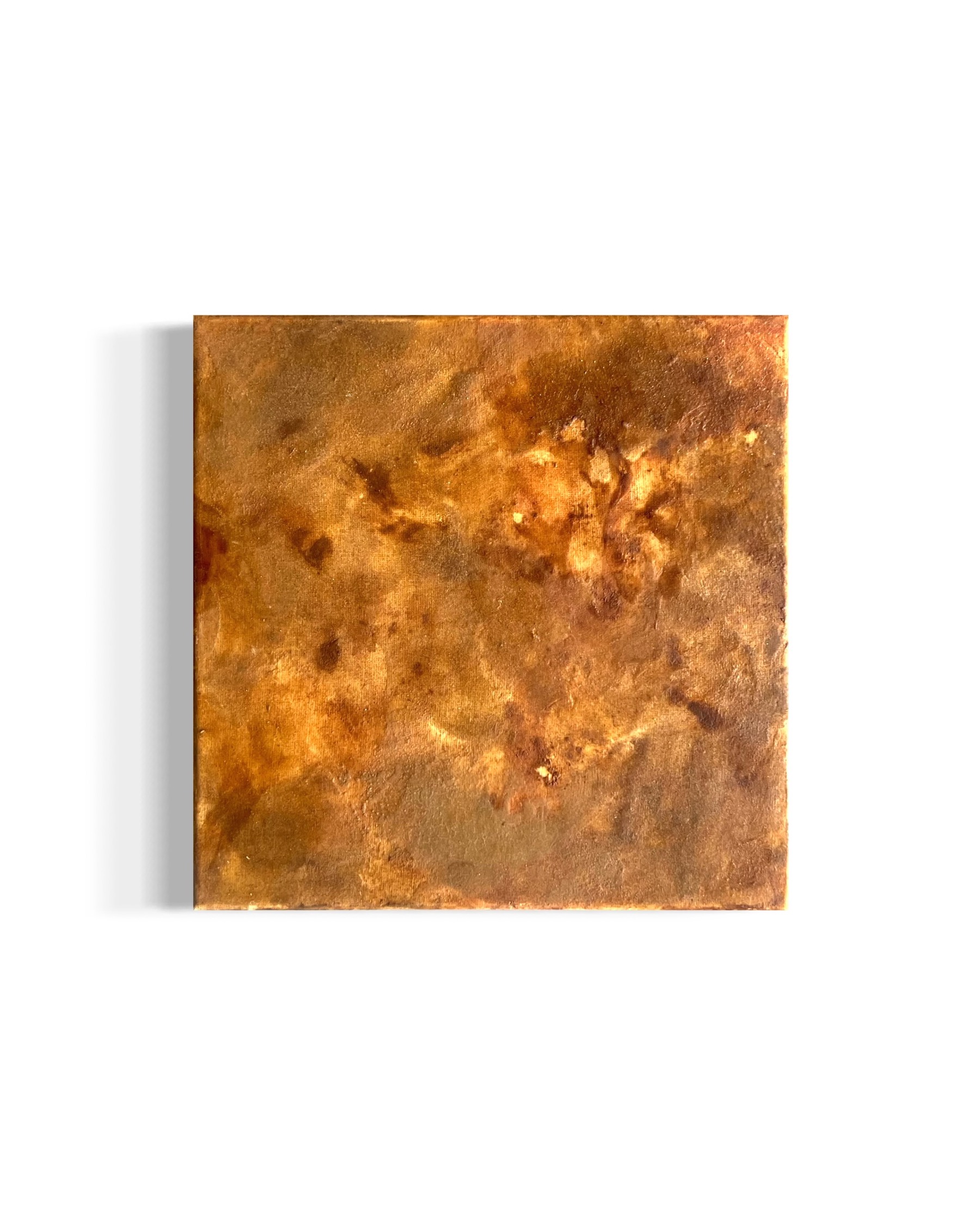
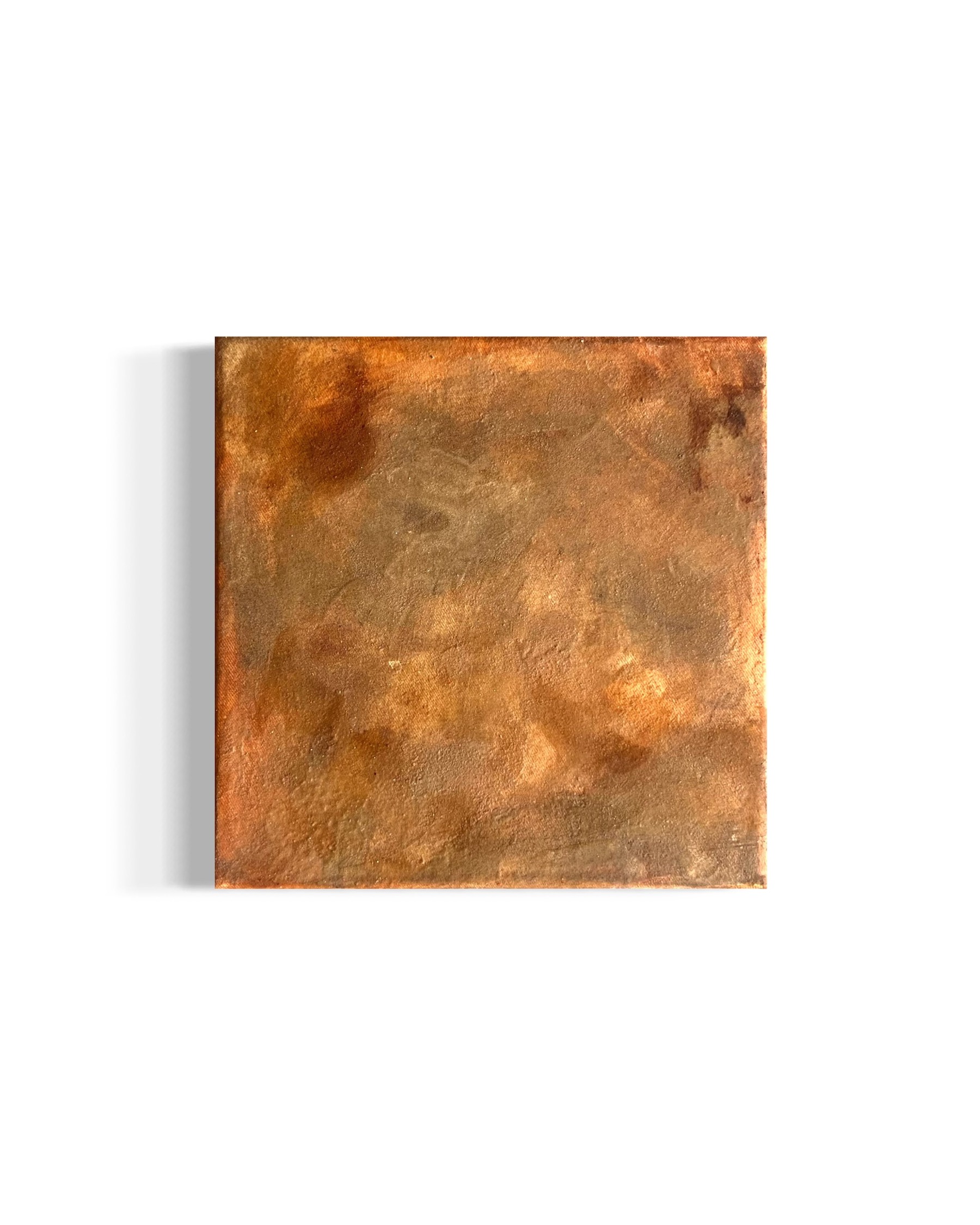
u/t
(2026) Barcelona
natural local stone pigments with custom rye-based binder & egg tempera on canvas
20 x 20 cm
u/t
(2026) Barcelona
natural local stone pigments with custom rye-based binder & egg tempera on canvas
25 x 25 cm
u/t
(2026) Barcelona
natural local stone pigments with custom rye-based binder & egg tempera on canvas
20 x 20 cm
Carlotta M. Valentinis Queraltó is an artist born in Barcelona whose practice moves between painting, performance, and material research. Moving between Spain and Italy, she has developed an intuitive relationship with landscape and materials, collecting stones and mineral fragments with an instinctive curiosity for the elements of the ground. Dance has also played an important role in her life, shaping a strong sensitivity to gesture, rhythm, and the memory of the body, while painting and her relationship with horses have remained constant references within her personal universe.
During her residency at GlogauAIR in Berlin, her practice underwent an important moment of transition. There she initiated the series After the Gallop, a group of paintings exploring the memory of movement and the energy that lingers after an action — like the invisible trace a horse leaves behind after a gallop. Marked by expansive and physical gestures, the works reflect a way of painting closely connected to the body and to movement.
From this point onward, her research gradually shifted toward a deeper investigation of materials and their origins, exploring natural pigments, organic binders, and self-developed production processes. By collecting mineral fragments and transforming them into pigments, she developed a new body of work created entirely with natural materials. Moving between Barcelona and Berlin, these paintings reflect the chromatic and geological differences between the two territories, becoming a form of material cartography where color originates directly from the land itself.
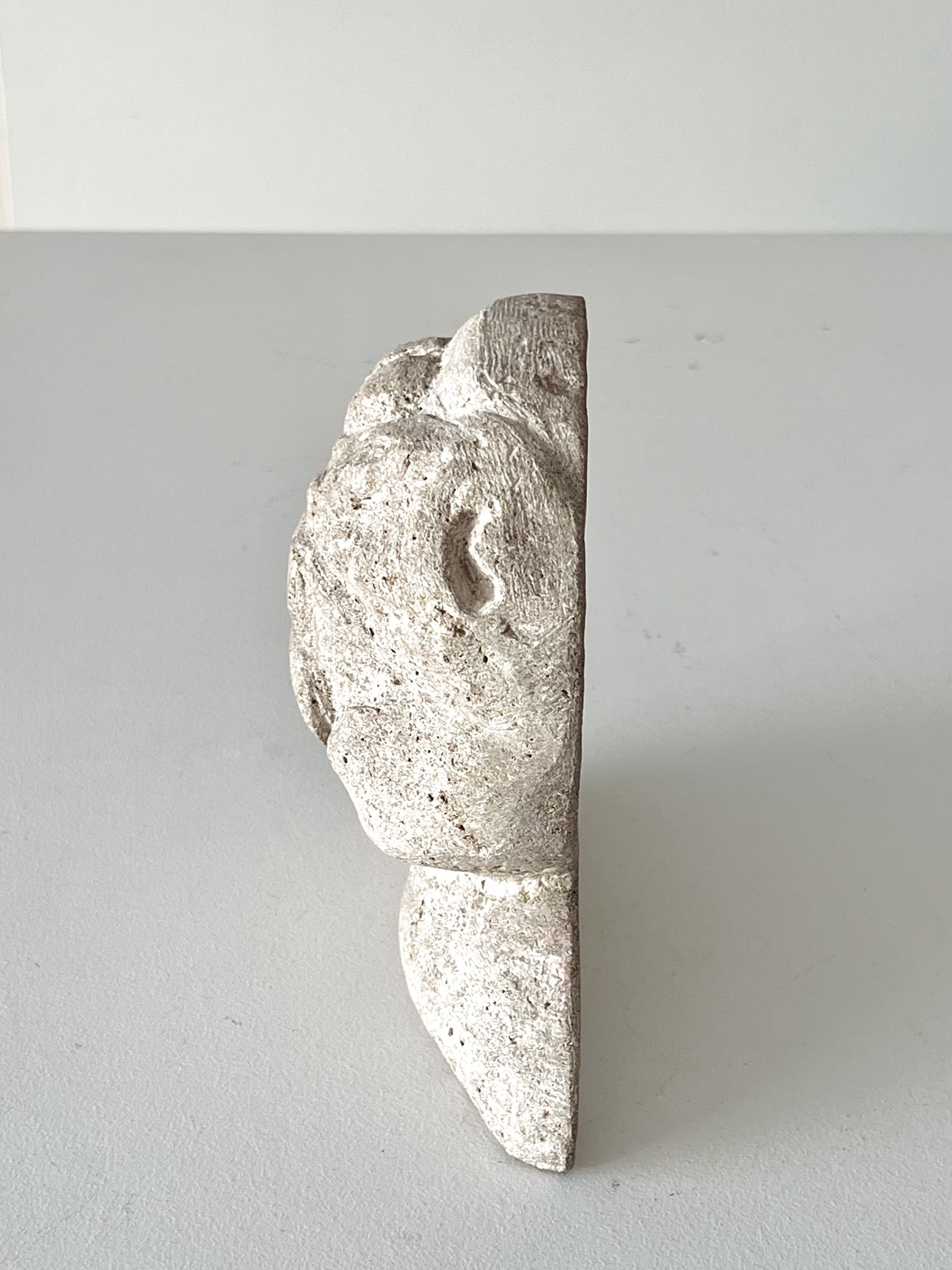
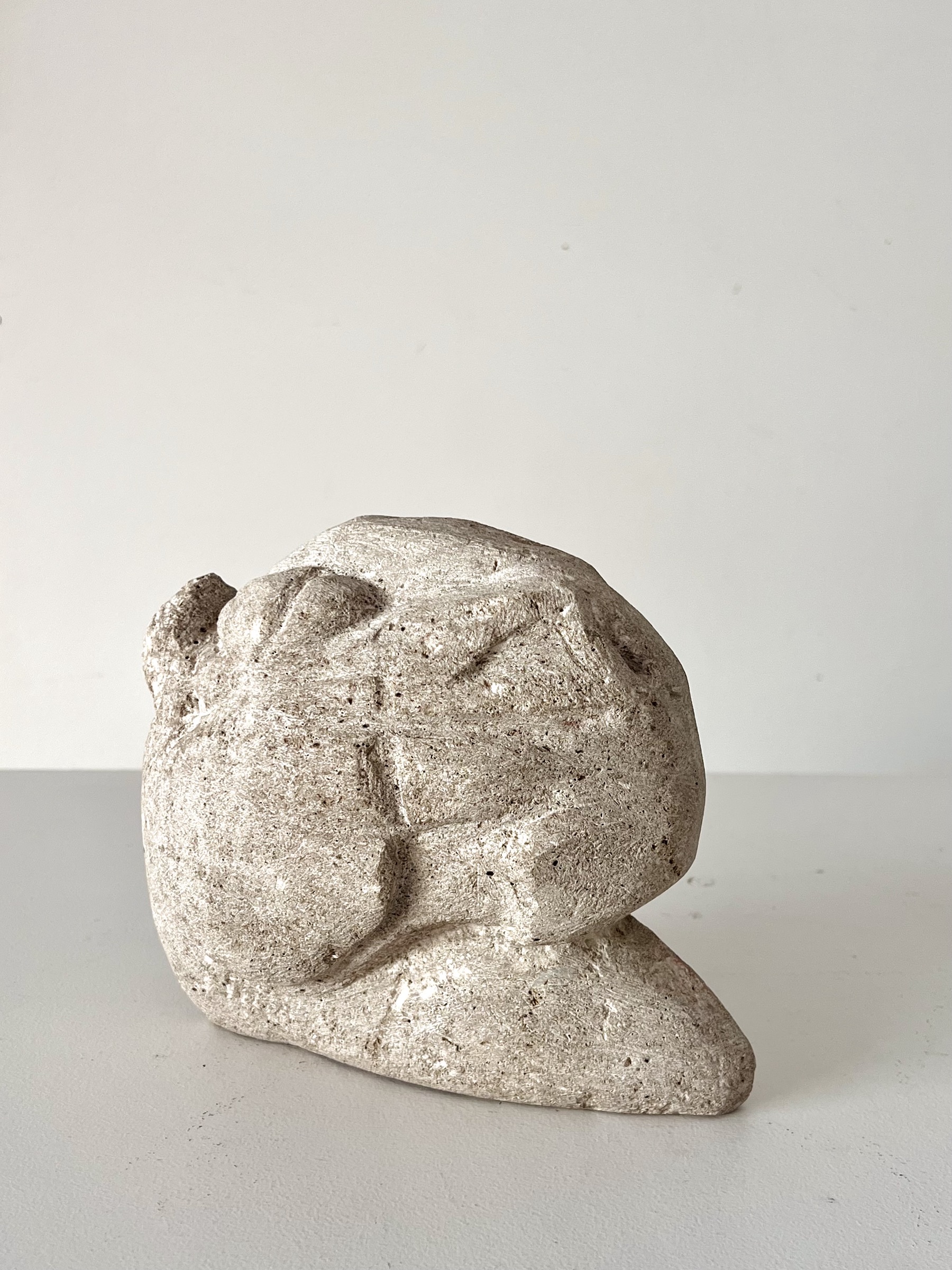
u/t
(2026) Berlin
Oolitic Limestone
21 x 17 cm
u/t
(2026) Berlin
Oolitic Limestone
21 x 17 cm
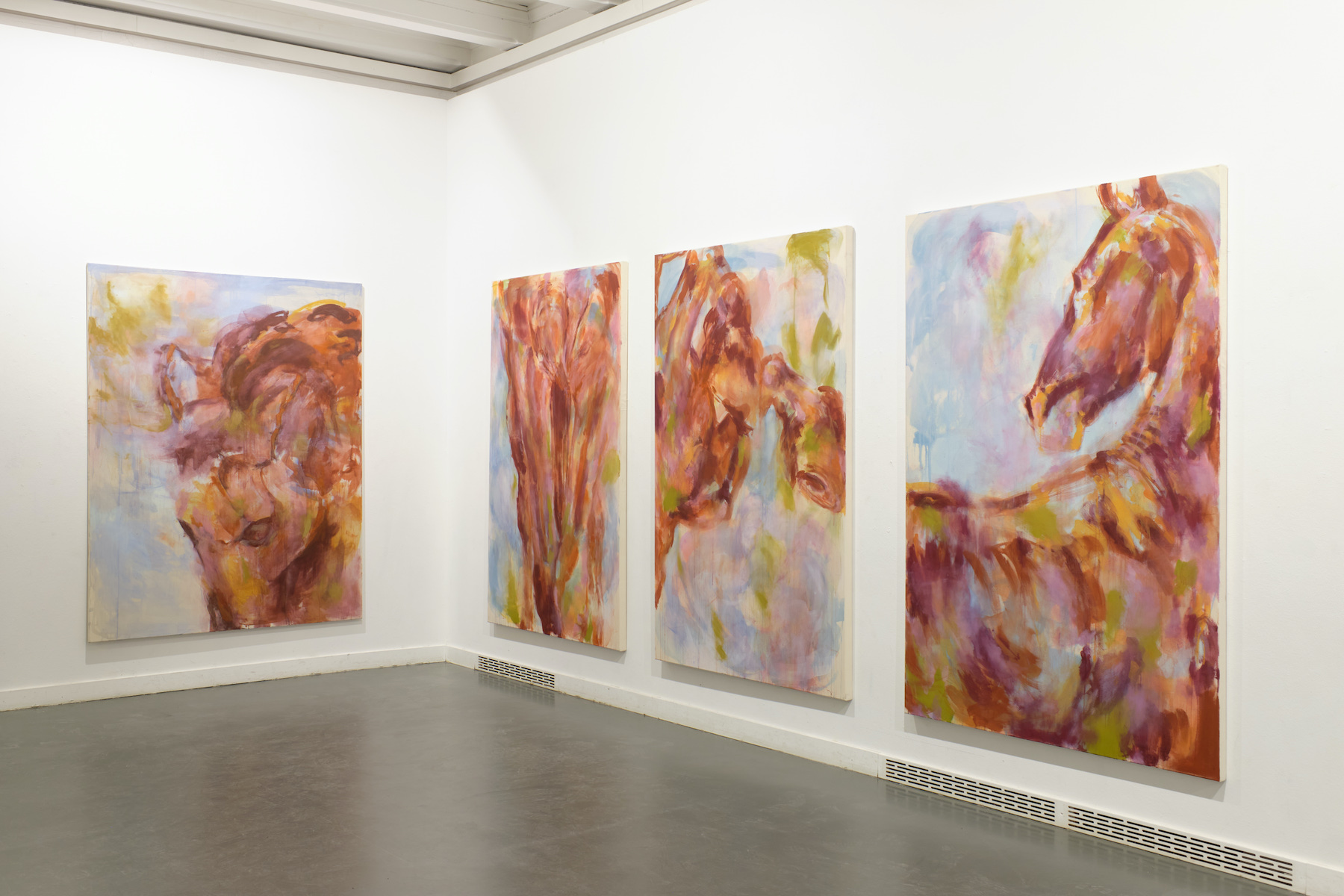
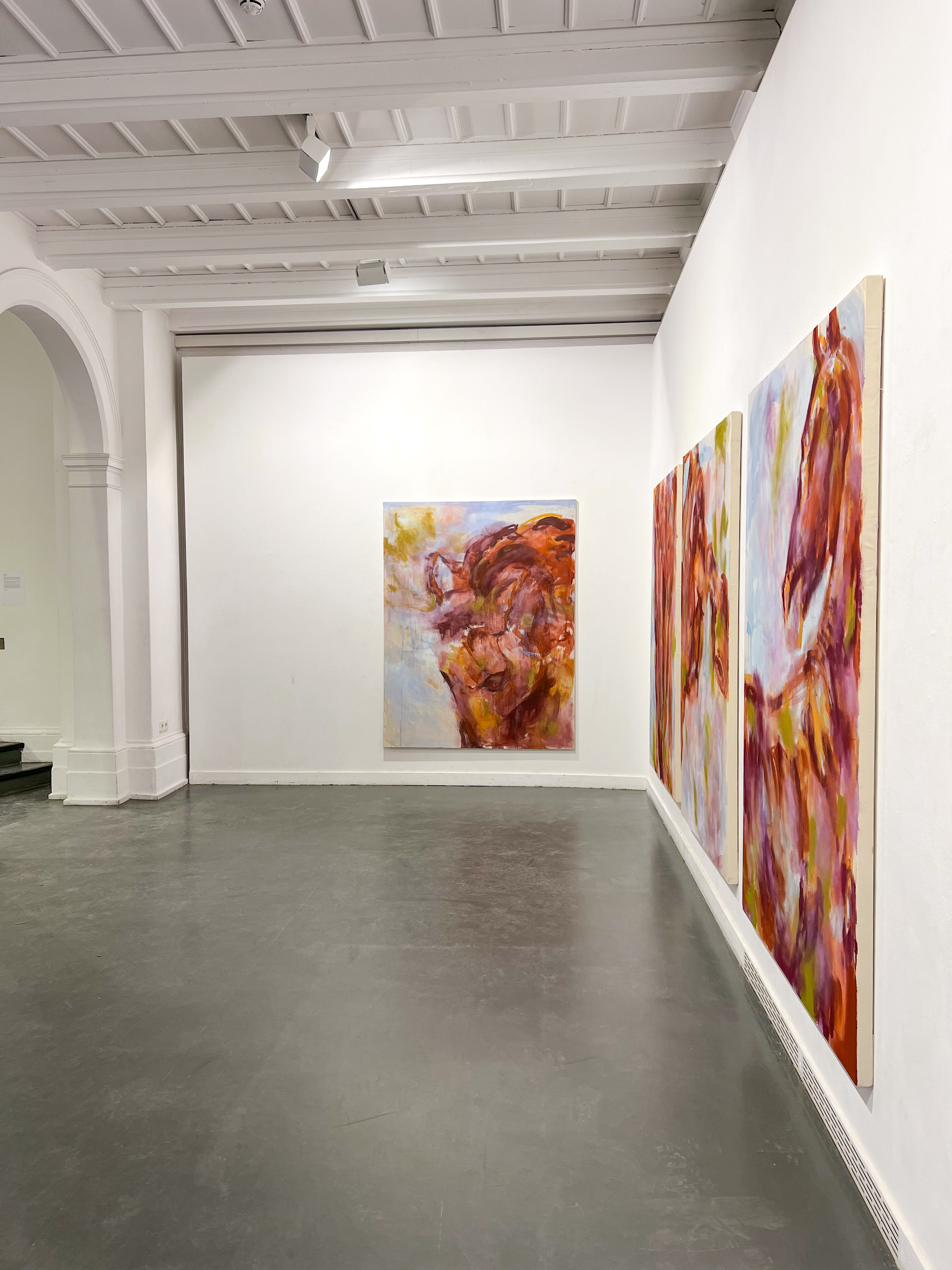
After the Gallop series, on display at the REDUCTIO Exhibition at Kunstquartier Bethanien, Berlin.