Meet the Artist // Daria Bogatyreva
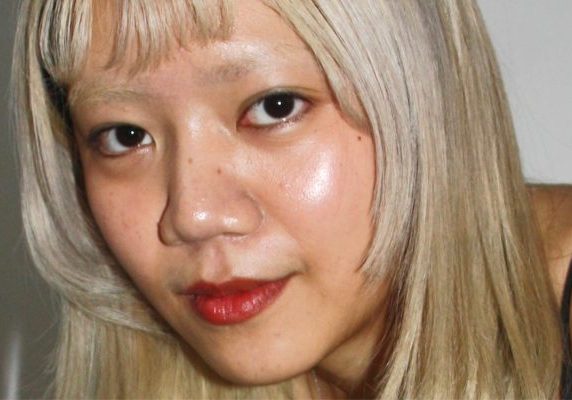
Born in Saint Petersburg and trained in film, Daria Bogatyreva works across painting, video, installation and conceptual objects. Her practice investigates what she calls “the rehabilitation of independent attention:” the possibility of encountering the world through one’s own observation rather than inherited conclusions.
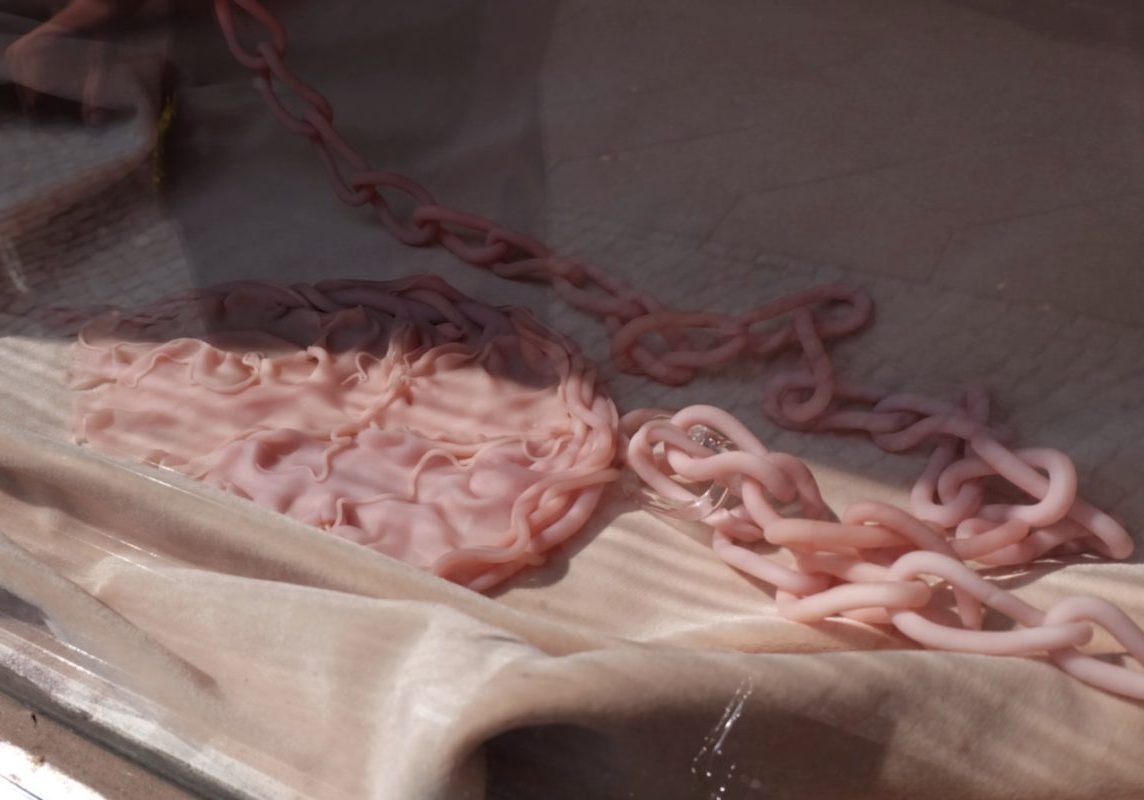
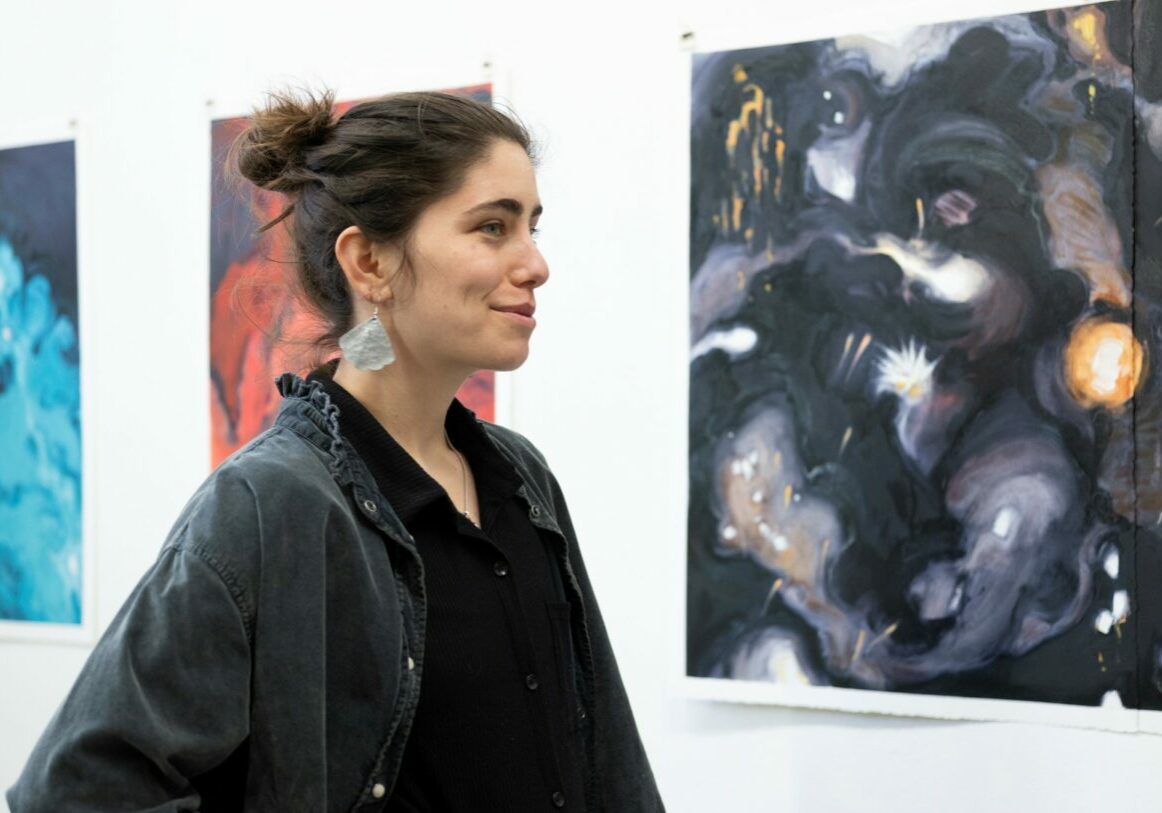
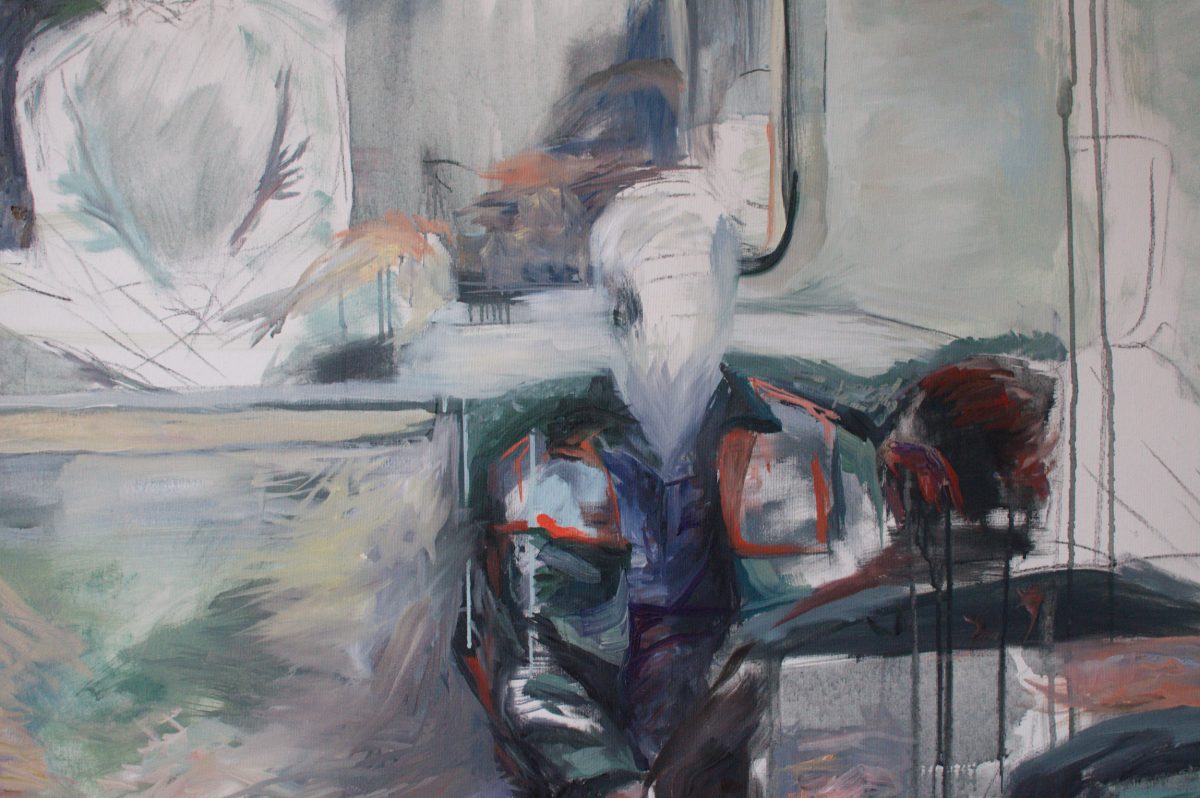
For Bogatyreva, an artwork is an entry point rather than the destination of attention. It draws viewers into an encounter that gradually turns towards their own perception. What begins as looking at a work develops into an experience of noticing, associating, remembering and forming connections. This approach can be observed in paintings, which can be watched almost as a film. Or with conceptual work like A Mallet that allows the viewer to come up with more interpretations as the eye wanders across the limited points of attention of the work.
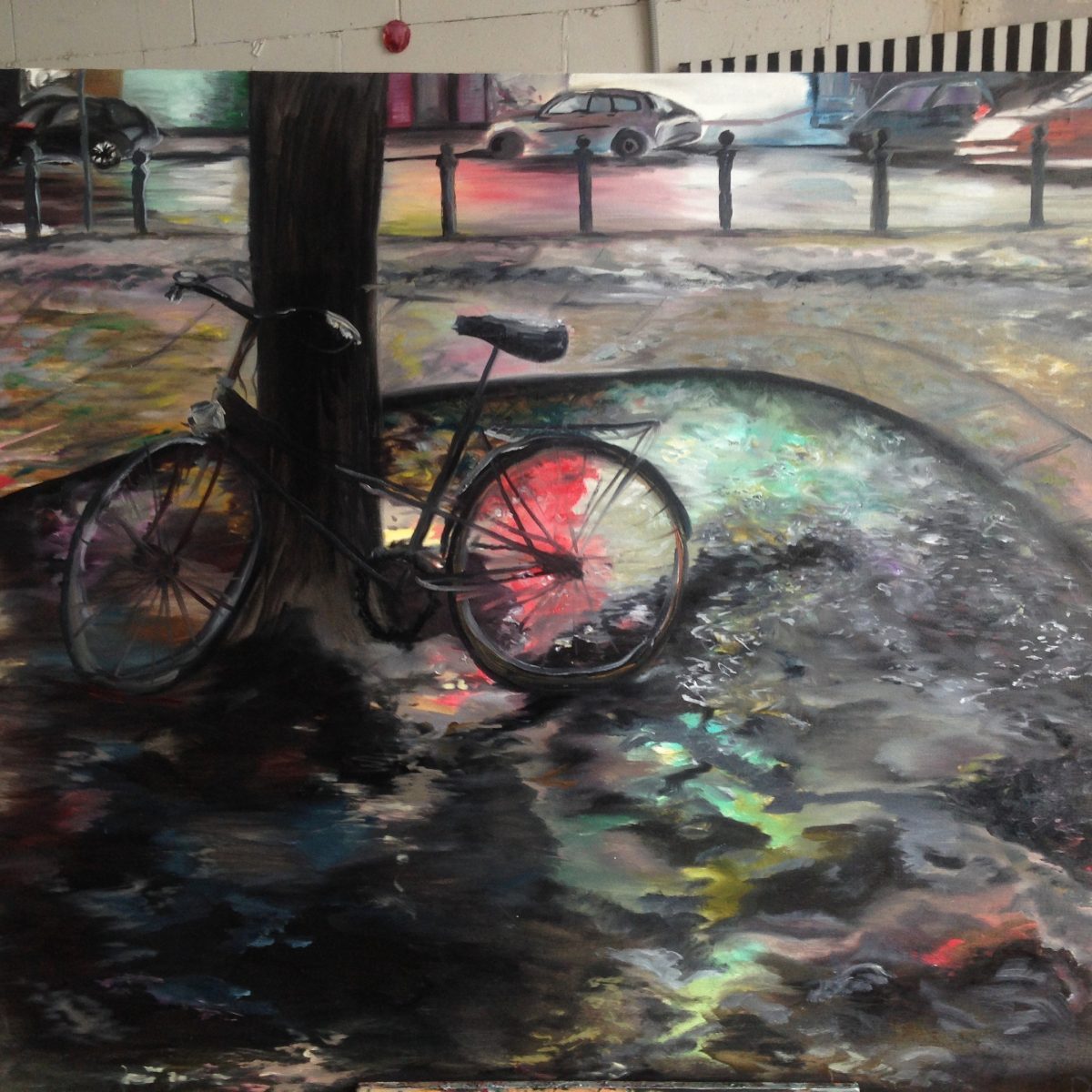
You have mentioned that seeing and feeling produce a physical third thing, and you intentionally leave elements of your paintings unfinished, with facial features unresolved. How does leaving a space for missing information transform the viewer from a passive observer into an active co-creator of the artwork’s meaning? And how do you choose your subject?
Leaving elements unresolved naturally makes the viewer more active. When people are blurred in my paintings, they don’t stay silent for long; they observe for a moment, and then they want to tell me what they see. Leaving room for interpretation makes the viewer feel welcome. In much of contemporary art, concepts are so tightly bound to predefined meanings and morals that viewers feel pressured to already understand them. Leaving a work unfinished relieves the weight of “having to know” in advance; it invites people to think alongside me. It’s almost as if they complete the painting themselves. This approach reflects my belief in the importance of the unknown. As a society, we need to be more excited about the unknown. Because this is where new things are happening. When we think that artists knew something, then this becomes kind of like an exam, or reading some textbook, so that there is some truth, and you need to discover that. But it’s not what happens in life; it’s not what happens in art. So, I’m kind of like a very quiet protester who knows in advance.
When I paint, I don’t really know what I choose to do. But my medium is constantly that tool. Not the brush, not the paint. But me as a tool of like, what do I feel or think about the subject that I’m painting. Art isn’t meant to be purely intellectual. While it’s wonderful to reflect on an artwork for weeks, art shouldn’t exist merely to convey a message that could be easily written in an essay or a newsletter. If an artist constructs a meaning so tightly that everything is predetermined, there’s no room left for discovery. It feels suffocating, authoritative, and restrictive. To counter this, I created a participatory interpretation game. Many people feel intimidated by contemporary art, believing that without reading the right books, they aren’t qualified to engage with it. But anyone can enter a gallery and start with basic observations: the subject, the colors, the brushstrokes. In my game, players take turns offering different interpretations of the same object. Within three turns, the obvious interpretations are exhausted, forcing players to say something completely unexpected or nonsensical. It breaks down barriers, making the experience relaxing, engaging, and fun. That is ultimately how I think about art.
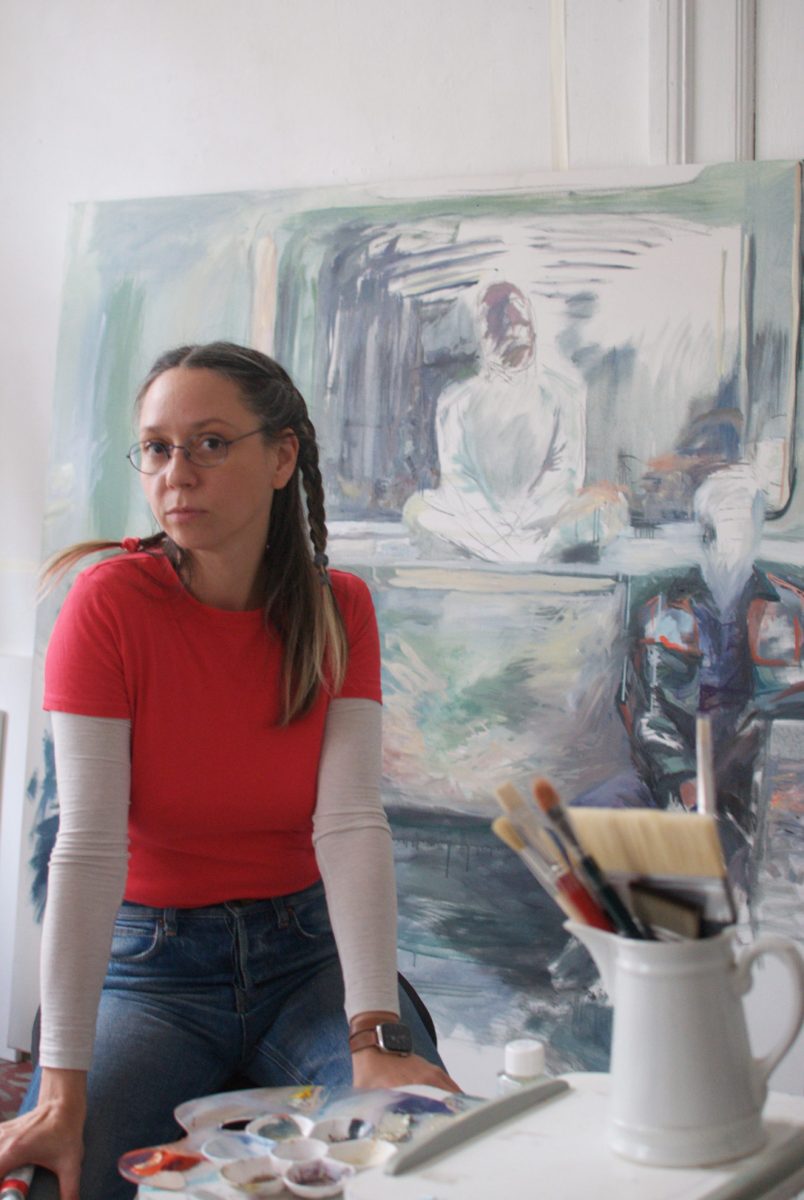
Why do you think they don’t understand contemporary art, or that they don’t want to understand it? Was it difficult to be around people like that? What was your first impression of the city of Berlin?
I think they actually want to, but no one wants to feel stupid. There is a sense of shame involved. Ultimately, they judge themselves. It stems from school, where you are asked a question and conditioned to feel like you should already know the answer, rather than being encouraged to think for yourself. I try to explain to them that art is purely about perception. You already have the tools; you have eyes, so start there. It’s a process. I have been surrounded by people who prefer the idea of reading books first. Once you read enough books, you’ll understand how to connect the dots. They actually need more anarchy, not more rules.
Being here and visiting these great museums has been amazing. So many artists have worked here, and there are numerous cultural institutions, so people naturally live alongside art and aren’t afraid to interpret it. Being here made me realize something that had never occurred to me before: to this day, there is no art university in St. Petersburg, or perhaps even in Russia, that teaches contemporary art. Some institutions train art critics at a master’s level, but if you want to become a practicing artist, the entrance exams strictly require high-level academic painting and drawing. Yet, for contemporary art, you might never need those specific skills. Questions of visual language, which are central to contemporary art, are simply not discussed in Russian academic institutions.
When I was studying film, the focus was entirely on plot, drama, and character. Whenever I tried to bring up the concept of visual language, no one understood what I was talking about. It was deeply frustrating because I knew it was a valid path I wanted to explore. At the time, I didn’t know any better. The internet wasn’t as developed, and books on contemporary art weren’t readily available or translated unless someone specifically pointed you toward them. I kept asking myself why I discovered this so late. But when I finally realized I wasn’t crazy, that the questions I was exploring were completely normal and established elsewhere, it was a huge relief. Before recent events, Russia seemed like a modern country with exhibitions, curators, and an art scene. Yet there was always an underlying mystery: Where do artists actually come from? You had to know the right people. In Europe, especially in Berlin, art is embedded in daily life. You grow up simply knowing what art is and how the system works.
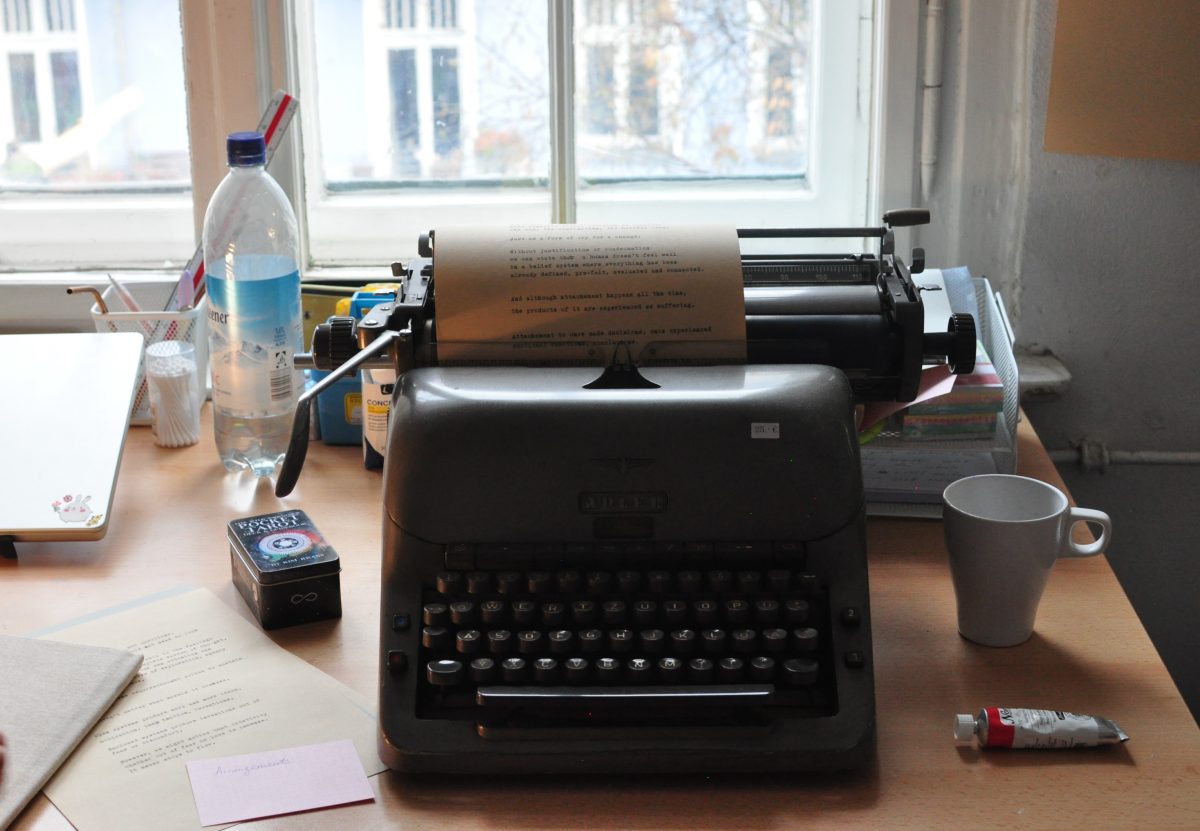
Did your decision to study film directing stem from a genuine passion, or was it more a desire to escape the constraints and rigor of academic painting? How did you come to realize that you were not making traditional cinema, but rather video art, and how did you begin to define your artistic identity?
I wanted to be an artist of a different kind. It might sound like a cliché, but I started drawing at the same time I started talking, around one year old. My grandmother still has some of my small doodles labelled “one year and three months” or “one year and four months.” Looking back, there was a clear connection to what I do now because instead of making “a drawing” I did voiceover narration in my head while doodling. When I announced I wanted to be an artist, my parents warned me that I would end up selling paintings on freezing winter streets in Russia if I don’t get good. I forced myself to practice, even though I hated every part of academic painting and drawing. I knew I didn’t want to study this. Yet there were no art schools that taught contemporary art and philosophy so I was unaware of such concepts. Skimming through a “guide to universities”, I came across film directing. That was much closer to doodling and narrating! I got into a film school, however I immediately realized I wasn’t actually interested in traditional plot structure. I can barely remember the storyline of any film I’ve watched. For our first project, we had to make a minimalistic film without editing, just setting up the camera and letting events unfold. I shot it on a poor-quality VHS camera and won the student film festival. Every millisecond was meticulously planned, even though it looked entirely spontaneous. I wanted to keep exploring that direction, but the curriculum pushed us toward conventional editing and Hollywood-style storytelling. Things like language, time or video texture were never even discussed. I felt trapped, yet nobody in the film department ever mentioned the existence of video art! I got there thanks to the experimental film sections of film festivals. I was instantly hooked. I still remember a 20-minute video from the 70s or 80s showing the demolition of a house, where fragments of wallpaper and apartments were visible, accompanied by a repetitive voiceover of mundane household phrases like “Spiders… I hate those spiders.” I thought, “This is so much better.” Even now, I am still in the process of learning that the ideas I trained myself for years to avoid in order to be understood is exactly what constitutes the subject of contemporary art.
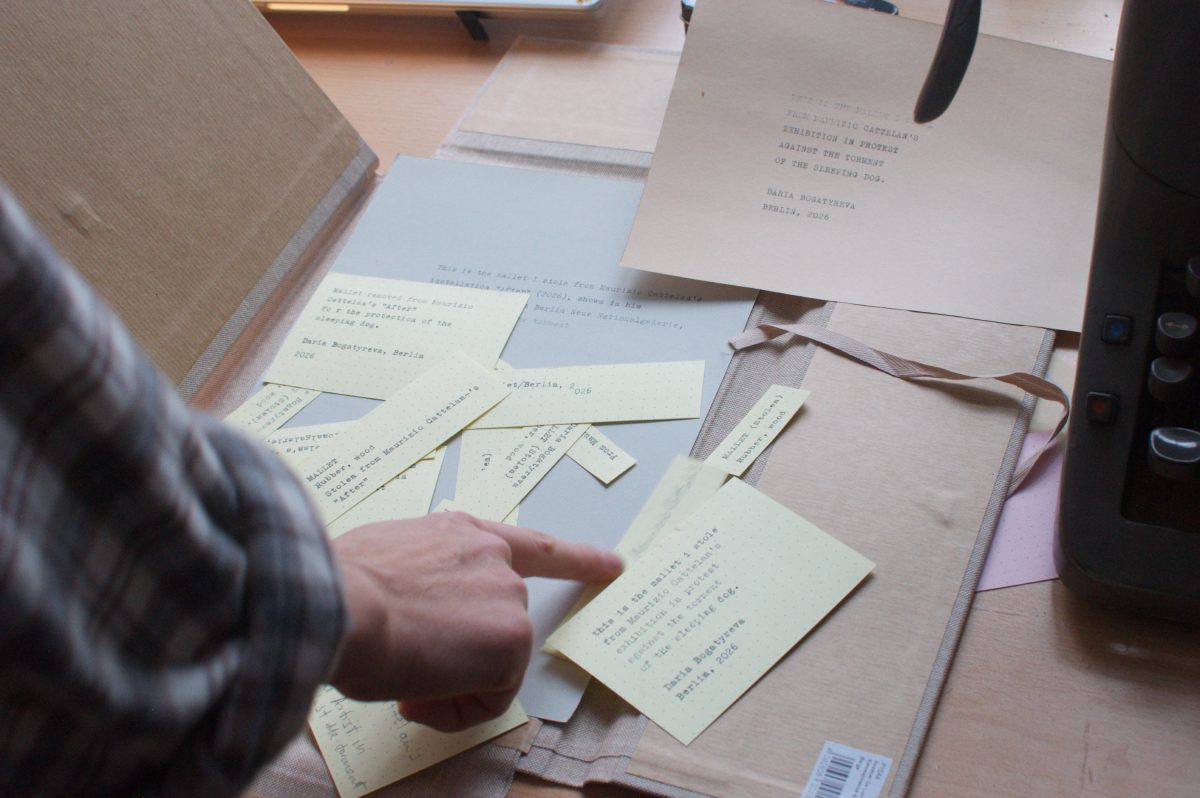
Looking at your paintings, there’s a sense of capturing a quick, unique moment, almost like blending different realities into a single canvas. Do you paint quite fast?
It’s a hard question because I’ve never painted next to someone else. I know that other artists spend much more time a day painting, but I can’t concentrate on one painting for more than about an hour at a time. I haven’t tried longer sessions before, though I might try now with two sessions a day because I’ll have to be quicker. After some time, my attention span just fills up. A couple of times I tried to overcome this, but I ended up spoiling the work because I didn’t know what I was doing anymore. So I had to stop. As for deciding when a painting is completely finished or when to leave a bit unfinished, it’s the same thing; I don’t make a conscious decision. It’s just something that happens when I look at it.
Interviewer // Mariella Raia
Photos // Danae Ripley