Elisabetta Lombardo is a ceramic artist based in Berlin, where she co-founded and runs a ceramic studio focused on traditional hand-building techniques, and has had her work exhibited internationally. She also writes about the impact of clay in culture, by connecting stories and ceramic pieces. Her work is an ode to the inspiration our species has felt for centuries while observing the landscape, discovering materials and watching minerals turn to glass.
Lombardo works with hand-building techniques building her works by hand without a pottery wheel, using porcelain and stoneware. Her work combines poetry and science: she researches topics of transformation and metamorphosis by exploring how materials work and change together when being fired in the kiln. The forms she creates fulfill dual roles as functional, ceremonial vessels as well as art objects.
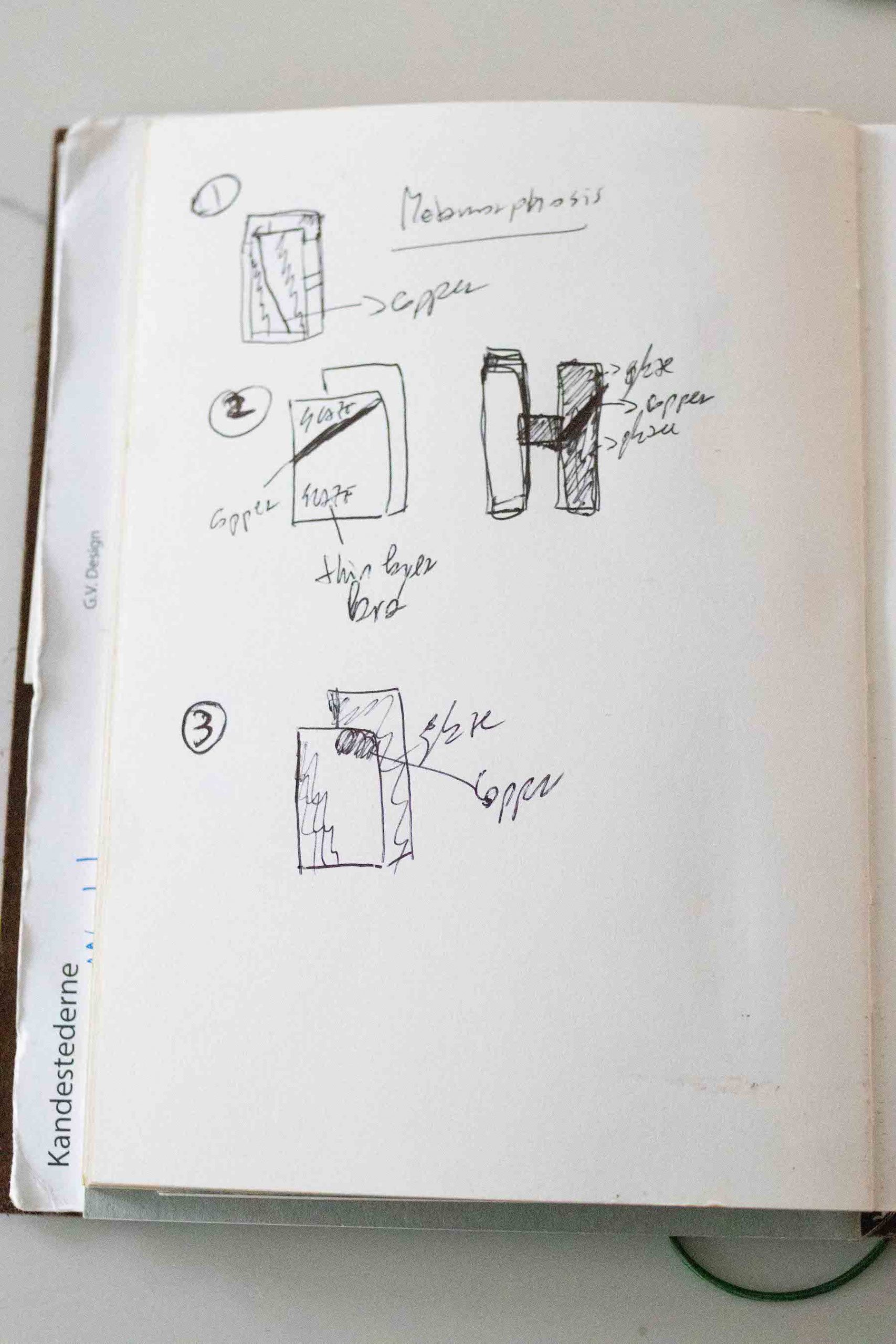
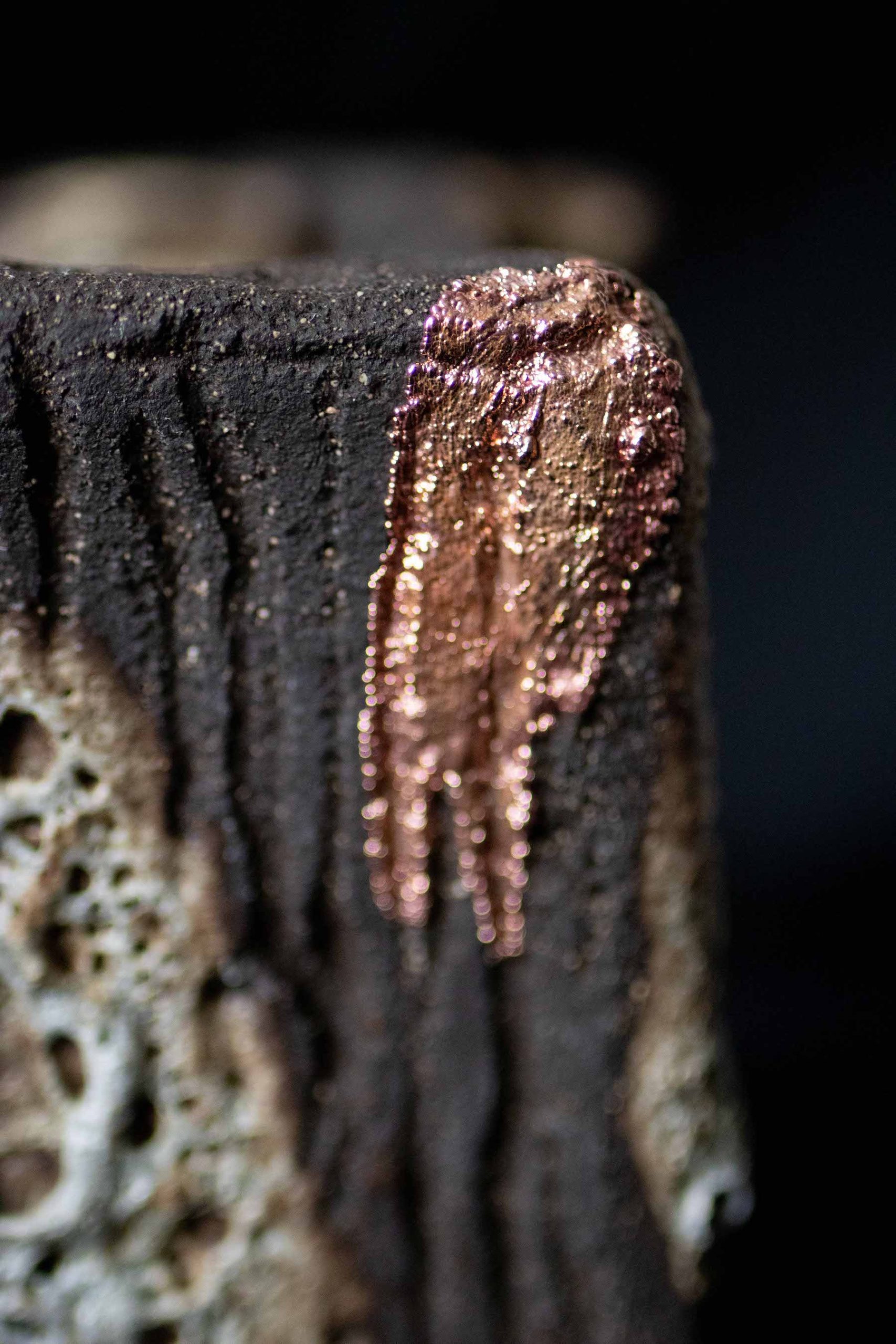
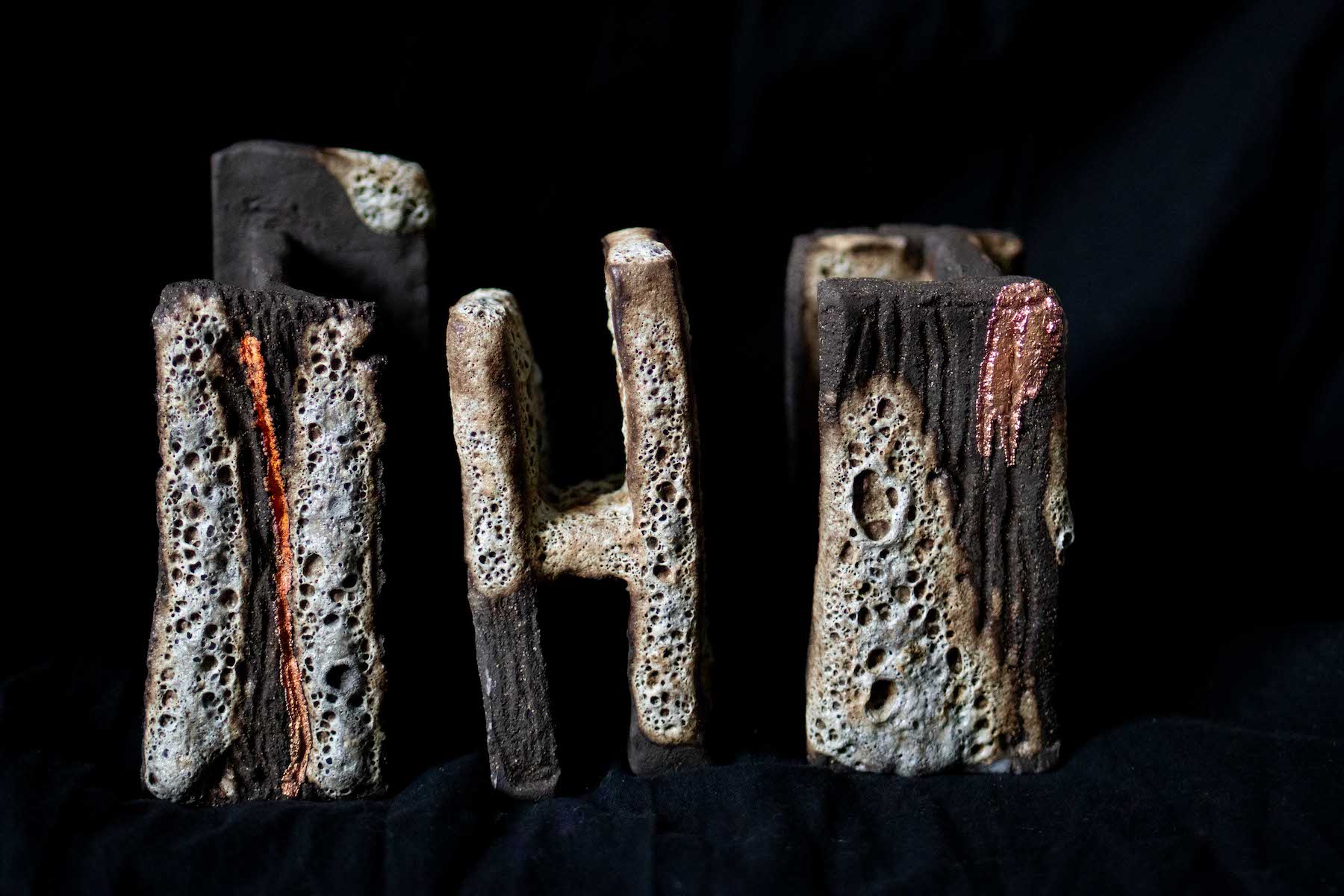
During her residency at GlogauAIR, Elisabetta continued her exploration of the theme of metamorphosis by combining metal and ceramics and reflecting about the creative process itself, which is in a constant state of flux. She built ceramic panels and used electroforming, a process through which metal is layered on a conductive surface via electrical current, to add copper to the fired clay.
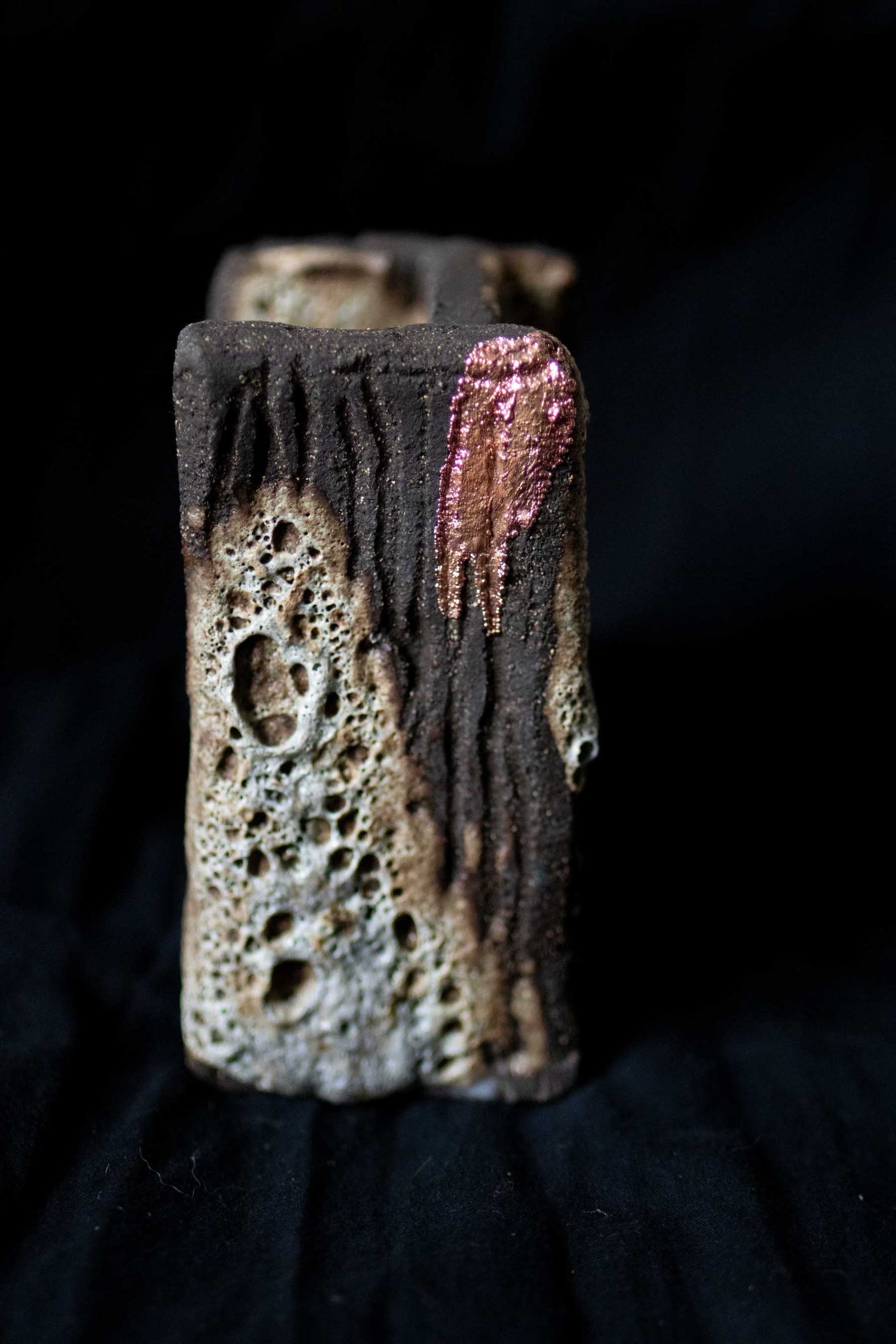
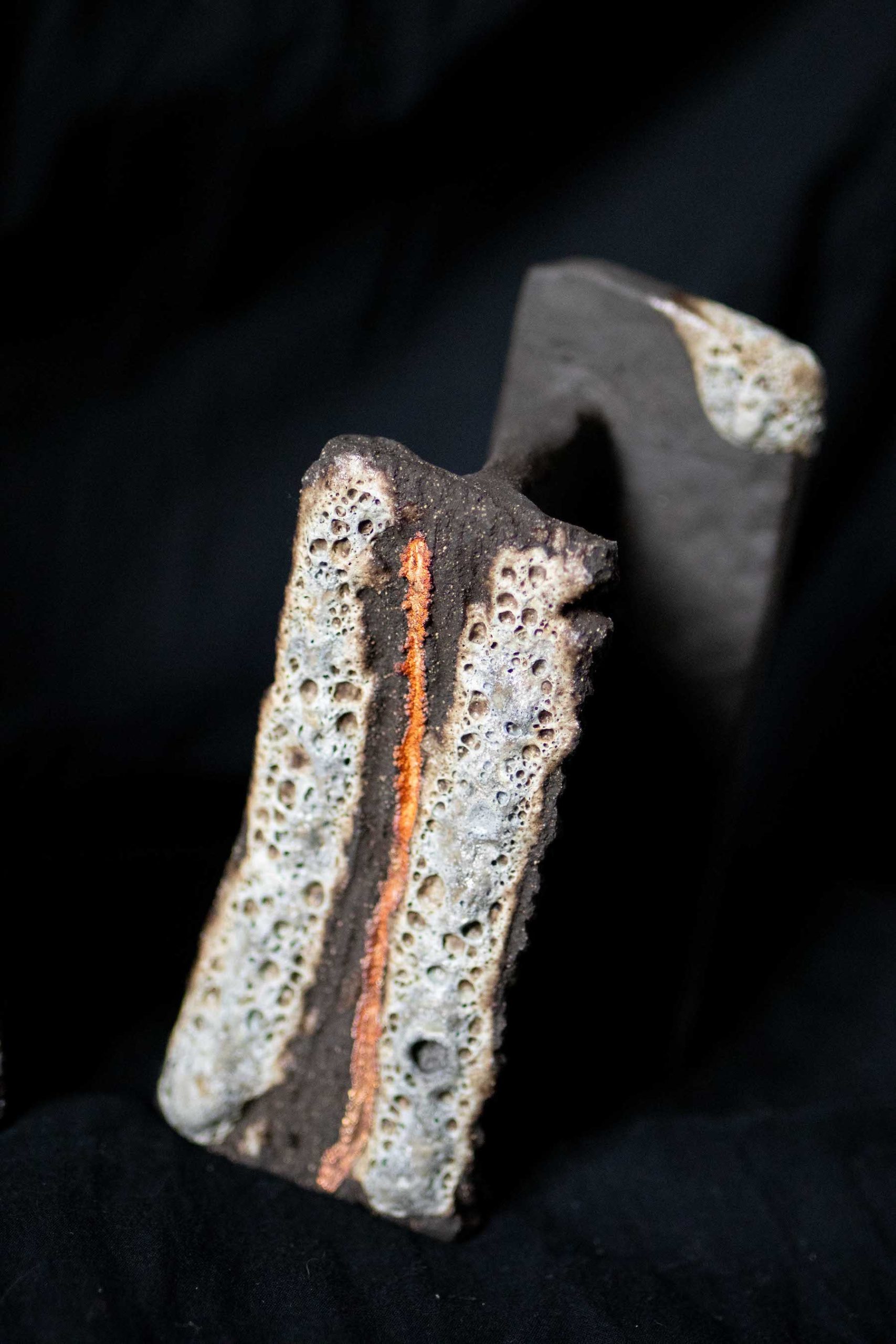
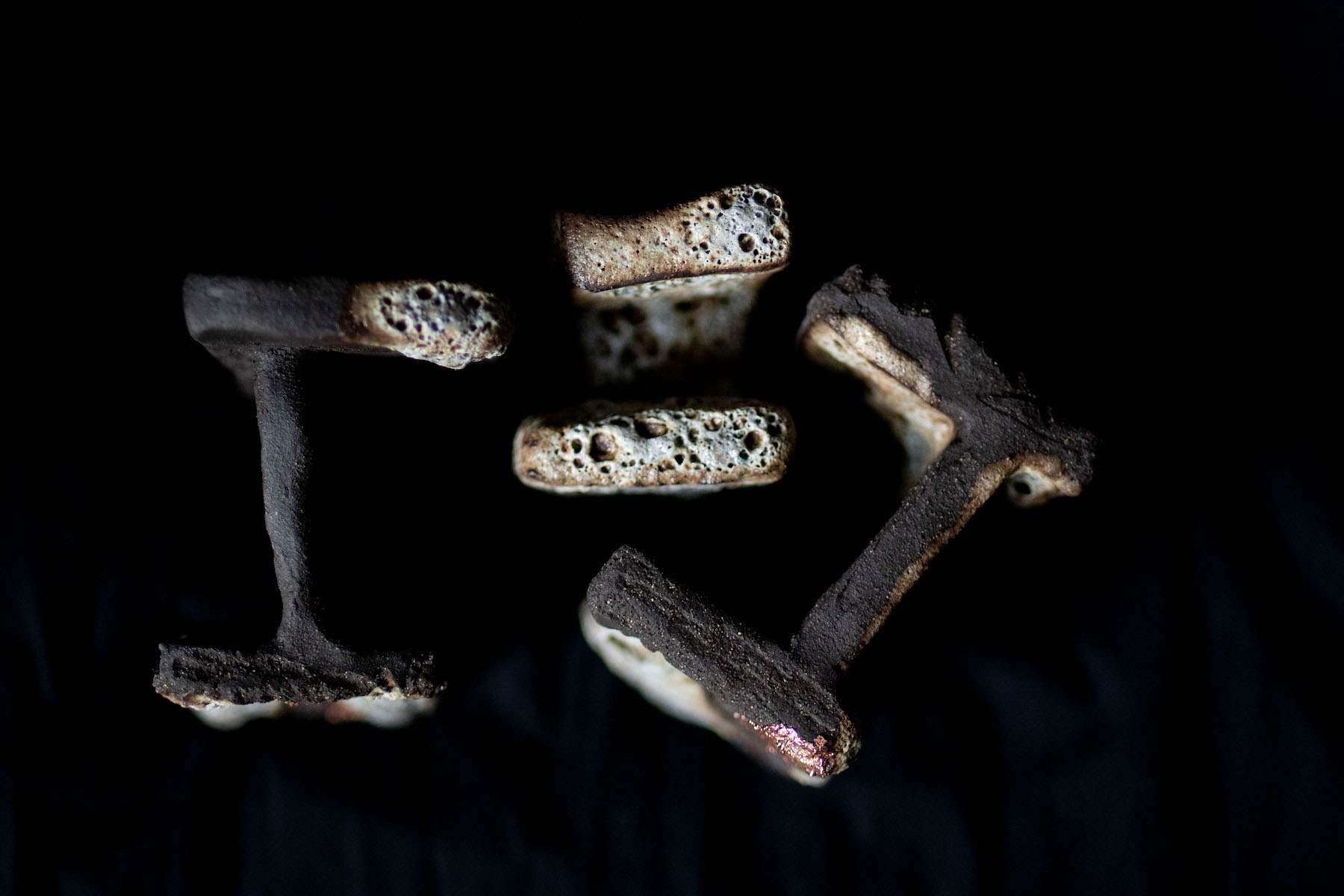
The objects look both familiar and alien, something that archeologists might find while uncovering the remains of a civilization from a different planet. Something that can’t quite be situated in a time or place. Something organic that we can imagine seeing on Earth, but also strange and out of the ordinary.
As we observe these strange textured bricks covered in lava glaze and copper, we wonder what they were used for and the kind of construction they supported. Was it a place of ceremony and community? What was the purpose of the metal and how was it integrated with the ceramic base?
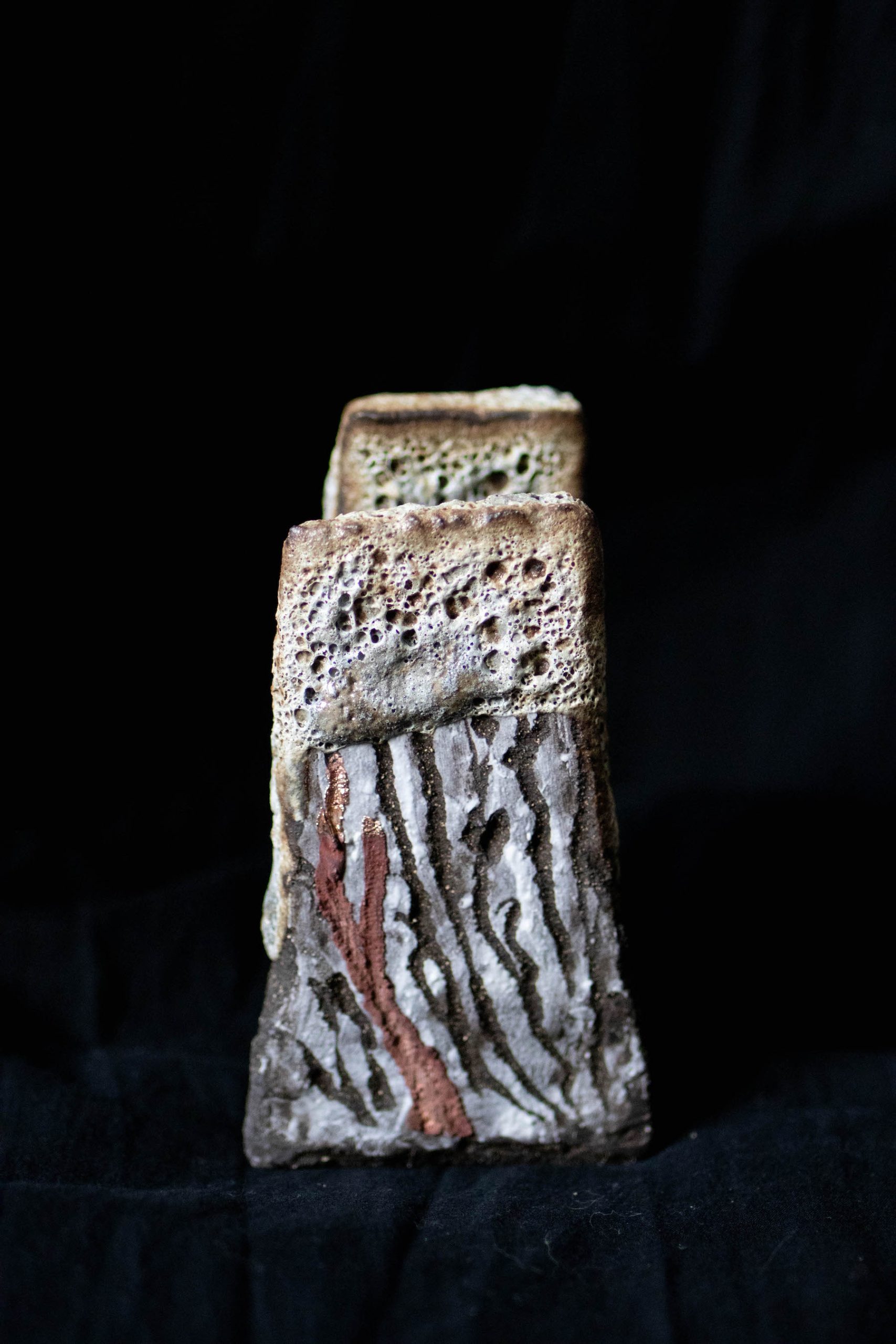
Ceramics have been created as cheaper alternatives to metal vessels for centuries. Metal was also used as a finishing to special ceramic pieces. This was the case, for example, for Ding wares, high-fired porcelain vessels produced in China from the 10th to the 13th century AD. Their rims were left purposefully unglazed so that they could then be adorned with a metal band.
Metal and ceramics are often perceived as belonging to very different crafts and sets of skills. The artisans in charge of applying the metal band around the Ding wares were highly specialized. However, metal is an integral part of ceramics, from the clay body to the minerals that are used to create glazes. Many clays will contain iron in some amount, and red iron oxide, copper carbonate and cobalt oxide, to name a few, are used to add color to glazes.
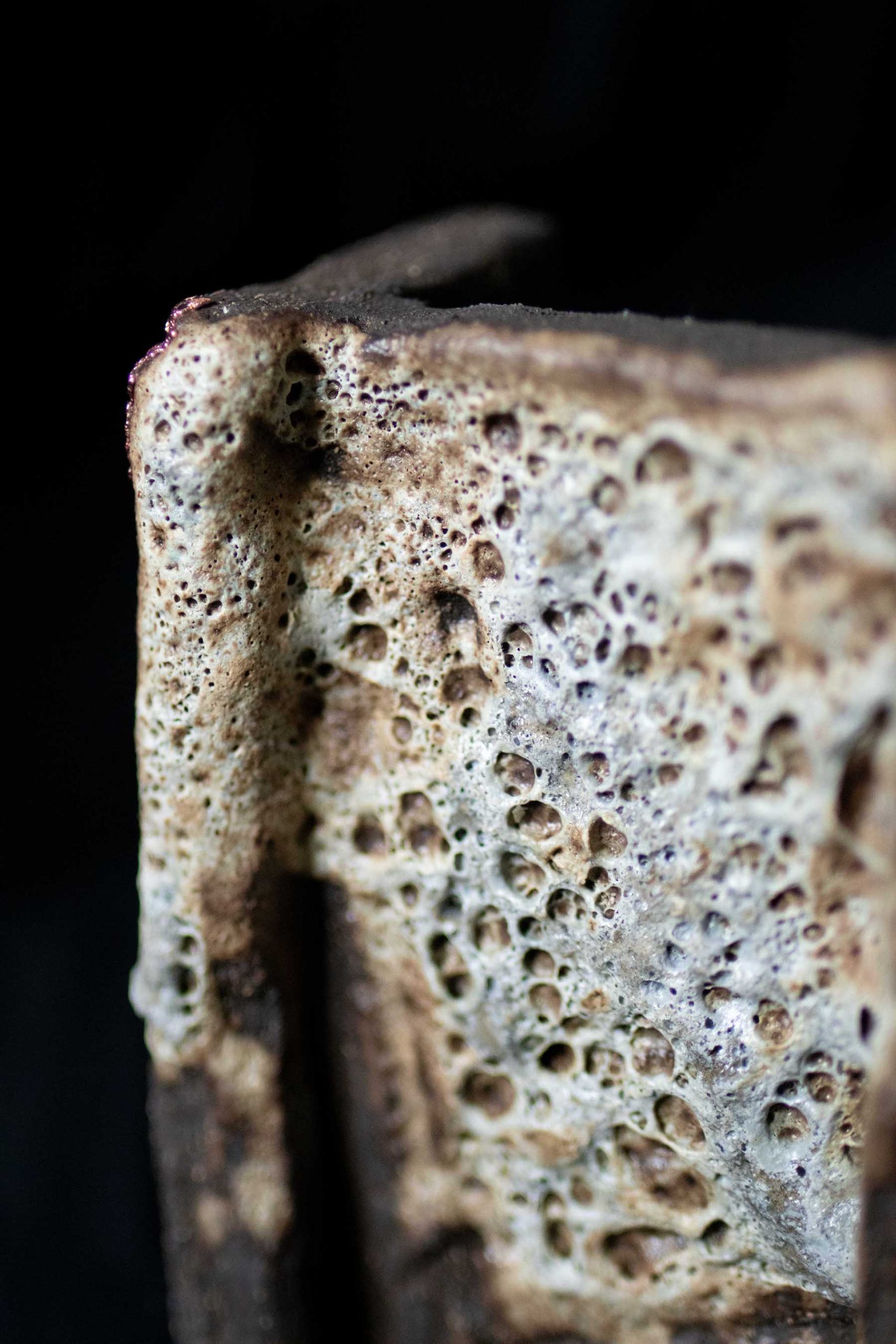
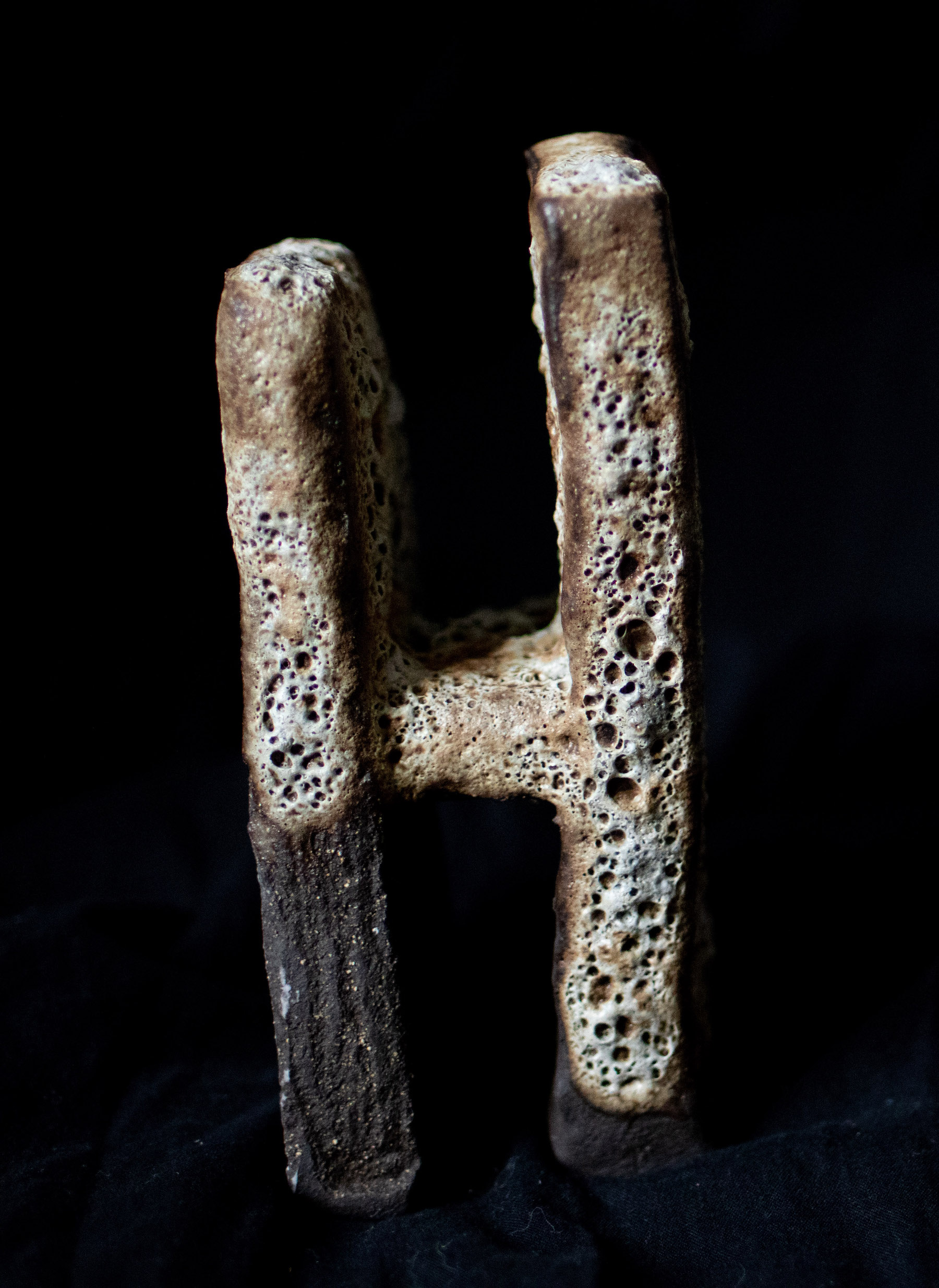
In ceramics, we care about how materials change. We look at minerals for their potential, we evaluate them for what they can become when exposed to heat. The only true test is metamorphosis. Some minerals will help with lowering the melting temperature, allowing for the glass to melt. Some minerals help produce a certain texture and feel in a glaze.
Ceramics is all about planning for the future, imagining a piece as something else entirely: the clay will change color, the glaze will melt and flow and trade its powdery unremarkable aspect for a glossy or matte glass surface.